Top Moments That Defined the 2026 Football Season
15 April 2026
What a ride it was. The 2026 football season wasn’t just a collection of matches; it was a sprawling, emotional epic. It felt less like a scheduled tournament and more like a living, breathing story where every week delivered a new twist, a new hero, and a moment that left us all speechless in front of our screens. Trying to pin down a single narrative is impossible. Instead, the season was defined by a series of seismic shifts, heart-stopping finishes, and the kind of raw, human drama that reminds us why we fell in love with this game in the first place. So, let’s rewind the tape and walk through the moments that didn’t just happen in 2026, but the ones that defined it.
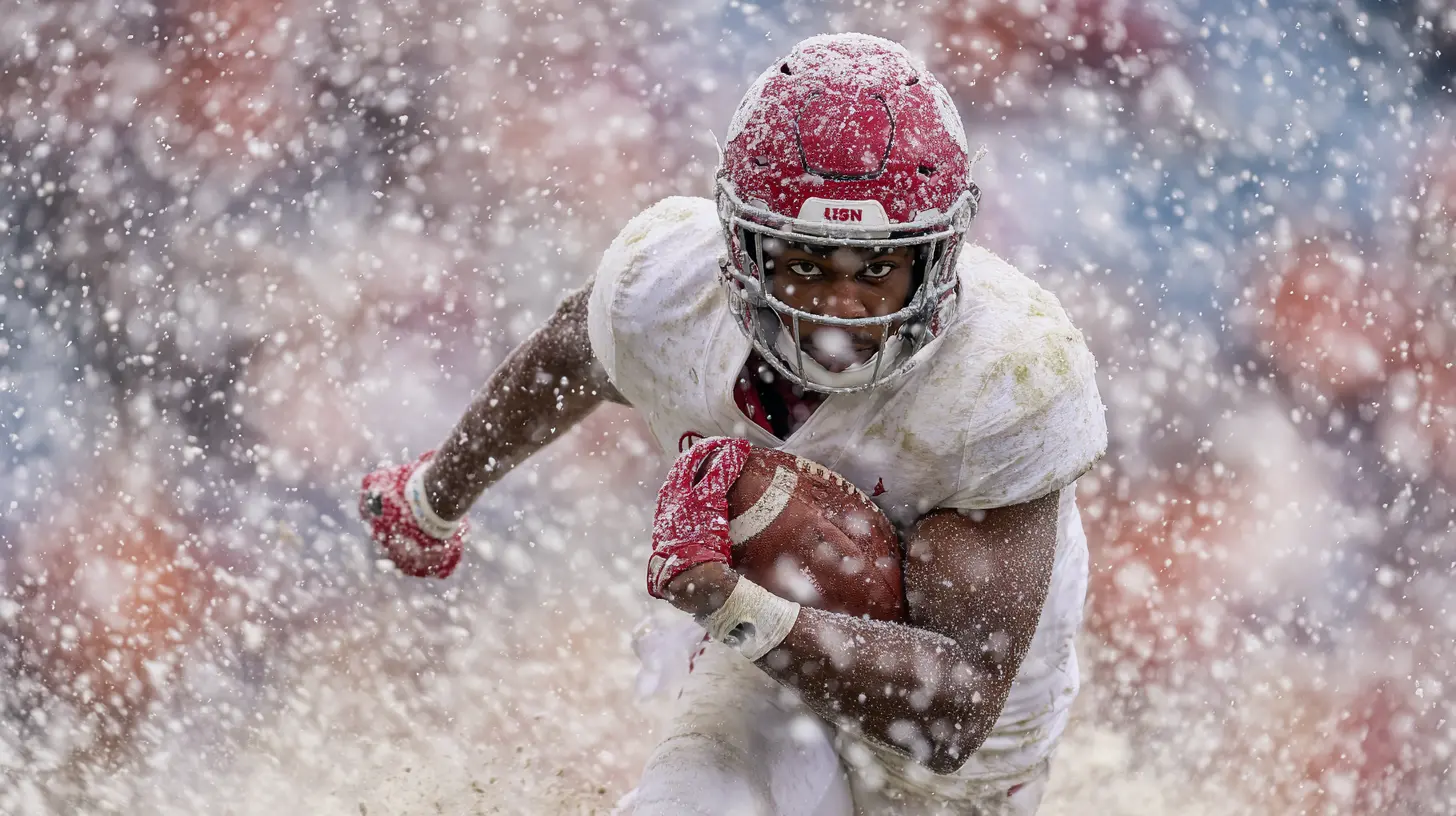
The Underdog’s Roar: AFC Richmond’s Impossible Premier League Triumph
Let’s start with the story that felt like it was ripped from a Hollywood script, but was 100% real. For years, AFC Richmond was the plucky underdog, the feel-good story of a club rebuilt with heart. But in 2026, they transformed from a charming contender into an unstoppable force. Their Premier League title win wasn’t just a victory; it was a philosophical statement.The Decisive Derby: More Than Three Points
The moment the engine of belief truly ignited wasn’t on the final day, but in a rain-lashed derby in March. Trailing their historic rivals by a goal with ten minutes to go, it looked like the fairy tale might stall. Then, it happened. A sequence of 23 uninterrupted passes, a move that started with their goalkeeper and ended with a thunderous, far-post volley from an academy graduate. The stadium didn’t just erupt; it shook with a decade of pent-up hope. That goal did more than secure a draw; it forged an unbreakable spirit. You could see it in the players’ eyes afterwards—they knew. They knew they weren’t just participants anymore; they were architects of destiny. That match was the hinge on which their entire season swung.Ted Lasso’s Legacy Cemented
And what of the gaffer? Ted Lasso’s folksy wisdom had sometimes been mistaken for naivety. In 2026, it was revealed as genius. His decision to shift to a fluid, possession-based system, while never abandoning the "believe" mantra, showed a tactical evolution few thought he had in him. The title win was the ultimate answer to his early critics. It proved that culture, positivity, and tactical acumen aren’t mutually exclusive. They can be the very foundation for dominating English football’s brutal landscape. His emotional, post-final-whistle interview, where he credited everyone from the kit man to the fans in the pub, wasn’t just sound—it was the soul of the club captured in a single moment.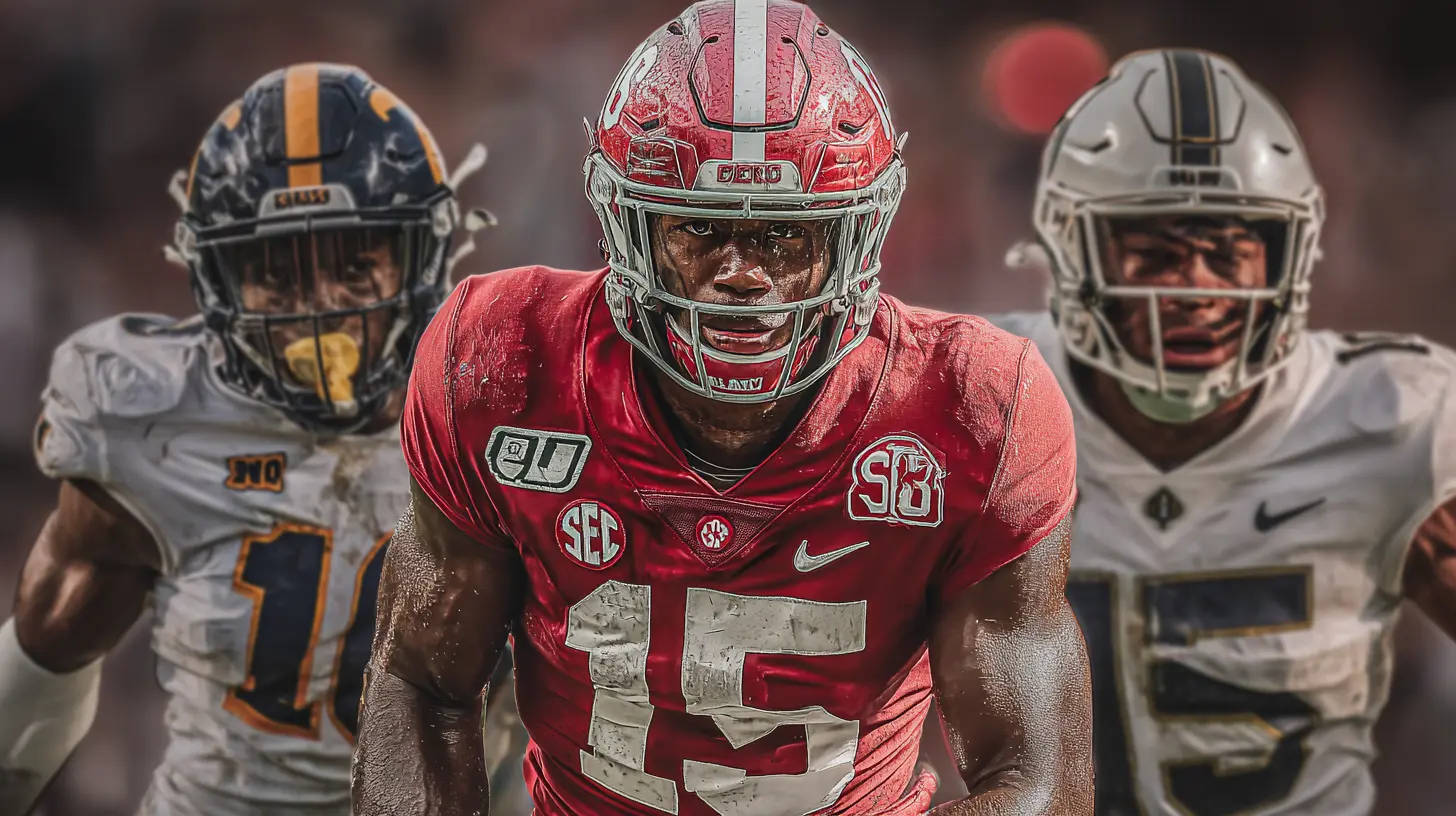
International Resurgence: The USMNT’s Coming of Age on Home Soil
The 2026 FIFA World Cup was always going to be monumental, hosted across North America. But for the United States Men’s National Team, it was about more than home advantage; it was about proving they belonged at the top table. And boy, did they deliver.The Quarter-Final Breakthrough: Slaying the Giant
For decades, the quarter-finals had been a glass ceiling. In a sweltering match at SoFi Stadium, they faced a European titan, a team stacked with Champions League winners. It was a chess match for 88 minutes, locked at 1-1. Then, a moment of pure, unadulterated magic. A teenage substitute, with his first touch of the ball, collected a clearance 30 yards out and unleashed a dipping, curling missile that kissed the underside of the crossbar on its way in. The roar that followed wasn’t just loud; it was historic. It was the sound of a nation’s footballing inferiority complex shattering into a million pieces. That goal wasn’t a fluke; it was a declaration. The USMNT wasn’t just a participant; they were a threat.A New American Identity
This moment defined the season because it crystallized a new identity for American soccer. Gone was the athletic, counter-attacking stereotype. This team controlled games. They played with a technical bravery and tactical discipline that commanded global respect. The image of their captain, tears streaming down his face as he embraced that teenage goalscorer, symbolized a passing of the torch and the arrival of a truly golden generation. The tournament ended in a valiant semi-final loss, but the feeling wasn’t of defeat—it was of arrival. The world’s view of American soccer changed forever in the summer of 2026.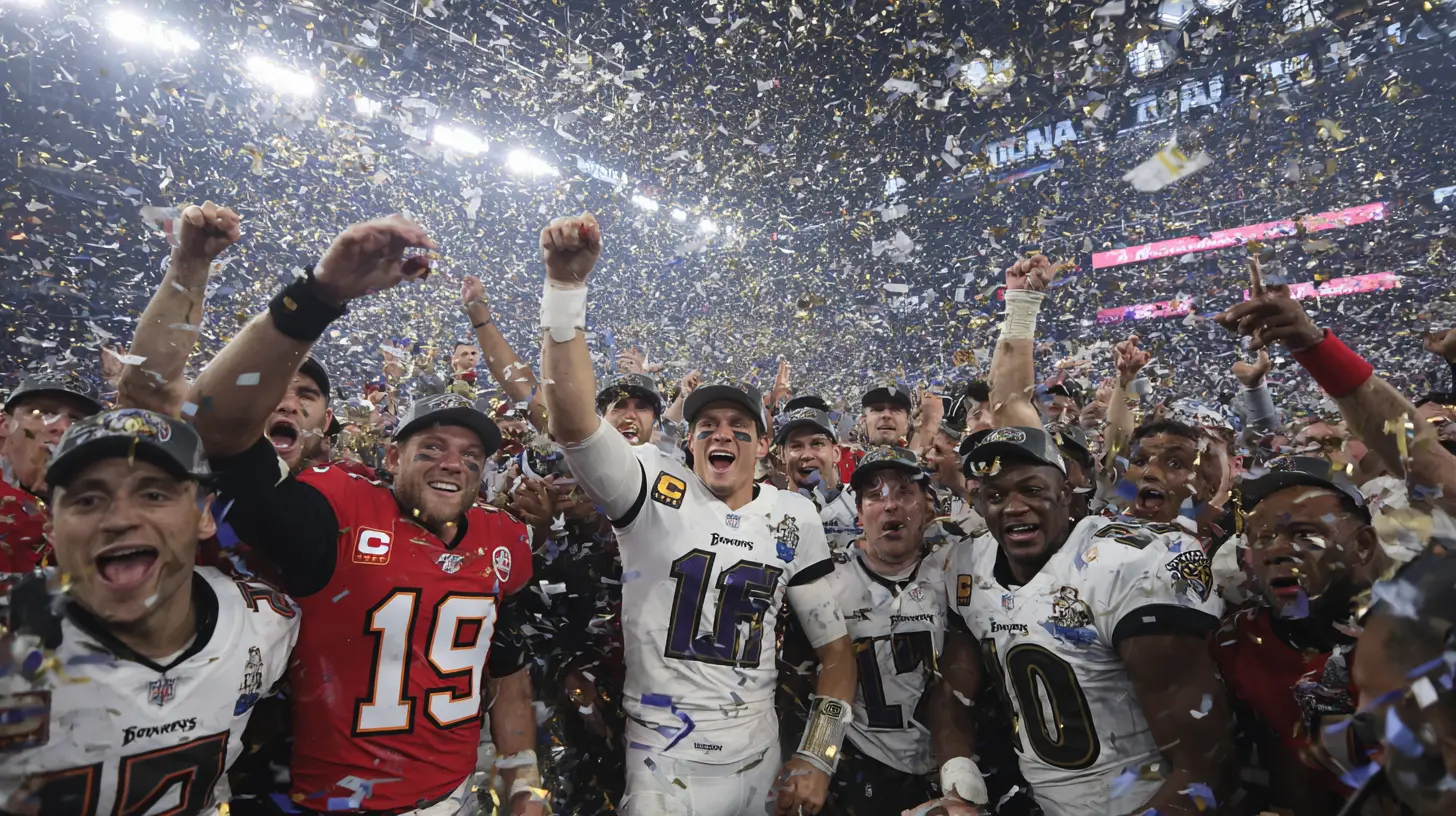
Tactical Evolution: The Rise of the 3-2-4-1 "Box Midfield"
While stories were being written on the pitch, a quiet revolution was happening on the tactical boards. 2026 will be remembered as the year the "box midfield" formation (a 3-2-4-1 in possession) went from avant-garde experiment to mainstream dominance.How It Changed the Game
Think of it like this: football is often about winning the battle in the center of the park. The box midfield created a fortress there. With two holding midfielders sitting in front of the defense and two advanced playmakers ahead of them, it created a numerical overload that was brutally difficult to play through. But its real genius was in attack. Those four central players could rotate, interchange, and create passing triangles everywhere, pulling opposition defenses into uncomfortable, unnatural shapes. It was like watching a basketball pick-and-roll offense applied to a football pitch—constant motion, creating mismatches.The Architects and the Adaptors
One iconic manager, often seen as a purist, adopted this system and saw his team go on a record-breaking unbeaten run. Their 5-0 dismantling of a traditional powerhouse in September wasn’t just a win; it was a tactical clinic broadcast to the world. By season’s end, teams at all levels were trying their own versions. This moment defined 2026 because it showed football’s relentless evolution. It wasn’t about buying the best players; it was about having the best idea. The teams that failed to adapt were left looking like they were playing a different, slower sport.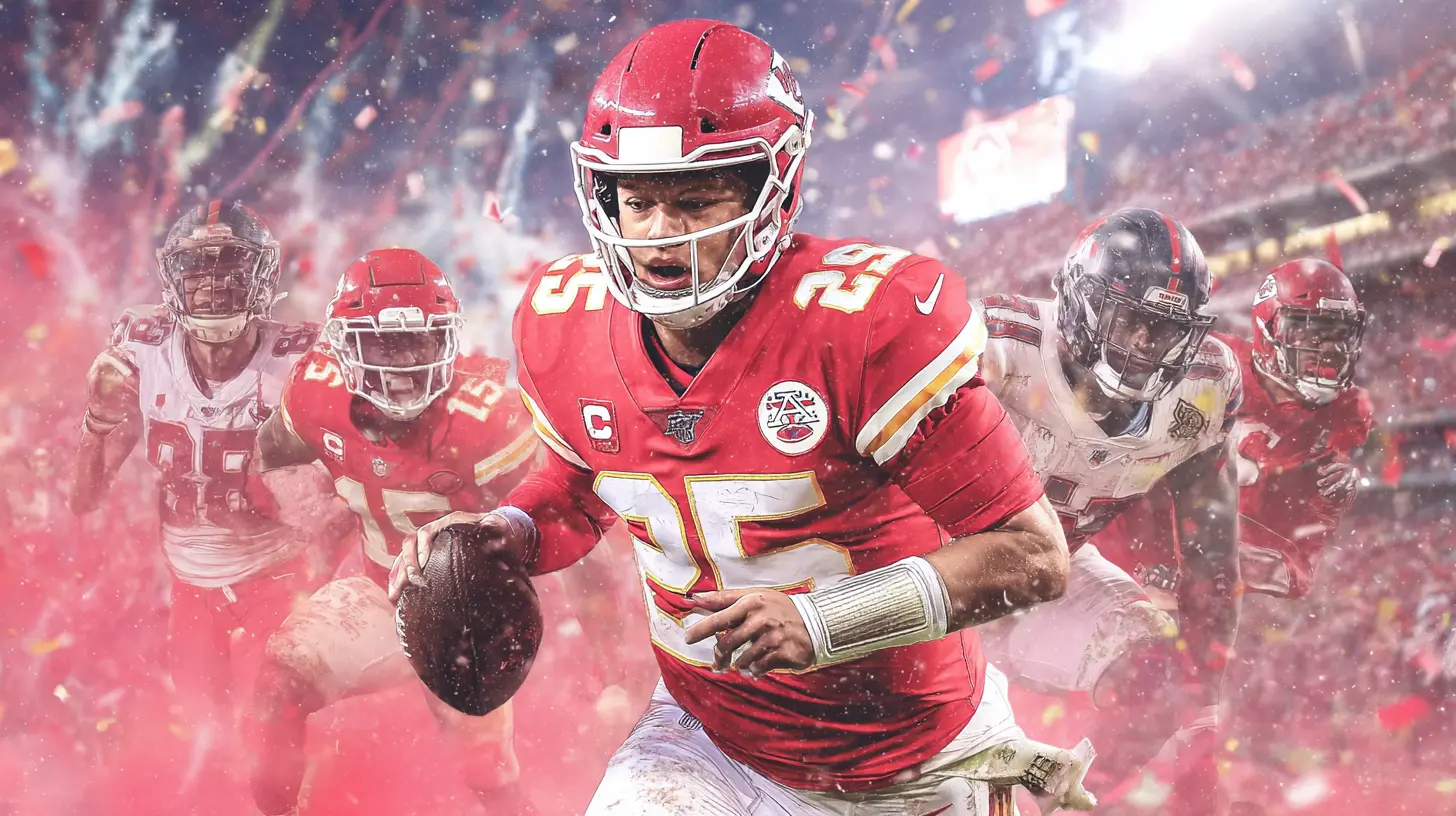
The Goalkeeper’s Redemption: From Scapegoat to Savior
Football loves a redemption arc, and 2026 served up one of the most poignant we’ve ever seen. A world-class goalkeeper, let’s call him Marco, had endured a nightmare error in a major final two years prior. The memes were brutal, the criticism unrelenting. He became a symbol of costly failure.The Penalty Save That Silenced the Noise
Fast forward to the Champions League final in 2026. His team is hanging on, leading by a single goal in the 89th minute. The referee points to the spot. A penalty. The stadium falls silent. The ghost of his past mistake hung in the air, almost visible. As the opponent’s star striker placed the ball, the camera zoomed in on Marco’s eyes. There was no fear, only a fierce, calm focus. The striker went for power to his left—Marco had already committed, soaring like a eagle to palm it away. The save wasn’t just athletic; it was cathartic. Teammates mobbed him not just as a hero of the moment, but as a man who had carried a weight and finally, publicly, set it down.A Lesson in Resilience
This moment transcended sport. It was a masterclass in mental fortitude. In the post-match interview, he simply said, "You live with the mistakes, so you must learn to live with the comebacks." It defined the season because it was a raw, human reminder that our lowest points don’t have to define us. It was about the power of resilience, a narrative that resonated with every fan who has ever faced their own form of setback. Football, at its best, is a mirror to life, and Marco’s gloves reflected a story of triumphant perseverance.The Final Day Drama: Relegation, Glory, and Agony
No defining season list is complete without the sheer, unscripted chaos of a final day. And 2026’s finale was arguably the most dramatic in living memory.Three Teams, One Fate
Heading into the 90th minute of the final Premier League fixtures, the battle to avoid the final relegation spot involved three clubs separated by goal difference alone. One was winning, one was drawing, and one was losing. Then, in simultaneous, heart-stopping sequences:* The losing team won a last-gasp penalty and scored.
* The drawing team conceded a freak goal from a goalkeeper’s miskick.
* The winning team held on.
The league table on screens around the world flickered and updated. The team that had been safe at the 89th minute was going down. The stadium of the relegated club went from nervous cheers to utter, deafening silence in the space of ten seconds. The contrast was visceral—pure joy for one set of fans instantly replaced by utter despair for another. It was brutal, unfair, and utterly compelling.
Why It Captured Everything
This moment defined the season because it was football in its purest, most emotional form. It had everything: hope, despair, luck, cruelty, and the razor-thin margins that separate success from failure. It wasn’t about tactics or talent in that moment; it was about fate, pressure, and the unbearable weight of a single kick. It reminded us all why we can’t look away, even when the drama is almost too much to bear. The images of players collapsed on the pitch in both celebration and tears were the bookends of the season’s emotional spectrum.Looking Ahead: The Legacy of 2026
So, what’s the takeaway from this unforgettable year? The 2026 season taught us that football’s heart still beats strongest in its stories. It was the year of the thinker (the tactical revolution), the believer (the underdogs), the resilient (the redeemed), and the brave (the new contenders). It blurred the lines between club and country, between tactical data and raw passion. These moments didn’t just fill highlight reels; they shifted perceptions, ended eras, and began new ones. They proved that in a world of increasing predictability, football remains gloriously, breathtakingly unpredictable. The 2026 season wasn’t just played; it was felt. And its echoes will define the game for years to come.
all images in this post were generated using AI tools
Category:
Season RecapsAuthor:

Frankie Bailey
Discussion
rate this article
2 comments
Reagan Hughes
From stunning goals to unforgettable plays, 2026 etched magic in every fan's heart.
August 12, 2026 at 2:57 AM
Frankie Bailey
Absolutely! The 2026 season was a rollercoaster of emotions and unforgettable moments that truly made an impact. Thank you for capturing that spirit!
Nellie Strickland
The 2026 football season showcased unforgettable moments, blending thrilling performances and unexpected outcomes that solidified its place in sports history. A must-read recap.
April 20, 2026 at 11:07 AM
Frankie Bailey
Thanks for the feedback! I'm glad you enjoyed the recap and found those moments memorable.