The Biomechanics of Swimming: Understanding Efficiency in the Water
26 December 2025
Swimming isn’t just about moving your arms and kicking your legs through the water. It’s a fine-tuned science involving muscles, motion, and mechanics — all working together to help you glide through the water like a knife through butter. Whether you're an amateur swimmer trying to improve your form or a competitive athlete chasing personal bests, understanding the biomechanics of swimming can seriously level-up your game.
In this article, we’re diving head-first into how your body moves in the water, what makes one stroke more efficient than another, and how you can tweak your technique to improve speed, reduce drag, and conserve energy. Sounds good? Let’s jump right in.
What Exactly is Biomechanics in Swimming?
Think of biomechanics as the science of movement. It’s how your body applies force, maintains balance, and moves efficiently. In swimming, biomechanics is all about how your body interacts with water to create forward motion while minimizing resistance.Now, water is about 800 times denser than air. That means swimming’s a whole lot harder than walking or running — every inch requires precise, energy-efficient movement. That’s where biomechanics becomes crucial.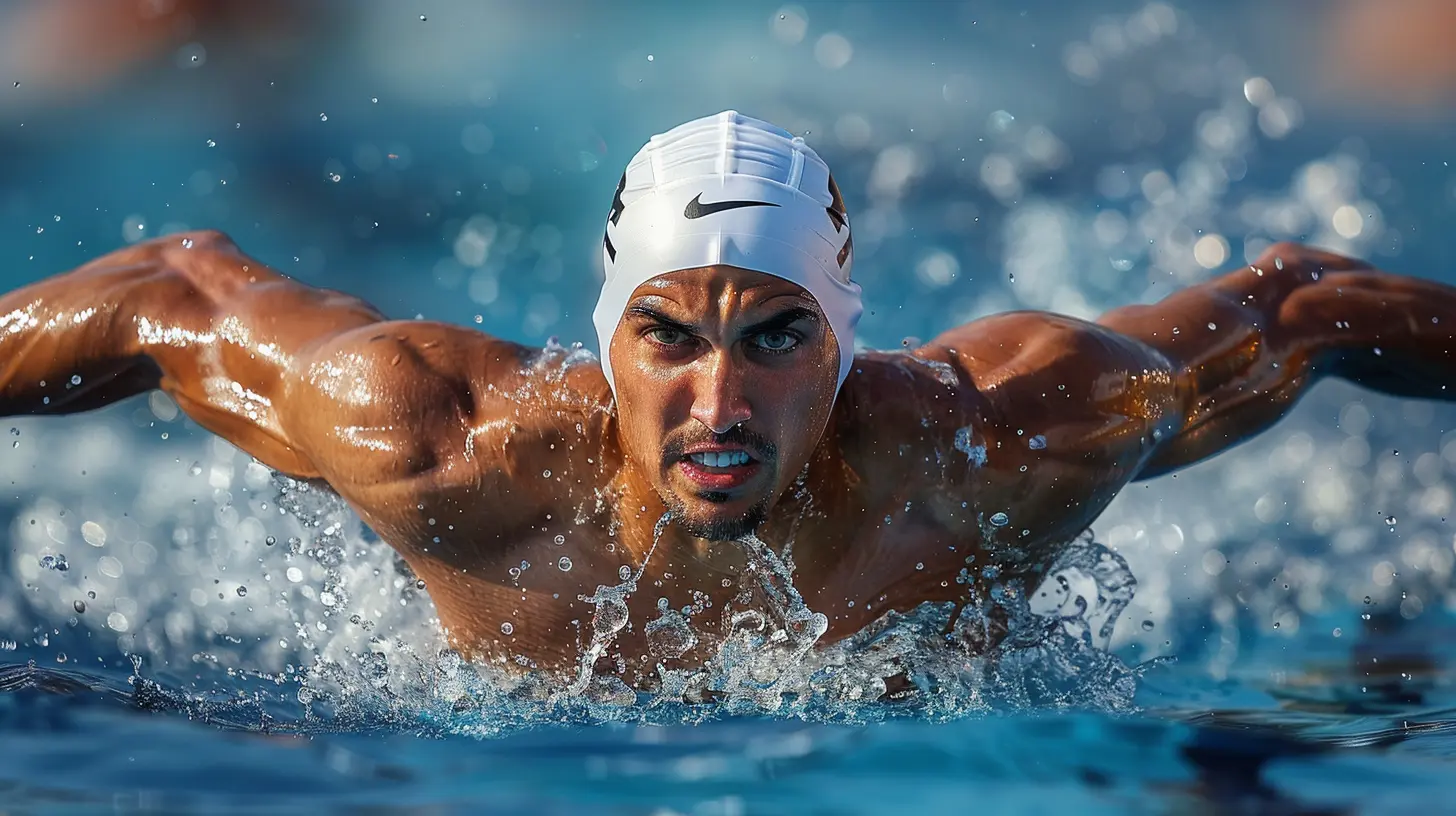
The Four Main Strokes and Their Biomechanical Nuances
1. Freestyle (Front Crawl)
Freestyle is the fastest and most common stroke. But why is it so efficient?- Arm Cycle: Your arms are doing alternating cycles — one pulls while the other recovers. The pulling phase is where propulsion happens. A bent elbow during the pull maximizes force.
- Body Rotation: Your torso rotates with each stroke, which isn’t just stylish — it reduces drag and enables a deeper, stronger pull.
- Kick: A flutter kick from the hips keeps the backend buoyant and adds a bit of propulsion.
- Breathing: Side breathing keeps head movement minimal so you don’t lose rhythm.
The technique here is all about minimizing resistance and maximizing propulsion. Think of slicing through the water like a propeller.
2. Breaststroke
Breaststroke may be the slowest, but it’s technique-heavy.- Arm Movement: Unlike freestyle, both arms move together in a semi-circular motion. The pull helps you lift your head for a breath, then shoot your arms forward.
- Kick: The frog-like kick is where the real power comes in. Timing is everything; a delayed kick throws off your momentum.
- Glide Phase: Probably the most misunderstood part — the glide is what conserves energy. Extending your arms after the pull creates a streamlined position.
Here, coordination is king. The wrong rhythm? You’re basically swimming in place.
3. Backstroke
Backstroke’s like freestyle’s chill cousin — just flipped on your back.- Arm Motion: Alternating arms move like windmills. Each arm enters the water pinky-first for a clean entry, then pulls down with a bent elbow.
- Flutter Kick: Similar to freestyle but slightly more exaggerated.
- Head Position: Keep it still and relaxed, with eyes looking straight up — like you’re star-gazing.
Buoyancy and balance are critical here. A poor head position can drag your hips down, and that’s like swimming uphill.
4. Butterfly
Ah, butterfly — the stroke that looks beautiful when done right but feels like lifting weights underwater if you mess it up.- Arm Movement: Both arms sweep simultaneously in a keyhole pattern. It’s explosive, requiring serious upper body strength.
- Dolphin Kick: This undulating motion comes from the core and hips, not just your legs.
- Timing: If freestyle is about rhythm, butterfly is like dancing to a drumbeat. One wrong beat and you’re off-tempo and sinking.
Butterfly is brutal but rewarding — when biomechanics align, you feel like a torpedo.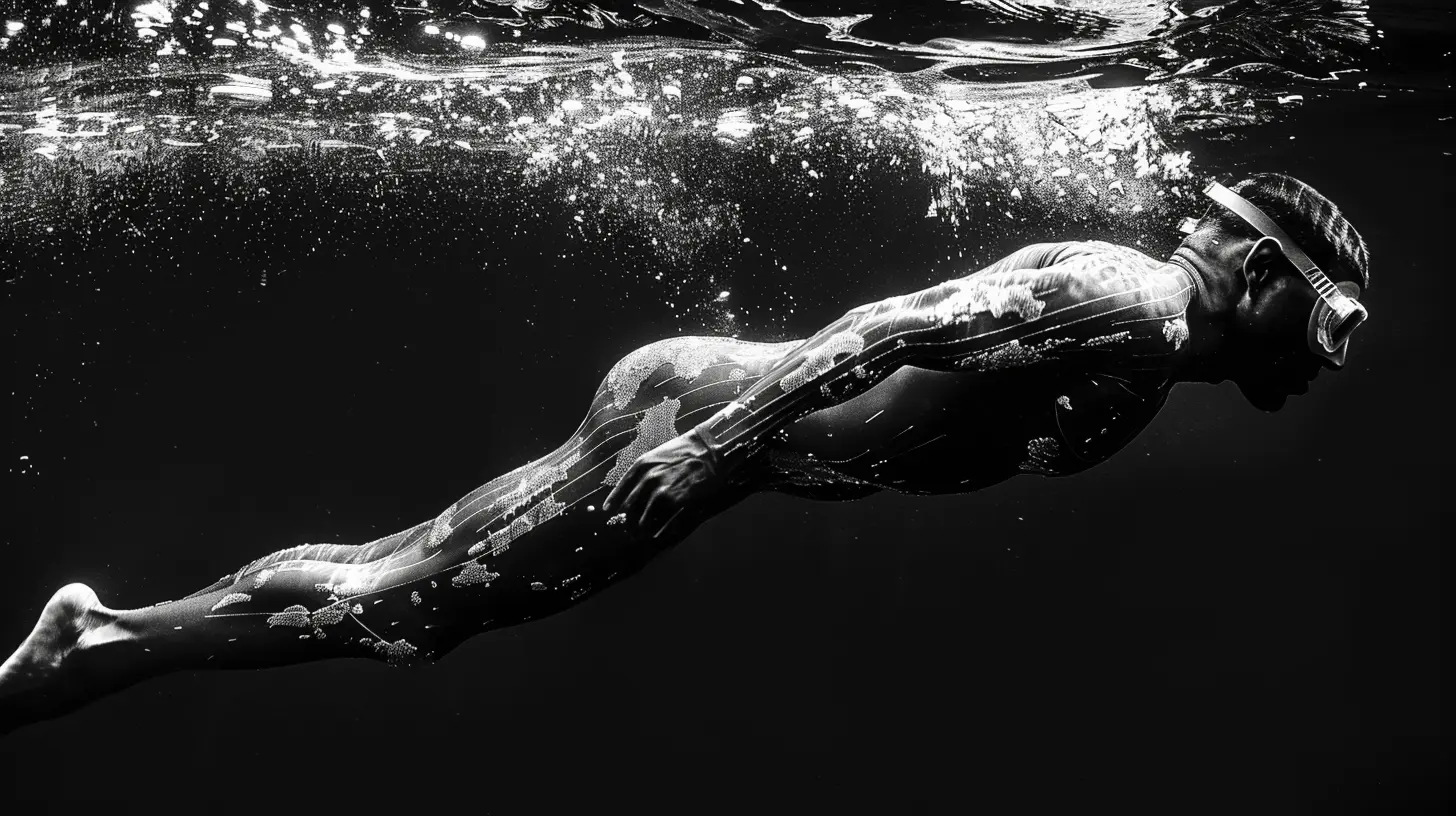
Key Biomechanical Principles Behind Efficient Swimming
1. Streamlining
Ever see Olympic swimmers stretch like pencils off the wall? That’s streamlining in action.The goal is reducing drag — the resistance your body faces moving through water. Streamlining involves:
- Keeping your body aligned in a straight, tight position
- Minimizing splash and turbulence
- Tucking your head to avoid lifting water
Imagine trying to swim with a parachute attached. That’s bad streamlining. Good technique makes you glide like a needle through fabric.
2. Propulsion
Efficiency isn’t just about minimizing drag — it’s also about maximizing thrust. Biomechanically, propulsion in swimming comes from:- Arm pulls (which should act like levers)
- Leg kicks (ideally from the hips)
- Core engagement (think of it as your engine)
Your arms shouldn't just push water backward — they should anchor into it and pull your body past. That’s proper propulsion.
3. Body Position
Your body is the vehicle. Its shape, buoyancy, and position affect everything.- Horizontal Alignment: You want to “float flat.” Hips too low? You’re creating drag.
- Head Position: Look too far up or down and you compromise your streamlined form.
- Hip Engagement: Power comes from the core and hips. The more engaged your midsection, the smoother your stroke.
It’s like balancing on a tightrope underwater — core control is essential.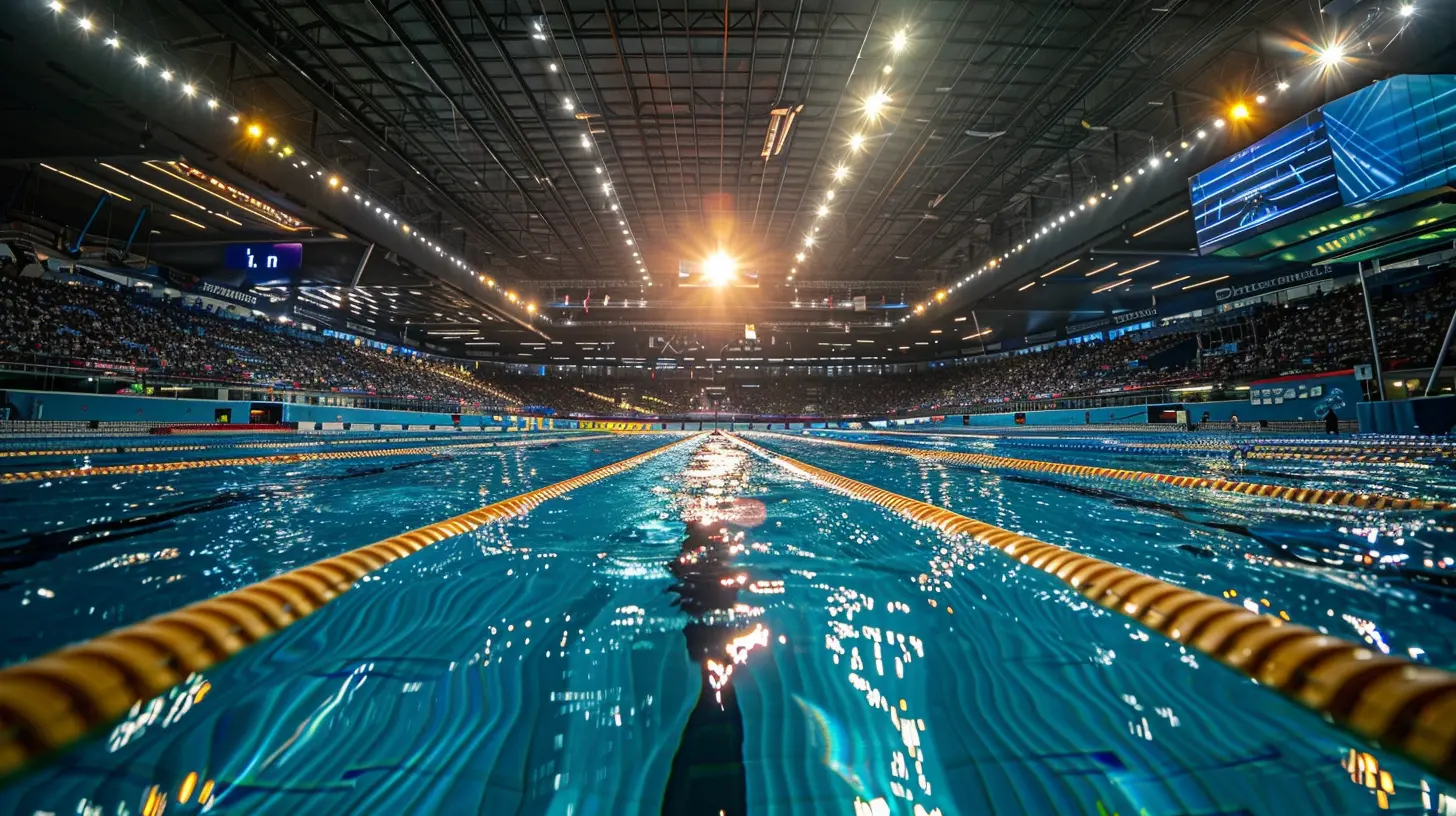
The Role of Muscle Mechanics in Swimming
Swimming is a full-body sport. But different strokes place emphasis on different muscle groups, and using them efficiently makes all the difference.- Freestyle & Backstroke: Focus on lats, deltoids, and core. Strong shoulders and a solid midsection mean more powerful pulls and sustained endurance.
- Breaststroke: Engages adductors, glutes, and pecs. The kick requires a wide range of motion and muscular coordination.
- Butterfly: Works lats, shoulders, glutes, and abs hard. Upper body strength combined with core stability is key.
Don’t just train harder — train smarter. Dryland workouts that mimic swim motions (like resistance band pulls and core planks) complement water training and improve overall biomechanics.
Timing and Coordination: The Silent Efficiency Booster
Ever watched a swimmer who looks like they’re barely moving — yet somehow they’re fast? That’s efficient coordination at play.Biomechanically speaking, swimming is about timing the intersection of motions:
- Pulling and kicking in sync
- Breathing without disrupting body position
- Finishing one movement as another begins
Miss that timing? You might be working harder for less speed. Dial it in? You’re flying through the water like a dolphin on espresso.
Breathing: The Overlooked Biomechanics
Breathing seems simple, but in swimming, it’s a skill. Poor breathing mechanics mess with body alignment, cause uneven strokes, and cost you speed.- Freestyle: Rotate just enough to inhale — don’t lift your head.
- Butterfly & Breaststroke: Breathe during the natural rise. Forcing it creates drag.
- Backstroke: Breathing is easiest, but timing still matters — keep it rhythmic.
Think of breathing as a pit stop — efficient breathing keeps the race going, sloppy breathing slows you down.
Common Biomechanical Mistakes Swimmers Make
Even seasoned swimmers fall into biomechanical traps. Here are a few to avoid:- Overreaching: Stretching too far forward can mess up your balance.
- Poor Kick Timing: Especially in breaststroke and butterfly, a mistimed kick kills momentum.
- Snaking Body Movement: Wiggling or twisting wastes energy and adds drag.
- Dropping Elbows: In freestyle, this weakens your pull and reduces propulsion.
- Head Lifting: Every time you lift your head improperly, it’s like hitting the brakes.
Fixing these might feel awkward at first — but over time, that awkwardness turns into grace.
Using Technology to Improve Swimming Biomechanics
Today’s swimmers aren’t just relying on gut feeling. Tech is becoming a big player.- Underwater Cameras: Great for analyzing stroke mechanics.
- Wearable Sensors: Track arm pull speed, kick rate, and body roll.
- AI Coaching Tools: Some apps now offer biomechanical feedback in real time.
It’s not cheating — it’s smart swimming. Think of it like a GPS for your body in the pool.
Final Thoughts: How to Build Better Swimming Biomechanics
Improving your swimming biomechanics isn’t about wholesale changes. It’s about small tweaks — fixing your elbow pull here, tightening your core there, adjusting your breathing slightly. Over time, these tiny changes lead to huge gains in efficiency and speed.Here’s a quick checklist:
- ✅ Focus on body alignment and streamlining.
- ✅ Work on propulsion with high elbow pulls and hip-generated kicks.
- ✅ Don’t underestimate core strength.
- ✅ Keep your timing and coordination tight.
- ✅ Use tech and video analysis for feedback.
- ✅ Tune into how each movement feels — body awareness matters.
Swimming is part science, part art. But when you get the biomechanics right? It's like dancing with water — and winning.
all images in this post were generated using AI tools
Category:
Sports ScienceAuthor:

Frankie Bailey
Discussion
rate this article
2 comments
Eliana McQuiston
This article effectively highlights the key factors in swimming biomechanics. Understanding these principles can greatly enhance performance and efficiency for swimmers at all levels.
February 19, 2026 at 5:22 AM
Frankie Bailey
Thank you! I'm glad you found the article insightful. Understanding biomechanics is indeed crucial for improving swim performance.
Zealot Kearns
Swimming isn’t just technique; it's the ultimate fusion of power, precision, and pure performance.
December 26, 2025 at 3:57 AM
Frankie Bailey
Absolutely! Swimming embodies the intricate balance of biomechanics, where technique enhances power and precision, leading to optimal performance in the water.