The Legal Side of Sports Broadcasting Rights: What You Need to Know
13 April 2026
Sports bring people together like few other things can. Whether it’s the roar of the crowd, the thrill of a buzzer-beater, or the heartbreak of a penalty shootout—there’s just something electric about live sports. But while you're sitting on your couch, munching on snacks and cheering for your favorite team, there's a legal and financial tug-of-war happening behind the scenes that makes all that possible. We're talking about sports broadcasting rights—the legal backbone that decides who gets to show what, when, and to whom.
In this post, we're peeling back the curtain on the legal side of sports broadcasting rights. We’ll dive into what they are, how they work, why they’re such a big deal, and who the key players are in these multi-billion-dollar deals. Stick around—you’ll never watch a game the same way again.
What Are Sports Broadcasting Rights?
Let’s start with something simple. Broadcasting rights are essentially permission slips. They give TV networks, streaming platforms, or radio stations the legal go-ahead to show or air sports events to the public. These rights are usually sold by leagues, teams, or even event organizers to media companies for a tidy sum—okay, more like a mind-boggling fortune.Think of it like this: if sporting events were concerts, broadcasting rights would be the ticket masters. Without them, no one gets in, and nothing hits the airwaves.
Why Are They So Important?
Well, here’s the deal—broadcasting rights are the lifeblood of modern sports. They’re the golden goose. Forget ticket sales and merchandise for a second (although those matter too); media deals are often the biggest revenue stream for leagues like the NFL, Premier League, NBA, and even the Olympics.And here’s where it gets juicy. Companies pay billions—yes, billions—with a capital ‘B’ to get exclusive access to broadcast games. Why? Because live sports attract massive audiences. More viewers = more ad dollars. It’s a win-win… or, sometimes, a legal battlefield.
The Role of Exclusive Rights
Ever notice how you can only watch certain soccer leagues on specific networks or how one app has the rights to stream the Super Bowl? That’s no accident—it’s an exclusive broadcasting agreement.These exclusive rights are like VIP passes that say, “Only we can show this game.” They're super valuable because they create scarcity. And in media, scarcity equals power.
But don’t think it's all smooth sailing. These deals often spark legal debates:
- Should a broadcaster have a monopoly over an entire league’s games?
- Does it hurt competition?
- What about fans who can’t afford premium cable or streaming?
Yeah, it gets messy.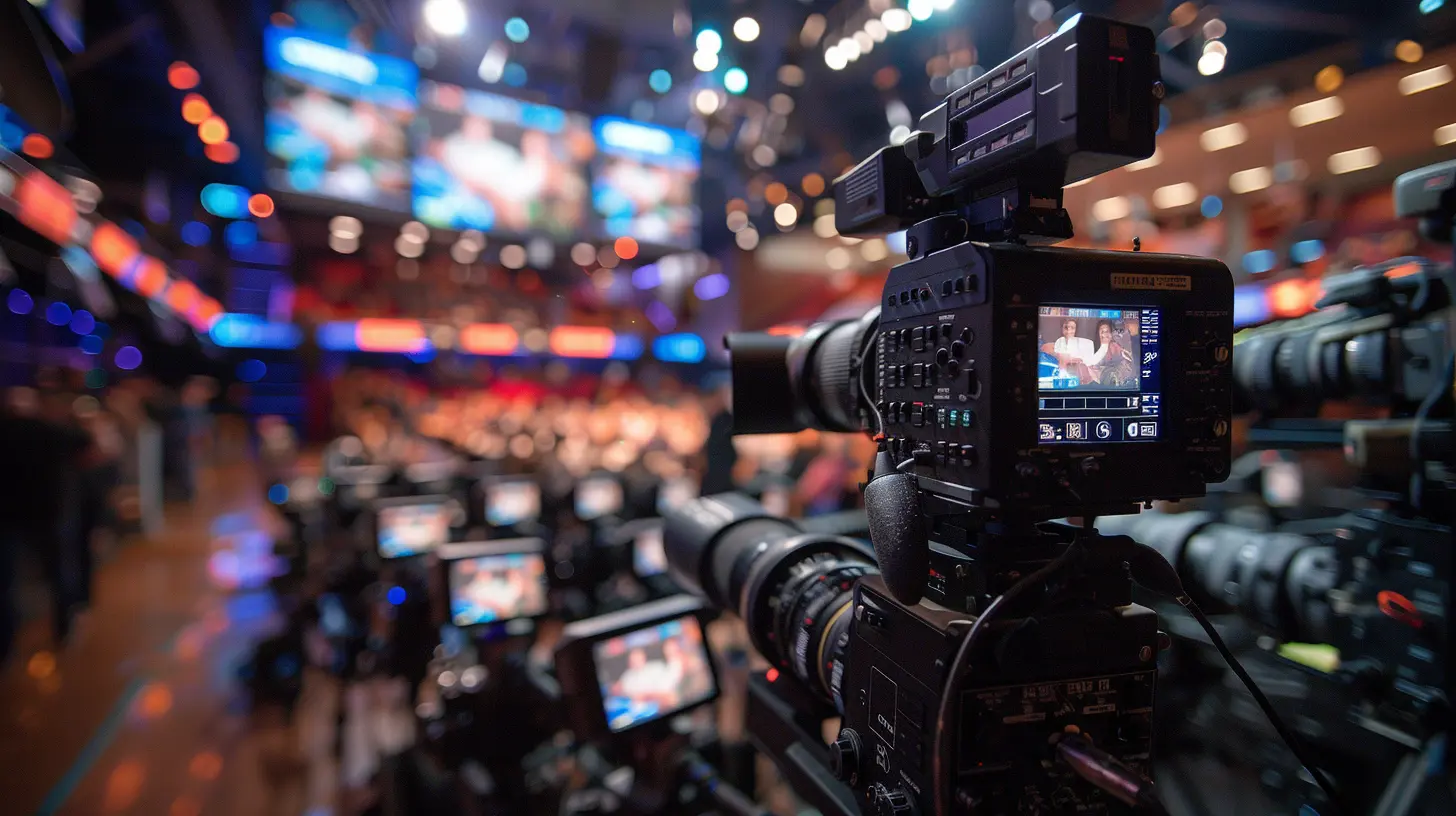
Types of Broadcasting Rights
There’s more than one way to slice this pie. Broadcasting rights fall into a few buckets, so let’s break them down:1. Live Broadcasting Rights
These are the premium goods—the rights to show the event as it happens in real-time. Think Sunday Night Football or a live UFC fight. These are the most sought-after because 99% of viewers want to catch the action in the moment.2. Delayed Broadcasting Rights
Not everyone gets live access. Some broadcasters buy rights to show the game hours or even a day later. These are cheaper but still valuable, especially in markets where time zones make live viewing tricky.3. Highlight Rights
This lets media outlets show the best parts—think post-match highlights or “Top 10 Plays.” Great for YouTube, mobile apps, or recap shows.4. Digital and Streaming Rights
Welcome to the future. More and more fans are ditching cable and going digital. This has sparked a race among streaming giants like Amazon, Apple, ESPN+, and DAZN to scoop up the rights for major events. And yes—this has created a legal maze, especially when digital rights overlap with traditional TV.The Players Involved
So, who’s at the poker table during these high-stakes games?- Rights Holders
These are the folks who own the content—leagues, clubs, federations, or event organizers. Think FIFA, the NBA, or the IOC.- Broadcasters
The buyers. Could be traditional networks like NBC, CBS, Sky Sports, or streaming platforms like Amazon Prime and Apple TV+.- Regulators
Governments and international bodies often step in to make sure everything’s fair. In many countries, regulators set rules to ensure some events (like the World Cup) remain available on free-to-air TV.The Legal Framework: Copyright and Licensing
Let’s get nerdy for a second. Broadcasting rights are governed primarily by copyright laws. Sports events may not be copyrighted in the same way as a book or song, but the broadcast itself is absolutely protected.That’s where licensing comes in. When a broadcaster pays for the rights, they’re essentially buying a license to reproduce and distribute the content within specific boundaries: time, location, platform, and audience size.
Here’s a fun example: A network may own the rights to stream Wimbledon only in Asia and only between June and July. Air it outside those terms? Boom—hello lawsuit.
Grey Areas and Legal Disputes
Whenever there’s big money, there’s big drama. Here are a few legal grey zones and hot topics:- Ambush Marketing
Companies try to associate themselves with events without actually paying for rights. It’s sneaky—and often illegal.- Piracy
Illegal streams are the bane of rights holders. It’s a constant cat-and-mouse game to shut down pirate websites that stream matches for free.- Geo-blocking
Ever traveled and noticed you can’t access your sports app abroad? That’s because of territorial rights. And it’s becoming a hot debate in the EU and beyond as fans push for more open access.- Public Interest vs. Commercial Rights
Should Olympics or national team games be free for all? Or should the highest bidder win? Balancing public access with commercial interest is a tightrope walk.Famous Legal Battles in Broadcasting
Want some real-world spice? Here are a few high-profile tussles that made headlines:- NFL vs. Dish Network (2015): A dispute over streaming rights led to legal action about what constitutes a “broadcast."
- Sky Sports vs. BT Sport (UK): The fight to control Premier League content was intense, with regulators stepping in to calm the waters.
- Super Bowl Bans on Competing Ads: The NFL has strict control over ads during the Super Bowl. Legal challenges have been filed by companies shut out of air time.
The Global Game: How Laws Vary Around the World
Broadcasting laws aren’t one-size-fits-all. In Europe, for instance, the EU Audiovisual Media Services Directive influences how rights are sold. Meanwhile, in the U.S., the FCC plays referee.In some countries, there’s a must-show list—events that must be aired on free TV. In others, it’s a free-for-all. This complexity is why global deals, like the Olympics or FIFA World Cup, require top-notch legal teams to navigate the red tape.
The Shift to Streaming: A Legal Earthquake
Let’s face it—streaming is flipping the game board. Traditional broadcasters are now duking it out with tech giants like Amazon, Apple, and Google. And this brings with it new legal headaches:- Who owns the streaming rights?
- Can games be simulcast across multiple platforms?
- How do you handle blackout zones or regional exclusivity?
Spoiler alert: There are no easy answers. As tech evolves, so do the laws—often after the fact.
Conclusion: It's More Than Just a Game
So next time you kick back and stream a game, remember—there’s a huge legal machine working in the background to make that happen. Lawyers, broadcasters, regulators, and media moguls are all playing their part in a complex, high-stakes drama that’s just as intense as anything on the field.Broadcasting rights shape everything from how we watch to who watches and where. They fuel the money that keeps leagues running, but they also raise tough questions about fairness, access, and the future of sports as a global product.
And while you won’t need a law degree to enjoy the big game, having a peek behind the curtain can make you appreciate just how much effort goes into bringing the sports you love straight to your screen.
all images in this post were generated using AI tools
Category:
Sports BroadcastingAuthor:

Frankie Bailey
Discussion
rate this article
2 comments
Fleur Perry
This article sheds light on a crucial yet often overlooked topic in sports. Understanding broadcasting rights is essential for fans and stakeholders alike. Thanks for providing such valuable insights into the legal intricacies of sports broadcasting.
August 4, 2026 at 12:39 PM
Frankie Bailey
Thank you for your thoughtful comment! I'm glad you found the article insightful. Understanding these rights is indeed vital for everyone involved in sports.
Bethany Henderson
This article provides valuable insights into the complex world of sports broadcasting rights. Understanding the legal intricacies is essential for fans, teams, and broadcasters alike. A must-read for anyone interested in the future of sports media!
April 19, 2026 at 10:52 AM
Frankie Bailey
Thanks for your feedback! I'm glad you found the insights valuable. Understanding these legal aspects is crucial for everyone involved in sports media.