Stretching for Volleyball Players: Boost Your Jump and Reach
15 January 2026
When it comes to volleyball, every inch matters—especially when you're soaring above the net to spike the ball or blocking your opponent's killer shot. But before you start dreaming of that highlight-reel move, let's talk about something crucial that often gets tossed to the sidelines: stretching.
Yep, stretching. It’s not just something you do because your coach says so. It’s actually your secret weapon for boosting your vertical jump, improving your reach, and keeping those muscles happy and injury-free. So, whether you're a weekend warrior or grinding it out on a more competitive level, stretching is the name of the game.
Let’s dive in and break it down, player-style.
Why Stretching Even Matters (More Than You Think)
Ever tried to jump without bending your knees? Yeah, not great. Now imagine trying to jump with stiff hips or tight hamstrings. It's like trying to launch off a trampoline with a bag of bricks tied to your back. Stretching isn't just about being flexible—it’s about unlocking your body’s full potential.When you're limber and loose, you move better. You react faster. And let’s be real—your jumps are higher, your dives are smoother, and your reach? Next level.
Key Benefits of Stretching for Volleyball Players
- Improves vertical jump by increasing the range of motion in your hips, knees, and ankles.- Enhances reach—especially in the shoulders, back, and arms.
- Prevents injuries (because sitting on the bench hurts more than sore quads).
- Boosts blood flow, helping muscles recover faster and perform longer.
- Increases agility and quickness, making those fast court reactions easier.
So basically, stretching = volleyball superpowers. Let’s roll!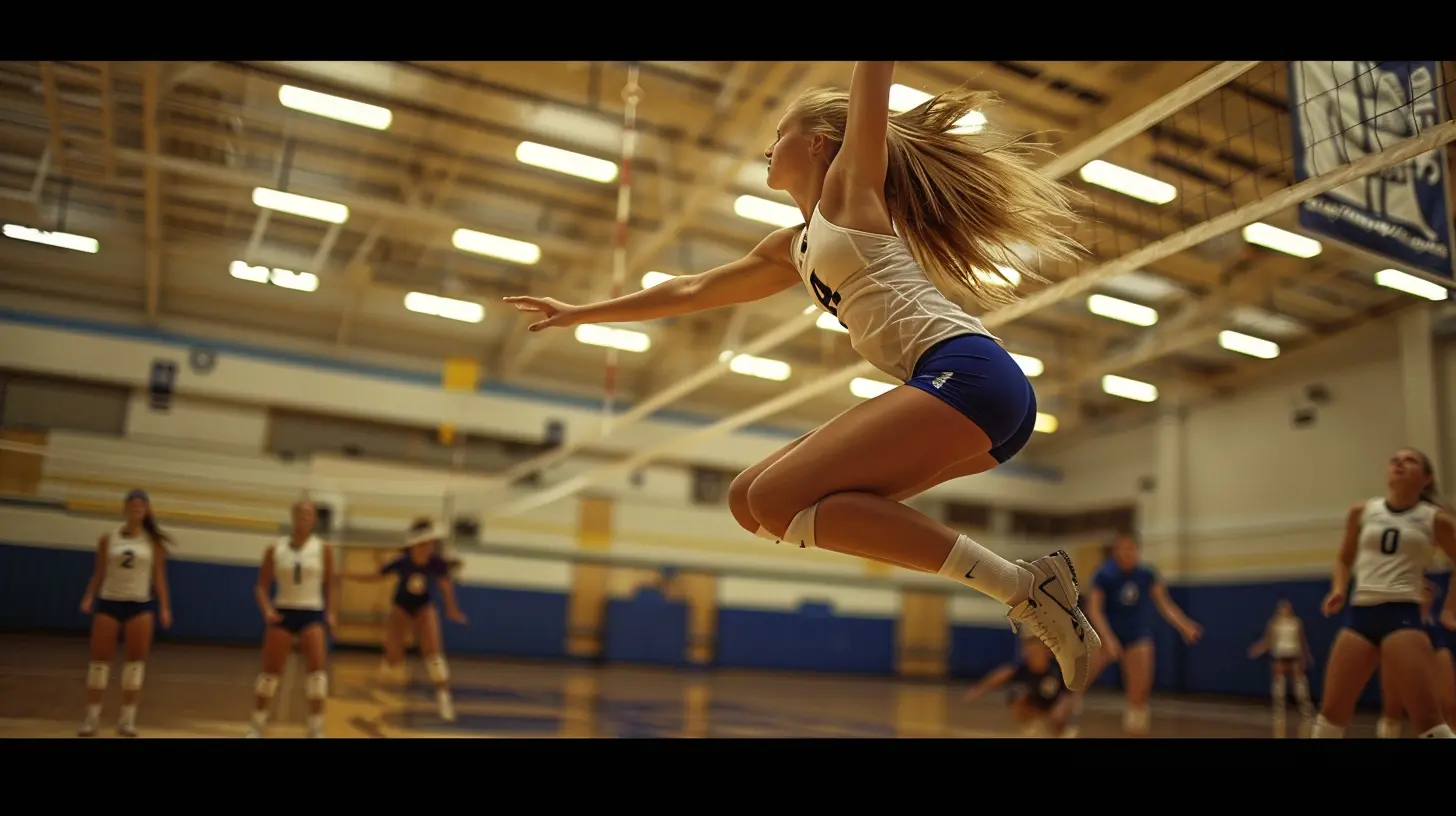
When Should You Stretch? Timing is Everything
Before we jump into the how-to, let’s talk about the when.Dynamic Stretching: Pre-Game Power-Up
Dynamic stretching is all about moving your body while warming up. Think leg swings, arm circles, and walking lunges. It gets your muscles prepped for action, blood pumping, and your brain in game mode.Do this before games or intense practices. It’s like slowly revving up your engine before hitting the gas.
Static Stretching: Post-Game Cool Down
This is the classic hold-and-feel-the-burn style. It’s best after your workout or match when your muscles are warmed up and ready to lengthen. Think toe touches, quad pulls, or seated hamstring stretches.Save static stretching for after your match. It helps with recovery and keeps soreness from creeping in the next day.
Top Dynamic Stretches for Volleyball Players
Let’s get that blood flowing and those joints moving. These dynamic stretches are your go-to warmups.1. High Knees
Run in place while lifting your knees as high as possible. Try to keep a fast pace!Why it works: Fires up your hip flexors and gets your heart rate going.
2. Frankenstein Walks (Yes, that’s the name)
Keep your legs straight and kick them up in front of you while reaching for your toes with the opposite hand.Why it works: Opens up your hamstrings and improves coordination.
3. Walking Lunges with a Twist
Step forward into a lunge, and twist your torso toward your front knee.Why it works: Loosens up your hips, quads, and spine in one smooth move.
4. Arm Circles and Swings
Big, exaggerated circles forward and backward. Then do some criss-cross arm swings across your chest.Why it works: Warms up your shoulders—the MVPs of your spike game.
5. Leg Swings
Hold onto something and swing your leg forward and back, then side to side.Why it works: Unlocks your hip joints and gets your lower body in motion.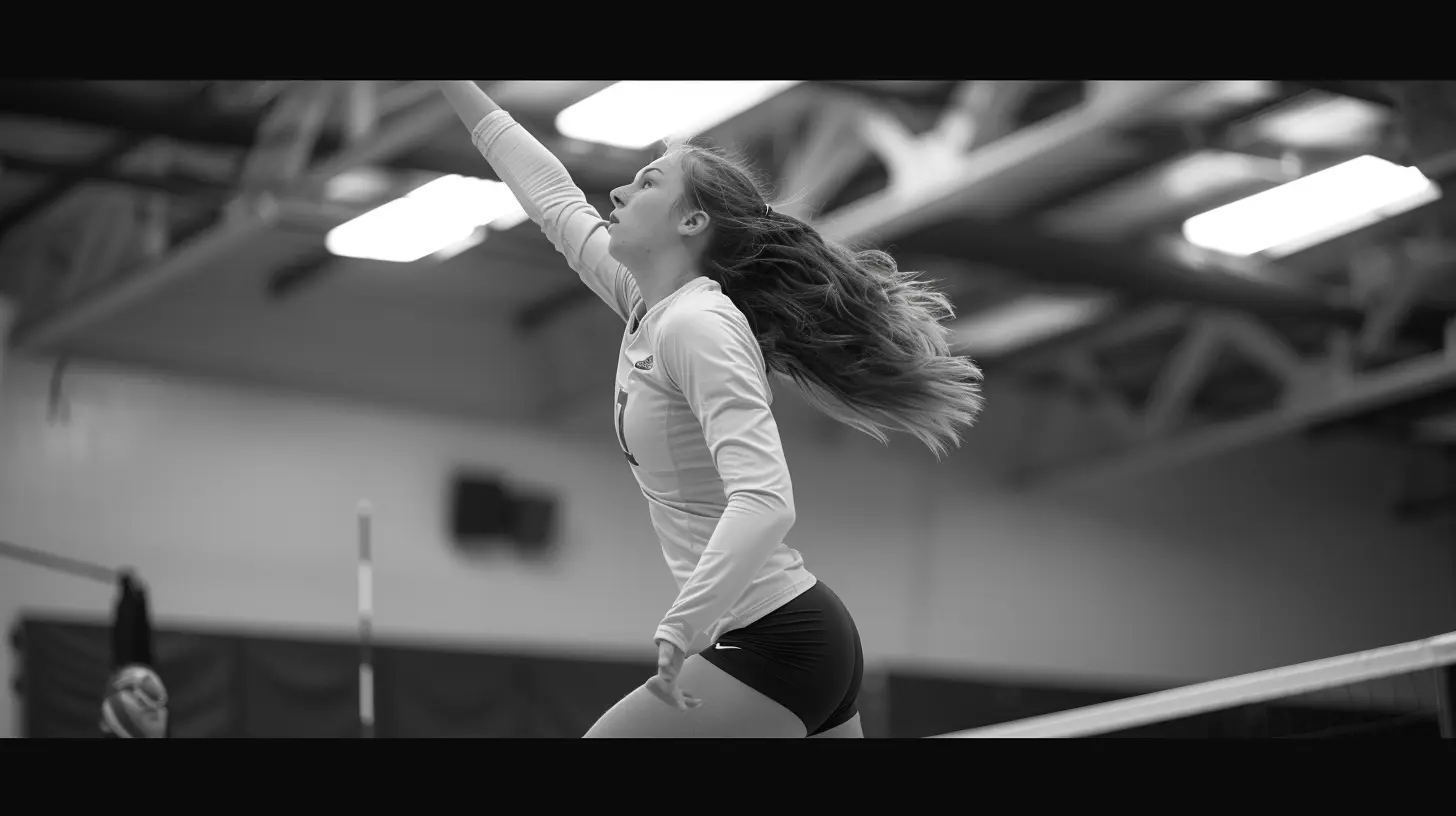
Static Stretches to Boost Jump and Reach
Now, let’s hit the stretches that will truly take your performance up a notch. These are best when your body’s already warm—after a game, a workout, or even a hot shower.1. Hamstring Stretch
Sit on the ground with one leg extended and the other bent, foot touching your inner thigh. Reach toward your toes.Why it works: Lengthens your hamstrings so you can jump higher and run faster. Short hamstrings = short jumps.
2. Hip Flexor Stretch
Kneel on one knee and push your hips forward while keeping your back straight.Why it works: Frees up your hips for better lateral movement and vertical lift.
3. Calf Stretch
Stand facing a wall, one foot behind the other. Keep your back heel flat and lean forward.Why it works: Helps you spring off the floor with more power and less strain.
4. Butterfly Stretch
Sit with the soles of your feet together and gently push down on your knees with your elbows.Why it works: Opens up your groin and inner thighs—a must for precise movements and quick reactions.
5. Shoulder and Triceps Stretch
Pull one arm across your chest or behind your head and hold it.Why it works: Improves your overhead reach—perfect for serves, hits, and blocks.
6. Lat Stretch (Side Stretch)
Reach one arm overhead and lean to the opposite side.Why it works: Lengthens your lats and spine so you can stretch higher for those sweet, sweet blocks.
Bonus: Foam Rolling – Your Muscles Will Thank You
Okay, it's not technically stretching, but foam rolling deserves a shout-out. It’s like giving your muscles a deep tissue massage (without the awkward spa music). Roll out your quads, hamstrings, IT bands, and calves to break up tight spots and improve flexibility.Once your muscles are relaxed and happy, everything just works better. You jump higher, feel lighter, and move smoother. Who wouldn’t want that?
Stretching for Better Jumps: What Science Says
In case you’re a numbers person, here’s a little science-y nugget for you. Studies have shown that regular flexibility training improves neuromuscular coordination and increases power output. Translation? Stretching helps your brain and muscles work better together, which means more explosive jumps.Combine that with stronger range of motion in your hips, ankles, and knees, and you've got a serious air game going on.
Build a Stretching Routine That Works for You
Let’s be honest—if it’s not easy and quick, it’s not happening. That’s why a solid stretching routine should take no more than 10–15 minutes. Here’s a sample routine you can use:Pre-Game (Dynamic) – 5 Minutes
- 30 seconds high knees- 30 seconds butt kicks
- 10 Frankenstein walks per leg
- 10 walking lunges with a twist
- 20 arm circles each direction
- 10 forward/back leg swings per leg
Post-Game (Static) – 10 Minutes
- 30-second hamstring stretch per leg- 30-second hip flexor stretch per leg
- 30-second calf stretch per leg
- 30-second butterfly stretch
- 30-second shoulder and triceps stretch
- 30-second side/lat stretch per side
Pro Tips to Maximize Your Gains
Let’s keep it real—if you want to get the most from your stretching game, you’ve got to do it consistently and correctly. Here are a few key tips to take your flexibility to new heights:- Stretch daily. Even on rest days. Flexibility improves with frequency.
- Don’t bounce. You’re not on a trampoline, you're stretching. Slow and steady wins.
- Breathe deeply. Let that tension go. Your muscles need oxygen to release.
- Listen to your body. A stretch should feel like pulling taffy, not snapping a rubber band.
Real Talk: Stretching Isn’t Just for Gymnasts
Some volleyball players skip stretching because they don’t think it’s "hardcore" enough. But here’s the deal—every elite athlete, from sprinters to NBA stars, makes stretching a priority. Why? Because it’s the glue holding your performance together. Jump higher, reach further, and stay in the game longer.Stretching is like the oil to your engine. Without it? You’ll sputter more than you soar.
Final Whistle Thoughts
Stretching isn’t flashy. It won’t earn you a standing ovation or a slow-motion replay. But it will make you feel lighter, jump higher, and keep you on the court longer. And let’s be real—what’s the point of having a rocket of a spike if your hamstrings are crying every time you jump?So, take care of your body. Make stretching your pre-game ritual and your post-game reward. Turn it into a habit, and the results will speak for themselves—louder than a crowd at championship point.
Now lace up, stretch out, and go crush it on the court!
all images in this post were generated using AI tools
Category:
StretchingAuthor:

Frankie Bailey
Discussion
rate this article
2 comments
Hayden McKay
Effective stretching enhances flexibility, crucial for optimal jump performance and reach in volleyball. Elevate your game!
March 1, 2026 at 1:13 PM
Frankie Bailey
Thank you! You're absolutely right—effective stretching is key to improving flexibility and jump performance in volleyball. Keep stretching to elevate your game!
Isla Turner
Great insights on stretching for volleyball! I'm curious about which specific stretches have the biggest impact on jump height and reach. Would love to hear personal experiences or favorite routines from other players!
January 15, 2026 at 1:16 PM
Frankie Bailey
Thank you! Key stretches for jump height and reach include dynamic leg swings, standing quad stretches, and hip flexor stretches. Incorporating a routine that targets these areas can significantly enhance your performance. Many players have found that regular practice of these stretches improves their vertical jump over time!