The Tactical Chess Match: A Look at How the Coaches Outwitted Each Other
12 January 2026
When we talk about sports, it's easy to focus on the dazzling footwork, jaw-dropping plays, and the athletes who push their limits on the field. But behind every great match is a silent, cerebral war — a tactical chess match waged between two brilliant minds: the coaches. This battle is where strategy meets psychology, preparation meets improvisation, and experience meets innovation.
So, let's pull back the curtain and dive deep into the world where the real game is played before a single whistle blows — the mind games between coaches.
The Sideline Strategists: More Than Just Shouting Orders
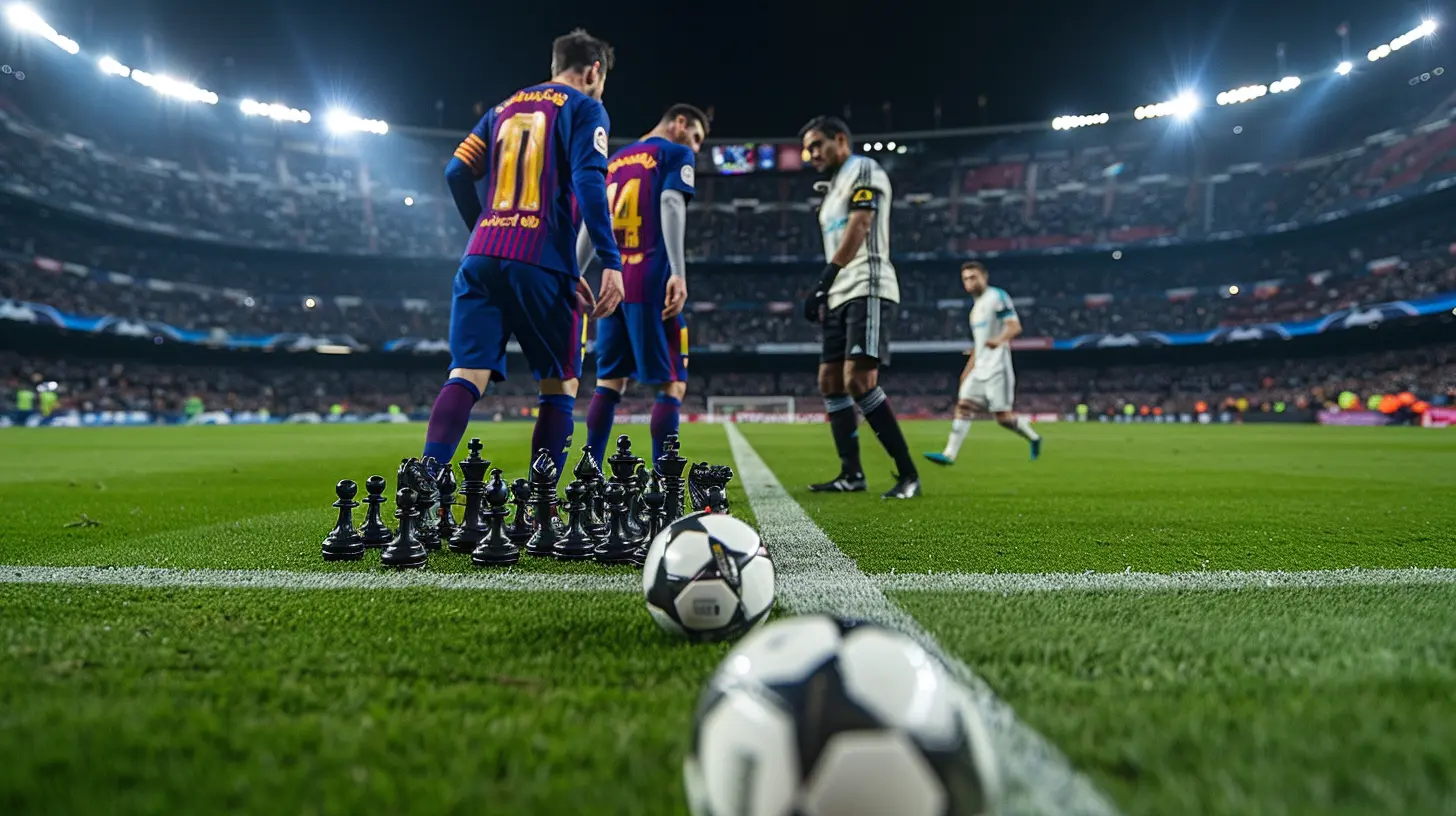
Let’s start by clearing a big misconception — coaches don’t just bark instructions or wave their arms dramatically on the sidelines. Nope, coaching at the elite level is as much about tactical mastery as it is about motivation. Think of them as generals preparing for war, analyzing every movement of their opponent, tweaking plans on the fly, and always thinking several moves ahead.It’s like a high-stakes game of chess, only the pieces have personalities, fitness concerns, and unpredictable moments of brilliance or breakdown. That’s what makes it so fascinating.
Preparation: Laying the Tactical Foundation
Before the match even begins, coaches are already deep into “game mode.” They study countless hours of footage, analyzing the other team’s strengths, weaknesses, and patterns. It’s like cramming for the most important exam with the tiniest margin for error.For example, if Coach A knows that the opposing team struggles to defend against quick transitions, they’ll design their game plan around rapid counters. On the flip side, if Coach B anticipates this strategy, they might drill their players all week on defensive shape and stamina to track back quickly.
This kind of pre-planning is like setting up your chessboard — knowing where each piece works best, and how to bait your opponent into making that fatal move.
In-Game Adjustments: The Real-Time Chessboard
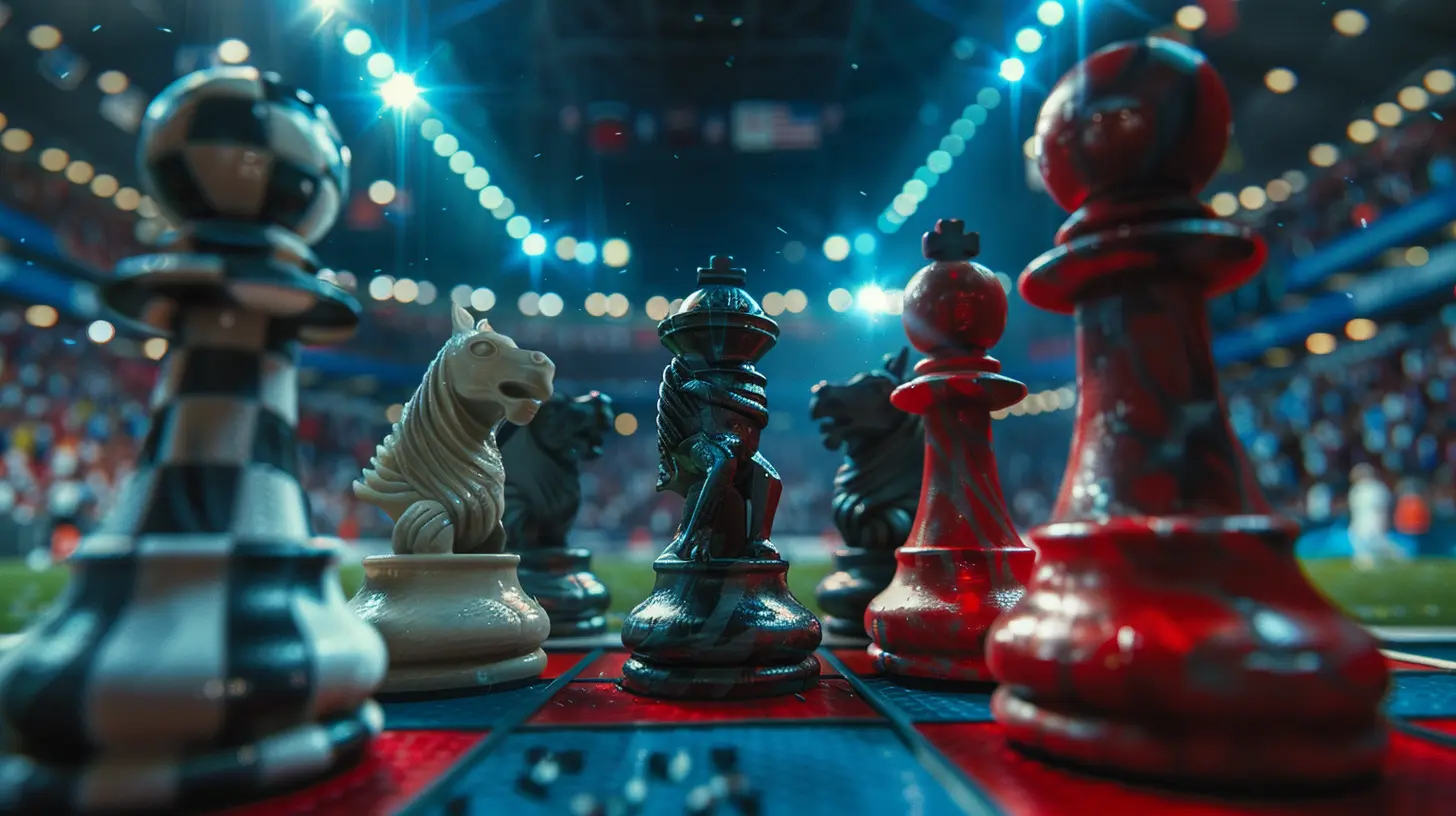
Here’s where things get spicy. Once the match begins, the best-laid plans often start to unravel. Maybe the opponent throws a curveball formation. Or maybe a key player on your own team picks up an injury. This is where a coach’s ability to adapt really shines.Let’s take a classic scenario: One team starts dominating possession early, suffocating the other team’s midfield. What does the opposing coach do? Sit back and hope for a change? Nope. They might drop an extra midfielder deep, build numbers centrally, or even switch to a three-back system to create more width in attack — just like sacrificing a pawn to open up the board.
And when fans talk about “momentum shifts,” it’s often these subtle tweaks by a coach that trigger the turn. A well-timed substitution, a shift in pressing intensity, or a sudden high line — these are the surprise tactics that flip the script.
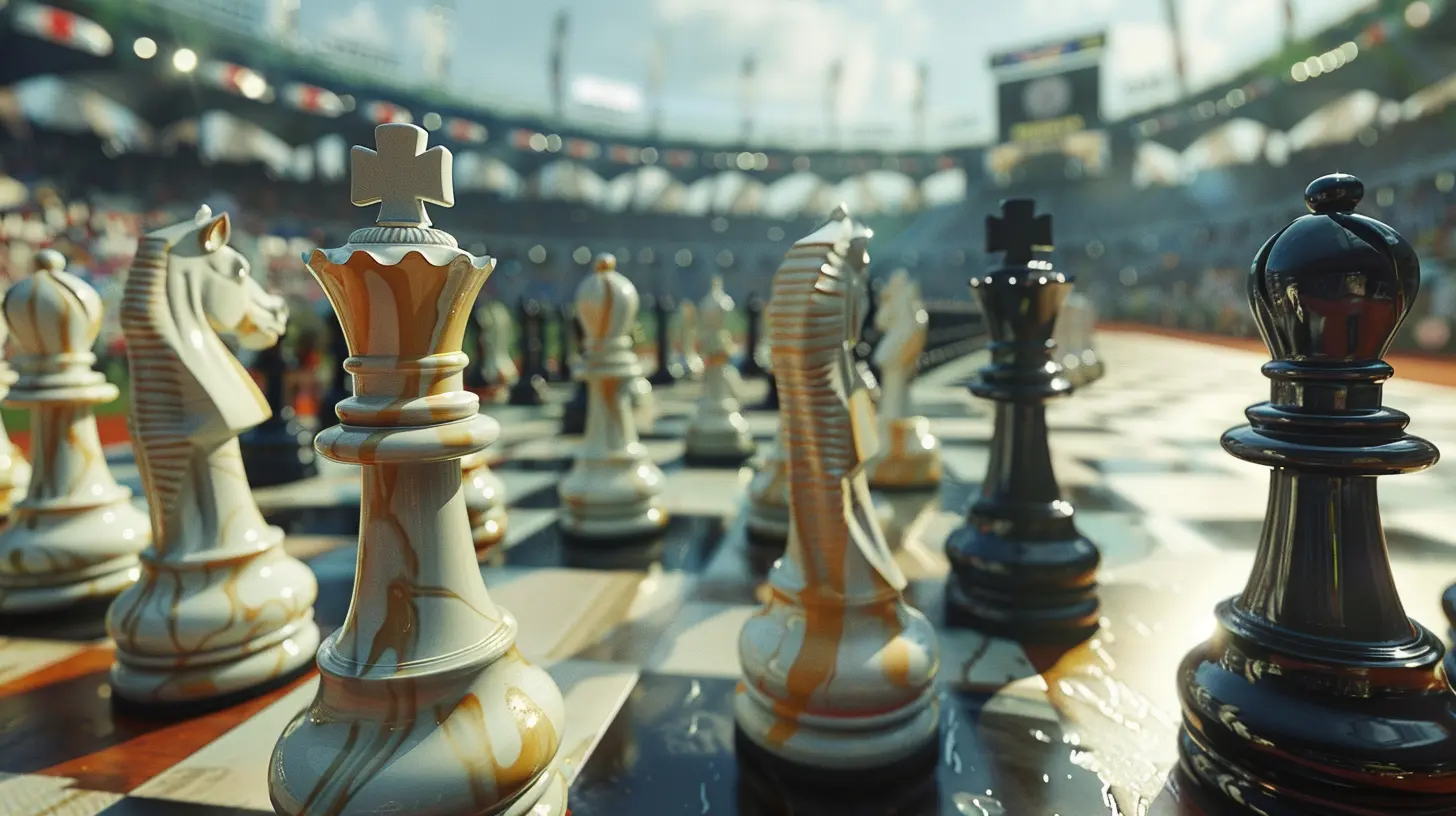
Mind Games: Psychological Warfare Before the First Kick
Tactics aren’t just X’s and O’s on a whiteboard. Coaches also deploy psychological tricks to gain an edge. Ever wonder why a coach might downplay expectations before a big game? Or throw a cheeky jab at their counterpart during a pre-match interview?That’s not just banter — it’s part of a calculated psychological play. Lowering pressure on their own team, raising eyebrows in the opponent’s camp, planting doubts… It’s all part of the chess match.
Some even use player selection as psychological strategy. Benching a star player might not be about fitness; it could be to catch the opponent off guard. Sneaky? Absolutely. But it works.
Formation Battles: How Systems Collide and Adapt
Formations are like chess openings — a 4-3-3 might be aggressive, while a 5-3-2 can be more defensive and reactive. But just like in chess, sticking to one plan can get you into trouble.One of the most fascinating parts of a coach-versus-coach battle is watching how formations morph throughout a game. For instance, a team may start with a traditional 4-2-3-1, only to transform into a fluid 3-4-3 mid-game. Why? Because the opposing coach has pushed their full-backs high, and now there’s space to exploit behind.
Remember that iconic match where Pep Guardiola’s City took on Jürgen Klopp’s Liverpool? That wasn’t just a football match — it was a strategic duel of styles. High pressing met measured possession. It was a real-time chessboard where each coach moved pieces, counter-moved, and forced responses.
Substitutions: The Hidden Power Plays
We often overlook the importance of substitutions, but in tactical warfare, this is where coaches show their hand. Are they throwing on a striker to go all-out attack? Or bringing in a holding midfielder to shut up shop?Late-game changes can win or lose matches. A savvy coach knows not just who to bring on, but precisely when. Too early, and you give the opponent time to adjust. Too late, and you miss the moment.
Substitutions are like bringing in a queen or knight at the perfect time — a show of power and intention that can rattle nerves or shift momentum instantly.
Touchline Communication: More Than Just Gestures
Ever seen a coach waving like they’re trying to land a plane? That’s not for show. Those frantic signals are micro-adjustments. Perhaps the press line is too low, or the attackers need to switch sides. Sometimes, even a subtle hand gesture can remind a player to stay disciplined or press tighter.These invisible threads of communication are like sending coded messages during a chess match. Everyone’s watching, but only the players know what it means.
Halftime: The Tactical Reset Button
Halftime is the golden 15-minute window where coaches become surgeons. They dissect the first half, identify what’s working and what’s not, and either double down or flip the script entirely.A halftime speech might include tactical tweaks — switching flanks, changing buildup patterns, or demanding a higher tempo. But it could be just as much about attitude. “You’re losing the midfield” can transform into a rousing “Let’s dominate the middle third and control this game.”
Many legendary comebacks were born out of a brilliant halftime talk that reset the mental and tactical approach. That’s no accident — it’s master-level coaching.
Anticipation and Reading the Opponent
The best coaches don’t just react — they anticipate. Like elite chess players who know the next few moves, top-tier coaches can see the patterns forming and react before the storm hits.If the opposing coach moves to shore up the left flank, a good tactician already knows to switch the overload to the right. This cat-and-mouse game is constantly evolving. Who blinks first? Who makes the first bold move? Who gambles and who plays safe?
It’s thrilling to watch, especially when both coaches are at the top of their game and the match hangs in the balance.
Tactical Masterclasses That Made History
Let’s not forget the classics that showed us exactly how a coach’s mind can outshine even the brightest star players.- Zinedine Zidane’s tactical flexibility during Real Madrid’s Champions League three-peat? Textbook game management.
- Jose Mourinho’s “parking the bus” strategy against Barcelona? Controversial, but executed with precision.
- Didier Deschamps’ counter-attack blueprint with France in 2018? That was a roadmap written in tactical gold.
These matches weren’t just won on the pitch. They were won in the minds of the coaches before and during the 90 minutes.
It's Not Just About Winning — It's About Outsmarting
Here's the thing: not all victories are equal. There’s something deeply satisfying — almost poetic — when a coach outsmarts their rival, not just through talent but through pure tactical wit.Kind of like winning a chess match with a checkmate that leaves your opponent shaking their head and saying, “Well played.”
That’s the magic of coaching. It’s subtle. It’s cerebral. And it turns every major match into a masterclass of strategic thinking.
Final Thoughts: Respect the Game Behind the Game
So next time you’re glued to a big game, don’t just watch the ball. Watch the sidelines. Notice when a full-back suddenly switches sides, or when a team starts pressing higher. Ask yourself — what’s the coach trying to change?Because beneath the surface of every intense match is a chessboard. And at either end, two master tacticians are quietly battling, move for move, to tilt the odds in their favor.
It’s brain versus brain, move versus counter-move, and often, it’s that invisible war that decides the outcome more than any last-minute goal ever could.
all images in this post were generated using AI tools
Category:
Post Match AnalysisAuthor:

Frankie Bailey
Discussion
rate this article
2 comments
Renata Ross
What a fascinating analysis of the strategic brilliance displayed on the field! It’s incredible how coaches can turn the game into a tactical chess match. Their ability to adapt and outthink each other truly elevates the sport and inspires players and fans alike.
February 28, 2026 at 5:40 AM
Frankie Bailey
Thank you! It's amazing how strategy shapes the game and highlights the coaches' creativity. Glad you enjoyed it!
Aiden Gomez
This article brilliantly captures the intricate battle of wits between the coaches, highlighting how their strategic choices shaped the game. It emphasizes that, often, the true contest lies off the field.
January 14, 2026 at 5:17 AM
Frankie Bailey
Thank you! I'm glad you enjoyed the analysis of the coaches' strategies and the deeper dynamics at play.