The Importance of Sportsmanship in High School Competitions
29 June 2026
Let’s be real for a second—high school sports are intense. Between game-winning goals, buzzer-beaters, and underdog upsets, the highs and lows come fast and hard. But beyond the glory and the rivalry, there’s something bigger at play: sportsmanship.
Now, you’ve probably heard your coach, parents, or principal harp on about being a "good sport." It might even sound like a cliché. But here's the thing—sportsmanship isn’t just about shaking hands after a game. It’s the fuel that keeps the whole high school sports engine running smoothly. Without it, things fall apart—fast.
So, let's dive into why sportsmanship in high school competitions isn't just “nice to have,” but absolutely essential.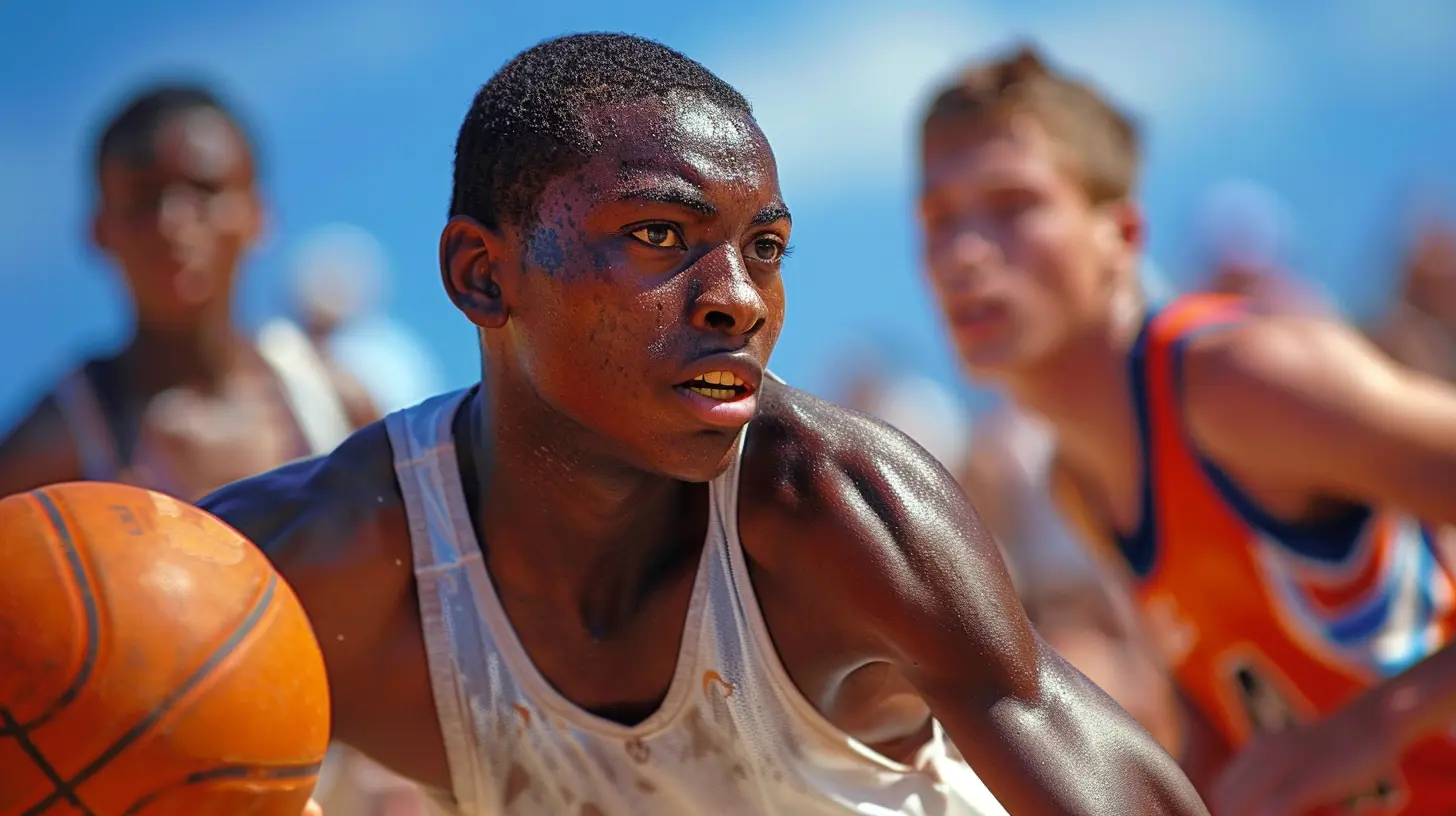
What Exactly Is Sportsmanship, Anyway?
Before we jump ahead, let’s clear the air.Sportsmanship is the act of playing fair, showing respect to opponents, accepting wins or losses with grace, and putting the spirit of the game above the scoreboard.
It’s not about being soft. It’s about being strong enough to treat others the right way—even when emotions are running high. Think of it like being a good friend, even in a heated argument. It doesn't mean you back down, but you don’t cross the line, either.
Whether you're playing varsity football or JV tennis, the same golden rule applies: play hard, play fair, and show respect.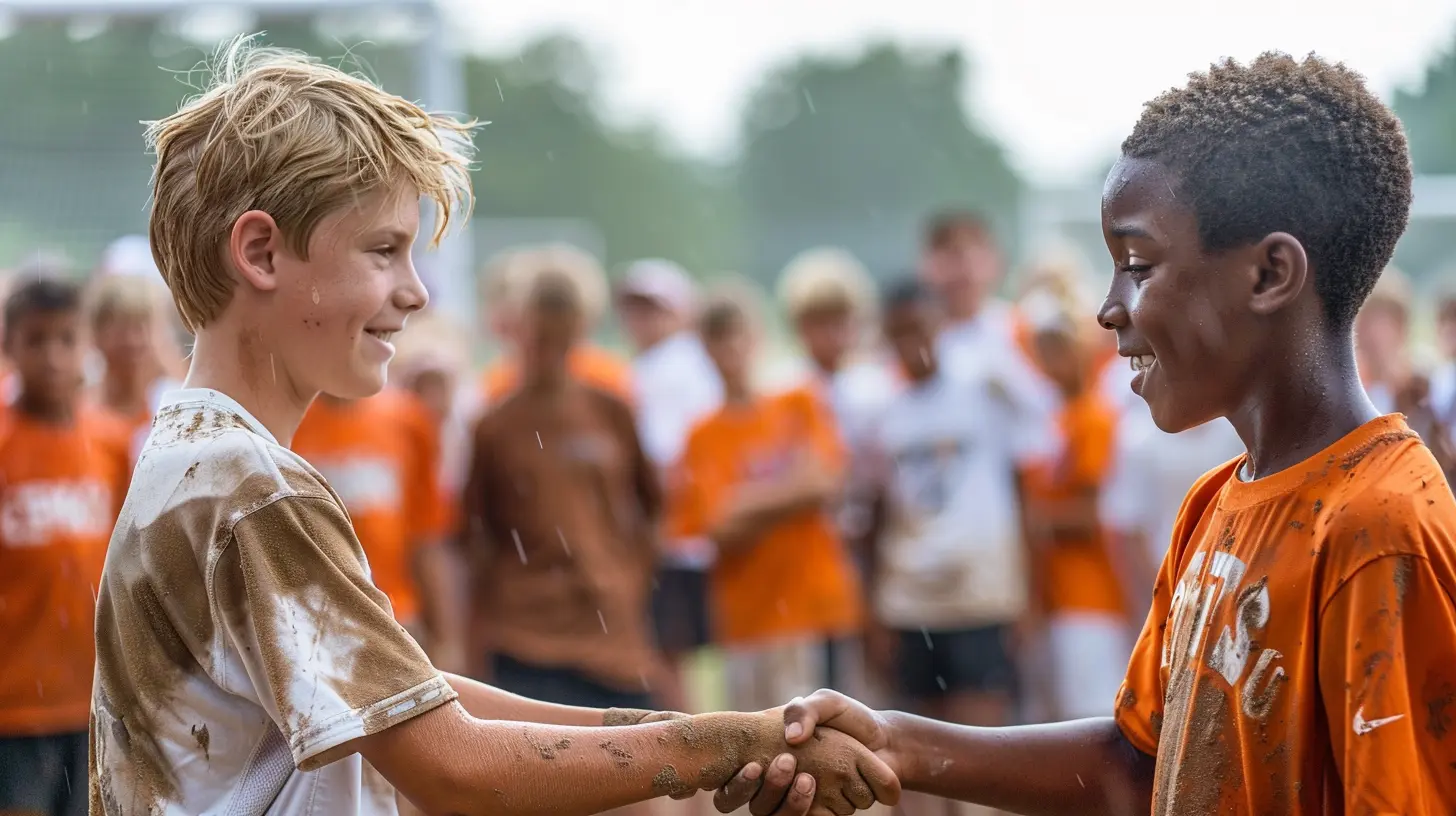
Why Sportsmanship Matters More in High School
High school is a pretty defining period in life. You're learning who you are, who you want to be, and how to navigate the complexities of relationships, responsibility, and yes, competition.1. Building Character That Lasts a Lifetime
Let’s start with the big picture. When you're 16 and sinking a three-pointer to win the game, it feels like everything. But fast-forward 10 years, and you’ll barely remember the score. What sticks? The way you acted. The way you treated your teammates, opponents, and the refs.Sportsmanship builds character. And guess what? That character doesn’t hang up its jersey after senior year. It follows you into college, the workplace, relationships—you name it. Being respectful, honest, and humble pays off in all areas of life.
2. Setting the Standard for Others
Whether you like it or not, athletes in high school are role models. Freshmen watch how seniors behave. Younger siblings imitate older ones. And fans? They’re watching, too.Good sportsmanship sets the tone for others. A captain who helps up a fallen opponent shows way more strength than someone who trash-talks after every play. You never know who's watching—and who you're inspiring.
3. Keeping the Game Fun
Let’s not forget the whole reason sports exist—to have fun. Trash talk, dirty plays, and tantrums might hype up the moment, but they suck the fun right out of the game in the long run.When everyone's respectful and playing with heart, games stay enjoyable—even the competitive ones. And isn't that the whole point?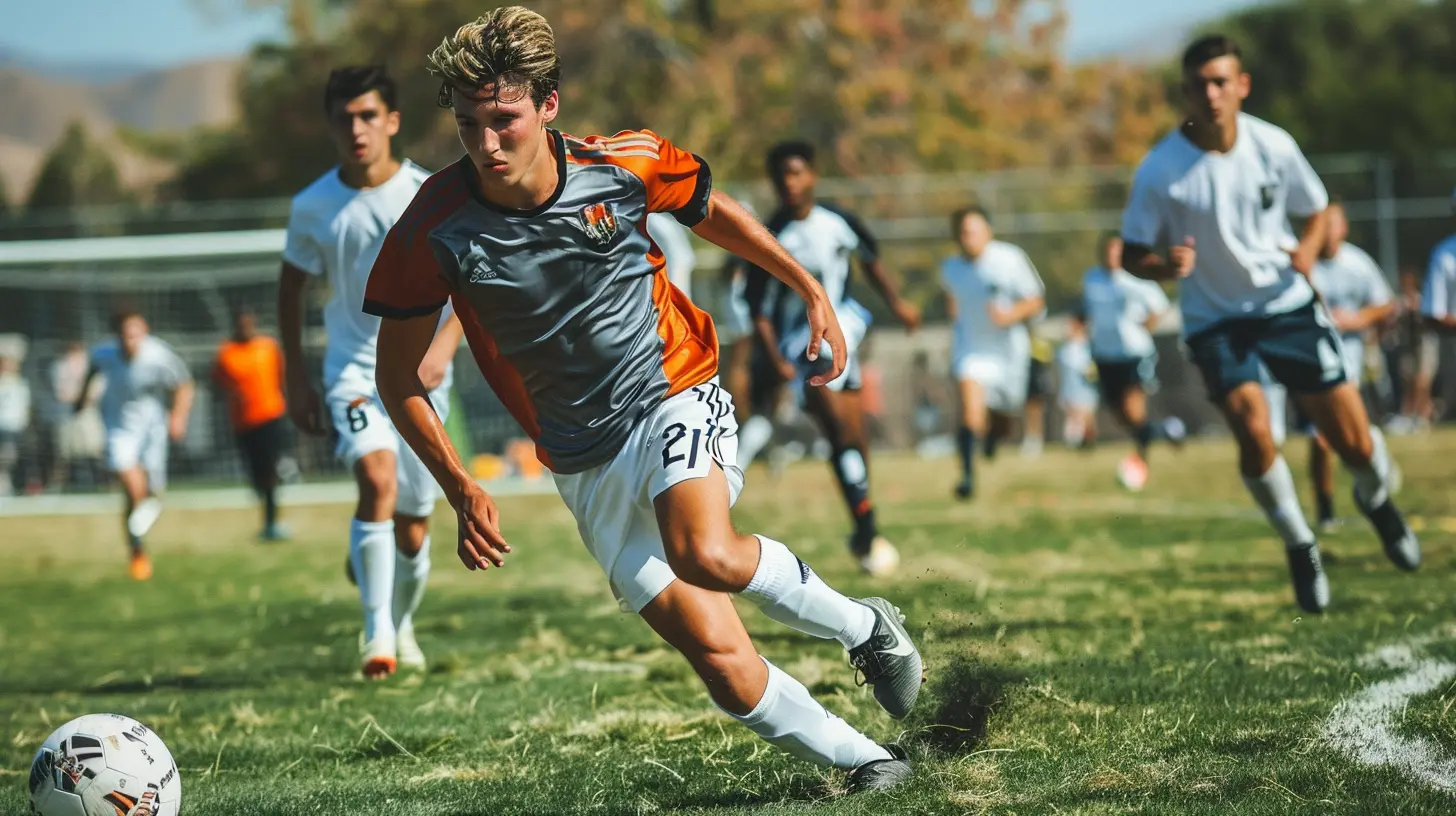
Common Challenges to Sportsmanship in High School
Alright, so sportsmanship sounds great on paper. But let’s talk real-world. There are plenty of moments when being a good sport feels downright impossible. Let’s unpack a few of the most common challenges.1. The Heat of the Moment
You’re down by one. Ten seconds left. The ref makes a questionable call. Your adrenaline spikes and emotions take over. Sound familiar?It’s in these heated moments that sportsmanship is truly tested. Anyone can be respectful when they’re winning. A real athlete shows sportsmanship even when things don’t go their way.
2. Peer Pressure
Sometimes, the crowd wants blood. Teammates might egg you on to trash talk or “get even” after a hard foul. Peer pressure is real, and resisting it takes guts.But here's a truth bomb: choosing respect over revenge isn’t weak—it's powerful. And it often wins more admiration than a perfectly-timed dunk.
3. Win-at-All-Costs Culture
This one's big. In some schools, winning is everything. Coaches push harder, expectations run high, and sportsmanship can feel like a second thought.But here’s the thing—winning without integrity is an empty trophy. When schools prioritize respect and fairness alongside victory, everybody wins.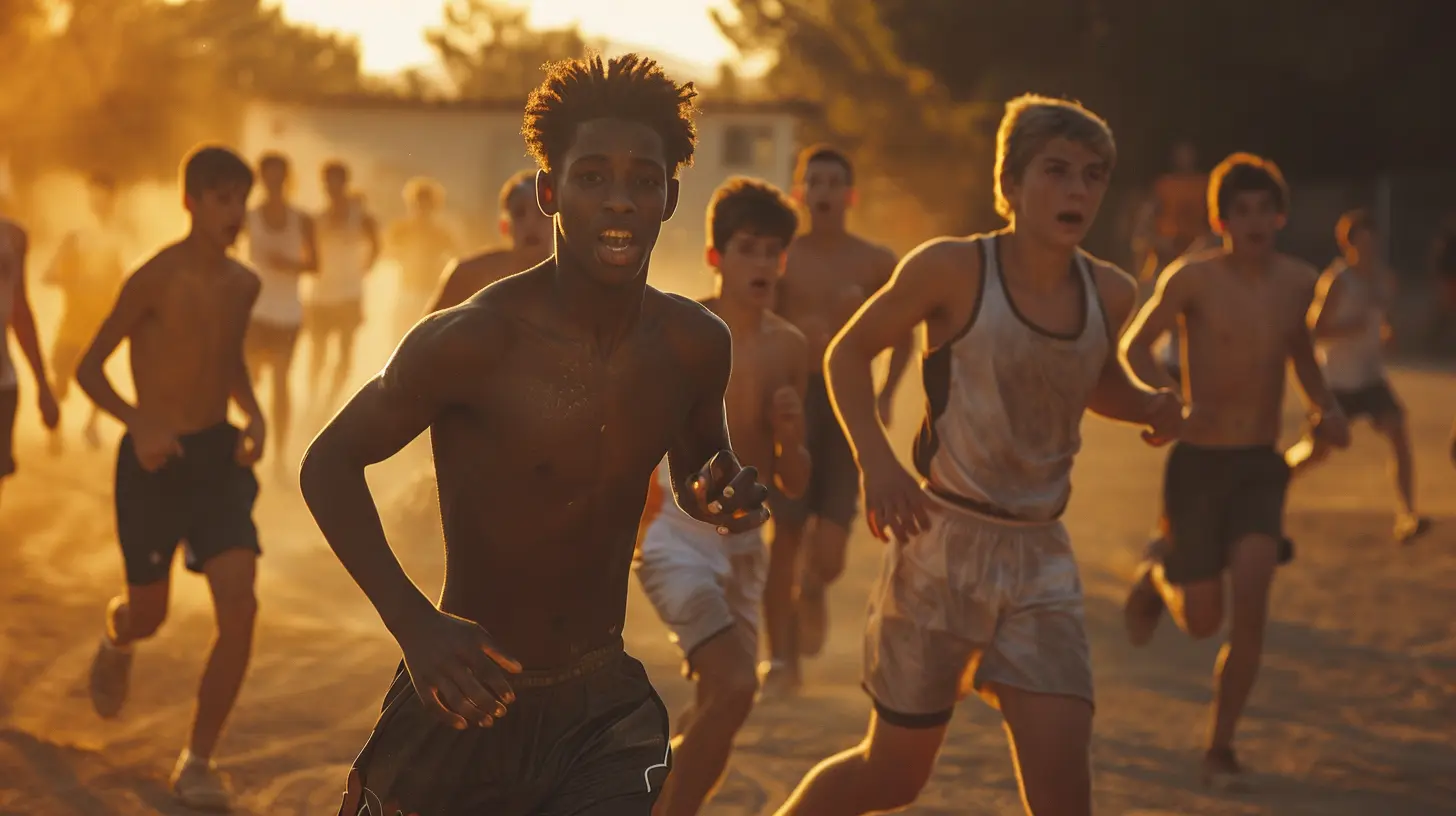
How Coaches and Parents Influence Sportsmanship
You didn’t think athletes learn sportsmanship on their own, did you? Nope. It’s a team effort—literally and figuratively.Coaches: The Tone-Setters
Coaches are the frontline leaders. When they emphasize fair play over dirty tricks, and character over raw talent, it resonates. Good coaches make it clear from day one: sportsmanship isn’t optional—it’s part of being on the team.They call out bad behavior, model calm in the chaos, and reward humility along with hustle.
Parents: The Sideline Example
Parents, don’t think you’re off the hook. The way you cheer, handle losses, and respect officials speaks volumes. Kids notice when dad yells at a ref or when mom claps for the other team’s good play.Positive parental behavior reinforces sportsmanship just as much as any team huddle.
Real-Life Examples of Sportsmanship That Inspired Us
Sometimes, a single act of sportsmanship goes viral—and for good reason. These moments remind us that the heart of sports isn’t in the winning, but in how we win (or lose).The Softball Carry
In a high school softball game, a player hit her first home run but injured her leg rounding first base. Without hesitation, two opponents carried her around the bases so her run would count. Let that sink in—opponents sacrificed their chance at winning to do the right thing.Now that is sportsmanship.
The Apology Before the Podium
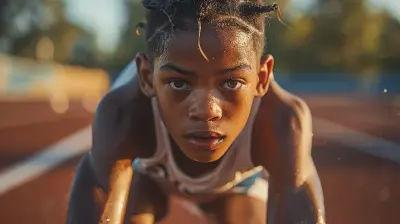
At a track meet, a runner accidentally bumped a competitor during a sprint. After winning the race, the first thing he did wasn’t celebrate—it was finding the other runner to apologize.He knew his lightning pace didn’t excuse unintentional harm. That moment meant more than the medal.
The Ripple Effect of Good Sportsmanship
What happens when sportsmanship is more than just a one-time act? It creates a ripple effect. One act of respect can shift a team’s attitude, change a school’s culture, and even inspire a whole community.In the Locker Room
Teammates who respect each other off the field tend to play better on it. They communicate better, trust deeper, and support each other through rough patches.In the Stands
Fans mirror athletes. If players are composed and respectful, fans usually follow suit. That means a better experience for everyone—from students to visiting teams to the concession stand workers.In Rivalries
High school rivalries can get fierce. But when both sides commit to sportsmanship, even the most intense matchups stay classy. It’s okay to want to beat your rival—but not by breaking the spirit of the game.Teaching Sportsmanship in Practice and Beyond
So, how do we make sportsmanship stick? It’s not enough to talk about it during pep talks or hang motivational posters. It needs to be woven into the everyday culture of high school sports.1. Make It a Team Value
Teams should define what sportsmanship looks like for them. Come up with a code of conduct, hold each other accountable, and celebrate acts of respect just as much as stats.2. Practice It, Literally
In practice scenarios, simulate high-emotion situations—bad calls, tough losses, chippy plays—and coach players on the right responses. Make it muscle memory.3. Celebrate It
Don’t just give MVP awards. Recognize players who lead with integrity. A “Sportsmanship Award” isn’t just for the kid who doesn’t get much playtime. It’s for the leaders who elevate the game for everyone.Sportsmanship Off the Field: Life Lessons That Stick
When the final whistle blows, and high school ends, most athletes don’t go pro. But sportsmanship? That skill sticks around.In the Workplace
You’ll find that teamwork, respect, and humility are key to being a great employee or leader. No one wants to work with someone who throws tantrums after a failed project.In Relationships
Learning to win with grace and lose with dignity makes you a better partner, friend, and community member. It's the emotional intelligence that turns players into well-rounded people.Final Whistle: Why It Truly Matters
In the grand arena of high school sports, it’s easy to get caught up in rankings, MVPs, and highlight reels. But here’s what really matters: the kind of person the game shapes you into.Anyone can celebrate after a win. But it takes real strength to lift your opponent, to say “good game” and mean it, to rise above the trash talk and play with heart.
Sportsmanship doesn’t subtract from competitiveness—it elevates it. It’s not about being soft. It’s about being solid in your values, no matter the score.
So, the next time you lace up, take the field, or step on the court, remember this: Your attitude is just as important as your athletic ability.
Be the athlete who plays hard, respects harder, and leads by example.
Because at the end of the day, how you play always matters more than whether you win.
all images in this post were generated using AI tools
Category:
High School SportsAuthor:

Frankie Bailey
Discussion
rate this article
1 comments
Felix McGarvey
This article highlights a vital aspect of sports that's often overlooked. Emphasizing sportsmanship not only shapes better athletes but also promotes respect and camaraderie among students, creating a positive environment for all involved. Great read!
July 7, 2026 at 2:56 AM
Frankie Bailey
Thank you for your thoughtful comment. I'm glad you found the article resonates with the importance of sportsmanship in creating a positive atmosphere in sports.