Cycling in Cold Weather: How to Stay Warm and Safe
18 February 2026
Let’s face it — cycling in cold weather isn’t for the faint of heart. When the temperature drops and the winds start howling, many cyclists hang up their helmets until spring. But guess what? You don’t have to be one of them.
Riding your bike through winter can be not only totally doable, but surprisingly enjoyable — like sipping hot cocoa wrapped in a cozy blanket, just with more pedaling and a lot more adventure. With the right mindset, gear, and safety strategies, you can keep going strong all year long.
In this guide, we’ll break down how to stay warm and safe while cycling in cold weather. Not just surviving the chill, but thriving in it.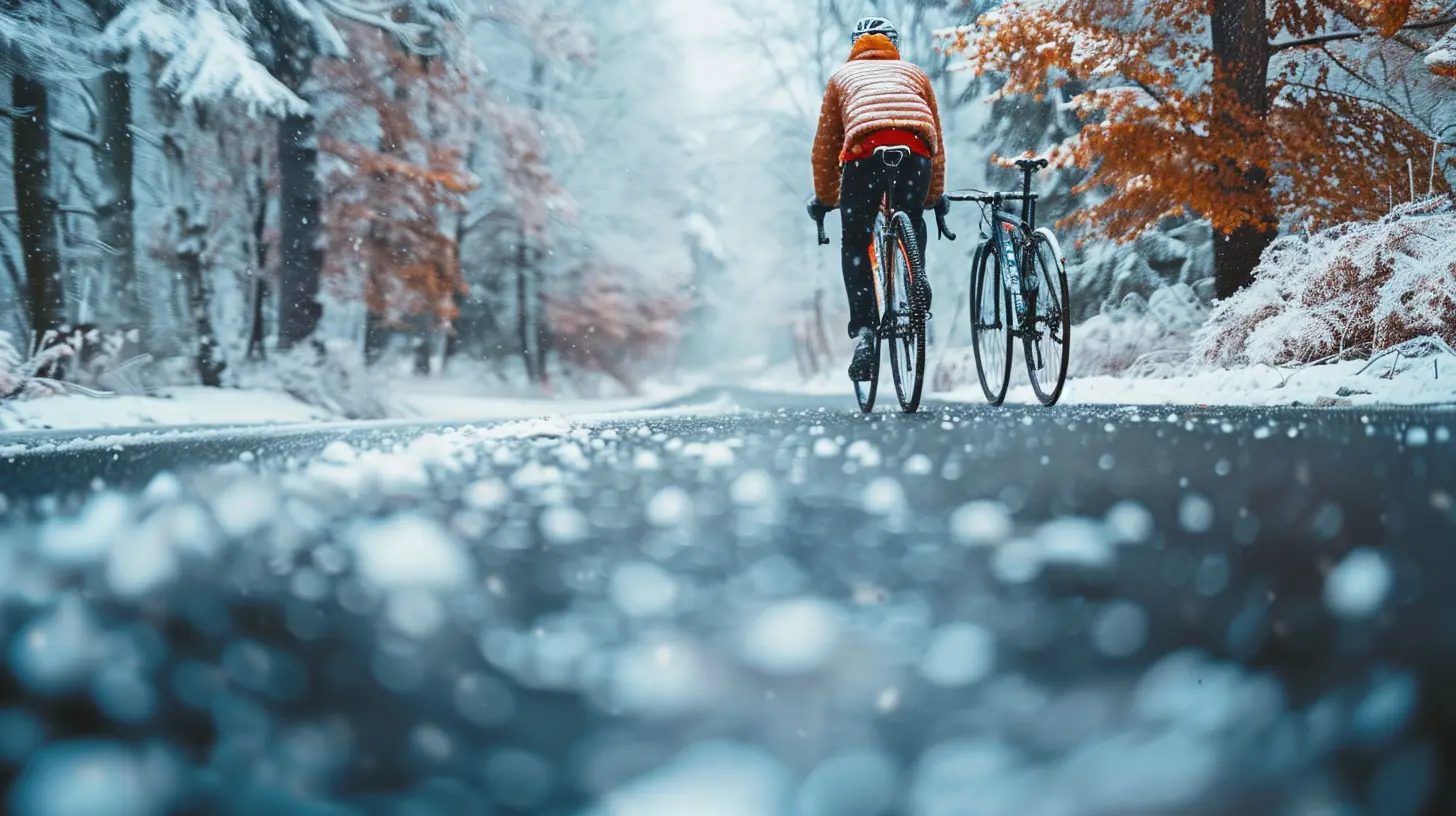
Why Ride in the Cold? Yeah, Why Not?
Before we dive into the how, let’s talk about the why.For starters, cold-weather cycling keeps your fitness game strong. No fitness plateau, no winter weight gain — just consistent movement and endorphin highs (yes, even when your nostrils are freezing).
But it’s more than just fitness. There’s a special kind of peace that comes with winter rides. Empty bike paths, crisp air, and that satisfying crunch of frost under your tires — it’s like having the road all to yourself.
Plus, pushing through tough conditions builds serious mental strength. If you can ride when it’s 25°F and windy, you can handle anything life throws at you.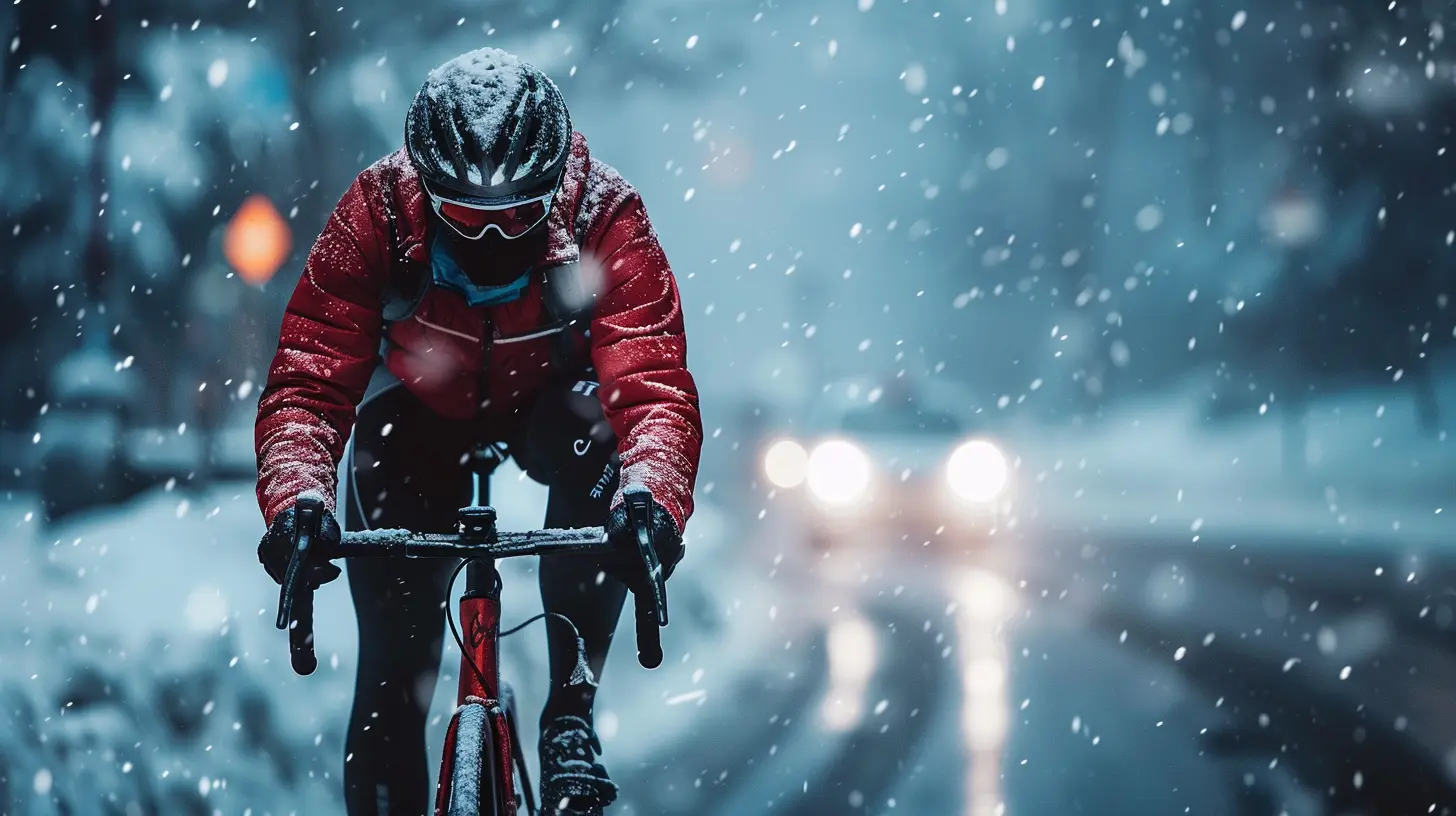
Layer Like a Legend: Dressing for Winter Rides
Let’s talk gear — because staying warm isn’t about piling on your thickest hoodie. It’s a science. Think of your clothing like a team: each layer plays a role.Base Layer: Your Second Skin
This one's your moisture manager. A good base layer wicks sweat away from your skin, keeping you dry (and dryness = warmth). Look for merino wool or technical synthetics — cotton is a no-go!Mid Layer: The Insulator
This is where things get cozy. A fleece jersey, an insulated cycling jacket, or even a vest can trap warmth close to your body. If you feel like a burrito, you’re doing it right.Outer Layer: The Wind and Water Shield
The final boss — your windproof and waterproof outer shell. This jacket defends against rain, sleet, and biting wind. Make sure it’s breathable, or you’ll feel like a sweaty sauna on wheels.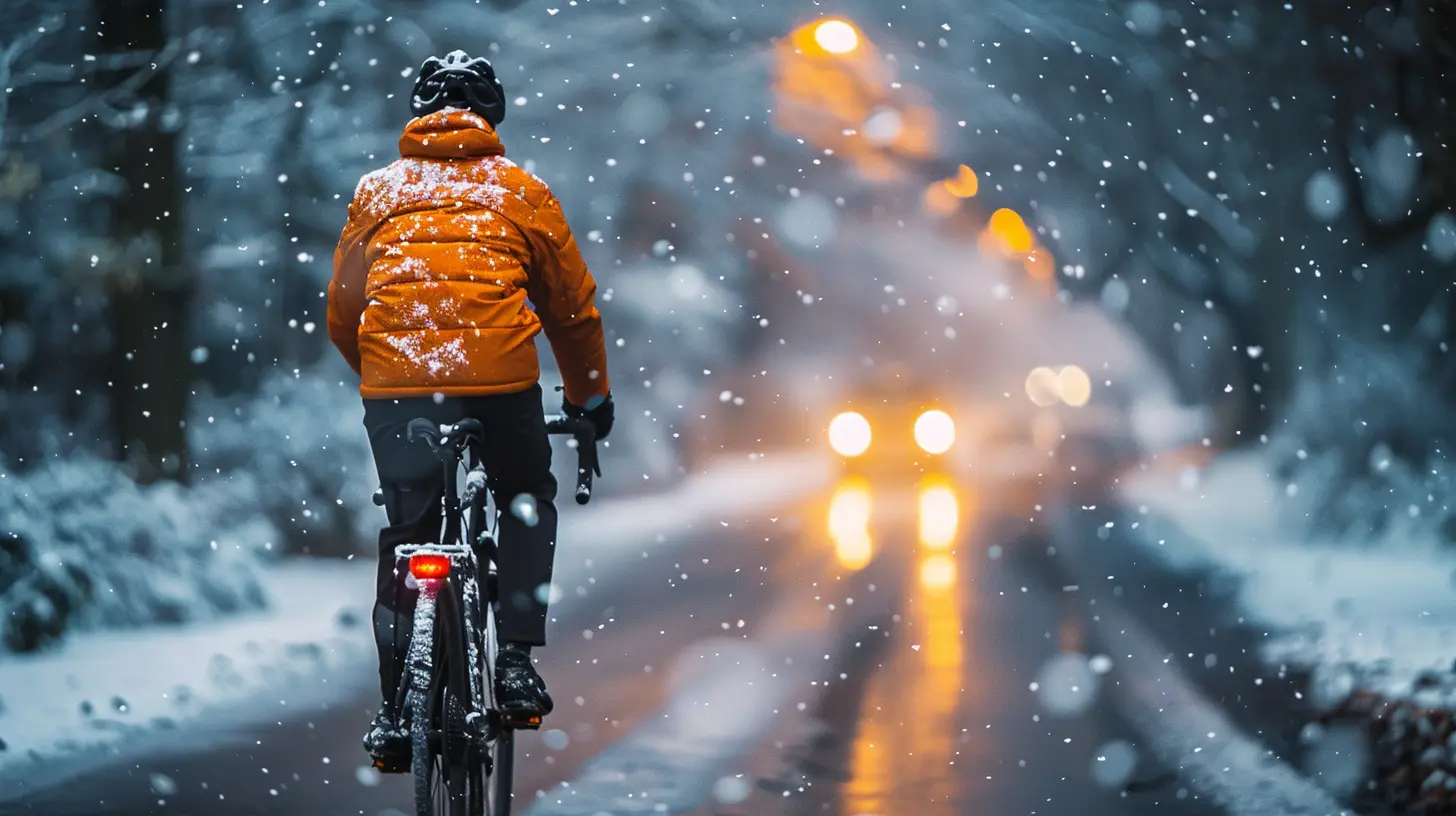
Hands, Feet, and Head: Don’t Forget the Extremities
Ever heard the phrase, "cold hands, warm heart"? Yeah, that’s cute and all, but cold hands can ruin a ride real fast.Gloves
Invest in good winter cycling gloves. Not just thick mittens — gloves designed for gripping your handlebars, shifting gears, and braking safely.Pro tip: If it’s brutally cold, glove liners underneath heavy-duty gloves can be a game-changer.
Feet
Cold feet? Game over. Use thermal socks (merino wool is gold), and don’t be afraid to size up your cycling shoes to make room for warm socks or even heated insoles. Shoe covers also keep cold air and wetness at bay.Head and Face
Heat escapes your body like passengers leaving a just-landed plane, and most of it goes out your noggin. Use a thermal skullcap under your helmet and consider a neck gaiter or balaclava for full ninja coverage.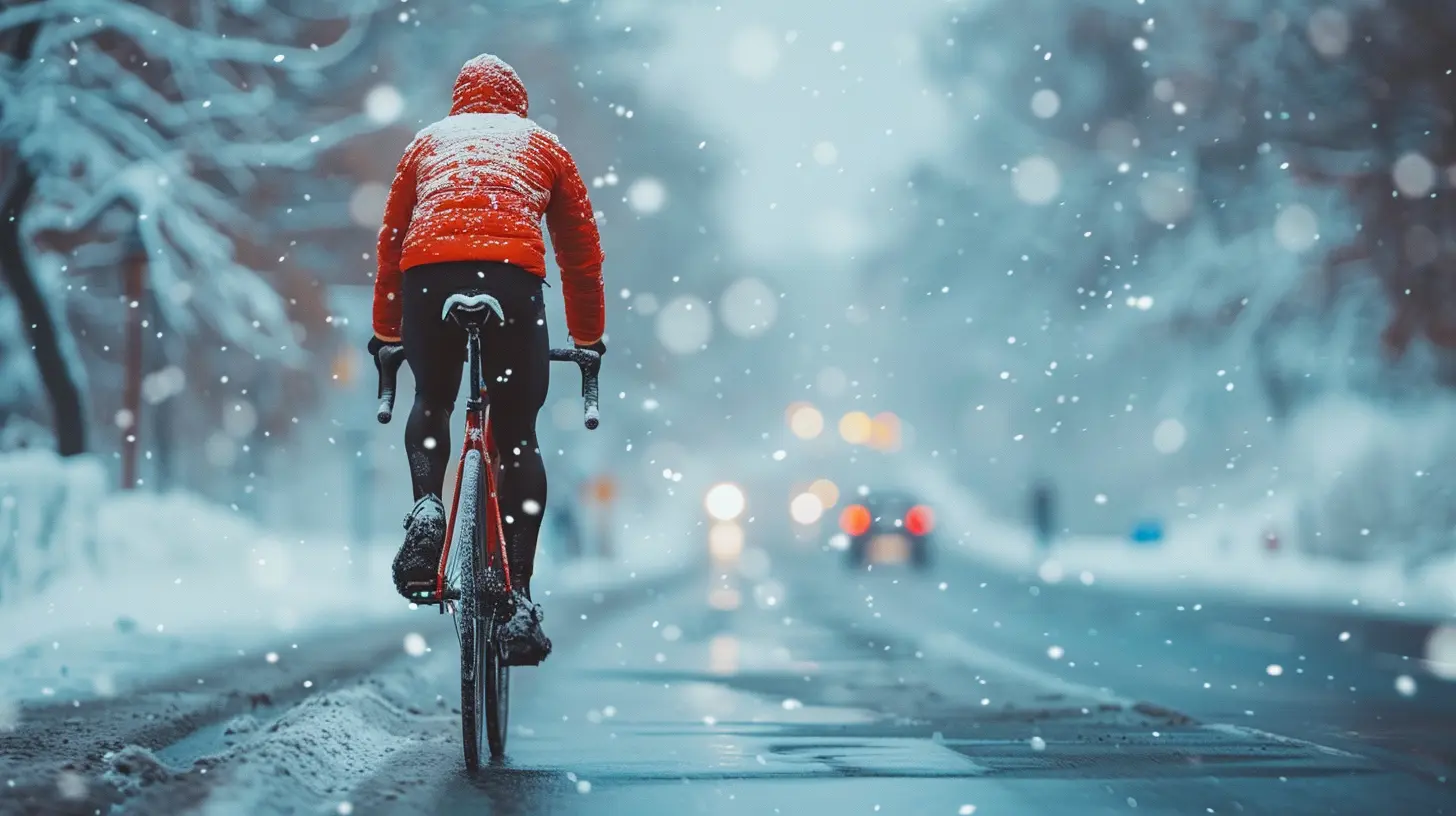
Stay Seen: Visibility is Vital
Shorter days. Gloomy skies. Fog. Snow. Winter light is not your friend, but you can outshine the darkness.Lights
Front and rear bike lights aren’t optional — they’re life-saving essentials. Go for high-lumen, rechargeable LED lights. Run them even during the day.Reflective Gear
Think of yourself as a moving traffic sign. Add reflective strips to your clothing, bike frame, and helmet. Let motorists know you’re on the road.Bike Setup: Winter-Ready Wheels
Your bike needs a little TLC before it's ready for the winter stage. It doesn’t need to be fancy, just functional.Tires
Swap your slick summer tires for wider, treaded ones. More rubber on the road = better grip on snowy or icy surfaces. Some riders even go for studded tires — like snow tires for your bike.Fenders
No one enjoys a cold stripe of slush up their back. Fenders block rain, snow, and grime from spraying you — and others behind you.Maintenance
Salt, mud, and moisture can wreck your drivetrain. Give your bike some love:- Clean it often.
- Lube your chain with a wet-weather chain lube.
- Check your brake pads (wet conditions wear them down fast).
- Consider a “winter beater” bike if you ride a premium road machine — it’ll save your favorite wheels from the winter abuse.
Fuel Up: Nutrition and Hydration Matter (Even in the Cold!)
You may not feel as thirsty in cold weather, but hydration is still key. Cold, dry air dehydrates you faster than you think.Drink Water
Insulated bottles or hydration packs can prevent your drinks from freezing. Pro tip: Start your ride with warm water or electrolyte drinks.Eat Smart
Cold weather burns more calories — your body is working overtime to stay warm. Pack energy gels, bars, or snacks that won’t freeze solid. Think peanut butter sandwiches, bananas, or trail mix.Pre-Ride Prep: Warm-Up Before You Roll
Don’t just hop on and ride. Give your body a heads-up that you’re about to get moving.Do a few dynamic stretches indoors — leg swings, arm circles, light squats — just enough to get the blood flowing. It makes a huge difference when you hit that cold air.
Also, check the weather and plan your route. Cold + wind + getting lost = a recipe for misery.
On the Ride: Keep It Moving
Once you're out there, movement is your best friend. If you stop, your body cools off quickly — kind of like a campfire burning out when the wood’s all gone.Pace yourself, but avoid long stops (especially in high winds or wet conditions). Consider shorter loops or routes that keep you close to home in case the weather takes a turn.
After the Ride: Warm Down Properly
Once you’re done, get out of your damp clothes stat. Change into warm, dry layers and sip something hot. Stretching helps too — trust me, your legs will thank you tomorrow.Give your bike a quick clean if it’s covered in salt, sand, or sludge. Even a quick wipe-down keeps your components happier.
Listen to Your Body: Safety Over Struggle
Let’s be real: Not every day is a riding day. If there’s black ice, freezing rain, or sub-zero temps with wind chill, it’s OK to opt for indoor training or rest.Your safety matters more than bragging rights. Being stubborn doesn't make you a stronger cyclist — being smart does.
Mental Game: Beat the Winter Blues
Sometimes the biggest battle isn’t with the cold — it’s in your head. Dark mornings and chilly temps can zap your motivation. So how do you fight back?- Ride with a buddy — shared misery is half the misery, right?
- Set small goals — like 2 rides per week or a mileage target.
- Treat yourself — new gear, a warm coffee shop stop, or a Netflix binge after your ride.
- Track your progress — nothing beats seeing your winter mileage stacking up while others are hibernating.
Wrapping It Up: You’ve Got This, Winter Warrior
At first, cycling in cold weather feels like gearing up for battle. But once you get the hang of it — the gear, the rhythm, the ritual — it becomes something empowering.You stop seeing the cold as an obstacle and start seeing it as a challenge you rise to meet. And when spring finally rolls around? You’ll be fitter, tougher, and more unstoppable than ever.
So go ahead — suit up, roll out, and own those winter roads like the cold-chasing champ you are.
Frequently Asked Questions (FAQs)
Is it safe to ride in snow or icy conditions?
It can be, with the right tires and precautions. Avoid black ice and always ride slower. If it looks too dangerous, play it safe and skip the ride.What’s the best temperature limit for cycling?
That depends on your gear and comfort. Many cyclists ride safely in temps down to 20°F (-6°C) with proper protection. Below that? It’s personal preference and risk tolerance.How do I keep my water from freezing?
Use insulated bottles and fill them with warm liquids before your ride. Keep bottles in your jersey or jacket to use body heat to prevent freezing.Final Thoughts
Cold weather doesn’t have to mean cold feet (literally or figuratively). With the right attitude and preparation, you can keep riding strong, even when the mercury drops. So layer up, light up, and throw a little warmth into your winter cycling game. Because nothing feels quite as badass as conquering the cold on two wheels.all images in this post were generated using AI tools
Category:
CyclingAuthor:

Frankie Bailey
Discussion
rate this article
2 comments
Valeria McQuade
In winter's chill, let wheels spin bright, With layers wrapped, embrace the night. Pedal strong, through frosty air, Joy awaits, beyond compare.
April 2, 2026 at 12:19 PM
Frankie Bailey
Thank you for capturing the spirit of winter cycling! Staying warm and safe is key to enjoying those frosty rides.
Pamela Bailey
Cycling in cold weather presents unique challenges, but with proper layering and gear, riders can maintain comfort and safety. Key strategies include insulating clothing, visibility aids, and hydration to enhance performance and enjoyment.
February 21, 2026 at 12:50 PM
Frankie Bailey
Thank you for your insightful comment! Indeed, proper layering and gear are essential for a safe and enjoyable cold-weather cycling experience.