The Impact of 5G on the Future of Live Sports Broadcasting
31 May 2026
If you’re a sports fan like me, you probably know the frustration of a lagging stream, pixelated action during a key play, or the dreaded buffering symbol popping up just as your team is about to score. We've all been there — squinting at our screens, shouting at our devices, and praying for a stable signal.
But guess what? That painful experience might soon be a thing of the past. Thanks to the rise of 5G, the way we watch, experience, and connect with live sports is about to level up — big time. Whether you watch from your couch, your phone, or inside a packed stadium, 5G is set to shake up the game.
So, let’s break it down. What exactly is 5G, and how is it going to revolutionize sports broadcasting as we know it? Buckle up — we’ve got an exciting ride ahead.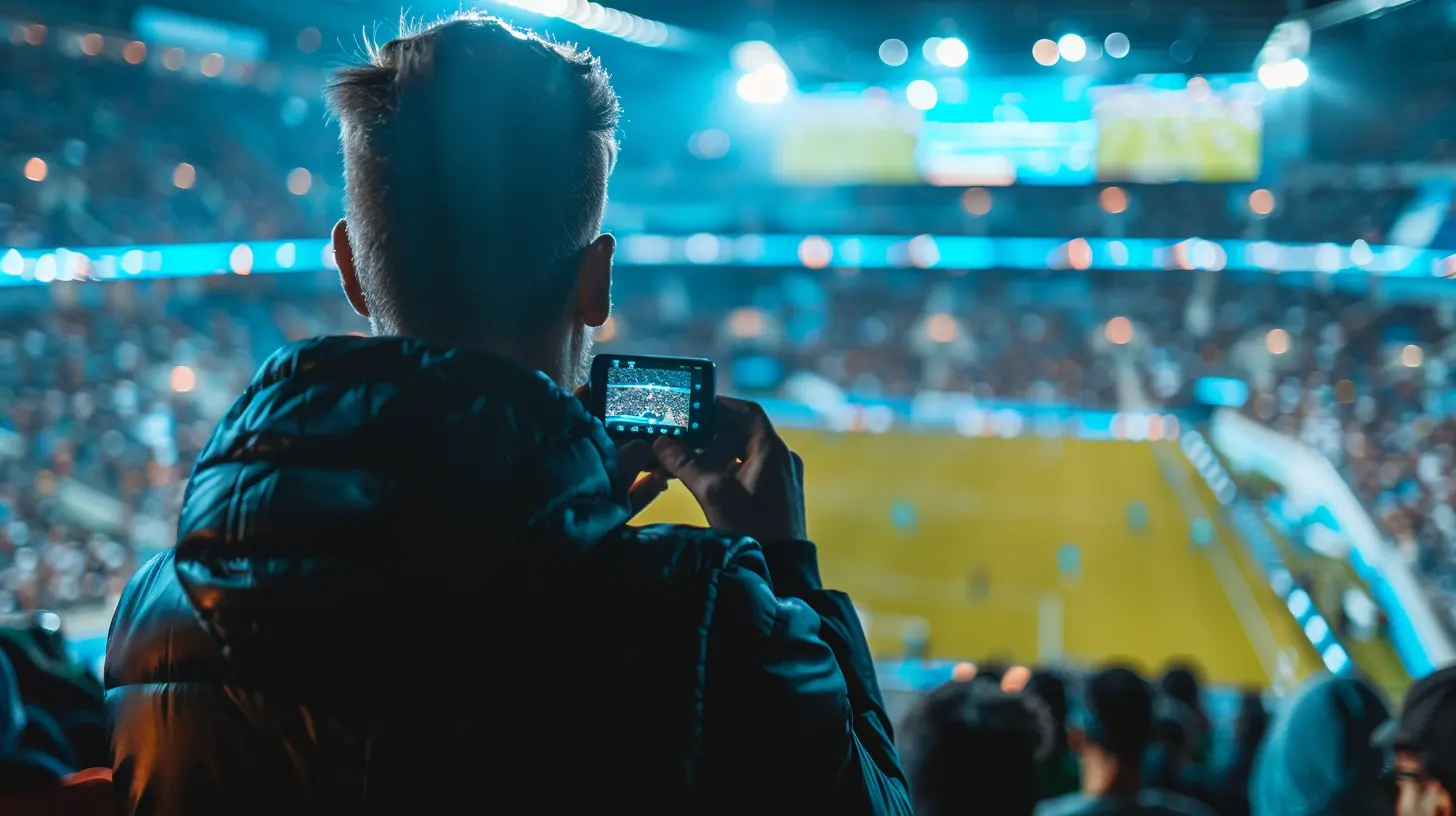
What Is 5G, Anyway?
Before we dive deep into the sports side of things, let’s get the basics out of the way. 5G stands for the fifth generation of wireless networks. It's faster. It's smarter. It's basically the VIP upgrade to your mobile internet that we didn’t know we needed — until now.We're talking speeds up to 100 times faster than 4G, ultra-low latency (that’s tech-talk for no lag), and the ability to connect a massive number of devices simultaneously. Think of it as the highway system for data, but instead of two-lane roads causing traffic jams, we’ve now got super-wide expressways that let everything flow smoothly, even during rush hour.
So, how does this futuristic network play into the world of live sports broadcasting?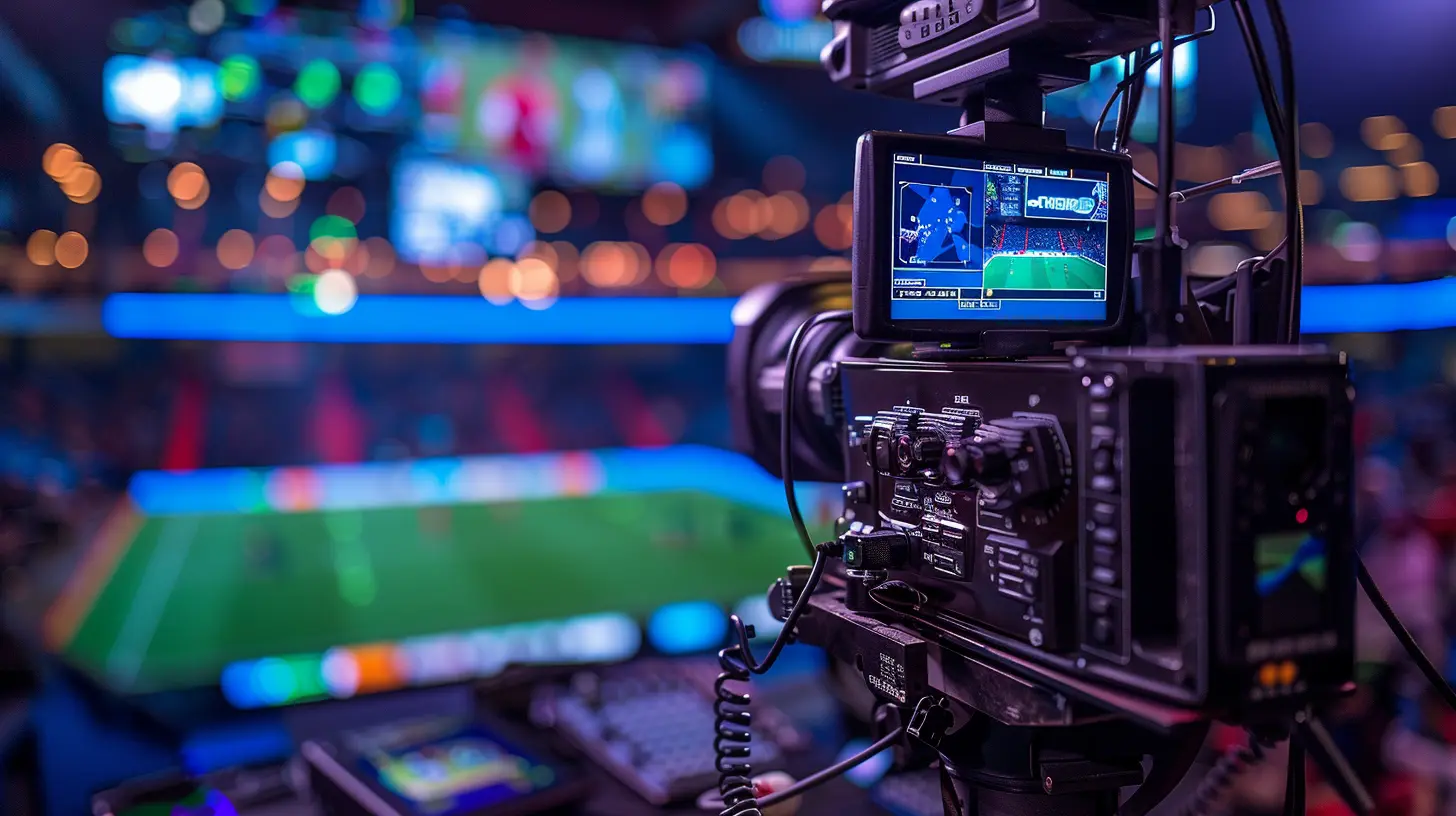
Real-Time, Zero-Lag Streaming
If you've ever screamed at your screen only to realize your neighbor cheered 10 seconds earlier because they have a better feed, you're not alone. Latency — the delay between a live event and what you see on your screen — has been the Achilles’ heel of digital sports streaming.Enter 5G.
With its ultra-low latency (we’re talking milliseconds), 5G allows broadcasters to transmit live feeds almost instantaneously. That means what you're watching at home is almost exactly what’s happening on the field — like, in real time. No more spoiler alerts from the next room or getting updates on Twitter before you’ve seen the play.
Imagine a Super Bowl where every fan — whether you're in the stadium, on your phone, or watching on a smart TV — sees the touchdown the moment it happens. That’s the power of 5G. It brings everyone onto the same page.
Enhanced At-Home Viewing Experiences
Watching sports from home is already convenient, but 5G is about to make it a whole lot more exciting. We’re talking next-level immersive experiences.Thanks to its speed and bandwidth, 5G allows for high-resolution 4K and even 8K video feeds with zero buffering. Throw in AR (augmented reality) and VR (virtual reality), and suddenly, you're not just watching the game — you're practically in the game.
Want to watch from the quarterback’s point of view? Done. How about rewinding and viewing a goal in 3D from multiple angles like Tony Stark analyzing a battle scene? Also done. 5G enables all of that.
Broadcasters can now offer multi-cam views, real-time stats overlays, and interactive timelines — all tailored to your personal preferences. With 5G, your living room could become a dynamic command center where you control how you experience your favorite sport.
Transforming Stadium Experiences
Let’s not forget about the fans inside the stadium. You’d think being there would be the best place to experience the game, right? But here’s a reality check: a packed stadium often means weak signals, slow internet, and no chance of uploading that epic touchdown video to your Instagram.That’s where 5G steps in.
By integrating 5G into stadiums, fans can enjoy high-speed connectivity even in the middle of a sold-out crowd. Imagine live replays, stats, and player bios available in an instant on your phone — all while you're screaming with 60,000 others. Or how about ordering food and drinks from your seat using an app that actually works? (Looking at you, current stadium Wi-Fi.)
5G can turn stadiums into smart arenas where everything — from parking to post-game highlights — is streamlined and enhanced. It’s immersive. It’s interactive. And it’s long overdue.
Empowering Broadcasters and Content Creators
It’s not just fans who are winning here — broadcasters and creators get a major boost too.5G allows for faster setups, mobile broadcasting, and real-time editing. That means more flexible camera placement, even in tight or previously inaccessible spots. Think body cams on players, drones hovering above the action, or sideline interviews uploaded instantly to social media without the truckload of gear.
For independent sports content creators, this technology levels the playing field. With just a smartphone and a 5G connection, they can produce high-quality, real-time content without needing a massive production crew.
Smaller leagues and local sports teams now have the chance to broadcast to a global audience — something that would’ve been a technical and financial nightmare just a few years ago.
Creating New Revenue Streams
Let’s talk money for a second. (We all know sports is a multi-billion-dollar business.)With 5G, new monetization opportunities pop up like mushrooms after rain. Interactive ads, real-time betting, premium 360° streams, personalized subscriptions — all of these become viable when you’ve got the infrastructure to support them.
Betting companies, broadcasters, advertisers, and merchandise sellers can all tap into real-time fan engagement powered by 5G. Imagine placing an in-game bet right from your AR glasses or buying your team’s jersey with one click during halftime — without missing a second of the action.
Bottom line: 5G isn’t just about improving the fan experience — it’s a game-changer for the entire sports economy.
Opening the Door for AI and Big Data
Ever thought about how much data is generated during a single game? From player stats to fan engagement metrics, there’s a lot going on behind the scenes.With 5G’s lightning-fast speeds and data handling capabilities, AI and machine learning tools can analyze that info in real time. This means smarter commentary, live predictive insights, and even AI-powered instant replays that highlight key moments the second they happen.
You’ll suddenly be getting insights the coaches are using — not three days later, but live, as the game unfolds.
The Rise of Personalized Sports Experiences
No two fans are the same, and with 5G, broadcasters can finally treat us that way.Instead of a “one-size-fits-all” approach, 5G allows for hyper-personalized content delivery. Want to follow just one player the whole game? You got it. Prefer commentary in your native language or want to mute it entirely? Done. Love behind-the-scenes clips and mic’d-up moments? Easy.
5G turns sports broadcasting into a choose-your-own-adventure game, giving you more control, more content, and more connection than ever before.
Challenges and Growing Pains
Let’s keep it real — 5G isn’t magic. There are still a few hurdles to clear.Rollout is still in progress worldwide, and not every fan has a 5G-capable device or network access just yet. Infrastructure upgrades, especially for older stadiums, take time and money.
Plus, managing all the data and devices in a crowded environment poses its own challenges. But the progress we've seen so far signals that these are growing pains, not roadblocks.
And if history has shown us anything, it’s that sports loves innovation — from instant replay to VAR to digital ticketing, we always find a way to adapt and improve.
So, What’s Next?
In short: the future of live sports broadcasting is closer than we think. With 5G’s full potential just beginning to be tapped, the next few years will be nothing short of revolutionary.From a fan standpoint, it’s like going from black-and-white TV to holograms — almost overnight. Whether you’re watching from your phone on the train, flipping between games on your smart TV, or cheering in the stadium itself, expect deeper engagement, richer content, and experiences that feel tailor-made for you.
So, next time your soccer stream lags mid-dribble, just remember — the 5G-powered future is almost here, and it’s about to blow your mind (and your data plan).
Final Thoughts
5G isn’t just another tech upgrade. For sports lovers, it’s a game-changer that’s about to reshape everything we thought we knew about live broadcasting. From immersive viewing at home to data-driven storytelling, smart stadiums, and real-time interactivity, 5G is connecting fans to the sports they love in ways we’ve never imagined.So grab your jersey, charge your phone, and get ready — because the future of sports isn’t just fast. It’s 5G fast.
all images in this post were generated using AI tools
Category:
Sports BroadcastingAuthor:

Frankie Bailey
Discussion
rate this article
1 comments
Rex Forbes
5G technology is a game changer for live sports broadcasting. It enhances streaming quality, reduces latency, and opens the door for immersive experiences. Fans can expect better access and interaction, making watching games more engaging than ever.
June 3, 2026 at 4:41 AM
Frankie Bailey
I completely agree. 5G will truly transform how fans experience live sports, making it more interactive and immersive. The future looks exciting.