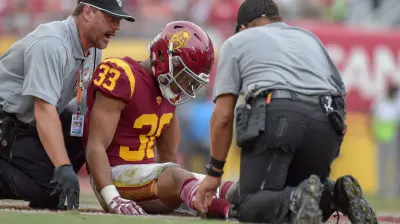
What Team Doctors Are Saying About Hamstring Strains in 2026
18 April 2026
Imagine you're watching your favorite team play, and suddenly, one of the star athletes collapses on the field, clutching their leg. That familiar gasp from the crowd fills the air. Hamstring strains have been the Achilles' heel for many players, but in 2026, team doctors are taking a fresh approach to this common injury. What’s changed? What are they saying? Let’s dive into the world of sports medicine and uncover the latest insights.

Understanding Hamstring Strains: The Basics
Before we get into the nitty-gritty, let’s break down what a hamstring strain actually is. The hamstring is a group of three muscles located at the back of your thigh. These muscles play a crucial role in running, jumping, and even walking. When you push your limits—whether during a game or in training—those muscles can take a hit. A hamstring strain occurs when these muscles are overstretched or torn.Why Are Hamstring Strains So Common?
It seems like every season, we hear about another player sidelined due to a hamstring issue. But why? Well, the answer lies in the nature of the sport. Sports that require explosive movements, like sprinting or sudden direction changes, put immense pressure on these muscles. Think about it: when you’re sprinting at full speed, your hamstrings are working overtime. If they’re not conditioned properly, or if fatigue sets in, that’s when injuries happen.
The Evolution of Treatment: What’s New in 2026?
The Shift from Traditional to Innovative
In 2026, the medical field has taken significant strides in understanding and treating hamstring injuries. Gone are the days of simply resting and icing the injury. Team doctors are now blending advanced technology with traditional methods to provide comprehensive care.1. Enhanced Imaging Techniques
One of the most significant advancements has been in imaging. Team doctors now utilize high-resolution MRI scans that provide a clearer picture of the injury's severity. This allows for better diagnosis and more tailored treatment plans. Instead of taking a one-size-fits-all approach, doctors can identify the specific muscle fibers affected and develop targeted rehabilitation exercises.2. Biomechanical Analysis
Another fascinating development is the use of biomechanical analysis. Doctors are analyzing players’ movements using advanced motion-capture technology. By understanding how athletes move, they can identify weaknesses or imbalances that may lead to injuries. Think of it as getting a personalized blueprint of how your body operates under stress.Cutting-Edge Rehabilitation Techniques
Rehabilitation practices have also evolved dramatically. Here are some key strategies that team doctors are currently implementing:1. Blood Flow Restriction Training
This innovative technique involves restricting blood flow to the injured area while exercising. It sounds counterintuitive, right? But studies show that it can promote muscle growth and healing without putting too much strain on the injury. Players can regain strength faster and get back on the field sooner.2. Regenerative Medicine
In 2026, regenerative therapies like platelet-rich plasma (PRP) injections have become more mainstream. These treatments utilize the body’s own healing properties to accelerate recovery. By injecting concentrated platelets into the injured area, doctors can stimulate tissue repair. It's like giving your body a little nudge to kickstart its healing process.3. Personalized Recovery Protocols
Every athlete is different. What works for one may not work for another. Team doctors are now creating personalized recovery protocols that consider an athlete's unique physiology, injury history, and even psychological factors. This tailored approach is proving to be much more effective in preventing re-injury.
The Role of Prevention: Keeping Players on the Field
Training and Conditioning
While treatment is crucial, prevention is equally important. Team doctors are working closely with coaches and trainers to ensure that athletes are properly conditioned. This means not just focusing on strength training but also incorporating flexibility and stability exercises.1. Dynamic Warm-Ups
Gone are the days of static stretching before a game. Team doctors recommend dynamic warm-ups that mimic the movements players will perform during the game. These warm-ups increase blood flow to the muscles and prepare them for the explosive action ahead.2. Regular Monitoring
Team doctors are also advocating for regular monitoring of players’ physical conditions. Using wearables and apps, they can track fatigue levels, muscle soreness, and previous injuries. This data allows for timely interventions before a strain occurs. It’s like having a coach in your ear, reminding you to listen to your body.Nutritional Considerations
Believe it or not, nutrition plays a vital role in preventing hamstring strains. Team doctors are emphasizing the importance of a balanced diet rich in protein, healthy fats, and carbohydrates. Proper nutrition helps in muscle recovery and overall performance.
What Are Athletes Saying?
As we chat about what team doctors are saying, let’s not forget the players themselves. Many athletes have shared their thoughts on the evolving landscape of hamstring strain management.Embracing Technology
Athletes are increasingly embracing technology to gain insights into their bodies. “Having access to real-time data about my performance and potential injury risks is a game-changer,” says star wide receiver Jake Thompson. “It allows me to make informed decisions about my training and recovery.”The Importance of Communication
Another common theme among players is the importance of open communication with medical staff. “I feel more empowered when I can discuss my recovery plan with my doctor,” says soccer player Mia Chang. “It’s not just about getting back on the field but understanding the process.”Team Doctors Weigh In: Insights from the Field
To bring you the inside scoop, we chatted with a few team doctors about their perspectives on hamstring strains in 2026.Dr. Laura Martinez, Head Physician, Major League Soccer
Dr. Martinez emphasizes the importance of individualized care. “Every injury is unique, and so is every athlete. We’re moving away from generic recovery protocols and focusing on what works best for each player,” she explains. “It’s about understanding their biomechanics and creating a roadmap for recovery.”Dr. Alex Kim, Sports Medicine Specialist, NFL
Dr. Kim highlights the role of technology in injury prevention. “Wearable tech allows us to monitor our players’ performance and fatigue levels closely. We can make data-driven decisions that help prevent injuries before they happen,” he says. “It’s not just about reacting to injuries; it’s about being proactive.”Dr. Sarah Lee, Orthopedic Surgeon, NBA
Dr. Lee points out the significance of education. “We’re not just treating injuries; we’re educating athletes on how to take care of their bodies. It’s essential for them to understand the risks and the importance of proper training and nutrition,” she notes. “Knowledge is power.”
Looking Ahead: The Future of Hamstring Injury Management
As we look to the future, it’s exciting to think about the possibilities in hamstring injury management. With advances in technology, personalized care, and a focus on prevention, players can expect a much higher level of support.The Role of Artificial Intelligence
Imagine a future where AI can predict injuries before they happen based on movement data and fatigue levels. This could be the next big leap in sports medicine. While we’re not there yet, researchers are exploring how AI can enhance our understanding of athlete health.Enhanced Collaboration
The collaboration between team doctors, trainers, and athletes will continue to grow. As everyone works together, the lines between treatment, prevention, and performance will blur. This holistic approach will be crucial in keeping players on the field and off the injury list.Conclusion: A Bright Future for Athletes
In 2026, team doctors are optimistic about the future of hamstring strain management. With innovative treatments, a focus on prevention, and a collaborative approach, athletes can look forward to longer, healthier careers. So, the next time you see a player limping off the field, remember—there’s a team of dedicated professionals working tirelessly to get them back in the game.Injury is never easy, but with the advancements we’re seeing today, hope is on the horizon. Players are becoming more informed, treatments are improving, and the knowledge shared by team doctors is shaping a brighter future for sports.
all images in this post were generated using AI tools
Category:
Injury UpdatesAuthor:

Frankie Bailey
Discussion
rate this article
2 comments
Solaria Hernandez
Great insights on hamstring strains in your article. It's crucial to understand how team doctors are adapting their approaches. Keeping athletes healthy is key, and your coverage sheds light on the evolving strategies. Thanks for sharing!
August 20, 2026 at 10:39 AM
Frankie Bailey
Thanks for the kind words! I'm glad you found the insights valuable. Keeping athletes healthy is definitely a priority.
Cooper McNaughton
Thank you for this insightful article! It's fascinating to see how team doctors are evolving their approaches to hamstring strains, highlighting the importance of player health and recovery.
April 22, 2026 at 4:41 AM
Frankie Bailey
I appreciate your feedback! It's encouraging to see the focus on player health evolve. Glad you found it insightful!