How One Big Trade Could Shift Power in the League by 2026
19 April 2026
Let’s play a game of dominoes. You know the one—you line up those black rectangles with the white dots, you flick the first piece, and for a few glorious seconds, a chain reaction of clacking tiles unfolds in a perfectly predictable yet utterly mesmerizing cascade. Now, imagine the entire sports league as that sprawling domino setup. The teams are the dominoes, standing in their current order of power, stability, and future hope. What if I told you that one single, seismic trade—the right player moving to the right team at the exact right time—could be that initial flick? Not just a little tap that knocks over two or three pieces, but a thunderous push that realigns the entire board, reshaping the competitive landscape for years to come. By 2026, we could be looking at a completely different power structure, and it might all trace back to one blockbuster deal.
It sounds dramatic, doesn’t it? A little far-fetched, maybe. We see trades every season—some big, some minor. But truly epoch-shifting trades are rare. They’re the ones that don’t just fill a roster spot; they alter a franchise’s DNA, its trajectory, and its very aura. Think of it like a chemical reaction. Most trades are like adding table salt to water—it changes the composition, but it’s still basically water. A franchise-altering trade is like dropping a chunk of sodium into that water. Boom. Sparks fly, energy is released, and everything is transformed.
The Anatomy of a League-Shaking Trade
So, what makes a trade more than just a transaction? What ingredients need to be in the pot for it to simmer into a stew that feeds a dynasty or starves a contender?First, The Centerpiece Player. This isn’t just any All-Star. This is a transcendental talent, often young (under 27), with a skill set that is both elite and scalable. He’s not just a scorer; he’s an offensive system. He’s not just a defender; he’s a defensive culture. This player possesses that magical, intangible quality of making everyone around him exponentially better. He’s a sun around which planets can comfortably orbit, growing warmer and more vibrant in his light.
Second, The Perfect Team Fit. A superstar dropped into a random roster is like a Formula One engine strapped to a golf cart—it’s impressive, but the chassis can’t handle it. The receiving team needs the existing infrastructure: a visionary coach with a flexible system, a supportive and complementary core of players (often young and on the rise themselves), and maybe most importantly, the financial flexibility and draft capital after the trade to keep building. They’re not giving up their entire future; they’re mortgaging a portion of it to accelerate a timeline that’s already pointing upward.
Third, The Desperation or Foresight of the Trading Team. Why would anyone trade such a player? It’s usually one of two engines: panic or vision. Panic says, "Our window is closed, we can’t pay him, we need to rebuild now." Vision says, "We see an opportunity to acquire a war chest of assets that will set us up for a longer, more sustainable run down the road." The trade often happens at the precise moment when one team’s timeline is ending and another’s is begging to begin.
The Ripple Effects: More Than Just Wins and Losses
Okay, so the trade happens. Headlines explode, jerseys are burned in one city and printed en masse in another. But the real shift is quieter, deeper, and far more pervasive than the initial buzz.The Conference Re-Alignment: Suddenly, a team in, say, the Eastern Conference that was a solid playoff squad becomes an instant Finals favorite. This forces every other contender in that conference to recalculate. Do they make a panic move of their own? Do they accelerate their own timelines? A single trade can trigger an arms race, pushing general managers to make decisions they might have waited on for another year or two. The balance of power between conferences themselves can tilt. If a Western Conference powerhouse ships its star East, the path to the Finals just got easier for a handful of West teams, potentially creating a new dominant force out there.
The Free Agent Magnet: Success and star power attract more star power. That one big acquisition signals to the rest of the league: "This is the place to be." Veteran ring-chasers will suddenly list that team as a top destination, often for less money. Other stars in their prime, looking at their own uncertain situations, might start dreaming about teaming up. The trade doesn’t just add one player; it opens a pipeline.
The Psychological Blow: Let’s not forget the human element. For the team losing the star, it can be a morale-crushing event that ushers in a true "rebuilding" mindset—which can lead to more trades, tanking, and a multi-year retreat from contention. For the rest of the league facing the new super-team, it can be daunting. Do they have the belief to overcome this new Goliath? For some, the answer might be no, and that mental hurdle is half the battle.
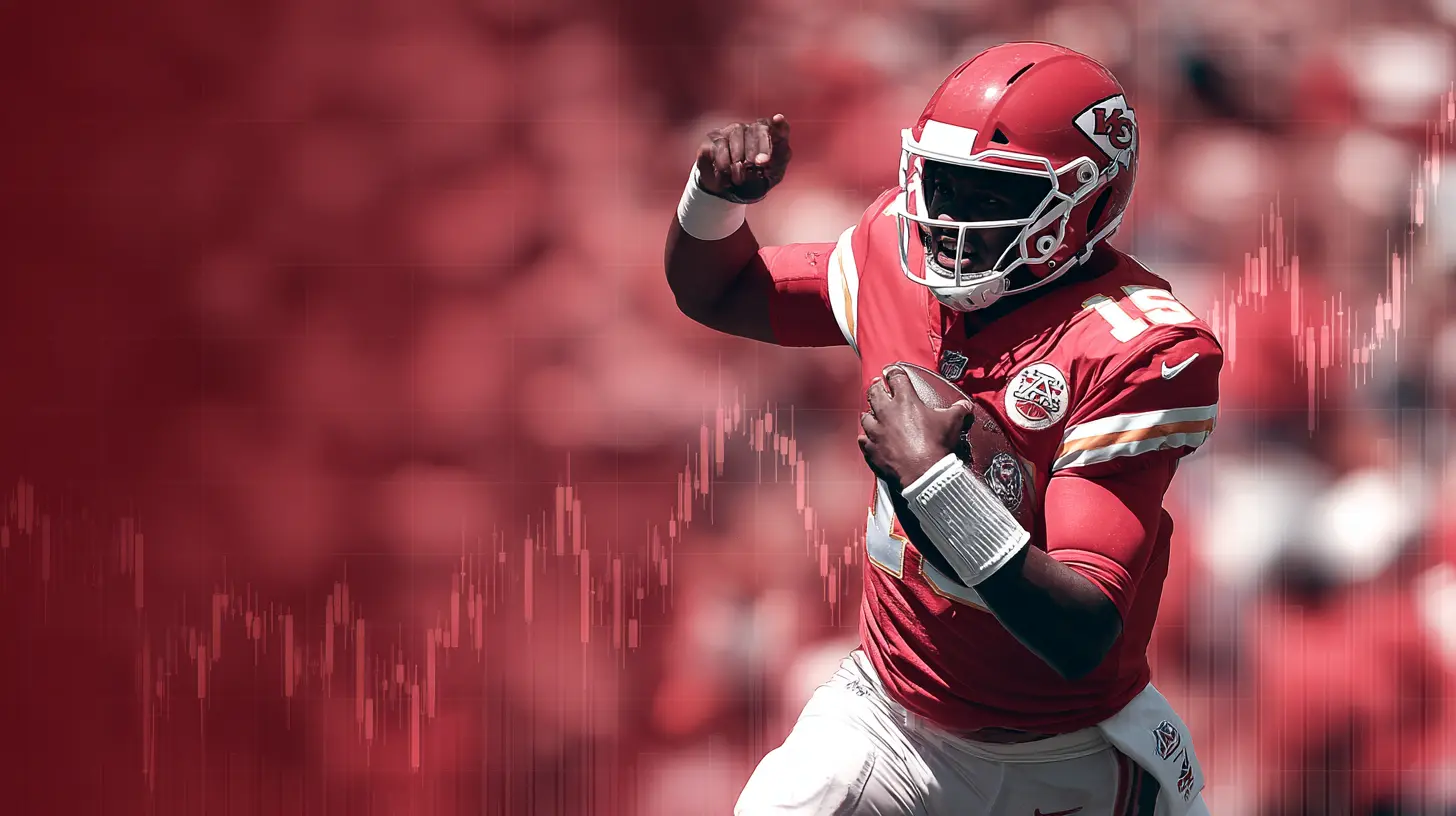
A 2026 Vision: Painting the Picture
Let’s get speculative and cheerful about the future, shall we? It’s 2026. The league MVP is a 26-year-old two-way wing who was traded in the summer of 2024. He didn’t go to a big-market glamour franchise; he was sent to a well-run, mid-market team with a brilliant young point guard and a defensive anchor already in place. The team gave up two promising young players and a boatload of draft picks—a classic "all-in" move.Fast forward two seasons. That team isn’t just winning; they’re revolutionizing how the game is played. Their style—predicated on switch-everything defense and positionless, unselfish offense—is the league’s new gold standard. Their success has made their city a hotbed for free agents. Two other All-Stars have since taken discounts to join the fray. The league’s media schedule is dominated by their games. Merchandise sales have skyrocketed.
Meanwhile, the team that traded him? They used those acquired draft picks to select a future Rookie of the Year and another cornerstone piece. They’re young, exciting, and just entering their own window of contention—right on schedule for a 2027 showdown with the very team they supplied with the engine. The trade didn’t create one winner and one loser; it created two powerful entities on different, colliding timelines.
And what of the old guard? The previous dynasty, the team that dominated the early 2020s, is now aging. They’re struggling to keep up with this new, dynamic force. Their response? They might break up their own core, sending another wave of talent across the league, further redistributing power. See how the dominoes fall?
It’s Already Happened: History as Our Guide
We don’t have to look far for proof. Remember when Kevin Garnett and Ray Allen joined Paul Pierce in Boston in 2007? That wasn’t one trade, but a series of them that formed a super-team that won a title instantly and shifted the entire league’s mindset about player aggregation. The Lakers acquiring Pau Gasol in 2008? That was the single piece that transformed Kobe Bryant’s Lakers from a playoff team back into a dynasty, directly affecting the balance of power for half a decade.More recently, think of Kawhi Leonard being traded to the Toronto Raptors. One season. One magical, improbable championship. That trade didn’t just win a title; it proved a franchise outside the typical superstar destinations could win it all, changing the calculus for players and front offices everywhere. It immediately diminished the power of the team he left and created a fleeting but brilliant new king.
Your Cheerful Takeaway: Embrace the Chaos!
As fans, we sometimes dread the big trade, especially if it involves our team’s beloved star. It feels like an ending. But I’m here to tell you, with a big smile, to see it as a magnificent new beginning. These seismic shifts are the lifeblood of sports drama. They prevent stagnation. They force innovation. They create new heroes and new storylines we couldn’t have imagined.The beauty of that "one big trade" is its beautiful uncertainty. It’s a gamble, a high-stakes poker move where the chips are the hopes of entire fanbases. And by 2026, the landscape of the league will be a map drawn by these daring decisions. New rivalries will have blossomed from the soil of that deal. New champions will have been crowned. The history books will have a new chapter, and it will start with a headline on a quiet offseason day: "Blockbuster Trade Sends [Superstar] to [New Team]."
So, keep your eyes peeled. Listen to the rumors. Because the next domino that falls might just be the one that sets the whole league clacking into a future we can’t wait to witness. The power shift is coming. Isn’t that just thrilling?
all images in this post were generated using AI tools
Category:
Big TradesAuthor:

Frankie Bailey
Discussion
rate this article
2 comments
Judith Maddox
Exciting times ahead! Trades can redefine teams and create unexpected rivalries. Looking forward to the future!
August 17, 2026 at 4:39 AM
Frankie Bailey
Absolutely! This trade could shake things up in ways we can't even predict. Exciting times indeed!
Velma McConnell
This article compellingly highlights how a single trade could redefine team dynamics and alter power balances in the league. Excited to see how these potential moves shape the future of sports!
April 24, 2026 at 2:28 AM
Frankie Bailey
Thanks for reading! Glad the piece captured the stakes—one move really can reshape the entire league landscape. Can't wait to see how it plays out.