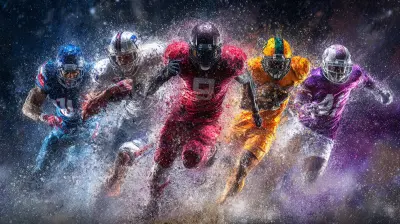
The Ethics of Sports Broadcasting: When Is Too Much Too Much?
8 June 2026
Sports broadcasting has come a long way since the days of grainy black-and-white reels and radio commentaries. Today, we live in a world of endless replays, live mic'd-up players, slow-mo celebrations, and sideline reporters trying to get the scoop before the sweat dries. But as the cameras zoom in closer and the coverage intensifies, it begs the question—when is too much simply too much?
Let's take a deep dive into the complex and evolving ethics of sports broadcasting. And trust me, this isn't just about camera angles or fancy graphics; it's about privacy, mental health, exploitation, and where we draw the moral line in the name of entertainment.
The Evolution of Sports Broadcasting
Before we dissect the ethical dilemmas, it's worth understanding how far the world of sports broadcasting has come.From Coverage to Surveillance
Think about it. We went from capturing the action to dissecting every facial twitch of an athlete. Back in the day, a single camera with a wide-angle lens would suffice. Today, there are dozens—from spider cams floating over stadiums to locker room cams capturing pre-game rituals. It's like Big Brother with a jersey on.And while technology has undoubtedly made the viewing experience richer, it’s also made it more invasive. The line between showcasing the game and exposing the athlete is getting blurrier by the day.
The 24/7 Sports Cycle: Always On, Always Watched
We live in the age of “always on.” No more waiting for highlight reels or next-day newspaper reports. Sports content is instant, unfiltered, and often live.The Rise of Invasive Coverage
Have you noticed how post-match interviews are sometimes downright awkward? A player just lost a nail-biting final, and within seconds, a microphone is shoved in their face. It’s like asking someone how they feel right after a breakup—with cameras rolling.Sure, we want raw emotion. But is it ethical to broadcast pain, disappointment, or private moments just for ratings?
Mic'd Up and Stripped Down
Mic’d-up segments are a fan favorite—no doubt. Hearing what players are saying in real time adds flavor. But what happens when a private pep talk or a heartfelt moment between teammates becomes viral content?It’s entertainment for us, but it can feel like a breach of trust for the players involved.
Viewer Demand vs. Ethical Responsibility
Now, you might be thinking, “But people want this!” And you’d be right. The demand for behind-the-scenes access, in-depth analysis, and real-time reactions has never been higher. We crave drama, conflict, and those viral “did you see that?!” moments.But with great demand comes great responsibility.
Are Ratings Driving Unethical Decisions?
Broadcast networks are businesses. More viewers mean more ad dollars. But when ratings are prioritized over ethics, we start to head into murky waters.Ever notice how some networks replay an injury multiple times from different angles? Or how they focus on the devastated look in a losing coach’s eyes? That’s not information. That’s emotional bait.
Mental Health and Broadcast Pressure
Athletes today aren’t just performers; they’re public figures under a microscope. Every move, slip-up, or outburst becomes part of the public record. This 24/7 scrutiny can weigh heavily on their mental health.Simone Biles stepping back from the Olympics spotlight wasn't just about sports—it shined a light on how relentless and exhausting the spotlight can be. Should sports broadcasters be more mindful of the mental toll their cameras might inflict?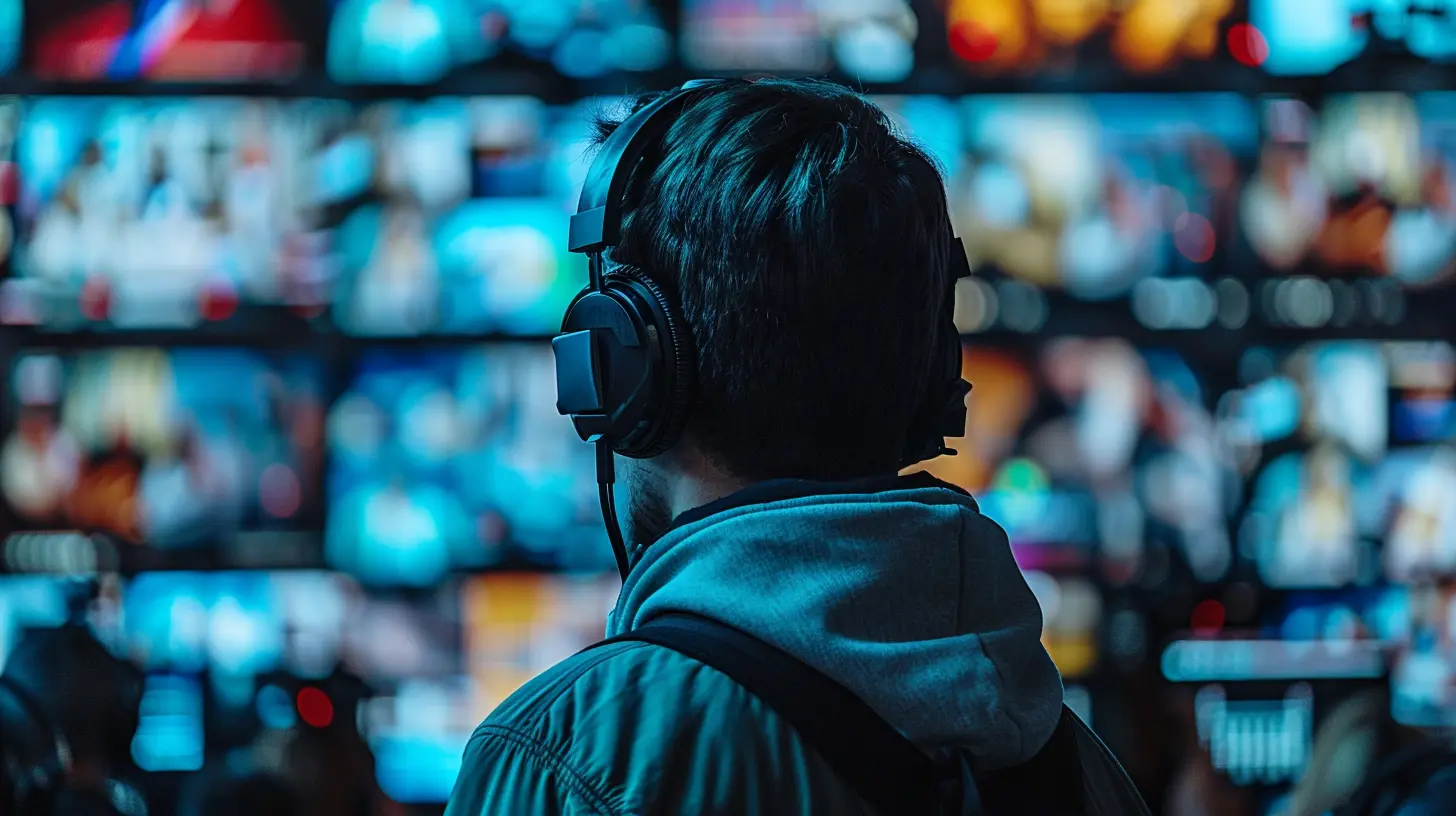
Where Do We Draw the Line?
This is the million-dollar question. What should be shown, and what should stay off-air?When Tragedy Strikes On the Field
One of the most contentious issues in sports broadcasting is how to handle on-field injuries or worse, fatalities. Should networks immediately cut to commercial? Should they respect family privacy, or continue rolling to “stay in the moment”?Think back to incidents like Christian Eriksen’s collapse during Euro 2020. Millions watched the terrifying live moment, sparking outrage over how much was shown. The line between journalistic responsibility and voyeurism got severely tested.
Privacy vs. Public Interest
Just because athletes are public figures doesn’t mean they’ve forfeited their right to privacy. Imagine going to work and having cameras on you 100% of the time—even in the break room. Sounds insane, right?So why is it acceptable in sports to air locker room celebrations or arguments? There's a fine line between giving fans “insider access” and exploiting private team dynamics.
The Role of Social Media and Fan Expectations
Let’s not forget the role that social media plays in this equation. Platforms like Twitter, Instagram, and TikTok have created a secondary broadcast layer—one where fans dissect every angle, comment, and moment.Highlights or Hype Machines?
Social media thrives on controversy and virality. A heartfelt team speech can be uplifting, but a heated sideline argument? That’s gold. Networks know this and often frame content in ways that fuel online debates.So even if broadcasters exercise restraint, once the footage is out there, fans and media outlets can spin it however they like.
Instant Reactions, Permanent Consequences
An emotional outburst caught on camera can become a meme within minutes. But what happens when that moment costs the athlete sponsorships or damages their reputation?Broadcasters need to weigh the long-term consequences of showcasing raw, unfiltered moments—especially if they weren’t meant for public viewing in the first place.
Technology’s Double-Edged Sword
Tech has revolutionized how we enjoy sports. But like any tool, it can be used responsibly… or recklessly.Drones, Body Cams, and AI
New-age tech like drones and body cams provide unmatched access. Imagine hearing every grunt, seeing every movement, and catching every word in ultra-high-def. Sounds cool, right?But now, imagine being the athlete who can’t scratch their nose without it being broadcast in 60fps. There’s a weird sense of “hyperreality” that comes with over-surveillance.
And don’t even get me started on AI-driven emotion tracking—that’s a slippery slope right into dystopia.
Ethical Guidelines: Are They Even a Thing?
Here’s the kicker—there’s no universal rulebook when it comes to the ethics of sports broadcasting. Different leagues and broadcasters have their own standards, but a lot of it is reactive.Calls for Transparent Broadcasting Codes
Some argue that we need a code of conduct, similar to journalism ethics. This could include guidelines on:- When to cut away from injuries or personal moments
- Limits on locker room or off-field access
- Consent protocols for mic’d-up segments
- Respecting the mental well-being of players
The goal isn’t to sanitize sports—it’s to humanize the experience and respect the people involved.
So, When Is Too Much Too Much?
Here’s the heart of it. Sports are a spectacle, yes. But they’re also human stories told in real time. And humans deserve dignity, space, and the right to draw the curtain when needed.A Call for Balance
We’re not saying kill the drama or ditch the access. But let’s balance it with empathy and ethics. Not every tear needs air time. Not every heartbreak needs a close-up.As fans, we also have a role to play. Let’s not obsess over every viral moment or demand more than athletes can give. Because when we do that, we become part of the problem.
Final Thoughts
Sports broadcasting is a beautiful thing—it brings us closer to the action, lets us celebrate athletic brilliance, and makes us feel like we're part of the story. But when the cameras push too far, and the microphones dig too deep, it starts to feel like we’re no longer watching a game—we're intruding on someone’s life.So next time you're watching your favorite team, think about what you're really seeing—and what shouldn't be seen.
all images in this post were generated using AI tools
Category:
Sports BroadcastingAuthor:

Frankie Bailey
Discussion
rate this article
1 comments
Zaid Evans
In the race for ratings, sports broadcasters often forget the fine line between excitement and excess. Oversaturation can dull a fan's appetite. Balancing coverage and respect for the game is crucial; after all, less can sometimes mean so much more.
June 13, 2026 at 11:22 AM
Frankie Bailey
You've nailed it. Striking that balance is key. Too much can ruin the experience for fans, making them crave quality over quantity.