How Audio and Visual Synchronization Affects Sports Viewing Experiences
16 July 2026
Ever been watching a game, and suddenly the announcer shouts “He scores!”... but the ball hasn’t even reached the goal yet on your screen? Yeah, we've all been there. That tiny lag—when the audio doesn’t quite match the visuals—can ruin the magic of live sports. In the world of sports broadcasting, those milliseconds matter way more than you'd think.
In this in-depth deep dive (pun intended!), we’re going to break down exactly how audio and visual synchronization—or lack thereof—plays a huge role in shaping our sports viewing experiences.
Let’s get into it.
What Is Audio and Visual Synchronization?
Before we dive into why it matters, let’s talk about what it actually is. Audio-visual synchronization (often called “lip-sync”) refers to the perfect timing between the sound you hear and the images you see. When someone kicks a ball, blows a whistle, or yells “GOAL!”, you expect to hear and see it happen at the same time.But when that sync is off—even by a fraction of a second—your brain knows. And oh boy, it does NOT like it.
Why Sync Matters So Much in Sports
Watching sports is an immersive experience. You're not just passively sitting on the couch with chips in one hand and soda in the other. You're in it. You're riding the highs and lows, feeling every dunk, touchdown, and penalty call. But when the audio and visuals aren’t in sync, it’s like trying to dance to a beat that keeps skipping. You’re out of rhythm—and so is the game.Here’s why this sync matters:
- Real-Time Reactions: You want the commentator’s gasp to match the play. If they shout five seconds before the goal happens, it spoils the surprise.
- Crowd Energy: When the roar of the fans comes after the shot lands, it feels... weird. Like watching a movie where the punch sound comes after the guy falls.
- Emotional Impact: Sports are emotional. That perfect moment when the buzzer beater lands? It hits different when the sound and picture nail the timing.
What Causes the Sync to Go Off?
Unfortunately, a lot can go wrong on the way from the field to your screen. Let's break it down:1. Broadcast Delays
TV signals get processed, compressed, transmitted, decoded... it’s like the world’s most complicated game of telephone. Every step risks throwing the timing off by a few milliseconds—or more.2. Internet Streaming Delays
Ah yes, the rise of streaming. It’s awesome—we love being able to watch on our phones, tablets, or smart TVs. But all that high-quality video has to travel across servers, through data centers, and reach your device. Sometimes, audio and video don’t take the same route or move at the same pace.3. Device Processing
Different devices decode signals differently. Your smart TV might process video faster than audio (or the other way around). That’s why your friend’s TV might be celebrating the goal before you’ve even seen the play.4. Audio Equipment Lags
Using a soundbar or external audio system? Fancy, but risky. These systems sometimes process signal slower than the TV does, leading to what we call “audio delay.”5. Streaming Apps & Platforms
Each app has its own latency quirks. YouTube TV, Hulu Live, ESPN+, and others might all show the same game with slightly different timing. That’s why live tweeting during a game can be a minefield—you might see spoilers before the goal even happens on your stream.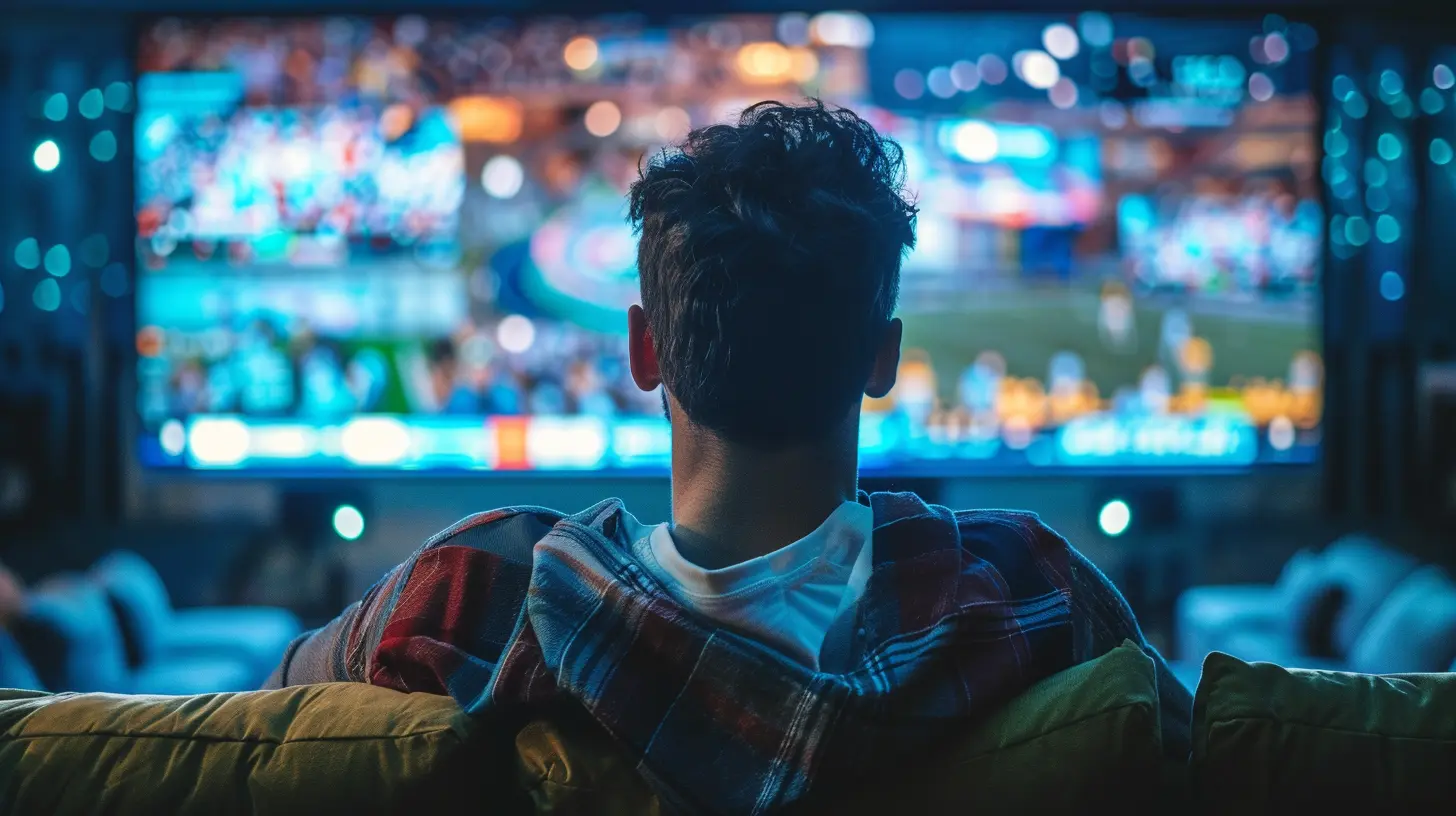
How Our Brain Reacts to Delay
Here’s something cool (and a little creepy): your brain is really good at syncing things up—until it’s not. If there's a small lag (about 20–45 milliseconds), your brain will try to fix it. But if the gap gets bigger than 100 milliseconds? You notice. Big time.You don’t just see the delay. You feel it—like a hiccup in time. It breaks your immersion like a scratch on a record. You’re yanked out of the moment, and suddenly you’re thinking about your screen instead of the game.
Real-World Examples: When It Goes Wrong
You might not remember every amazing touchdown you’ve seen, but you sure as heck remember that one time the commentator yelled “He shoots!” a full second before the shot even happened, right?Some infamous examples:
- Super Bowl Streams: Many streamers complain that their live stream is behind real-time by 30+ seconds. Meanwhile, neighbors with cable scream while you're still watching a huddle.
- World Cup: In some countries, local broadcasters often lag behind satellite feeds. Viewers get spoilers from phone notifications before they even see the goal.
- NBA Playoffs: Audio lag on commentary during streaming has caused confusion during replays and real-time decision-making moments.
How It Affects Fan Engagement
Here's the biggie. Sync issues don’t just annoy viewers—they genuinely change how fans interact with the game.1. Kills the Social Buzz
Ever live-tweeted a game only to have your tweet spoiled by someone who was 10 seconds ahead? Delays break the social rhythm. Fans watching together on social media experience the game differently—or get spoiled entirely.2. Ruins Livestream Parties
With more people having virtual watch parties, sync issues can be a total vibe killer. Imagine someone in the group yelling “YESSS!” while you’re still watching the team line up. Buzzkill.3. Impacts Betting and Fantasy Sports
For real-time betting or fantasy leagues, even a few seconds of delay can be crucial. Imagine placing a bet thinking a shot is about to be made—only to realize it was missed and everyone else already knew. Not cool.4. Affects Commentary Quality
When commentators are ahead or behind the action, their words lose impact. Expert analysis doesn’t hit the same when it doesn’t line up with what’s unfolding on screen.The Future: Can Technology Fix It?
Short answer? Yes—with some effort.Smart TVs Getting Smarter
Many modern smart TVs now offer automatic A/V sync correction. They detect signal delays and adjust accordingly. Pretty cool, huh?HDMI 2.1 and eARC
The latest HDMI standards come with features like enhanced Audio Return Channel (eARC), which helps synchronize audio with video more precisely—especially when using soundbars or home theater setups.Improved Streaming Protocols
Streaming platforms are catching up, too. Newer streaming protocols (like Low-Latency HLS and DASH) aim to cut delays significantly, making live streams truly “live.”AI-Based Real-Time Correction
Yup, AI is in on it too. Some platforms are integrating AI to dynamically detect and correct sync issues on the fly based on what's happening on screen.Tips for Viewers: What You Can Do
While tech is catching up, here are a few things you can do to reduce sync issues:- Use Wired Connections: Wi-Fi is awesome, but it introduces more delay. If possible, go wired for your streaming box or smart TV.
- Check Your Audio Settings: Some soundbars and AV receivers let you adjust audio delay manually. Tweak it until it's aligned.
- Update Software: Firmware updates often fix latency issues—don’t ignore them!
- Choose Reliable Streaming Services: Some platforms consistently offer better latency. Find what works best where you live.
- Pause and Sync with Friends: Watching with friends? Pause your stream and sync up manually. It’s a bit old-school, but it works.
Final Thoughts
Watching sports should feel electric. Like you’re right there in the stadium, feeling every moment as it unfolds. But when audio and video don’t match, it’s like watching a silent disco with the wrong soundtrack. It throws you off.The good news? Technology is improving—and fast. We're moving toward a future where real-time viewing really means real-time. Until then, though, being aware of sync issues and adjusting your setup can go a long way in bringing back that seamless, goosebump-inducing sports magic.
So next time something feels “off” during the game... you’ll know exactly why.
all images in this post were generated using AI tools
Category:
Sports BroadcastingAuthor:

Frankie Bailey
Discussion
rate this article
1 comments
Myles McWain
Great article! It's fascinating how audio and visual sync can change the way we enjoy sports. When everything aligns perfectly, it really enhances the excitement. Can't wait to see how technology shapes our viewing experiences in the future!
July 17, 2026 at 10:39 AM
Frankie Bailey
Thanks for your thoughts! It's exciting to see how technology continues to elevate our enjoyment of sports. The future looks bright!