What to Expect from Players Returning in the Fall 2026
1 November 2026
Every fall, rosters churn. But the fall of 2026 is not a normal churn year. The combination of an unusually deep 2022 draft class reaching its fourth season, a wave of players coming off major surgeries with full recovery timelines, and a contract landscape shaped by a salary cap that has been climbing steadily since the pandemic-era flattening means one thing: the returning player market will be crowded, expensive, and full of traps for teams that confuse "available" with "effective."
This is not a piece about who will be healthy. Nobody can promise that. This is about what to expect from the players who will be on the field, court, or ice when the fall 2026 season opens, and how to separate the ones who will genuinely help from the ones who will merely occupy a roster spot and a cap hit. If you are building a team, evaluating a roster, or just trying to understand why your favorite squad made a move that looks strange on paper, this is the framework you need.

The Big Picture: Why Fall 2026 Is Different
Three structural forces are converging, and understanding them explains almost every roster decision you will see between now and opening night.First, the 2022 draft class is hitting its inflection point. Players drafted in 2022 are entering their fourth or fifth professional season depending on the sport and their path. That is the exact window where the gap between what a player was projected to be and what they actually are becomes undeniable. Teams must decide whether to extend, trade, or move on. The players themselves are motivated, sometimes desperately, because this is often the last chance to secure a major contract before hitting free agency. Expect a lot of "contract year" performances, and treat them with appropriate skepticism.
Second, the injury backlog is real. The compressed schedules and congested calendars of recent years produced a cluster of major injuries, particularly soft tissue and joint injuries, whose full rehabilitation timelines land in the 2026 offseason. A player who tore an ACL in late 2025 is aiming for a fall 2026 return. A pitcher who had shoulder surgery in early 2026 is targeting the second half. These timelines are estimates, not guarantees, and the history of sports is littered with players who returned on schedule but not at full capacity.
Third, the cap environment rewards patience and punishes panic. With cap growth outpacing many teams' internal budgets, the teams that win the returning-player market will be the ones who sign players to structures that age well, not the ones who win the press conference. A front-loaded deal for a returning veteran looks great in July and terrible in November. Expect smart teams to use options, incentives, and short-term prove-it deals, and expect desperate teams to overpay for name recognition.
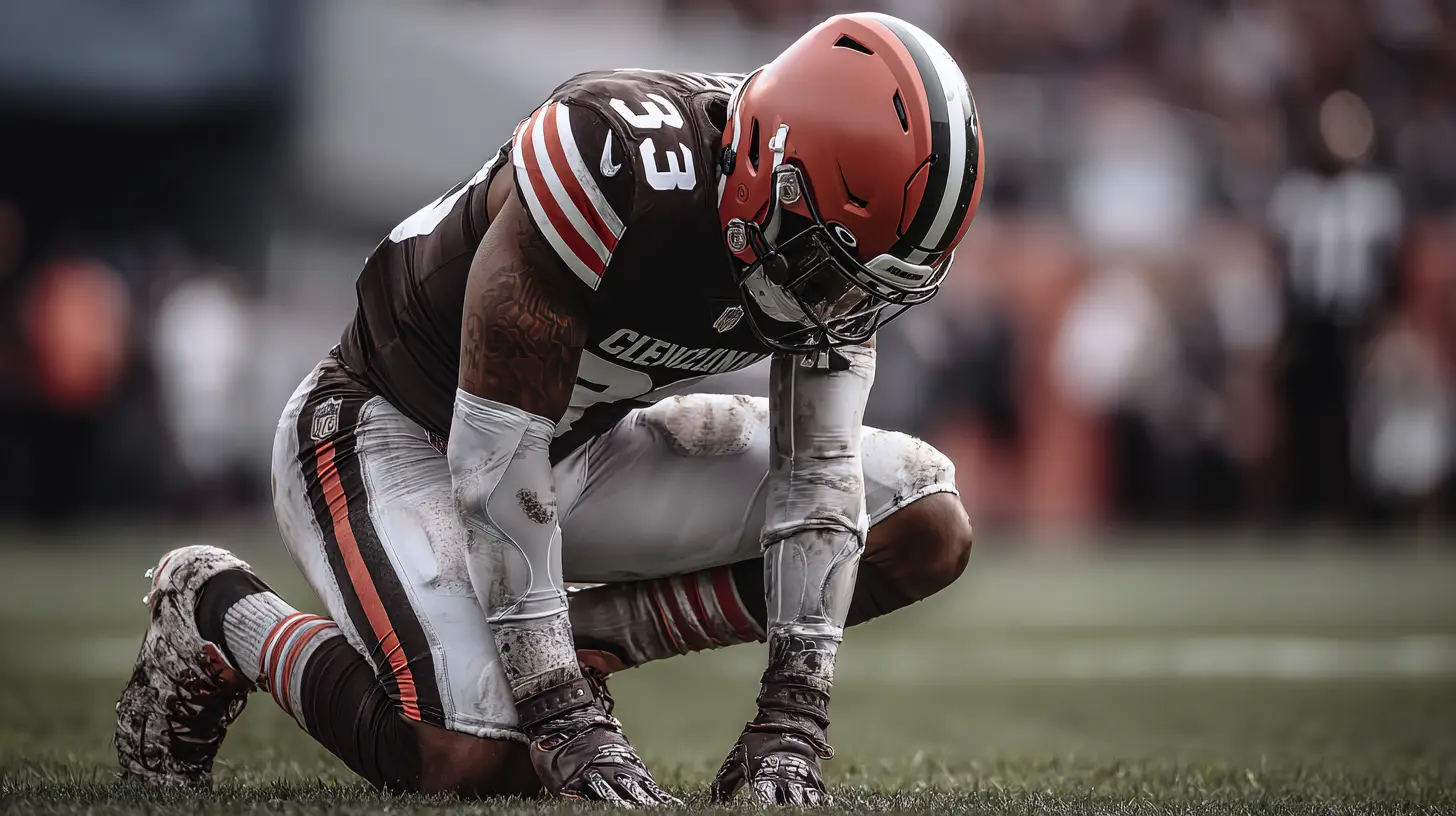
The Four Categories of Returning Players
Not all returning players are the same, and treating them as a single group is the most common mistake in roster evaluation. Here is the taxonomy that actually matters.Category 1: The Post-Injury Return
These are players coming back from a significant injury that cost them most or all of the previous season. The critical variable is not whether they are medically cleared. It is whether they have had enough time to rebuild the strength, proprioception, and confidence that the injury eroded.A surgically repaired knee can be structurally sound and still not be ready for the demands of elite competition. The research on return-to-sport is consistent on this point: the re-injury risk is highest in the first season back, and performance often dips before it recovers. A player who averaged 18 points before the injury might average 14 in the first 30 games back and then return to baseline. If you evaluate him on the first 30 games, you will conclude he is washed. If you evaluate him on the full season, you will see a player who is still very much in his prime.
What to expect: Slow starts, load management, and a second-half surge. The teams that plan for this will get value. The teams that panic will trade a good player at his lowest value.
Category 2: The Contract-Year Player
This is the player entering the final year of his deal, or a player who signed a short-term prove-it contract specifically to re-enter the market. The motivation is real, and so is the performance bump. But the bump is not evenly distributed.Contract-year players tend to produce more in counting stats, more in availability, and more in visible effort. What they often do not produce is more in the things that win playoff games: defensive discipline, unselfish play, and durability in the post-season. There is a well-documented pattern of players who play 78 games in a contract year and 58 the year after signing a long-term deal. That is not always cynicism. Sometimes it is just the body responding to a different level of urgency.
What to expect: Excellent regular-season production, and a real question about whether it translates. When you sign a contract-year player, you are paying for a season that may not be repeatable. Structure the deal so you are not paying for the outlier.
Category 3: The Role Change Return
These are players returning to a different role than the one they left. A former starter now coming off the bench. A former primary option now asked to be a secondary one. A player switching positions because his body can no longer handle the old one.This category is underrated and often mishandled. The player's skills have not declined, but the context has changed. A guard who was a 20-point scorer as a starter might be a 12-point scorer as a sixth man, and that is not a failure. It is a different job. The mistake teams make is expecting the old production in the new role, then benching the player when it does not appear.
What to expect: An adjustment period of roughly 15 to 25 games, followed by a clear picture of whether the player accepts and thrives in the new role. The players who embrace it become invaluable. The ones who resist become distractions. Watch the body language and the quotes in the first month. They tell you everything.
Category 4: The Young Player Making the Leap
Every fall, a handful of third and fourth-year players make a genuine leap. The question is which ones, and whether you can identify them before the market does.The leap is rarely about a new skill appearing from nowhere. It is almost always about consolidation: a player who had the tools but not the decision-making finally putting it together. The indicators are usually visible in the second half of the previous season, not in the offseason hype cycle. Look at the last 20 games before the break, the playoff performance if there was one, and the player's usage rate trend. A player whose usage and efficiency both rose late in the year is a much better bet than a player whose highlights went viral in a summer league.
What to expect: A genuine leap for a small number of players, and disappointment for the ones who were anointed prematurely. The market usually overprices the hype and underprices the quiet late-season surge.
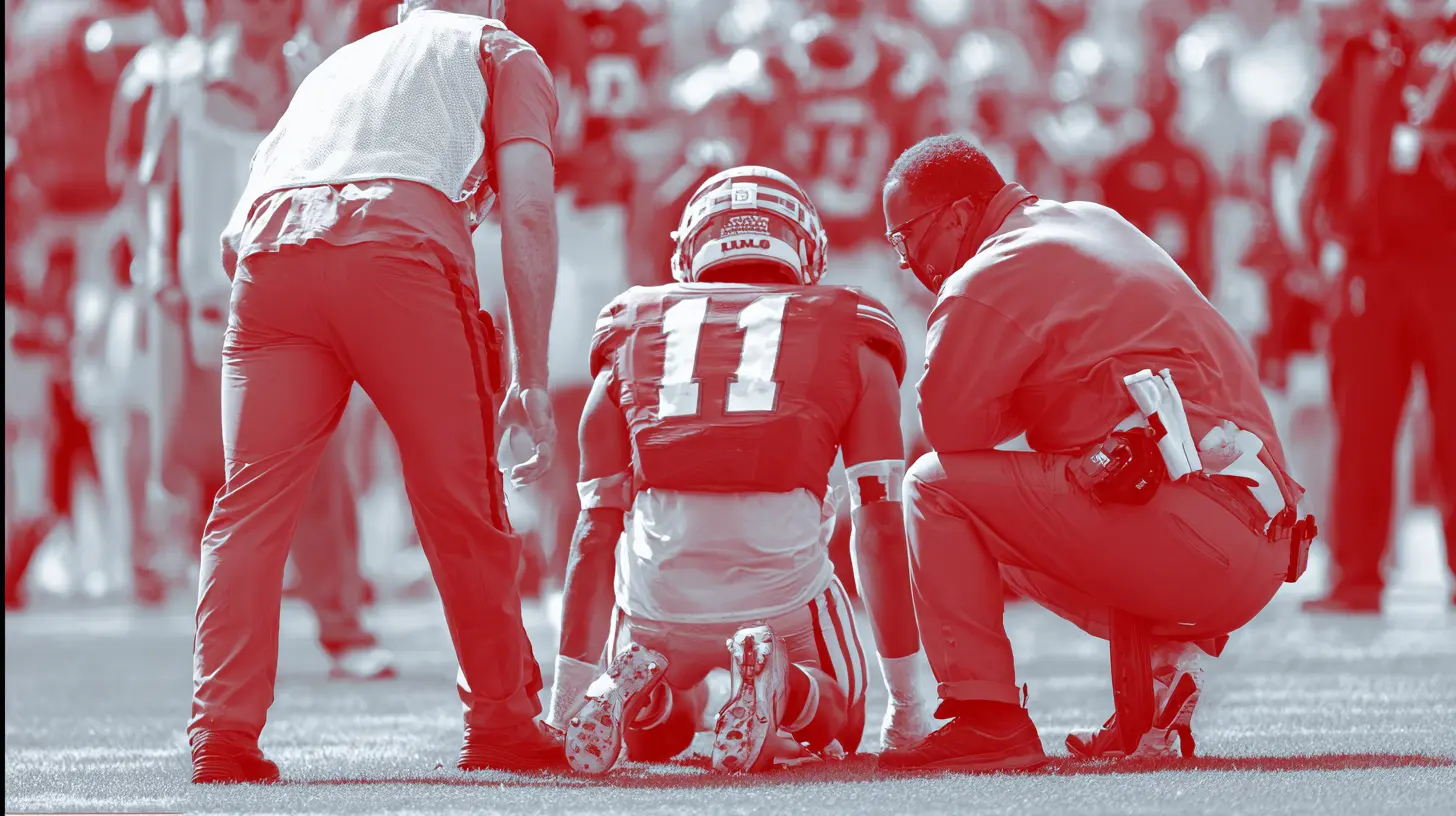
The Injury Return Timeline: What the Data Actually Says
Let us get specific, because vague warnings do not help anyone make decisions.Soft tissue injuries (hamstrings, groins, calves). These are the most common and the most mismanaged. The recurrence rate is high, often cited in the range of 20 to 30 percent within the same season, and the primary cause is returning too soon. A player who returns at 90 percent of full speed is at much higher risk than a player who waits an extra two weeks. Expect teams to be conservative early and aggressive late. If a player is listed as questionable in week one, treat it as doubtful.
ACL and knee reconstructions. The typical timeline is 9 to 12 months for return to competition, but return to form is often 18 to 24 months. The first season back is usually a bridge year. Expect reduced explosiveness, reduced minutes, and occasional rest days. The second season is when you see the real player again. Any team that signs a player in the first year back and expects peak production is making a mistake.
Shoulder and elbow injuries (particularly in throwing sports). These are the most unpredictable. A pitcher who had shoulder surgery might return in 12 months and never regain his previous velocity, or he might return in 14 months and be better than before. The variance is enormous, which is why teams should treat these returns as lottery tickets, not certainties. Short-term deals with incentives are the only rational structure.
Back and core injuries. These are the quiet killers. They do not always require surgery, they linger, and they affect everything a player does. A player with a history of back problems is a player you should assume will miss time. Plan the roster accordingly.
The practical takeaway: build your expectations around the second season back, not the first. The market consistently overvalues the first season and undervalues the second.
The Contract Structures That Work
If you are evaluating how a team handled a returning player, look at the structure of the deal before you look at the number.Short-term prove-it deals are the right tool for post-injury returns and role-change players. One year, modest guaranteed money, performance incentives. The player gets a chance to rebuild value. The team gets optionality. The downside is that you may lose the player after a good season, but that is a better problem than being stuck with a bad long-term deal.
Team options are the second-best tool. A two-year deal with a team option for the second year lets you see the player for a full season before committing. The player gets security for one year and a chance to earn more. This structure is especially useful for players in their late twenties coming off injury.
Front-loaded deals are often a mistake for returning players. They reduce future cap flexibility and assume the player will be as good in year three as in year one. For a player coming off injury, the opposite is more likely to be true. Back-loading is risky for different reasons, but a flat deal with incentives is usually the cleanest structure.
Long-term deals for post-injury players should be reserved for players who are young enough that the second-season recovery will happen inside the contract, and who have a track record of durability before the injury. Even then, the deal should include protections.
The common mistake is paying for the player's pre-injury reputation. The market does this constantly, and it is why so many post-injury contracts look bad in hindsight.
What the Fall 2026 Market Will Look Like
Expect a few clear patterns.A glut at certain positions. The 2022 draft class was deep at specific positions depending on the sport, and those players will hit the market at the same time. When supply is high, prices fall. Smart teams will find value in the crowded positions and overpay in the thin ones.
A premium on durability. Teams have gotten smarter about availability. A player who has played 90 percent of his team's games over the last three years will command a premium over a more talented player who has played 65 percent. This is rational, and it will shape the market.
A discount on players with public injury histories. The market overcorrects. A player who had one serious injury and recovered fully is often priced as if he is injury-prone for life. That is where the value is. The trick is distinguishing between a player with one bad-luck injury and a player with a chronic issue. Medical staff, not media narratives, should make that call.
Incentive-laden deals becoming standard. As teams get more sophisticated about risk, expect more deals with games-played bonuses, performance escalators, and void years. Players will accept these structures more readily than they did five years ago because the alternative is often no deal at all.
Common Mistakes in Evaluating Returning Players
Mistake one: conflating availability with effectiveness. A player who is on the field is not necessarily helping. A returning star who plays 25 minutes at 70 percent capacity can be worse for the team than a healthy role player. Coaches need to be honest about this, and front offices need to give them permission to bench a big name.Mistake two: ignoring the second-season effect. As covered above, the first season back is usually a bridge. Teams that evaluate on the first season make bad decisions. Teams that plan for the second season get bargains.
Mistake three: overreacting to a hot start. A returning player who starts the season on fire is often riding adrenaline and a favorable schedule. The real test is the middle of the season, when the grind sets in. Do not extend a player based on October.
Mistake four: underreacting to a slow start. The inverse is also true. A player who struggles in the first month is often still rebuilding. The evaluation window should be at least 20 to 30 games, and ideally a full season.
Mistake five: letting the narrative drive the decision. "He's a winner." "He's injury-prone." "He's got something to prove." These are stories, not analysis. Look at the medicals, the usage, the efficiency, and the role. The narrative is for talk radio.
Practical Recommendations
If you are a team executive, here is the checklist.1. Get independent medical evaluations. Do not rely solely on the player's camp or the previous team's reports.
2. Model the second season, not the first. Build your projections around a return to baseline in year two.
3. Structure deals with optionality. Short-term, team options, and incentives are your friends.
4. Plan the roster for the player's likely absence, not his best-case presence. Depth is insurance.
5. Communicate the role clearly before signing. Misaligned expectations destroy seasons.
If you are a fan or analyst, here is what to watch.
1. The first 20 games are noise. The next 40 are signal.
2. Watch the minutes, not just the stats. A player whose minutes are climbing is a player whose team trusts his body.
3. Watch the back-to-backs and the rest days. They tell you what the medical staff really thinks.
4. Watch the body language in the fourth quarter of close games. That is where confidence shows.
The Bottom Line
Fall 2026 will reward teams that are patient, disciplined, and honest about risk. The returning player market is full of genuine value, but it is also full of traps dressed up as bargains. The difference between the two is almost never talent. It is timing, structure, and a clear-eyed understanding of what a returning player can realistically provide in his first season back.Expect slow starts and strong finishes. Expect contract-year production that does not always repeat. Expect a few young players to make real leaps and a few hyped ones to disappoint. Expect the teams that plan for the second season to beat the teams that pay for the first. And expect the market to keep making the same mistake it always makes: paying for reputation instead of projecting performance.
The teams that get this right will not win the offseason. They will win the season after.
all images in this post were generated using AI tools
Category:
Injury UpdatesAuthor:

Frankie Bailey