How Altitude Affects Athletic Performance: The Science Behind High-Altitude Training
1 January 2026
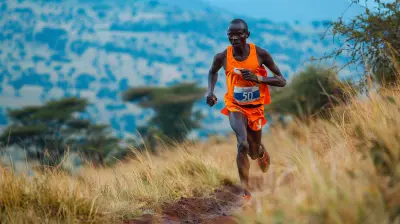
Ever wondered why elite runners train in places like Kenya’s Rift Valley or Colorado Springs? It's not because the coffee's better—though it might be. It all boils down to one thing: altitude. High-altitude training has been a buzzword in endurance sports for decades. But what's the real science behind it? How does altitude affect athletic performance, and is it really a game-changer?
Let’s break it all down in this comprehensive, no-fluff guide. Whether you're an athlete, a coach, or just someone who gets winded climbing stairs (we've all been there), you’re about to understand altitude like never before.
What Is High Altitude, Anyway?
Before we dive into the how and why, let’s define what we’re dealing with.In sports science, the term “high altitude” usually refers to elevations above 1,500 meters (about 5,000 feet) above sea level. “Moderate altitude” ranges from 1,500 to 2,500 meters, while “high” takes you from 2,500 to 3,500 meters. Anything above that? That’s getting into “very high” and “extreme” territory.
At these elevations, the air gets thinner. In simple terms, there’s less oxygen to go around. If you imagine trying to breathe through a straw, that’s kind of what it feels like when you're pushing your body at high altitude. And your body is like, “Hey, where’s my oxygen!?”
Oxygen: The Engine Fuel of Athletes
Let's get something straight—oxygen is your body's premium fuel, especially during aerobic activities like running, swimming, and cycling. Your muscles use oxygen to convert glucose (sugar) into energy.At sea level, oxygen is abundant. But as you climb higher, the atmospheric pressure drops. This means every breath you take contains fewer oxygen molecules. So even though you're breathing the same volume of air, there's just less O2 in it.
This low-oxygen environment is called “hypoxic,” and it has a big impact on performance.
So, How Does Altitude Affect Athletic Performance?
Great question. Let's break it into short-term and long-term effects.Short-Term: Your Performance Takes a Hit
The first few days at high altitude are rough. Your body isn't used to the low oxygen, and you’ll likely notice:- Faster fatigue
- Shortness of breath
- Elevated heart rate
- Headaches or dizziness
- Decreased performance in aerobic sports
Basically, your muscles are begging for air, and your lungs are like, “I’m trying my best, man!”
Athletes often see a dip in endurance and stamina when they first arrive. Even walking can suddenly feel like hiking Everest.
Long-Term: Your Body Adapts (And That’s the Magic)
Here’s where things get interesting.Stick around long enough—typically two to four weeks—and your body starts to adapt. This process is called “acclimatization,” and it's kinda like upgrading your body’s internal engine.
Here’s what happens during high-altitude adaptation:
- Increased red blood cell production: More red blood cells mean more oxygen can be carried to muscles.
- Boosted EPO Levels: Erythropoietin (EPO) is a hormone that stimulates red blood cell production. Your kidneys ramp this up in response to altitude.
- Improved lung function: Your body gets better at transferring oxygen from your lungs to your bloodstream.
- Greater capillary density: Your body builds more tiny blood vessels to deliver oxygen more efficiently to muscles.
Pretty wild, right? It’s like your body goes into high gear, optimizing itself to survive and perform with less oxygen.
High Altitude Training: Why Athletes Swear by It
Now you’re probably asking: if altitude makes performance worse at first, why would anyone train there?Here’s the trick—it’s about long-term gains, not short-term comfort.
Endurance athletes, like marathoners or cyclists, use high-altitude training to stress their bodies in a hypoxic environment. Then, when they return to sea level where oxygen is plentiful, their improved blood oxygen-carrying capacity gives them a natural boost.
It’s like training with a weighted backpack and then taking it off for race day.
This method is so effective that there’s even a term for it:
"Live High, Train Low"
One of the most popular altitude training strategies is to live high and train low. Athletes sleep at high altitudes to reap the red-blood-cell benefits but do their intense workouts at lower elevations where they can maintain workout intensity.This combo gives them the best of both worlds: the physiological adaptations of high altitude without sacrificing training quality.
The Downside: When Altitude Becomes the Enemy
Altitude training isn’t all sunshine and medals. There are risks and drawbacks you should know.1. Altitude Sickness
Sudden exposure to high elevations can make you sick—literally. Symptoms of acute mountain sickness (AMS) include headaches, nausea, fatigue, and in severe cases, pulmonary or cerebral edema. Not exactly ideal for training.2. Reduced Training Intensity
At high altitude, you just can’t train as hard. Your VO2 max drops, and so does your workout performance. If your entire training cycle is at high altitude, your speed and power might suffer.3. Individual Response Varies
Not everyone responds the same to altitude. Some athletes are “responders” and see huge improvements. Others? Not so much. Genetics plays a big role here.Altitude vs. Sea-Level Training: Which Is Better?
This isn’t an either/or situation—it’s about leveraging both.Training at sea level allows athletes to maintain high intensity and volume. Training at altitude promotes physiological adaptations that improve oxygen transport.
The ideal scenario? Mix and match. Professional teams often build training camps at altitude and then return to sea level before competition.
Simulated Altitude Training: Is It Just Hype?
Can’t travel to the Alps or Andes? No worries. Technology’s got your back.Simulated altitude training involves using hypoxic chambers, altitude tents, or masks that mimic high-altitude conditions. These tools create low-oxygen environments to stimulate adaptation, even at sea level.
Do they work? The science is mixed. Some studies show benefits, while others find minimal results compared to natural high-altitude exposure. Still, it’s a convenient alternative, especially for athletes with tight schedules.
High-Altitude Training Tips for Athletes
Thinking about giving altitude training a shot? Here’s what you need to know:1. Ease Into It
Don’t jump straight into hard workouts. Give yourself time to acclimate—at least 3 to 5 days before intense sessions.2. Hydrate Like Crazy
Dehydration kicks in faster at altitude. Drink more water than usual (yes, even when you’re not thirsty).3. Track Your Workouts
Use performance metrics like heart rate, RPE (rate of perceived exertion), and oxygen saturation to monitor how your body’s responding.4. Prioritize Sleep and Nutrition
Recovery is key. Your body is working overtime to adapt, so give it the resources it needs.5. Don’t Expect Miracles Overnight
Altitude training is a long game. Improvements in performance usually show up a few weeks after returning to sea level.Who Benefits the Most from Altitude Training?
Let’s be real—not every athlete needs to train at altitude. But here’s who stands to gain the most:- Endurance athletes: Runners, cyclists, swimmers, triathletes
- Combat sport athletes: Boxers, MMA fighters
- Team sports players: Soccer, basketball, and football athletes can benefit during preseason
- Military personnel: Altitude training improves work capacity in mountainous terrains
Strength and power athletes? Not so much. Their performance relies more on anaerobic systems and muscle output than oxygen efficiency.
Final Thoughts: Should You Train at Altitude?
High-altitude training is more than just a trendy hack—it’s backed by science and time-tested by generations of elite athletes. But like any training method, it’s not a magic fix. It works best when combined with smart planning, proper recovery, and a deep understanding of your own body.If you want to push past your limits, improve your endurance, and give yourself a competitive edge, altitude training might just be your secret weapon.
So, lace up those shoes, pack your bags, and get ready to reach new heights—literally.
all images in this post were generated using AI tools
Category:
Sports ScienceAuthor:

Frankie Bailey
Discussion
rate this article
2 comments
Darrow Frye
In lofty realms where breath is thin, Athletes rise, their spirits spin. Science whispers through the air, Strength and grit, a mountain's dare— Chasing dreams where eagles soar, Elevated, they seek for more.
February 22, 2026 at 4:21 AM
Frankie Bailey
Thank you for capturing the essence of high-altitude training! Your poetic take beautifully reflects the physical and mental challenges athletes face as they push their limits in thinner air.
Kason McLanahan
Who knew high-altitude training was like a workout in a magic kingdom? It's like running in the clouds—your lungs might feel like deflated balloons, but your performance could soar higher than a mountain goat on espresso! Time to embrace the altitude!
January 14, 2026 at 5:17 AM
Frankie Bailey
Thanks for your creative take! Altitude training does have that "magic" quality, pushing athletes to new heights despite the challenges. Embracing the altitude can indeed lead to impressive performance gains!