What Last Night’s Match Taught Us About Both Teams
21 March 2026
Last night’s game was a rollercoaster of emotions, intensity, and tactical battles. Fans were on the edge of their seats, witnessing a clash that unveiled more than just talent—it revealed character, strategies, and potential concerns for both sides. So, what did we learn from the showdown? Let’s dissect the key takeaways that define where both teams stand moving forward. 
1. Team A’s Strengths and Weaknesses
Dominating Possession but Lacking the Final Touch
Team A controlled the tempo for most of the game, showcasing their ability to dictate play with slick passing and structured buildup. Their midfield was sharp, moving the ball efficiently and forcing the opposition to chase shadows. But did they make the most of their dominance? Not really.Despite hogging possession, Team A struggled in the final third. There were moments when they got into dangerous positions but failed to capitalize. The lack of clinical finishing was glaring, leaving fans frustrated at wasted opportunities.
Defensive Solidity With a Few Cracks
Defensively, Team A showed resilience. Their backline was well-organized, making it difficult for the opponents to create clear-cut chances. However, there were occasional lapses—misplaced passes and momentary lapses in concentration nearly cost them. Against stronger teams, those small mistakes could be the difference between victory and defeat.Star Player Stepping Up
One undeniable highlight was the performance of their star player. He carried the team when it mattered most, creating opportunities, making decisive plays, and keeping the momentum alive. However, an over-reliance on one player can be risky. What happens if he has an off day or faces relentless marking from defenders?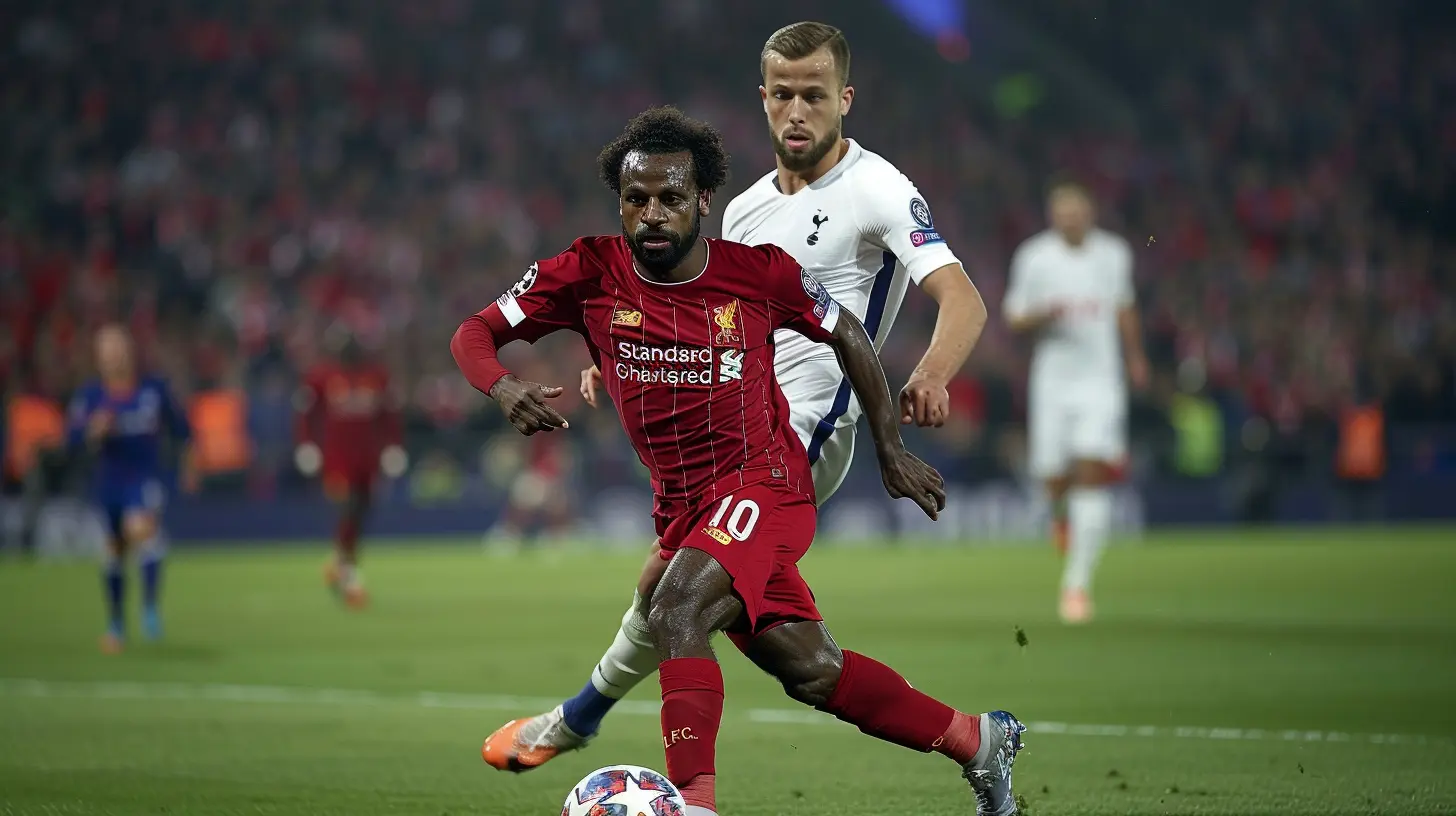
2. Team B’s Grit and Tactical Adaptation
Counter-Attacking Masterclass
If there’s one thing Team B demonstrated, it’s the art of counter-attacking football. They soaked up the pressure, remained compact defensively, and struck like a coiled snake when the opportunity arose. Speed and precision defined their attacking play, catching Team A off guard multiple times.However, relying solely on counter-attacking isn’t always sustainable. When facing teams that sit back, Team B might struggle to break down deep defensive blocks. This is an area they’ll need to refine if they want to remain competitive throughout the season.
Defensive Resilience That Saved Them
Despite conceding possession, Team B’s defense put in a shift. Blocks, last-ditch tackles, and a well-coordinated defensive structure kept them in the game. Their goalkeeper also deserves praise—pulling off stunning saves that kept his team in contention. Without his heroics, the scoreline could have told a very different story.Lack of Midfield Control
One evident weakness in Team B’s setup was their inability to control midfield battles. They often found themselves outnumbered in key areas, allowing Team A to dictate the pace. Against stronger opponents, this could become a major problem. A more composed midfield presence could help them achieve balance between attack and defense.
3. The Tactical Battle: A Game of Chess
Contrasting Styles on Full Display
This match was a textbook example of possession football vs. counter-attacking football. Team A looked to break down the defense with intricate passing moves, while Team B waited for the right moment to strike. Both approaches had their moments of success, but neither was dominant enough to secure a comfortable win.Coaches’ Impact on the Game
Both managers made adjustments throughout the match, tweaking formations and making substitutions to shift momentum. Some tactical decisions worked; others didn’t. The timing of the substitutions played a crucial role, with fresh legs injecting energy into both teams during critical moments.At times, it felt like a chess match—each move countered by another. It showed how important tactical flexibility is in modern football. 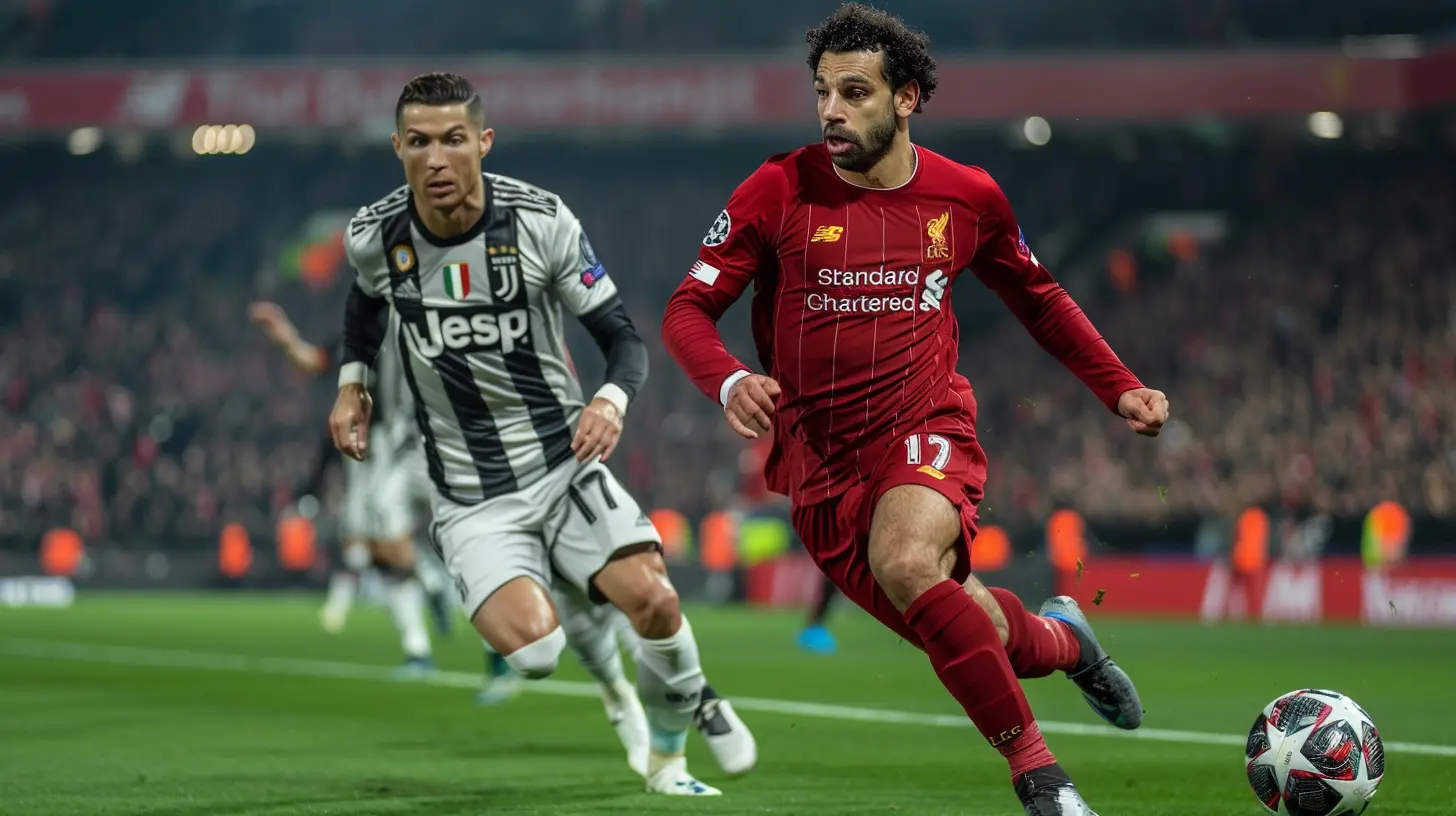
4. Key Lessons for Both Teams Moving Forward
For Team A:
- They must improve their finishing. Possession without end product means nothing.- Defensive concentration needs to be sharper, especially against teams that capitalize on small errors.
- They should find alternative attacking outlets rather than relying on a single star player.
For Team B:
- They need to develop a more balanced approach; counter-attacking alone won’t always work.- Midfield control is essential—they can’t afford to be overrun in crucial games.
- Their defensive resilience is promising, but they shouldn’t rely on last-ditch defending too often.
5. The Verdict: Who Looked Stronger?
This wasn’t a one-sided affair, and that’s what made it fascinating. Team A dominated possession but lacked finishing. Team B defended well and countered brilliantly but struggled in midfield control.Neither team was perfect, but both showed flashes of brilliance. The real question is: Who will learn from their mistakes faster? Because that will determine their success moving forward.
Football isn’t just about talent; it’s about evolution. And after last night’s battle, both teams have plenty to think about.
all images in this post were generated using AI tools
Category:
Post Match AnalysisAuthor:

Frankie Bailey
Discussion
rate this article
2 comments
Zora Vance
Last night's match really highlighted the strengths and weaknesses of both teams. Team A's resilience was impressive, proving they can bounce back under pressure. Meanwhile, Team B's lack of consistency raised questions about their strategy. It will be interesting to see how they adjust moving forward.
May 14, 2026 at 7:08 AM
Frankie Bailey
Absolutely! Team A showed great mental toughness, while Team B needs to find more stability. It will be crucial for both teams to adapt as the season continues.
Valencia McCarty
Last night's match exemplified resilience and teamwork. Both teams showcased determination and skill, reminding us that every challenge brings an opportunity for growth and unity.
March 21, 2026 at 4:49 AM
Frankie Bailey
I completely agree. The match truly highlighted the strength of collaboration and the valuable lessons that come from facing challenges together.