Breakthrough Recovery Tools Athletes Will Use by 2027
20 September 2026
Recovery used to be the boring part of sports. You stretched, you iced, you slept, and you hoped your body would forgive you by game day. That era is ending. Between 2025 and 2027, recovery is becoming a measurable, personalized, and in some cases predictive part of athletic training. The tools athletes will lean on are not magic. They are buildable extensions of what we already know about physiology, and the athletes who adopt them early will feel the difference in their joints, their sleep, and their careers.
This article walks through the recovery tools that are likely to become standard by 2027. It explains how each one works, when it makes sense, when it does not, and what to watch out for before you spend money or time.
Why Recovery Is Changing So Fast
Three forces are pushing recovery forward.First, wearable sensors got cheap and accurate enough to matter. Heart rate variability, sleep staging, skin temperature, and movement quality can now be tracked continuously without a lab.
Second, athletes and teams realized that training harder is not the same as training smarter. Overtraining injuries cost seasons and salaries. Any tool that reduces injury risk has a direct financial case.
Third, recovery is moving from subjective to objective. "I feel sore" is being replaced by "my HRV dropped 18 percent, my sleep efficiency fell, and my jump height is down 4 percent." That shift changes what athletes are willing to try.
The Big Shift: From Passive Rest to Active Measurement
For decades, recovery meant doing less. The new model treats recovery as a system you manage, not a break you take. You measure stress, you intervene, and you verify whether the intervention worked. That feedback loop is the real breakthrough. The tools below are simply the hardware and software that make the loop possible.
1. Personalized Cold and Heat Protocols
Cold plunges and sauna sessions are already popular. By 2027, the breakthrough is not the tub. It is the prescription.Blanket protocols like "10 minutes at 50 degrees" are being replaced by individualized dosing based on body composition, training load, and recovery goals. A sprinter recovering from a heavy session may need a short, cold exposure to reduce inflammation. A distance runner in a build phase may benefit more from contrast therapy that preserves adaptation signals.
Why it works
Cold exposure constricts blood vessels and can reduce perceived soreness. Heat increases blood flow and relaxes tissue. The key insight is that inflammation is not always the enemy. Blocking it too aggressively after strength work can blunt muscle growth. That is why timing and temperature matter more than total minutes.When to use it
Use cold exposure after competition or when soreness is limiting your next session. Skip it immediately after hypertrophy-focused lifting if you want maximum adaptation. Use heat before activity to loosen tissue, and after easy sessions to promote circulation.Common mistakes
The biggest error is treating cold as a daily ritual. Recovery tools are not vitamins. They are interventions with trade-offs. Another mistake is ignoring shivering. Uncontrolled shivering raises core temperature and can undo the intended effect.
2. Compression With Real-Time Feedback
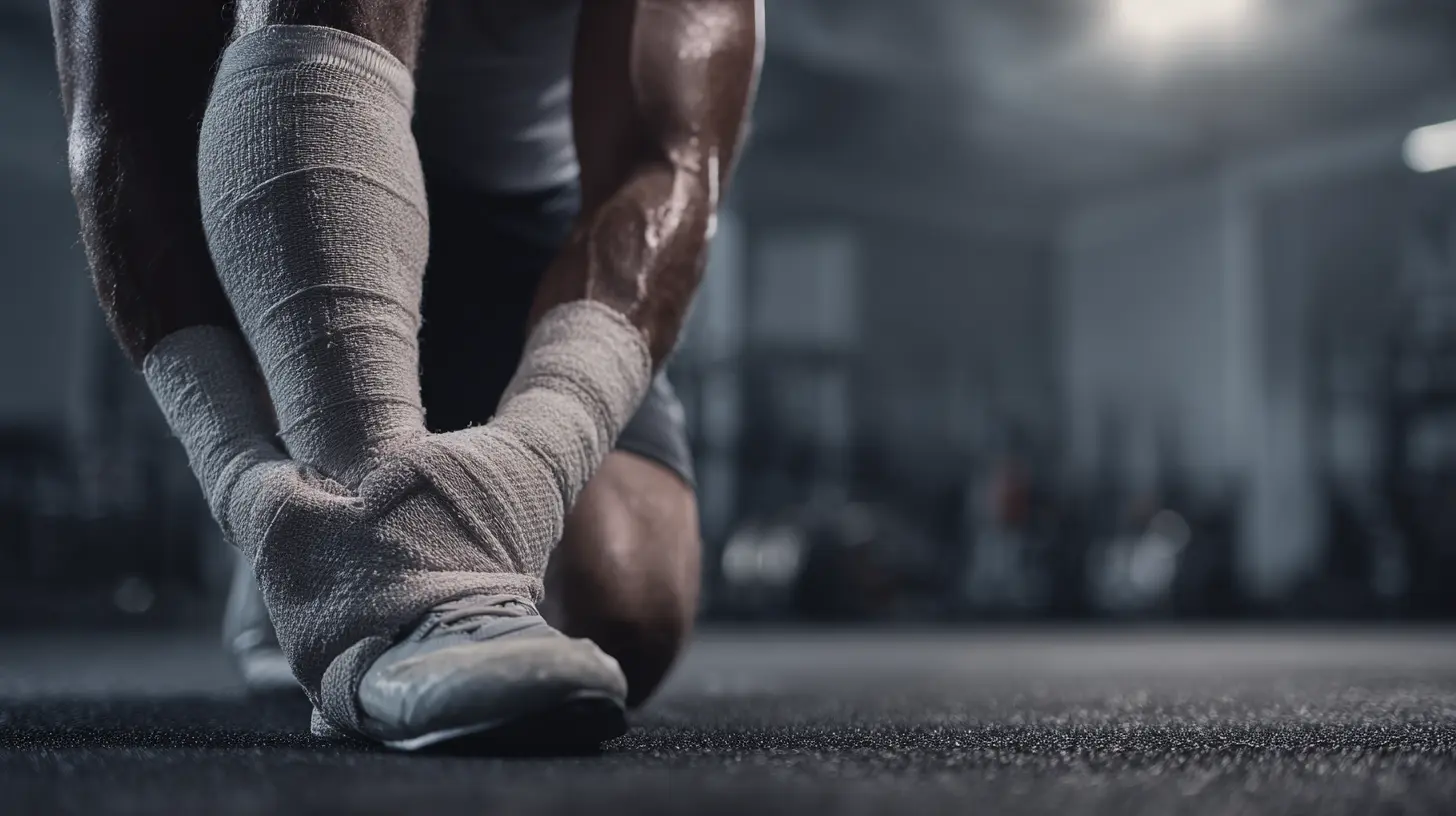
Compression garments are not new. What is new is compression that adjusts based on swelling, movement, and temperature. By 2027, expect sleeves and boots that log data and modify pressure throughout a session.Why it works
External pressure supports venous return, which helps clear metabolic waste and reduce swelling. Static compression helps, but dynamic compression can respond to what your body is actually doing. If your calf swells during a long flight or a long run, the garment can increase pressure in that zone.Trade-offs
These systems cost more and require charging and cleaning. They also create a dependency risk. If you cannot travel without your compression system, you may struggle in environments where it is unavailable. Use them as a tool, not a crutch.3. Sleep Tech That Actually Changes Behavior
Sleep is the most powerful recovery tool that exists. The problem is that knowing you slept badly does not fix it. The 2027 breakthrough is closed-loop sleep support: devices that adjust temperature, light, and sound in real time to keep you in deeper sleep stages.Why it works
Core body temperature must drop for sleep to begin. Cooling the mattress or the room at the right moment shortens the time it takes to fall asleep and reduces night wakings. Sound and light cues can also stabilize sleep cycles without drugs.What to consider
Sleep tech can trigger anxiety in some athletes. If tracking your sleep makes you sleep worse, stop tracking. The goal is better rest, not better data. Also be skeptical of devices that promise "perfect sleep." Sleep needs vary, and no algorithm knows your body better than your own patterns over time.
4. Blood Flow Restriction for Recovery, Not Just Strength
Blood flow restriction, or BFR, is mostly known as a strength tool. By 2027, it is likely to be used more widely for recovery in injured athletes who cannot handle heavy loads.Why it works
Restricting venous return while keeping arterial flow creates a low-oxygen environment that triggers metabolic stress. That stress can stimulate healing and maintain muscle without joint load. For an athlete with a stress fracture or post-surgical knee, this is valuable.When it should not be used
BFR is not for everyone. People with clotting disorders, severe hypertension, or a history of deep vein thrombosis should avoid it. It also requires proper cuff sizing and supervision. A poorly fitted cuff can be useless or dangerous. This is one tool where professional guidance is not optional.5. Neuromodulation for Pain and Recovery
Neuromodulation uses electrical or magnetic signals to influence nerve activity. Devices in this space are getting smaller and more targeted. By 2027, expect more athletes to use them for pain management and nervous system recovery.Why it works
The nervous system controls muscle tone, blood flow, and pain perception. If you can calm an overactive pain signal or improve parasympathetic tone, you can recover faster. This is not about masking pain. It is about restoring normal signaling.Real-world example
A football player with persistent hamstring tightness may not have a hamstring problem at all. The tightness could be a protective response from an irritated nerve. Neuromodulation can address that root cause rather than just stretching the muscle.Cautions
Results vary widely. Some athletes feel dramatic relief, others feel nothing. The science is still developing, so treat these devices as promising, not proven for every condition. Always pair them with proper diagnosis.
6. AI Recovery Coaches
By 2027, most serious athletes will have some form of AI-driven recovery assistant. These systems pull data from wearables, training logs, and subjective check-ins to recommend daily adjustments.Why it works
Humans are bad at noticing slow trends. An AI can spot a gradual decline in HRV or a subtle increase in resting heart rate before you feel it. That early warning can prevent a full-blown injury or illness.The danger of blind trust
An AI does not know your life. It does not know you had a fight with your partner or that your dog died. It also cannot feel your body. Use AI as a second opinion, not a commander. The best systems ask questions rather than issuing orders.7. Portable Blood and Saliva Testing
Lab testing used to mean a clinic visit and a week of waiting. By 2027, portable devices will give athletes same-day insight into markers like creatine kinase, cortisol, and inflammatory proteins.Why it works
These markers show how much damage a session caused and how well you are recovering. If creatine kinase is still elevated 48 hours after a workout, you may need more rest or a different recovery strategy.Practical considerations
Testing is only useful if you act on it. A number without a plan is just anxiety fuel. Also remember that these markers fluctuate for many reasons, including diet, hydration, and stress. One bad reading is not a crisis. Trends matter more than single data points.
8. Photobiomodulation, Better Known as Red Light Therapy
Red light and near-infrared therapy are moving from spas into locker rooms. The idea is that specific wavelengths of light can stimulate cellular energy production and reduce inflammation.Why it works
Mitochondria respond to certain light wavelengths by increasing ATP production. More ATP means faster repair. The effect is modest but real for some applications, especially skin healing and joint pain.What to watch
Not all devices are equal. Wavelength, power density, and treatment time matter enormously. A cheap panel may not deliver enough energy to do anything. Also be wary of claims that red light replaces sleep, nutrition, or loading. It does not.9. Virtual Reality for Mental Recovery
Recovery is not just physical. Mental fatigue slows reaction time and increases injury risk. By 2027, VR will be used for guided relaxation, visualization, and attention restoration.Why it works
The brain responds to immersive environments. A calm forest scene can lower heart rate and cortisol. A guided visualization can rehearse movement patterns without physical load. This is especially useful for injured athletes who cannot train normally.Trade-offs
VR can cause nausea in some users. It also requires time and a quiet space. For athletes who already struggle to unplug, adding another screen may not help. Use it intentionally, not as entertainment.
10. Smart Beds and Sleep Environments
Beyond sleep tracking, the bed itself is becoming a recovery device. Smart beds can adjust firmness, temperature, and elevation to support recovery and breathing.Why it works
Elevating the legs can reduce swelling. Cooling the body can deepen sleep. Adjusting firmness can reduce pressure points after a heavy session. These are small effects that compound over hundreds of nights.When it is overkill
If you sleep well on a basic mattress and wake up refreshed, you may not need a smart bed. Spend money on sleep basics first: dark room, cool temperature, consistent schedule. Technology is the icing, not the cake.How to Choose What Actually Helps You
With so many tools, the temptation is to buy everything. That is a mistake. Recovery tools work best when they target your specific bottleneck.Ask yourself three questions:
1. What is limiting my recovery right now? Sleep, soreness, stress, or injury?
2. What does the evidence say about this tool for my situation?
3. Can I use this consistently without disrupting my life?
If a tool fails any of these, skip it for now. You can always revisit later.
Common Misconceptions About Recovery Technology
More data is always better. False. Data you do not act on is noise. Data that makes you anxious is harmful.Recovery tools replace hard work. False. They support adaptation. Without training stress, there is nothing to recover from.
Expensive means effective. False. Sleep, nutrition, and stress management remain the foundation. A 5000 dollar recovery gadget cannot fix a 5 hour sleep habit.
If it works for a pro, it works for me. Not necessarily. Pros have different genetics, schedules, and support systems. What works for them may be unnecessary for you.
What to Expect by 2027
By 2027, recovery will be more integrated. Instead of separate devices, you will see ecosystems that talk to each other. Your bed, your watch, your compression boots, and your AI coach will share data and coordinate recommendations.The athletes who benefit most will not be the ones with the most gadgets. They will be the ones who understand the principles behind recovery and use technology to support those principles. Recovery is not a product. It is a practice. The tools just make the practice easier to follow.
Final Thoughts
The next few years will bring real progress in recovery. Cold and heat will be prescribed, not guessed. Sleep will be actively supported, not just tracked. AI will catch problems before they become injuries. But none of this replaces the basics: sleep, food, hydration, and intelligent training.Use these tools to remove obstacles, not to chase perfection. Your body is not a machine, and recovery is not a score. It is the quiet work that lets you keep doing what you love.
all images in this post were generated using AI tools
Category:
Injury UpdatesAuthor:

Frankie Bailey