The Rise of Soft Tissue Injuries in College Football 2026
17 April 2026
Let’s talk about the silent epidemic sweeping through college football. It’s not the bone-jarring, helmet-rattling collisions that make the highlight reels. No, this is something quieter, more insidious, and it’s sidelining star players at an alarming rate. We’re talking about soft tissue injuries—the pulls, the tears, the strains of muscles, tendons, and ligaments. By 2026, what was once a nagging concern has erupted into a full-blown crisis, reshaping how teams prepare, play, and protect their most valuable assets: the athletes themselves.
If you’ve followed a college team recently, you’ve felt the frustration. A dynamic wide receiver pulls a hamstring in warm-ups. A powerhouse defensive end suffers a calf strain in the fourth quarter of a tight game. The starting quarterback is out for three weeks with a groin issue. It feels random, like cruel luck. But what if I told you it’s not random at all? What if this surge is the direct, and somewhat predictable, result of a perfect storm of factors that have been brewing for years? Let’s dive into the why, the how, and what’s being done to turn the tide.
The Perfect Storm: Why 2026 is the Tipping Point
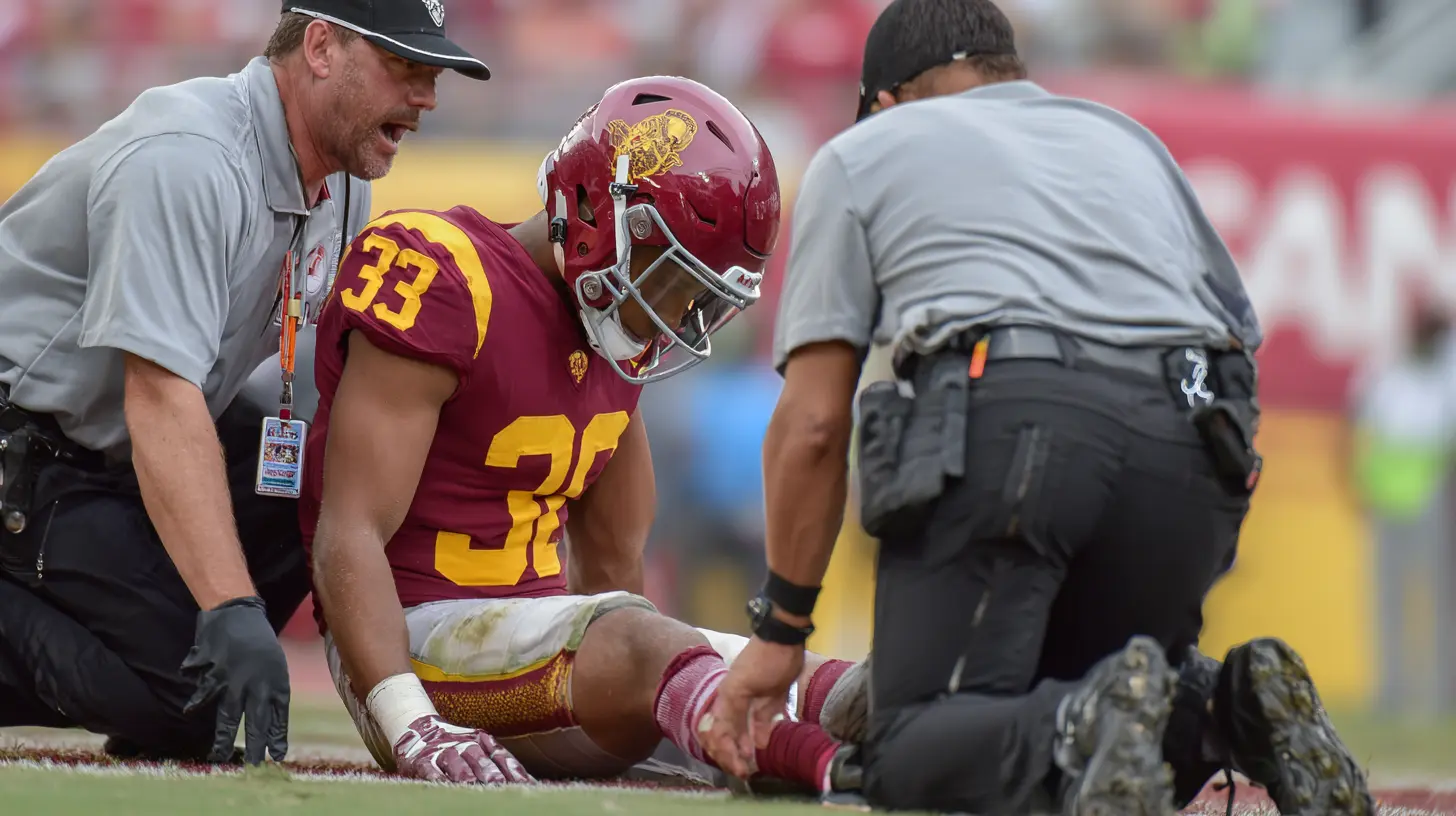
To understand the rise, we have to look at the confluence of forces at play. Imagine a bridge. For decades, it handled a certain amount of traffic just fine. But now, the cars are heavier, they’re moving faster, and the maintenance schedule hasn’t kept up. Is it any surprise when stress fractures appear? College football in 2026 is that bridge, and soft tissue injuries are those warning signs.The Year-Round Grind is Relentless. The concept of an "off-season" has become almost mythical. Today’s college athlete transitions from a grueling season directly into intense strength and conditioning programs, then into spring practice, then into summer training camp. There’s no true physiological "reset" period for muscles and connective tissues to recover fully. They’re constantly in a state of being broken down and rebuilt, which, without meticulous care, is a recipe for overuse injuries.
The Size-Speed Paradox. Players are bigger, stronger, and faster than ever before. This isn’t your grandfather’s football. Linemen move like tight ends, and running backs have the explosive power of Olympic sprinters. But here’s the catch: while strength and speed training have advanced exponentially, the resilience of the human body’s soft tissue hasn’t evolved at the same pace. We’re asking these structures to contain and redirect forces they were never designed to handle. A hamstring muscle, for instance, is now expected to fire with the power of a piston while decelerating a 220-pound body moving at 20 miles per hour. Something’s gotta give—and often, it’s the muscle fiber.
The Data Dilemma. Sports science is a double-edged sword. We have more data than ever—GPS trackers, heart rate monitors, load metrics. But are we interpreting it correctly, or are we drowning in numbers? A coach might see a player’s speed output is down 5% and push him harder, not realizing that dip is the body’s last cry for help before a strain. The pressure to optimize every single metric can sometimes override the intuitive, human element of athlete management.
Beyond the Muscle: The Hidden Cost of the Injury Wave
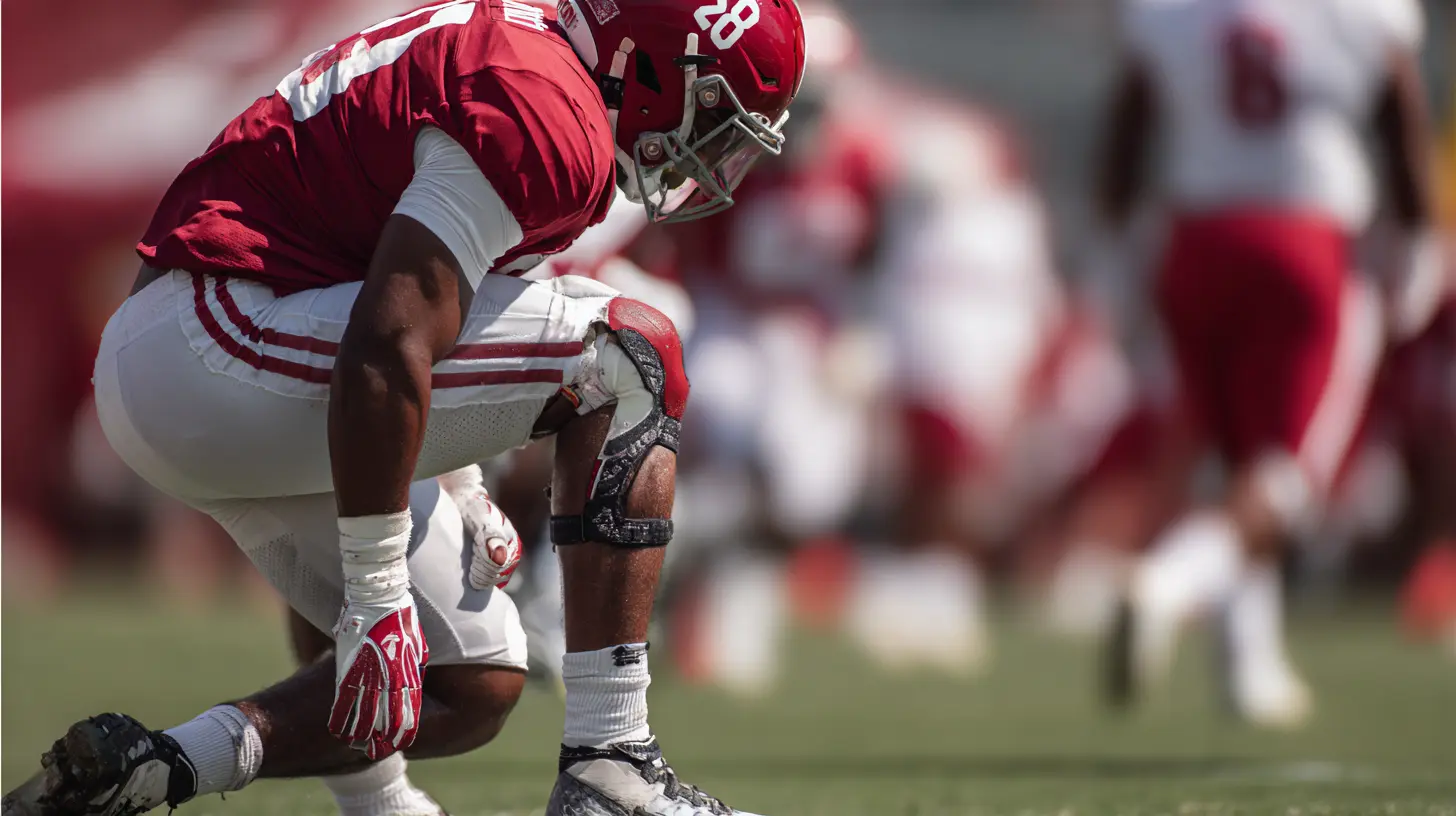
When a player goes down with an ACL tear, the impact is obvious and the recovery timeline is long but fairly standard. Soft tissue injuries are trickier. They’re the ghosts in the machine—unpredictable, prone to re-injury, and devastating in their own way.The Ripple Effect on a Team. Losing a key player to a six-week hamstring strain isn’t just about filling a spot on the depth chart. It disrupts chemistry, forces younger, less-prepared players into high-leverage situations, and changes the entire game plan. The offensive playbook might shrink without a deep-threat receiver. The defensive play-calling becomes more conservative without a pass-rush specialist. It’s a domino effect that can derail a season’s aspirations.
The Toll on the Athlete. This is the part we don’t see on the injury report. The psychological grind of a soft tissue injury is brutal. With a broken bone, you see the cast, you feel the stability, and the healing path is clear. With a strained muscle or tendon, there’s constant doubt. Did I push too hard today? Is that a tweak or just normal soreness? Will it pop again the first time I really open up? This mental hurdle often lasts long after the medical clearance, affecting performance and confidence. A player might be back on the field, but is he truly back, or is he playing with the subconscious brakes on?
The NIL and Transfer Portal Pressure. Welcome to the new landscape of college football. With Name, Image, and Likeness (NIL) deals and the ease of the transfer portal, a player’s value is directly tied to his visibility and availability. Missing games isn’t just about team success; it’s about potential financial loss and a damaged "brand." This creates immense pressure to return prematurely, to hide minor tweaks, and to skip the necessary, boring steps of rehab. Conversely, a player with a history of recurrent soft tissue issues might see his NIL valuation and transfer prospects plummet. The injury is no longer just physical; it’s economic.
The New Playbook: How Programs Are Fighting Back in 2026
The good news? College football isn’t just standing by. The rise of these injuries has sparked an innovation arms race, with elite programs investing heavily in prevention. It’s no longer just about treating injuries; it’s about building athletes who can withstand the demands of the modern game.Prehab Over Rehab: The Proactive Revolution. The most forward-thinking strength and conditioning staffs have shifted their philosophy. They’re dedicating as much time to "prehabilitation" as they are to building raw power. This means:
* Eccentric Emphasis: Focusing on the muscle-lengthening phase of exercises (like slowly lowering a weight), which is crucial for tendon strength and injury resilience.
* Isolated Muscle Training: No more just squats and bench presses. Targeted work for often-neglected areas like the hamstrings, hip flexors, and rotator cuff muscles is now mandatory.
* Recovery as Training: Cryotherapy, float tanks, advanced compression gear, and mandated sleep tracking aren’t luxuries; they’re considered essential components of the training load.
The Rise of the Micro-Specialist. The team doctor and head athletic trainer are now supported by a full suite of experts. It’s common to see:
* Tendon Health Specialists: Physios who focus solely on load-managing and strengthening Achilles tendons and patellar tendons.
* Movement Neurologists: Experts who assess how an athlete’s brain communicates with his muscles, fixing inefficient firing patterns that lead to strain.
* Nutritional Biochemists: Who tailor supplement and food plans not for bulk, but for collagen synthesis and tissue repair.
Technology Gets Smarter. The next generation of wearables goes beyond tracking how much work is done to assess how well it’s done. Real-time sweat analysis can signal dehydration and electrolyte imbalance before cramping sets in. Force plate technology analyzes an athlete’s jump landing, identifying asymmetry that predicts a future groin or hamstring pull. AI algorithms are starting to synthesize all this data, not to give a coach more numbers, but to give a simple, clear alert: "Player X is in the red zone for a quadriceps strain. Recommend reducing high-speed reps by 30% today."
The Road Ahead: Can the Tide Be Turned?
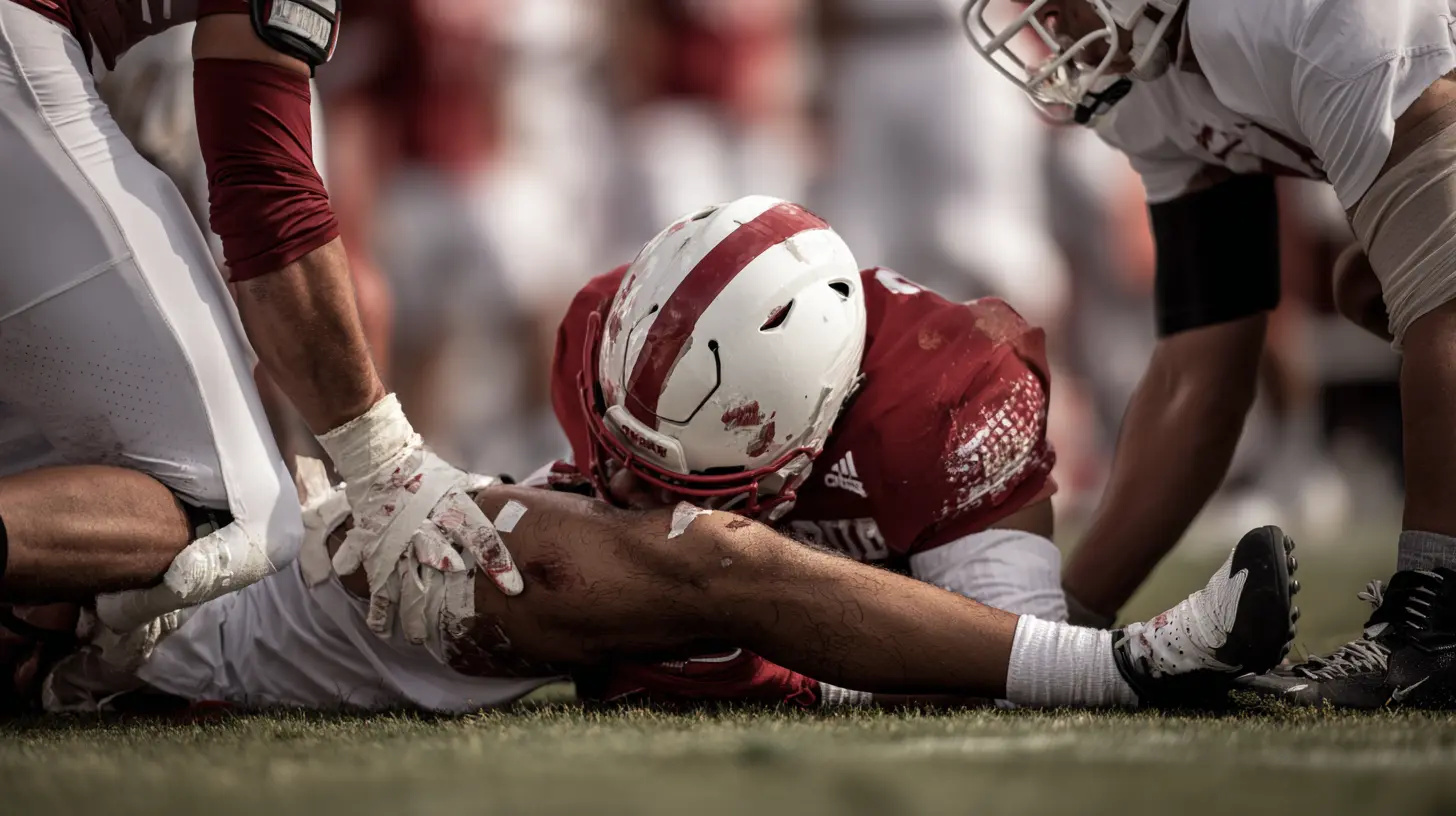
So, where does this leave us? The rise of soft tissue injuries in 2026 is a complex problem without a magic bullet. It’s a physiological challenge born from athletic evolution, compounded by the new pressures of the sport’s ecosystem.The path forward requires a cultural shift. It means coaches trusting sports science over the old-school "push through the pain" mantra. It means athletes viewing meticulous recovery and prehab not as optional extras, but as core responsibilities. It means administrators valuing long-term athlete health as much as short-term wins.
We’re at a crossroads. Will we continue to see star players sidelined by preventable injuries, or will the innovations of 2026 lay the groundwork for a stronger, more durable future for the sport? The answer lies not in a single breakthrough, but in a sustained commitment to treating the athlete as a whole human—not just a collection of muscles and metrics.
The game we love is evolving at breakneck speed. The question is, can the bodies playing it evolve fast enough to keep up? The fight against the soft tissue epidemic is the most important game within the game, and the stakes have never been higher.
all images in this post were generated using AI tools
Category:
Injury UpdatesAuthor:

Frankie Bailey
Discussion
rate this article
2 comments
Sable Watson
It's concerning to see more soft tissue injuries in college football. With players pushing their limits, we need to focus on better training and recovery practices. Here's hoping for a healthier future for all athletes out there... they deserve it!
August 12, 2026 at 10:49 AM
Frankie Bailey
I completely agree. Prioritizing training and recovery is crucial for athlete health. We need to keep pushing for improvements in those areas.
Preston McMeekin
While the rise of soft tissue injuries in college football presents challenges, it also highlights the resilience and determination of athletes. With advancements in training, recovery, and awareness, this generation will adapt and thrive, proving that setbacks can pave the way for even greater comebacks!
April 22, 2026 at 4:41 AM
Frankie Bailey
Absolutely. It's inspiring to see how athletes respond to adversity. Their ability to adapt and come back stronger is a testament to their dedication and spirit.