The Rise of Female Voices in Sports Broadcasting
31 July 2026
Sports broadcasting has always been a high-stakes, high-energy world where the loudest and most confident voices shaped public opinion. For decades, those voices were predominantly male. But times have changed—and are still changing. One of the most exciting shifts in the industry today is the rise of female voices in sports broadcasting.
This change hasn't just added diversity to the sports media landscape—it's also brought fresh perspectives, unique storytelling, and deeper emotional intelligence to the microphone. So why is this rise happening now, and what does it mean for the future of sports media?
Let’s break it down.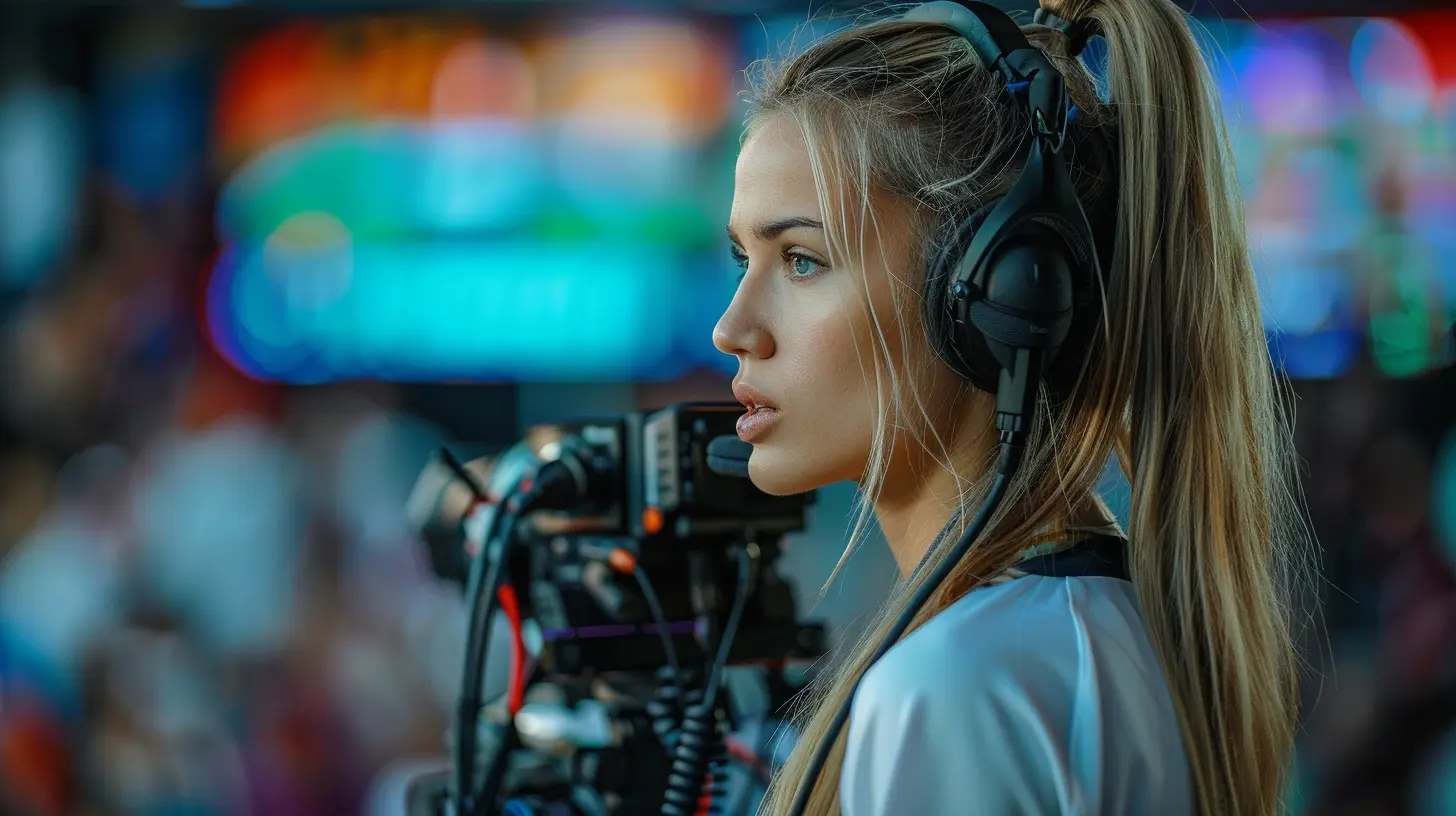
A Look Back: The Male-Dominated Mic
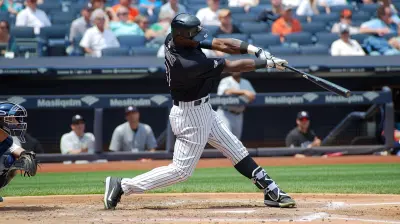
Before we dive into the now, we’ve got to glance at the past. For the longest time, sports broadcasting was a boys' club—locker room talk made public. Women were mostly seen, not heard. They’d show up on the sidelines or in the studio, but rarely had significant play-by-play or commentary roles.Back in the '70s or '80s, female reporters covering sports were a rarity. They were often met with skepticism or outright hostility. Female broadcasters weren’t judged by their knowledge of the game—they were judged by their looks, their voices, or their “place” in the sports world. Harsh? Totally. But true.
Even pioneers like Lesley Visser, who was the first female NFL analyst on television, had to fight for credibility in every broadcast. These trailblazers paved the way, but the road was bumpy.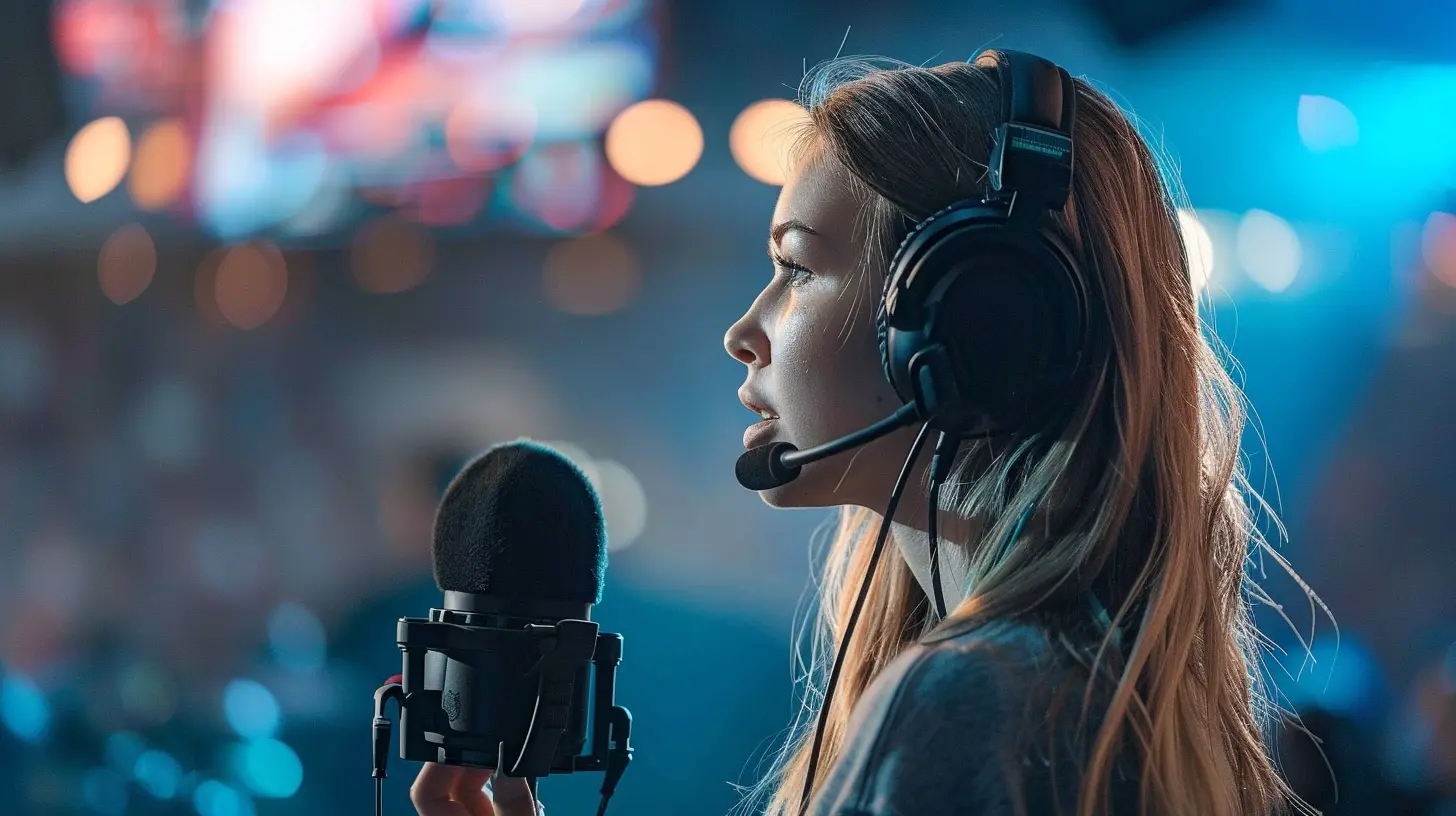
So, What's Changing?
Fast forward to today, and the game is finally shifting in favor of inclusivity.Now, we’ve got women not just on the sidelines, but in the commentary booth and behind the play-by-play microphone. And guess what? They’re crushing it.
Why the shift? A few things are fueling the momentum:
1. Social Progress and Changing Audience Expectations
Let’s be real: fans today are smarter and more inclusive than ever. Audiences are calling out outdated norms and demanding representation that reflects the real world. This pressure has forced media outlets to reinvent their talent rosters—and it's been a long time coming.People don’t just want to hear what’s happening on the field—they want insight, emotion, and authenticity. And women bring a unique voice and viewpoint that resonates with today’s more diverse viewership.
2. The Rise of Women’s Sports
Women's sports are finally getting the attention they deserve. From the WNBA to the National Women’s Soccer League to Olympic events, female athletes are dominating headlines.Naturally, it makes sense to have women narrate these stories. Who better to tell the story of Serena Williams, Simone Biles, or Megan Rapinoe than women who understand the layers, pressure, and purpose behind their achievements?
3. Social Media and Personal Branding
Here’s the kicker: social media turned the tide. Platforms like Twitter and Instagram have allowed female broadcasters to control their narrative, showcase their knowledge, and build strong followings on their own terms. They’re not waiting for sports networks to validate them—they’re building personal brands that fans trust and respect.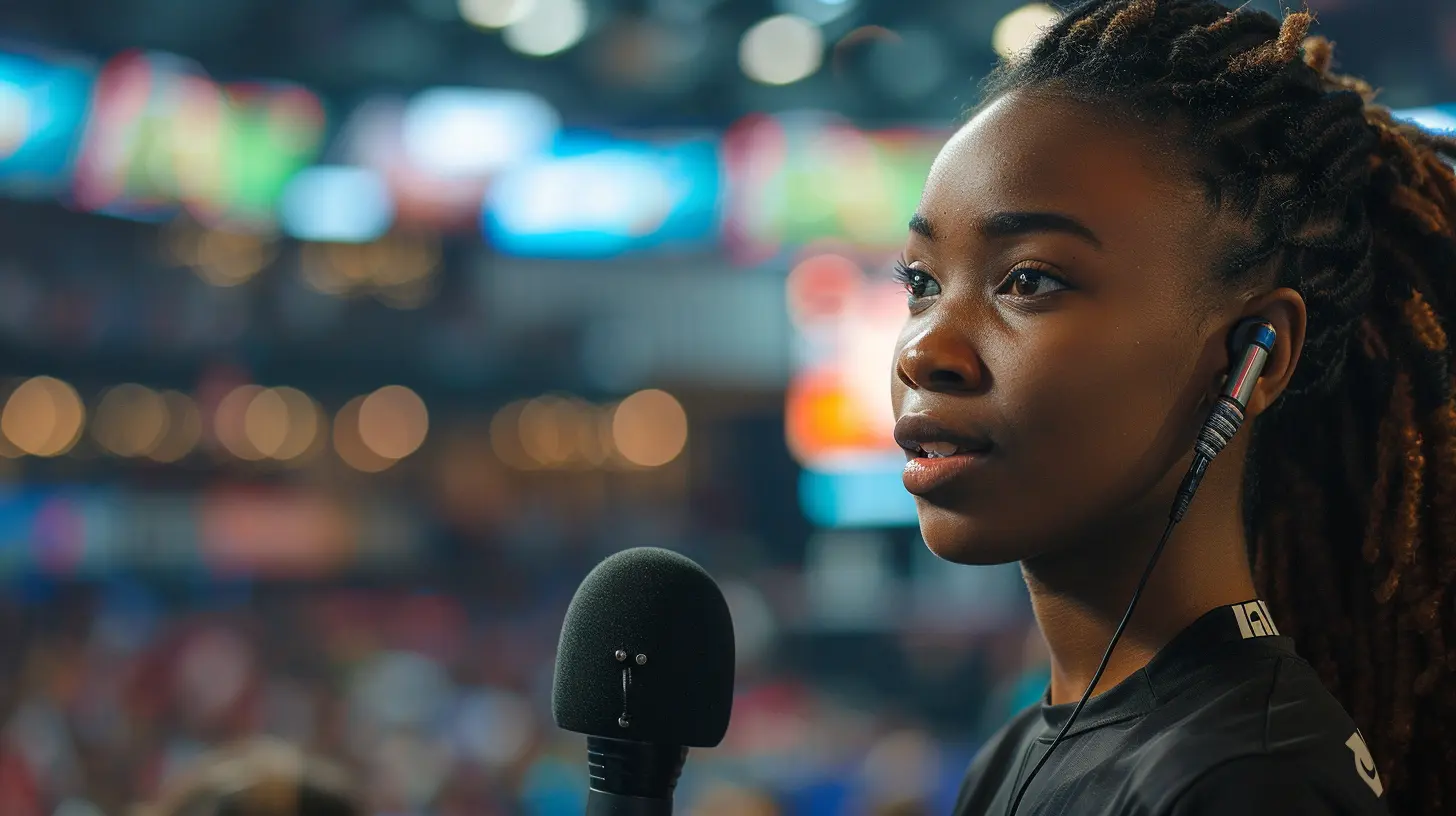
Big Names, Big Impact
Let’s give credit where it’s due. These women aren’t just “making it”—they’re redefining the entire industry. Here are a few powerhouse names you should definitely know:Maria Taylor
Maria’s rise has been nothing short of inspiring. She's covered college football, the NBA, and the Olympics, all with poise and authority. She made a bold move from ESPN to NBC Sports, proving that she’s not just a sideline reporter—she’s a media force.Doris Burke
Doris is basically an icon at this point. She shattered ceilings as the first woman to call a New York Knicks game on TV and later became a full-time NBA game analyst. If you’ve ever listened to her during an NBA broadcast, you know she’s got insights that even NBA veterans respect.Erin Andrews
Not only is she a seasoned sideline reporter for the NFL, but she’s also become a brand unto herself. With charm, confidence, and credibility, Erin’s interviews and analysis are must-watch.Holly Rowe
Holly’s reporting style is empathetic, passionate, and deeply informed. What sets her apart is her commitment to storytelling—that ability to go beyond stats and scores and get to the emotional core of the game.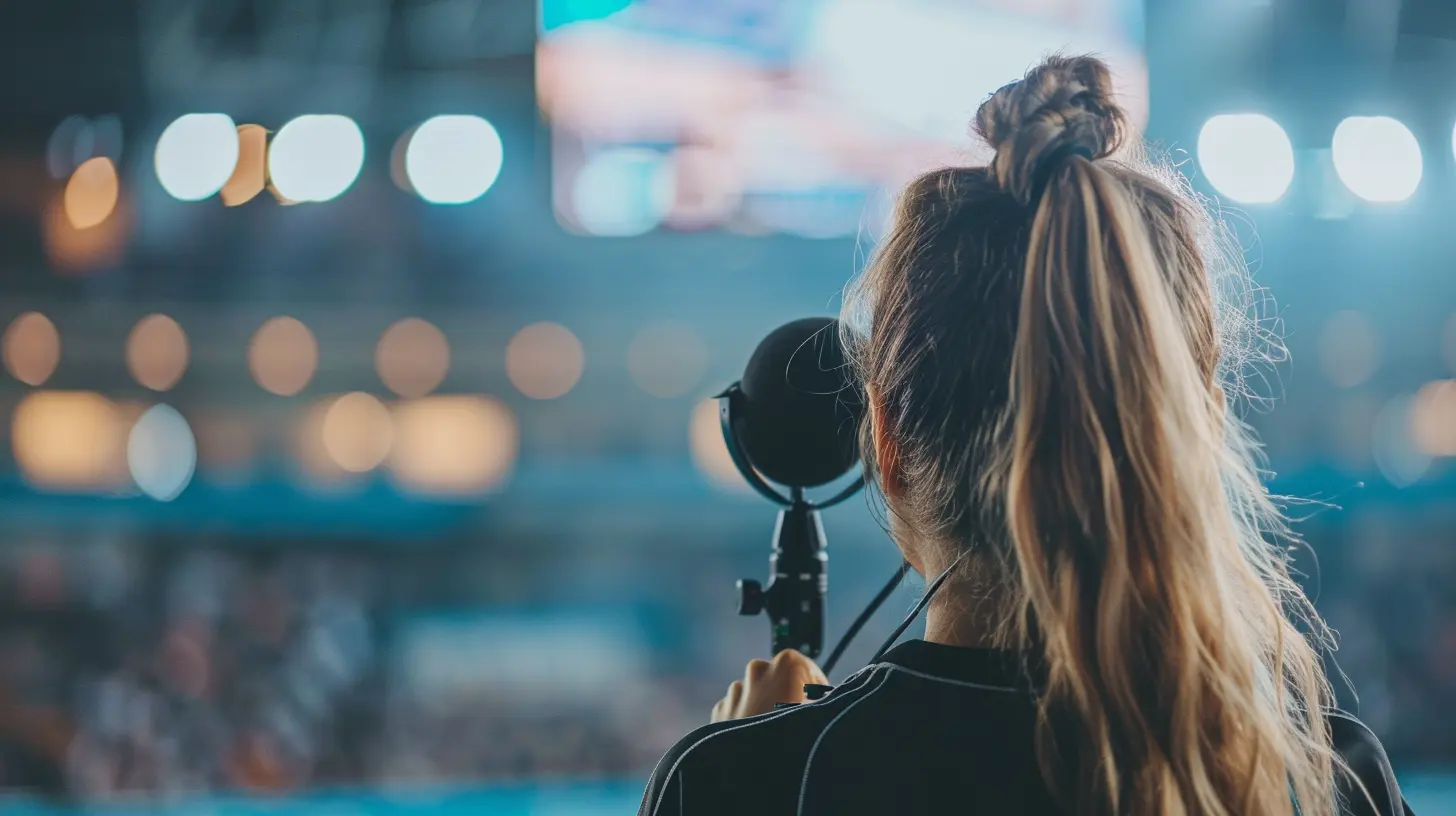
The Challenges Still Facing Women in Sports Media
It’s important to celebrate progress, but we can’t ignore the hurdles. Being a woman in sports broadcasting still comes with its share of challenges.1. Online Harassment
Unfortunately, being visible online comes with a cost. Many female broadcasters deal with trolls, sexist comments, and threats simply for doing their jobs.This kind of toxicity can be draining. These women need more than thick skin—they need strong company support systems that prioritize mental health and workplace safety.
2. The “Prove Yourself” Syndrome
While many male broadcasters benefit from the assumption of authority, women often have to prove they belong—over and over again. It's like playing a game where the rules shift every time you win.They’re not allowed the luxury of a bad day or a slip-up. The margin for error is razor-thin, and every mistake is amplified.
3. Lack of Mentorship and Representation
Entering a male-dominated industry is hard enough. But doing it with no mentor or role model? Even harder. Though the tide is turning, many women still struggle to find other women in leadership positions to guide them through the industry jungle.The Ripple Effect: Why It Matters
Now you might be thinking, “So what? It’s just sports.” But it’s bigger than that.Representation matters. When young girls see women like Malika Andrews leading NBA programming or Beth Mowins calling an NFL game, it sends a powerful message: “This could be you.”
It tells boys, too, that expertise and talent aren’t gendered. That respect on the mic comes from knowledge, preparation, and performance—not chromosomes.
And let’s not forget: more women in media can lead to better, richer storytelling. Different angles. More empathy. Less machismo, more meaning. It makes the entire sports-viewing experience better for everyone.
What the Future Looks Like
The momentum isn't slowing down. In fact, there’s a good chance it’s just getting started.Here’s what we could be seeing more of in the near future:
1. All-Female Broadcast Crews
Remember the all-female MLB broadcast on YouTube in 2021? That wasn’t just a gimmick—it was a glimpse into the future. Viewers responded positively, and the quality of the broadcast spoke for itself.We’ll likely see more of these lineups across all sports.
2. More Women in Leadership Roles
The next step? Putting women in executive positions behind the scenes. When women help make hiring decisions, produce shows, or direct editorial strategy, the entire editorial voice shifts.3. Expansion Across New Sports and Platforms
As sports media continues to grow into podcasts, YouTube channels, streaming services, and TikTok clips, there are more opportunities than ever for women to break in, set trends, and shape narratives.And honestly, they’re already doing it.
How Sports Fans Can Help
Want to support this shift? Here’s the playbook:- Engage with female sports broadcasters on social media. Likes, shares, and comments help their visibility.
- Call out misogyny. Don’t let sexist comments slide, whether it’s in your group chat or a comment thread.
- Support women’s sports. Watch the games, buy the merch, talk about the athletes. It all adds up.
- Tune into broadcasts led by women. Ratings matter—your viewership sends a signal to networks.
Wrapping It Up: The Mic Sounds Different Now
The rise of female voices in sports broadcasting isn't just a trend—it’s a powerful movement reshaping the sound of sports forever. The voices calling the plays, analyzing the stats, and telling the stories are more diverse, more dynamic, and more representative of the fans watching.We still have work to do, but the game has changed—and changed for the better.
So next time you turn on a game and hear a female voice breaking down a play or delivering post-game analysis, take a second to appreciate it. That voice didn’t come easy. It came through grit, hustle, and the belief that she belongs behind that mic just as much as anyone else.
Because she does.
all images in this post were generated using AI tools
Category:
Sports BroadcastingAuthor:

Frankie Bailey
Discussion
rate this article
1 comments
Maxwell McClendon
Wow, what a shocking twist! Who knew women could talk about sports too? Next thing you know, they might even start playing the games. What a world!
August 1, 2026 at 11:52 AM
Frankie Bailey
Glad you found it surprising! Women have a lot to say about sports, and they're already changing the game. Just wait and see what's next.