The Influence of the Crowd: Did Home Advantage Play a Role?
3 June 2026
When we watch a game, be it football, basketball, or any other sport, there's an undeniable energy that emanates from the stands. The roar of the crowd, the chants, the collective gasps, and the cheers all seem to add an extra layer to the drama on the field. But, does this influence the outcome of the game? Does the support of the home crowd actually give the home team an advantage, or is it all just psychological fluff? In this post-match analysis, we’ll dive deep into the concept of home advantage and figure out if the crowd really plays a role in determining the winner.
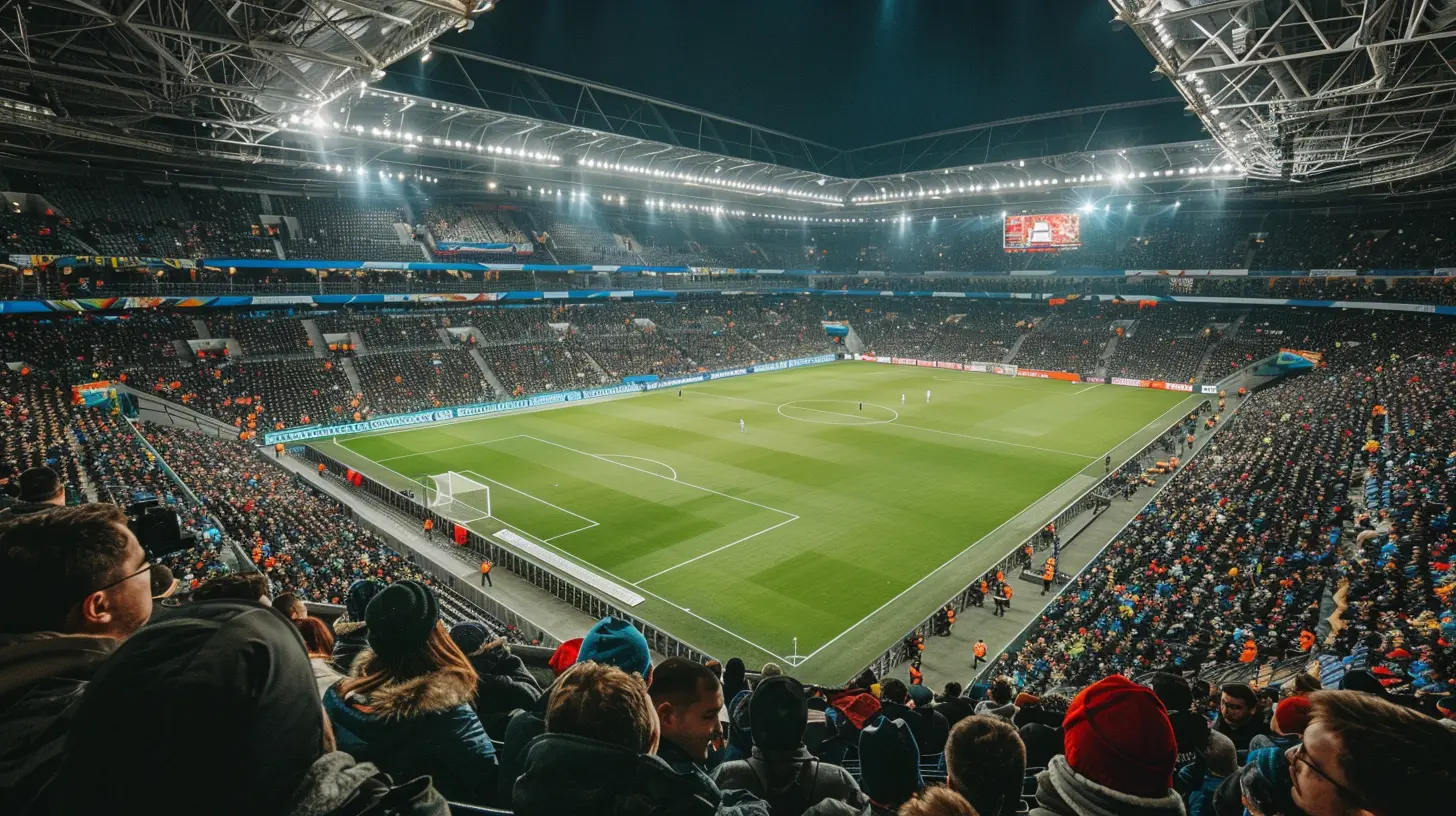
What is Home Advantage?
First things first, let’s define what we mean by "home advantage." It’s a term that gets thrown around a lot in sports circles, but what does it actually signify? Home advantage refers to the phenomenon where the home team is statistically more likely to win compared to the away team. This is a widely accepted idea across various sports, from football to tennis to basketball. It’s almost as if playing on your own turf gives you an invisible boost.But why does this happen? Is it just the comfort of being on familiar ground, or is there something more to it?
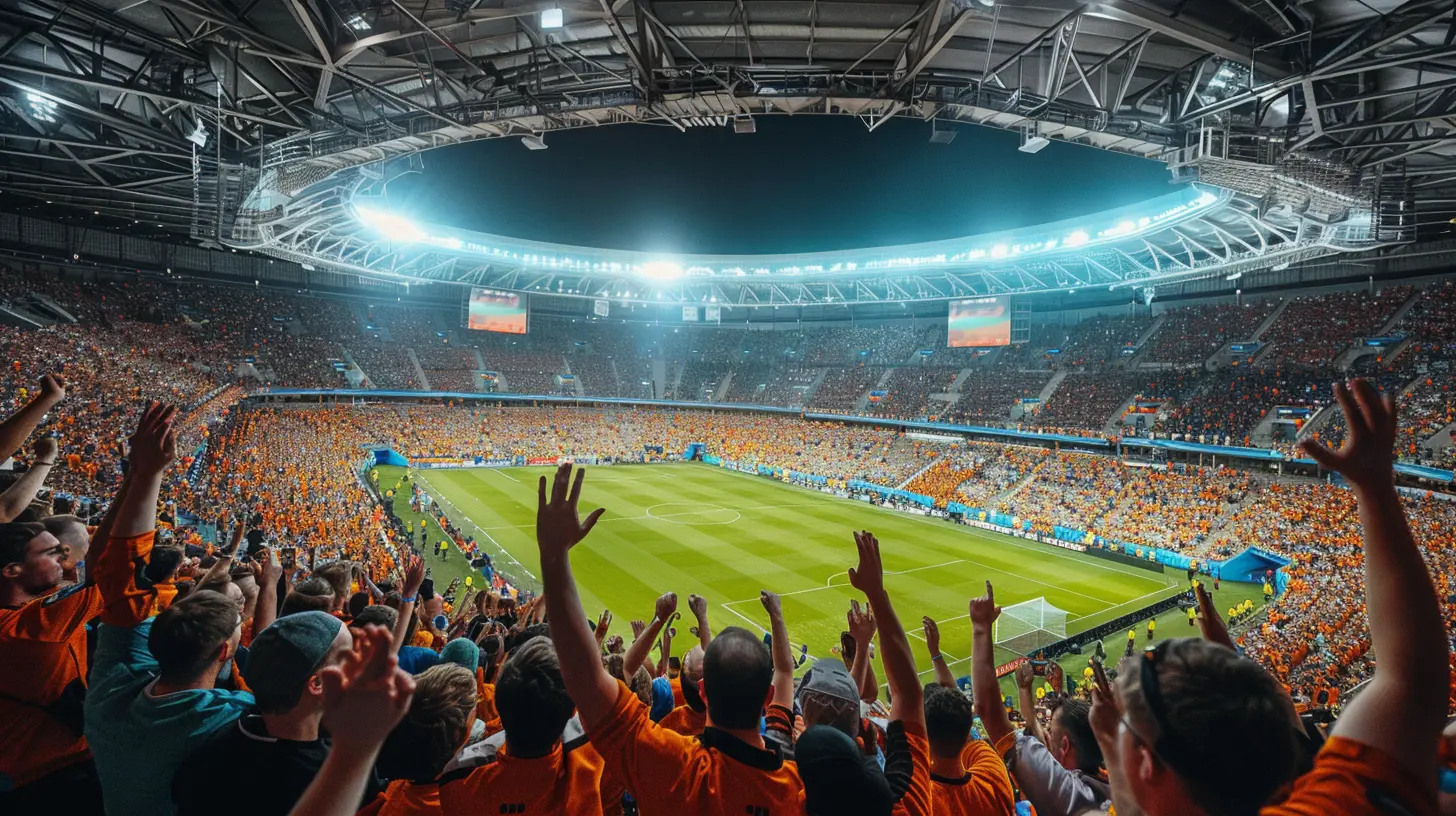
The Role of the Crowd: More Than Just Noise?
One of the most commonly cited reasons for home advantage is the crowd. Sports fans are more than just spectators; they’re participants in the drama. Every cheer, every chant, every boo can have an impact on the players, consciously or not.Psychological Boost for the Home Team
There's no denying that the sound of thousands of people chanting your name or roaring in approval can give you a confidence boost. Imagine yourself in the shoes of a player. You’re exhausted, the game is tied, and you’re pushing yourself for that final effort. Suddenly, you hear the crowd behind you, urging you on. It’s like adrenaline on demand. That’s exactly what athletes experience on their home turf.The home crowd serves as a 12th man in football or an extra player in basketball. They raise the energy of the home team, helping them push through fatigue, recover from mistakes, and generally play with more intensity. This psychological boost can be the difference between winning and losing.
Intimidating the Away Team
On the flip side, the crowd doesn’t just boost the home team—it can also rattle the away team. Playing in front of a hostile crowd can feel like walking into enemy territory. Every mistake is amplified by the jeers, every missed opportunity met with sarcastic cheers.For athletes, especially younger or less experienced ones, this can be unnerving. Imagine making a crucial mistake and having thousands of people remind you of it all at once. It’s demoralizing. The pressure of performing under intense scrutiny can lead to errors, and those errors can swing the game in favor of the home team.
Referee Bias
Alright, this one’s a bit controversial, but let’s talk about it. Some studies suggest that referees, whether consciously or not, may be influenced by the home crowd. After all, referees are human too, and they can fall prey to the psychological pressure of thousands of screaming fans.You’ve probably seen it before—a dodgy penalty call, a lenient foul, or an extra bit of stoppage time that seems to favor the home side. While referees strive for impartiality, the consistent noise of the crowd can sway their decisions, even if it’s just a fraction. Over the course of a game, these small decisions can add up, giving the home team an edge.

Home Comforts: Familiarity Breeds Success
Beyond the crowd, there are other factors that contribute to home advantage. One of the biggest is simply the comfort of playing in familiar surroundings. Home teams know their stadium inside out—the quirks of the pitch, the dimensions of the court, the bounce of the ball. It’s their playground, and they’re used to every nook and cranny.Travel Fatigue for the Away Team
On the other hand, the away team often has to deal with the physical toll of travel. Think about it: long flights, different time zones, and unfamiliar environments can all take their toll on an athlete's body. Even if they’re professionals, the disruption to their normal routine can affect performance. And let’s not forget about the mental aspect—sleeping in a hotel bed, eating different food, and being away from family. All of these things can add up and subtly affect an athlete’s focus and energy levels.Familiar Conditions
Another key factor is the environment. Home teams are more accustomed to the specific playing conditions in their own stadium. Whether it's the altitude (think Denver in the NFL), the weather, or the quality of the pitch, these small details can have a big impact on the game. The home team knows how to adapt to these conditions, while the away team may struggle to adjust.Routines and Habits
There’s also something to be said about routine. Home teams get to follow their usual pre-game rituals—sleeping in their own beds, eating their regular pre-game meals, and sticking to their established warm-up routines. These may seem like small things, but for athletes, routine is everything. Disrupting that can throw off their mental preparation and performance.
Does Home Advantage Always Matter?
Okay, so we’ve established that home advantage is a real phenomenon. But does it always matter? The answer, as with most things in sports, is: it depends.The Power of Elite Teams
For elite teams, home advantage might not be as crucial. These teams are so well-drilled, so professional, that the crowd and travel fatigue don’t affect them as much. They’re used to performing under pressure, and they know how to block out distractions. That’s why you’ll often see top teams like Manchester City in football or the Golden State Warriors in basketball winning on the road as often as they do at home.For these teams, skill and tactics are often more important than the psychological boost of playing at home.
The Underdog Effect
But for underdogs, home advantage can be a game-changer. When a smaller, less talented team plays at home, they can use the crowd and the familiarity of their surroundings to level the playing field. The energy from the fans can push them to perform beyond their usual level, and the pressure on the away team can lead to mistakes. In fact, some of the biggest upsets in sports history have come when a lower-ranked team used home advantage to defeat a superior opponent.The Pandemic Effect: What Happens Without a Crowd?
The COVID-19 pandemic gave us a unique opportunity to test just how important the crowd is to home advantage. With games being played in empty stadiums, the influence of the fans was completely removed. And guess what? The results were fascinating.Across multiple sports, home advantage seemed to diminish without fans in the stands. In football, for example, home win percentages dropped, and away teams had more success than usual. This suggests that the crowd does play a significant role in swinging the odds in favor of the home team.
Without the psychological boost from the fans, home teams struggled to maintain the same intensity and focus. Meanwhile, away teams found it easier to play without the distractions of a hostile crowd. It was almost like playing in a neutral venue.
Conclusion: Is Home Advantage Real?
So, does home advantage play a role in sports? Absolutely. The crowd, the familiar surroundings, the lack of travel fatigue—all of these factors combine to give the home team a significant edge. The psychological boost from the fans can push players to perform at their best, while the pressure of a hostile crowd can lead to mistakes from the away team.But it’s not a guarantee. Elite teams can often overcome the disadvantages of playing away, while underdogs can use home advantage to level the playing field. And as we saw during the pandemic, when you remove the crowd, home advantage becomes much less pronounced.
At the end of the day, home advantage is just one of many factors that influence the outcome of a game. It’s not a magic formula for success, but it’s certainly something that teams—and fans—should never underestimate.
all images in this post were generated using AI tools
Category:
Post Match AnalysisAuthor:

Frankie Bailey
Discussion
rate this article
1 comments
Rusty McRae
The impact of the crowd can't be understated. Home advantage often boosts team morale and intensity, creating a challenging atmosphere for opponents. Players feed off the energy, which can swing momentum. This article effectively highlights how vital fan support is in shaping game outcomes. Great read!
June 4, 2026 at 4:14 AM
Frankie Bailey
Thanks for your thoughts! The crowd's energy truly makes a difference, and it's fascinating to see how it affects momentum and performance. Glad you enjoyed the article!