The History of the Home Run: From Babe Ruth to Modern Sluggers
17 January 2026
Let’s face it—few things in sports are as thrilling as the crack of the bat followed by a baseball soaring into the stands. The home run is the ultimate power move in baseball. It’s loud. It’s dramatic. It’s a game-changer. But how did we get from the days of sandlot sluggers to multimillion-dollar athletes blasting balls 450+ feet on the regular?
Well, buckle up. We’re about to take a deep dive into the full-throttle, highlight-reel-worthy history of the home run—from the legendary Babe Ruth all the way to today's jaw-dropping sluggers like Aaron Judge and Shohei Ohtani.
The Birth of the Long Ball
Back When a Home Run Was a Rarity
Believe it or not, early baseball wasn’t exactly a fireworks show. In the late 1800s and early 1900s, the game was rooted in speed, strategy, and small ball—not brute force. Home runs were about as rare as a unicorn playing shortstop.Why? Well, for starters, the ball itself was dead as a doorknob. Stadiums were massive, like actual cornfields with fences miles away. And pitching? Let’s just say batters didn’t have it easy.
A "home run" back then often meant sprinting around the bases faster than the fielders could throw the ball back—not clearing fences. Imagine that today.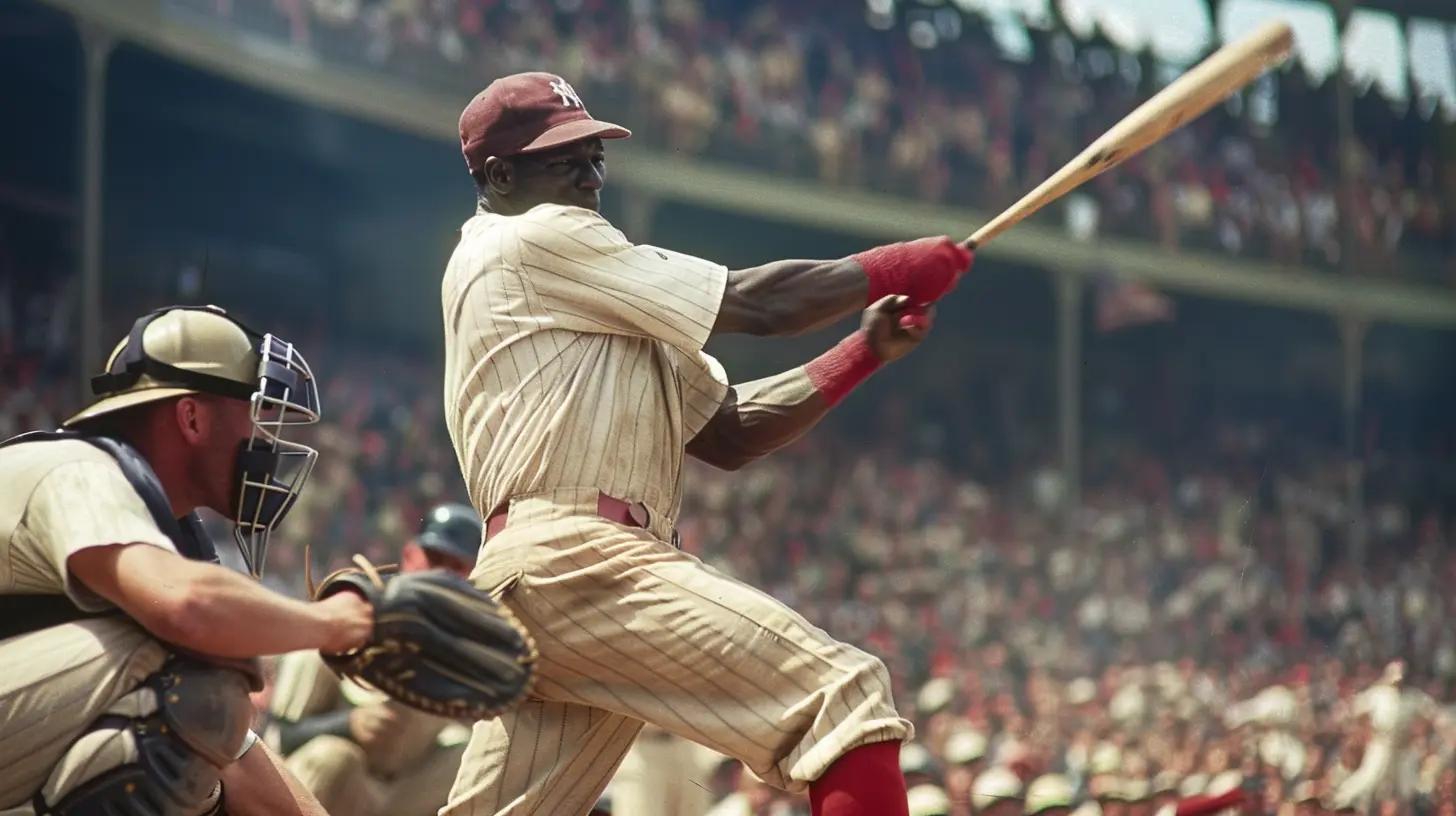
Enter: Babe Ruth – The Sultan of Swat
Changing the Game One Swing at a Time
Then came George Herman Ruth—aka the Bambino—aka the man who rewrote baseball as we know it. In the 1920s, Ruth shattered expectations by hitting balls over fences with ease. He wasn’t playing small ball. He was playing big-boy ball.In 1919, he hit 29 home runs—a jaw-dropping number for the time. But he didn’t stop there. Ruth slugged 54 in 1920 and then 59 in 1921. Pitchers? Terrified. Fans? Obsessed.
He didn’t just bring power to the game. He made the home run the thing. Suddenly, kids everywhere wanted to be sluggers, not just get on base.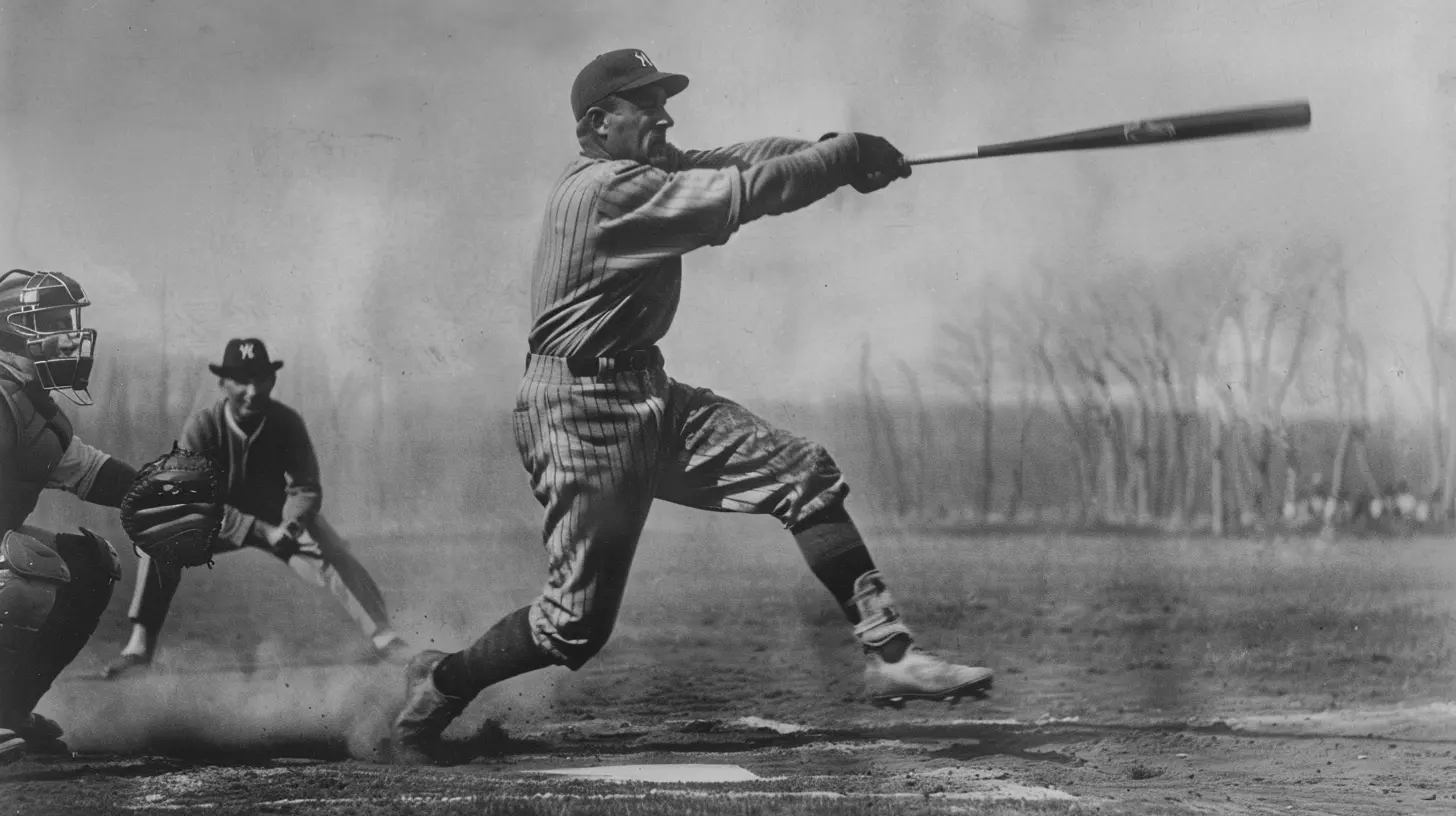
The Rise of the Slugger Era
From Lou Gehrig to Willie Mays
Ruth lit the spark, but the fire kept burning. After him, baseball saw a new crop of power hitters take center stage. Lou Gehrig stood tall with his consistent powerhouse plate appearances. Then came legends like Jimmie Foxx and Hank Greenberg, all leaving their marks on the game.In the 1950s and '60s, Willie Mays and Mickey Mantle turned the home run into a show. Mays had grace and speed—his home runs were poetry in motion. And Mantle? Well, he could hit tape-measure shots that cleared bleachers like they were speed bumps.
Hank Aaron joined the party and eventually surpassed Ruth’s record with 755 home runs—without ever hitting more than 47 in a season. That’s consistency at its finest.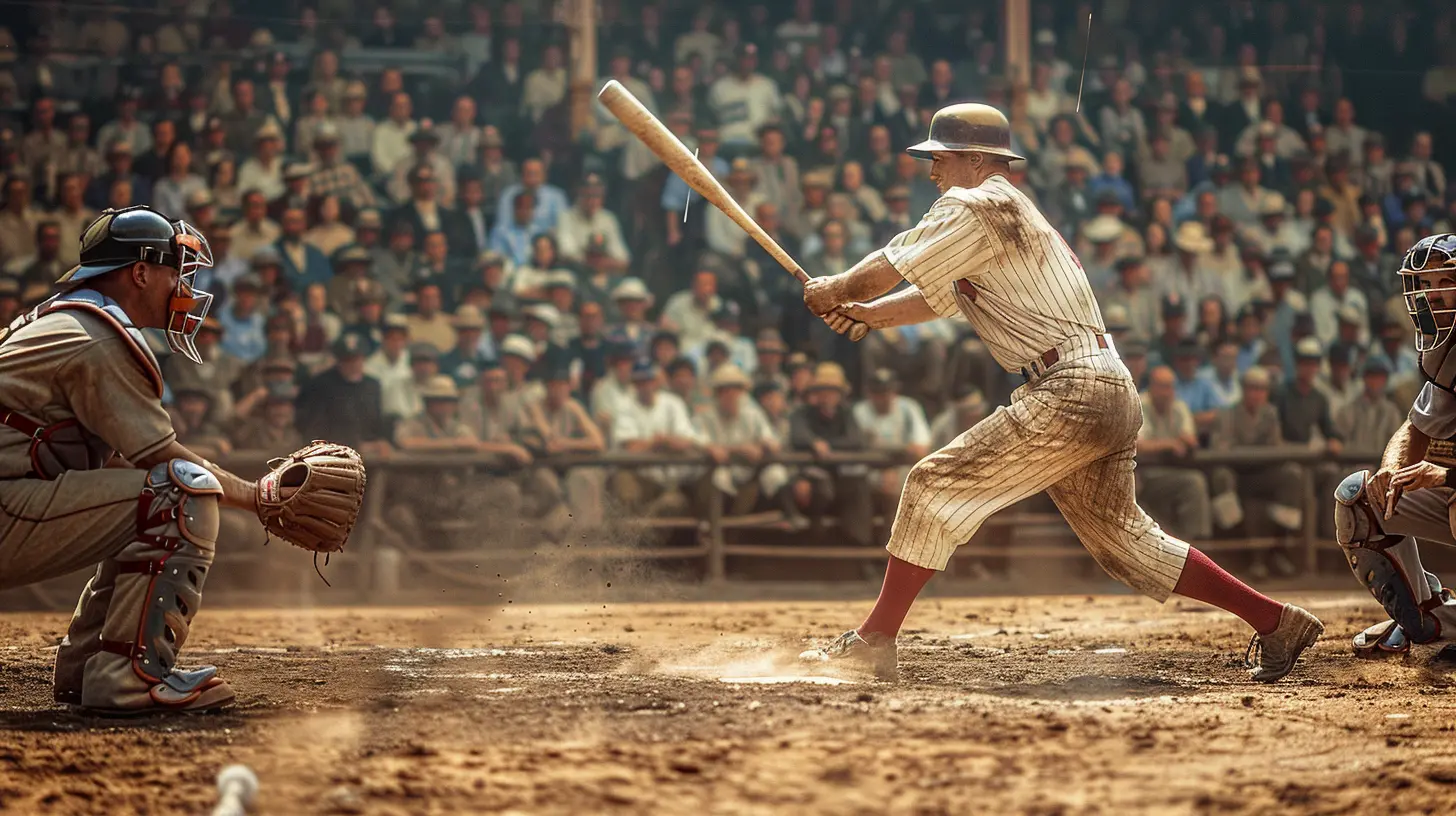
The Steroid Era and the Home Run Explosion
Mark McGwire, Sammy Sosa, Barry Bonds—Oh My!
Fast forward to the 1990s. Baseball needed a boost, and fans wanted more drama. Enter the home run revival, but this time, it came with controversy. Let’s not sugarcoat it: PEDs (performance-enhancing drugs) were part of the equation.Mark McGwire and Sammy Sosa's 1998 home run chase became must-see TV. Every night, Americans tuned in to see if one of them had launched another bomb. That year, McGwire hit 70, Sosa 66. It was absurd—and ridiculously entertaining.
Then Barry Bonds came along and took it to a whole new level. In 2001, Bonds hit 73 home runs in a single season, shattering all previous records. His swing was otherworldly, and the ball exploded off his bat like a rocket.
The excitement was real, but so was the skepticism. While the numbers were mind-blowing, the shadow of steroids left a complicated legacy.
Modern Sluggers and Statcast Era
Exit Velocity, Launch Angle, and Physics-Backed Power
Today’s game is different. The long ball is still king, but now we’ve got the tech to track everything—exit velocity, launch angle, distance, you name it.Players now train with biomechanics in mind. It’s science meets slugging. And the results? Just look at Aaron Judge smashing 62 home runs in 2022—breaking Roger Maris’ AL record. Or Shohei Ohtani pulling double duty as both pitcher and hitter, blasting majestic bombs from the left side of the plate.
Analytics have made home runs smarter. Players understand how to lift the ball, optimize angles, and maximize power. And the ballparks? Smaller than the ones Ruth played in. It’s a perfect storm for power numbers.
Notable Modern Home Run Kings
The Faces of This Generation's Power Surge
Let’s give a tip of the cap to some of baseball's modern sluggers:- Giancarlo Stanton – When healthy, he’s a human wrecking ball. His 2017 MVP season included 59 homers.
- Nelson Cruz – The ageless wonder. Still mashing into his 40s.
- Mike Trout – Not just power, but all-around greatness.
- Bryce Harper – Flamboyant, powerful, and made for the spotlight.
These players aren't just about hitting home runs—they're about doing it with flair and purpose. The kind that makes you stop scrolling and watch the replay 15 times.
The Impact of the Home Run on Baseball
The Pros and the Pushback
While fans love the long ball, not everyone’s sold on today’s homer-happy landscape. Critics argue the game’s lost some of its nuance—less bunting, base-stealing, and situational hitting.It’s true: strikeouts are up, and so are home runs. It’s become a swing-for-the-fences mentality. But hey, dingers sell tickets. They get clicks. And they ignite stadiums.
That said, MLB has tried adjusting—tweaking the ball, cracking down on sticky substances, and tweaking mound rules. The goal? Keep the power but bring back some balance.
Home Run Milestones Worth Remembering
Let’s hit pause and appreciate some of the game's most unforgettable home run moments:- Babe Ruth’s 60th in 1927 – Set the bar.
- Hank Aaron’s 715th in 1974 – Passed the legend.
- Mark McGwire’s 62nd in 1998 – Broke Maris' single-season record.
- Barry Bonds' 73rd in 2001 – A number that still sparks debates.
- Aaron Judge’s 62nd in 2022 – Legit power in a new era.
Each of these moments rocked the baseball world in its own way. In a game obsessed with tradition, the home run keeps evolving.
What’s Next for the Home Run?
A Look Toward the Future
So where do we go from here? Are we going to see someone hit 80 in a season? Will pitchers evolve fast enough to slow down today’s launch-happy hitters?With new stars coming up—like Vlad Guerrero Jr., Julio Rodríguez, and more—the power game isn’t going away. And changes like robotic umpires and new stadium dimensions could impact the numbers too.
Maybe the future of the home run isn't just about distance or quantity. Maybe it’s about meaningful dingers—walk-offs, clutch shots, and towering blasts that leave fans speechless.
Because let’s be honest… there's just nothing quite like a home run.
Final Thoughts
The home run is more than just a stat—it’s a symbol. It’s the moment that turns a regular inning into a memory you’ll tell your grandkids about. From Babe Ruth pointing to the bleachers (maybe...) to Aaron Judge cracking one in the Bronx, the long ball has been the heartbeat of baseball.And as long as there are fences to clear and crowds to thrill, the home run will always have a place in the spotlight.
all images in this post were generated using AI tools
Category:
BaseballAuthor:

Frankie Bailey
Discussion
rate this article
2 comments
Thornefield McQuillan
This article brilliantly charts the evolution of the home run, showcasing how legends like Babe Ruth paved the way for today’s power hitters.
March 3, 2026 at 1:52 PM
Frankie Bailey
Thank you! I'm glad you enjoyed it. Babe Ruth really did change the game for everyone who followed.
Riven Pacheco
Home runs: a timeless celebration of power and passion in baseball!
January 17, 2026 at 5:32 AM
Frankie Bailey
Thank you! The home run truly embodies the spirit of the game and its evolution over the years.