The Turning Point: How the Game Was Won in the Last Quarter
13 February 2026
We've all been there—sitting on the edge of our seats, breath held, eyes glued to the screen. The clock is ticking down, tension is rising, and the scoreboard shows a razor-thin margin. It’s the fourth quarter, and everything is at stake. That final stretch—those last crucial minutes—has the power to turn a game around completely. But what exactly makes that last quarter so pivotal? Why do some teams crumble under pressure while others shine like gold during crunch time?
Let’s peel back the curtain and dive into the anatomy of a game’s last quarter, the real turning point—and understand how champions are made when it matters the most.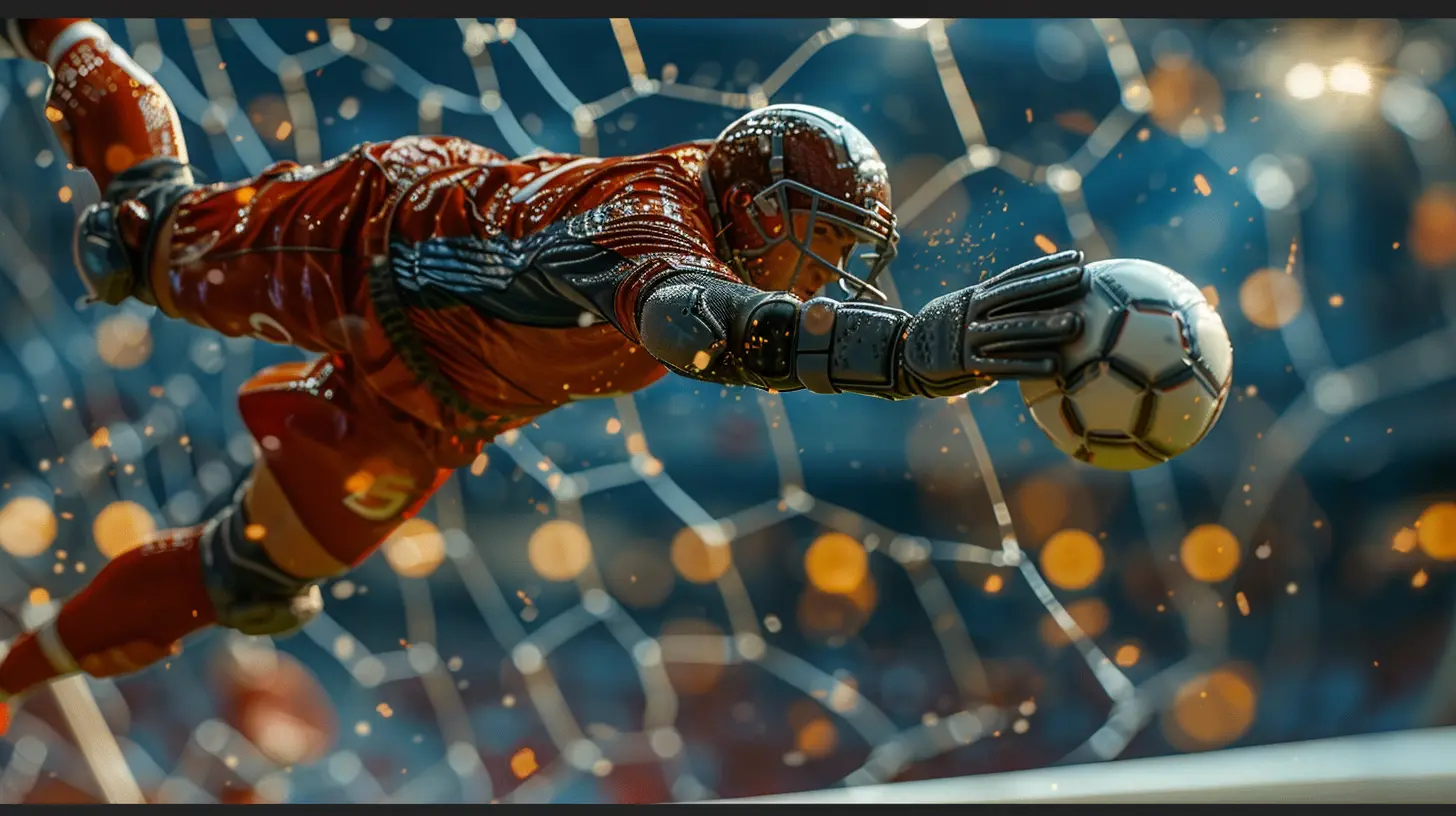
The Anatomy of the Fourth Quarter
Why the Last Quarter Hits Differently
Think about it like the final lap of a marathon. Everyone’s been running, sweating, grinding—but it’s those closing moments that test your spirit. The same applies in sports. Be it basketball, football, or even hockey, the last quarter isn’t just another frame of the game. It’s where minds clash, strategies peak, and players either rise or fall.The earlier quarters? Think of them as the setup—a chess match in motion. Coaches are testing plays, players are reading opponents, and everyone’s finding their rhythm. But when the fourth quarter hits, the training wheels are off. It’s go-time.
Mental Fortitude: The X-Factor
Picture this: a team walks into the final quarter down by 10 points. Most people would count them out, right? But not if they’ve trained their minds as much as their muscles.Mental toughness is often the secret sauce. Players who keep calm under pressure don’t crumble—they elevate. Kobe Bryant, Tom Brady, and Serena Williams didn’t just dominate due to raw talent. They were ice-cold in high-stakes moments.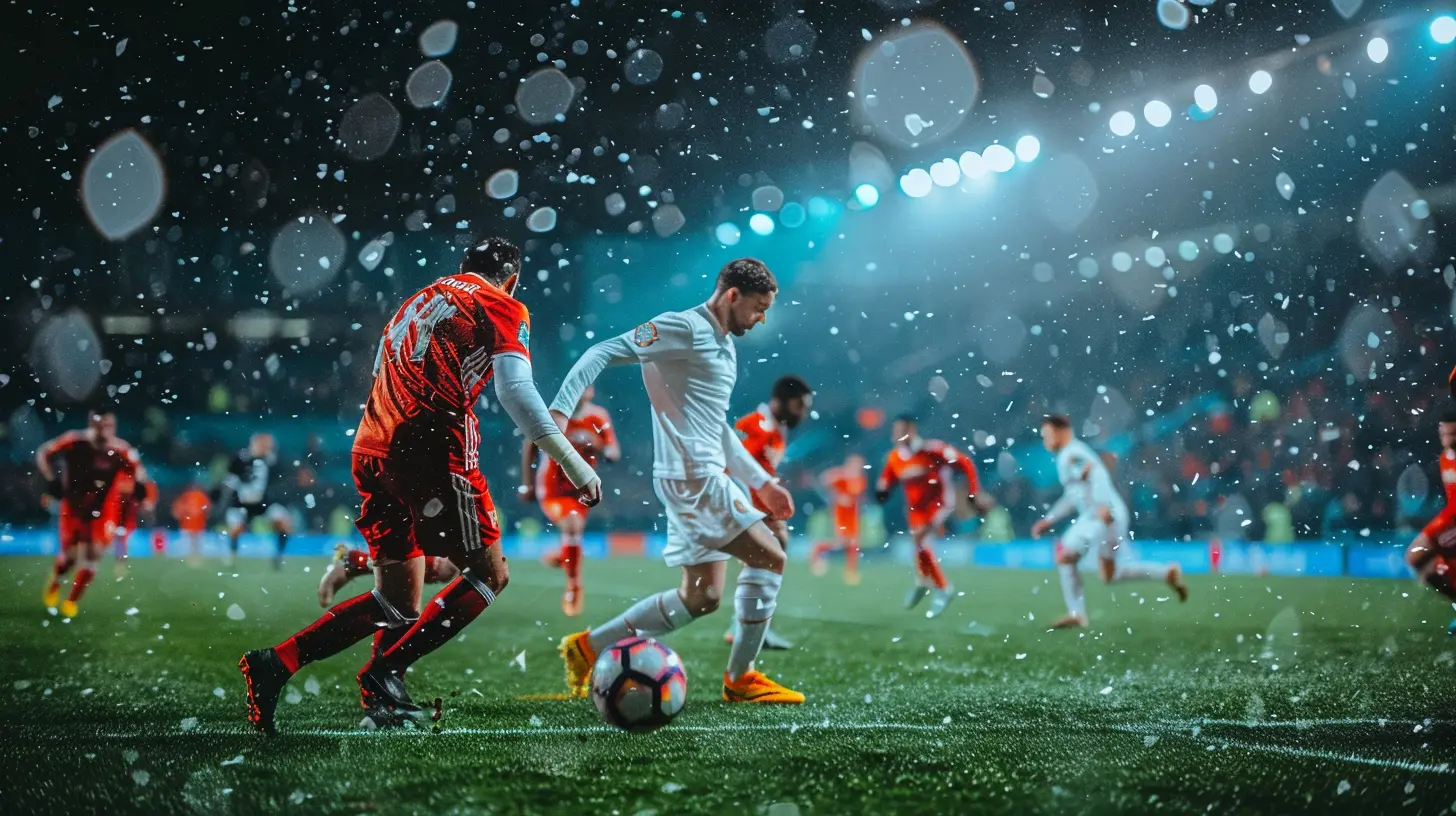
Strategy Shifts: The Game Within the Game
Adjustments That Change the Flow
What’s fascinating is how coaches start tweaking things in the last quarter. It’s not just about playing harder—it’s about playing smarter. Double teams, time management, substitutions, even slowing down or speeding up the tempo—all of it becomes a chess-level mind game.Let’s take basketball, for example. You might see a sudden shift to zone defense or an intentional foul strategy to disrupt momentum. In football? Expect more aggressive play-calling—maybe a surprise onside kick or a gutsy fourth-down conversion.
These moves either make heroes or headlines (and sometimes both).
Time: The Realest Opponent
There’s nothing quite like the ticking clock in that final stretch. Every second feels like a lifetime. Timeouts become gold. Every possession is precious. You can feel the urgency bleeding out of every play.Managing that time is an art in itself. Do you burn the clock and control the pace, or go for a fast break and seize the momentum? These decisions—often made in a flash—can tilt the entire game's outcome.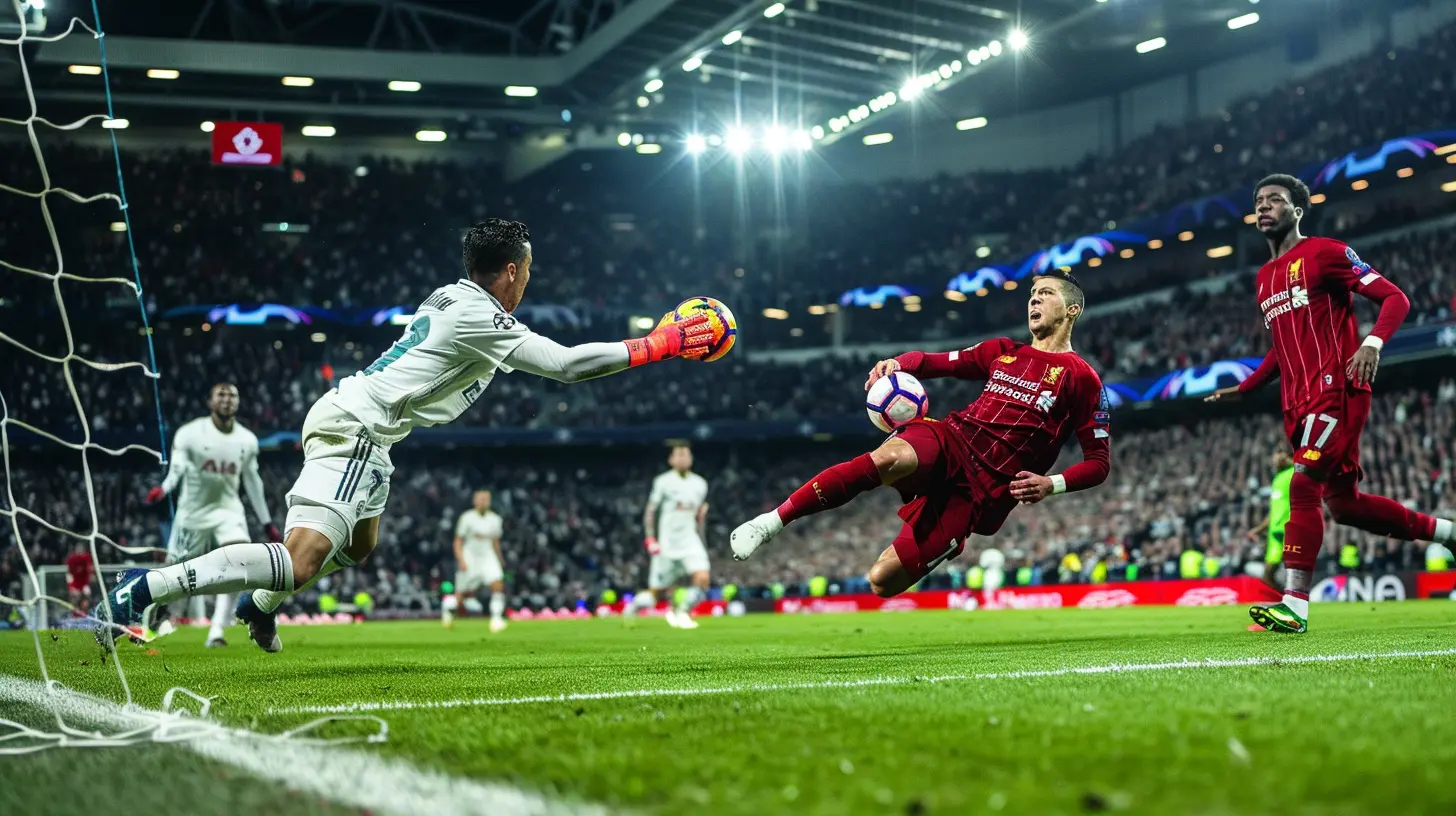
Heart Over Hype: When Grit Takes Over
The Players Who “Flip the Switch”
You ever watch a game and catch a player suddenly go supernova? One moment they’re quiet, and the next they're dropping buckets or making impossible plays. That’s the magic of the fourth quarter.Take LeBron James, for instance. Love him or hate him—when it’s crunch time, he has a habit of turning into a different beast. These “clutch” performances aren’t luck. They come from muscle memory, confidence, and a refusal to lose.
And it's not just superstars. Sometimes it's the underdog, the bench player who hardly saw minutes earlier. They hit that single, game-winning shot or make the breakthrough assist that swings the game. Why? Because when everyone else is tired, they bring fresh legs—and hunger.
Momentum: The Invisible MVP
Momentum is like catching a wave. Once a team rides it, they’re almost unstoppable. That one steal, that one three-pointer, that one interception—it can spark a wildfire of confidence.But here’s the thing: it works both ways. A team riding high can collapse with just one mistake. That’s why coaches scream about “staying locked in,” because one lapse in focus can flip the whole script.
Iconic Fourth Quarter Comebacks That Shook the World
Let’s rewind to some of the greatest last-quarter moments in sports history—moments that defined legacies.Super Bowl LI – Patriots vs Falcons
Down 28–3. Everyone thought the Patriots were toast. But Tom Brady? He had other plans. The fourth quarter was a masterclass in focus, leadership, and execution. They scored 25 unanswered points and won in overtime. That, my friends, is the epitome of the turning point.2016 NBA Finals – Cavaliers vs Warriors
Game 7. Fourth quarter. The block. The shot. The stop. Cleveland hadn’t seen a championship in over five decades. But in those final minutes, Kyrie Irving’s clutch three and LeBron’s epic chase-down block sealed the deal. The tide turned, and history was made.2005 Champions League Final – Liverpool vs AC Milan
Down 3–0 at halftime. Dead in the water? Nope. Liverpool flipped the switch. In a matter of minutes during the second half—and especially the last quarter—they scored three times and ultimately won in penalties. It’s still called the “Miracle of Istanbul.”Fans' Perspective: The Rollercoaster of Emotions
As fans, we ride the same emotional rollercoaster. We scream, pace the living room, tweet hot takes, and pray to every sports deity we know. That last quarter is where heartbreak and joy coexist. It’s not just a game—it’s a drama and we’re all part of the cast.Some say sports are just entertainment. But if you’ve ever felt that stomach drop in the final seconds, you know better. The highs and lows of that last quarter stick with you for life.
What We Can Learn Beyond the Game
It’s wild how much the finale of a game mirrors real life. Think about it:- You can be losing for most of the journey, but finish strong and still win.
- It’s not about how you start—it’s how you finish.
- Pressure doesn’t build character; it reveals it.
That fourth quarter teaches us something deeper: resilience. Whether we’re chasing goals, fighting through tough times, or trying to hit a deadline, there’s always a turning point waiting—if we push through.
Training for the Turning Point
Physical Endurance Isn’t Enough
Sure, stamina matters. But the real winners focus equally on mental reps. Visualization, breathing exercises, clutch-scenario drills—they prep their brains to stay sharp when the body’s tired.Building Chemistry Matters Too
Here’s something casual fans overlook: great comebacks are rarely solo acts. It’s all about trust. Teams that communicate, support each other, and know each other’s style are way more likely to thrive under pressure.Wrapping It Up
Games aren’t just won in the fourth quarter—they’re defined by it. That final stretch, full of chaos and adrenaline, is where legends are born. It’s not just about skill. It’s about heart, hustle, and the will to snatch victory from the jaws of defeat.So next time you’re watching those final moments—don’t blink. You might be witnessing history. Because when the lights shine brightest and the crowd gets loudest, that’s when heroes rise, and the turning point begins.
all images in this post were generated using AI tools
Category:
Post Match AnalysisAuthor:

Frankie Bailey
Discussion
rate this article
2 comments
Soliel Jennings
In the final quarter, strategic adjustments and heightened intensity turned the tide. Key plays showcased the team's resilience and determination, illustrating how execution under pressure ultimately defined the game's outcome. A masterclass in clutch performance and tactical brilliance!
March 27, 2026 at 12:46 PM
Frankie Bailey
Thank you! I'm glad you recognized the team's resilience and strategic execution in those crucial moments—their ability to perform under pressure truly made a difference in the game's outcome.
Dakota Fields
The last quarter showcased strategic plays and key decisions, ultimately deciding the game's outcome and shifting momentum.
February 18, 2026 at 4:29 AM
Frankie Bailey
Thank you! It truly was a pivotal moment that highlighted the importance of strategy and swift decision-making in securing victory.