The Evolution of Professional Wrestling: From Classic Grappling to Modern Spectacle
4 December 2025
Professional wrestling has come a long way. What started as a straightforward contest of strength and skill has transformed into a high-octane blend of athleticism, storytelling, and entertainment. From the bare-bones grappling of the early 20th century to the larger-than-life spectacle we see today, wrestling has evolved into a global phenomenon. But how did we get here? Let’s take a deep dive into the incredible journey of professional wrestling.
The Roots of Professional Wrestling
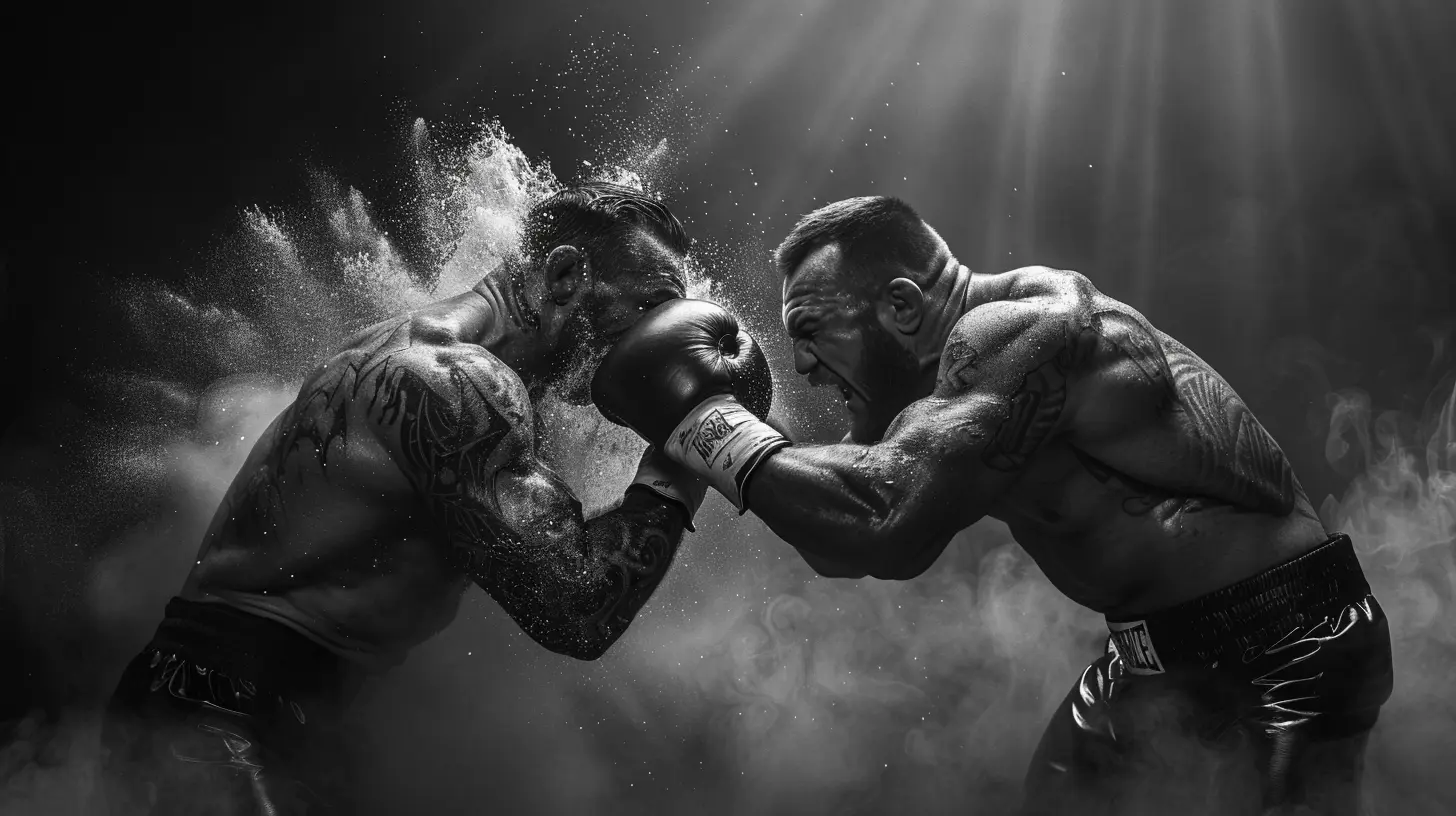
Before the pyrotechnics, extravagant entrances, and dramatic storylines, professional wrestling was a raw and unfiltered test of endurance. In the late 19th and early 20th centuries, wrestling was a legitimate sport, not much different from boxing or traditional Greco-Roman wrestling. Wrestlers like Frank Gotch and George Hackenschmidt were household names, engaging in grueling matches that relied purely on technical grappling.These early wrestling contests often lasted for hours, with competitors using real submission holds and takedowns to wear down their opponents. There was no pre-determined outcome, no scripted drama—just two athletes battling it out. But as time went on, promoters saw an opportunity to inject entertainment into the sport, leading to the first major shift in professional wrestling’s evolution.
The Birth of Scripted Wrestling
By the 1920s and 1930s, wrestling began to transition from a legitimate sport to something more theatrical. Promoters realized that choreographed matches with pre-determined winners could make wrestling more exciting and, more importantly, more profitable.Wrestlers started incorporating exaggerated personas to captivate audiences. The bad guys (heels) and good guys (babyfaces) became staples of the business, and matches were designed to tell a compelling story rather than simply showcase technical skill.
The introduction of wrestling territories across the United States helped grow the business even further. Different regions had their own promotions, champions, and signature wrestling styles. Promotions like the National Wrestling Alliance (NWA) brought structure to the industry, creating champions who would defend their titles across various territories.
The Television Boom and Wrestling’s Rise in Pop Culture
Wrestling’s popularity skyrocketed in the 1950s and 1960s, thanks to television. Promotions saw the opportunity to reach a broader audience, and suddenly, wrestling was no longer confined to arenas—it was beamed into living rooms nationwide.Television helped catapult wrestlers like Gorgeous George to mainstream fame. His flamboyant persona, flashy robes, and arrogant attitude made him a character people loved to hate. This was one of the first real glimpses of wrestling as an entertainment-driven spectacle rather than just a sport.
The rise of regional promotions continued throughout the next few decades, with organizations like the American Wrestling Association (AWA) and Jim Crockett Promotions creating their own stars. However, everything changed in the 1980s when one company started taking over the wrestling world.
The WWE Revolution and the Golden Era
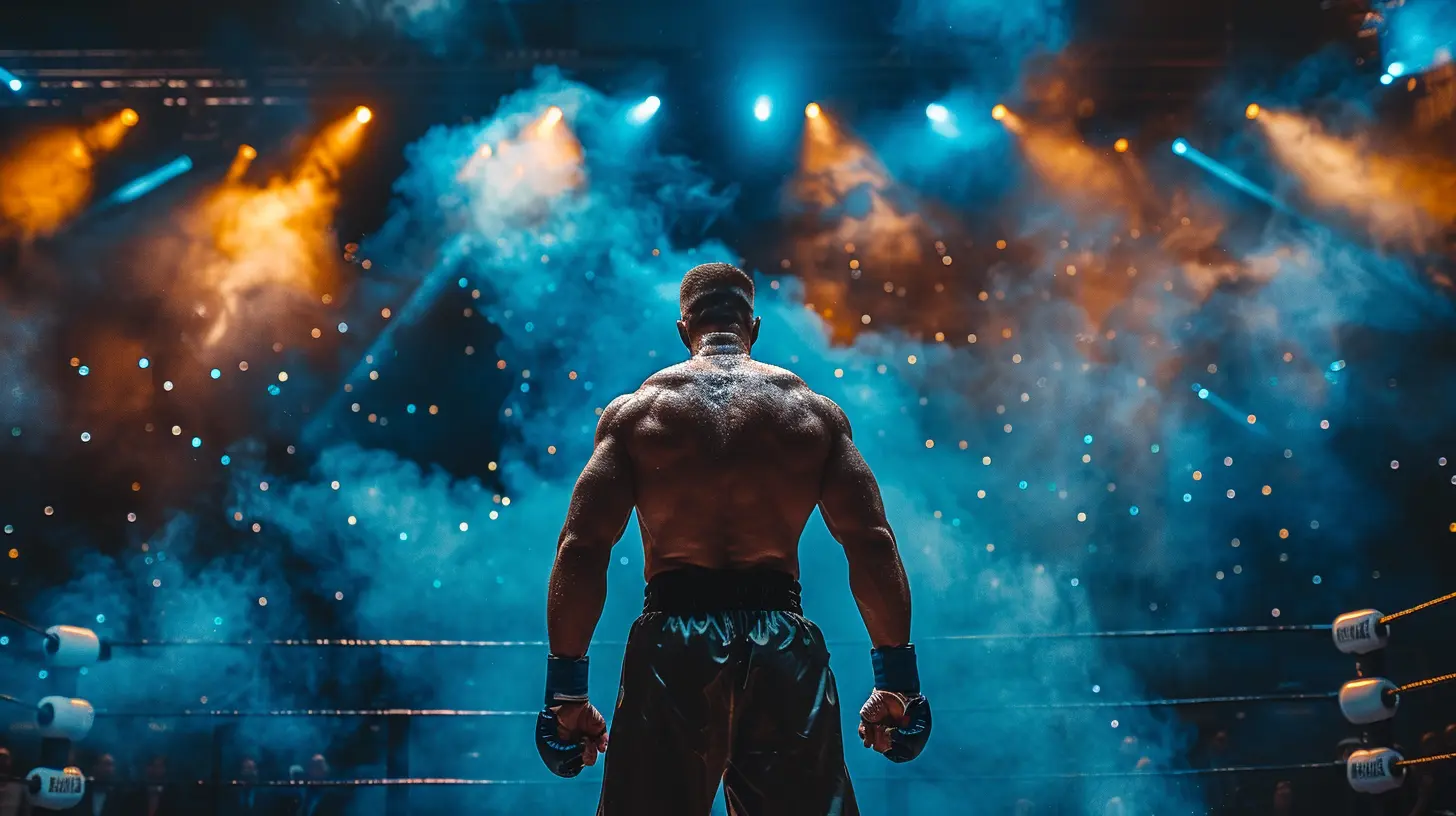
The 1980s saw the emergence of Vince McMahon’s World Wrestling Federation (WWF, now WWE). Unlike other promotions that adhered to the territorial system, McMahon had a vision—he wanted to take wrestling national. By aggressively poaching top talent from other promotions, airing wrestling on cable television, and producing high-profile events like WrestleMania, he transformed wrestling into a global juggernaut.Of course, this era wouldn’t have been as successful without its larger-than-life superstars. Hulk Hogan became the face of professional wrestling, embodying the all-American, muscle-bound hero with unmatched charisma. Other big names like Randy Savage, The Ultimate Warrior, and Andre the Giant helped make wrestling one of the biggest attractions in entertainment.
This period also saw the blending of wrestling with mainstream pop culture. Celebrities like Mr. T, Cyndi Lauper, and Muhammad Ali participated in wrestling events, bringing more mainstream attention to the product.
The Attitude Era: Wrestling Gets Edgy
By the mid-90s, wrestling was experiencing a shift. Fans were growing tired of the goody-two-shoes heroes of the Golden Era. They wanted something grittier, edgier—something that felt more real.Enter the Attitude Era.
This was a time when wrestling became more rebellious, more violent, and far more unpredictable. The Monday Night Wars between WWE and its rival, World Championship Wrestling (WCW), led to some of the most memorable moments in wrestling history. WWE pushed boundaries with controversial storylines, risqué promos, and hardcore wrestling.
Superstars like Stone Cold Steve Austin, The Rock, Triple H, and The Undertaker defined this era. Austin embodied the anti-hero, flipping off his boss Vince McMahon and drinking beer in the ring. The Rock became one of the most charismatic figures in wrestling history with his razor-sharp promos.
WCW, on the other hand, had its own major success with the New World Order (nWo) storyline, featuring Hulk Hogan’s shocking heel turn. The competition between WWE and WCW led to some of the best wrestling television ever produced, but eventually, WWE won the war, acquiring WCW in 2001.
The Ruthless Aggression and PG Era
After the Attitude Era ended, WWE transitioned into the Ruthless Aggression Era (2002-2008). This period saw the rise of new superstars like John Cena, Randy Orton, and Brock Lesnar. The product remained edgy but was slightly toned down compared to the Attitude Era.By 2008, WWE fully embraced a more family-friendly product known as the PG Era. Gone were the days of excessive violence, profanity, and edgy content. Instead, WWE focused on attracting younger audiences. While this era had its critics, it also produced global megastars like Cena, who became the face of WWE for over a decade.
Meanwhile, independent wrestling promotions, such as Ring of Honor (ROH) and New Japan Pro-Wrestling (NJPW), began gaining traction. These promotions catered to hardcore wrestling fans, emphasizing in-ring work rather than scripted entertainment.
The Modern Era: A Global Phenomenon
Today, professional wrestling is more diverse and widespread than ever. WWE remains the industry leader, but companies like All Elite Wrestling (AEW), NJPW, and Impact Wrestling have carved their own space in the industry.Wrestlers today are among the most athletically gifted performers the sport has ever seen. High-flying moves, rapid-paced action, and jaw-dropping stunts are common in nearly every promotion. Stars like Roman Reigns, Seth Rollins, Kenny Omega, and MJF now lead the way, blending incredible in-ring ability with captivating storytelling.
The rise of streaming services and digital platforms has made wrestling more accessible than ever. Fans can watch events from across the world with just a few clicks, meaning promotions can now build international audiences without relying on traditional TV deals.
The Future of Professional Wrestling
So, where does wrestling go from here?The industry is constantly evolving, and with the integration of new media, virtual reality, and interactive experiences, wrestling’s future is bound to be even more dynamic. Could we see AI-generated storylines? Hologram wrestlers? The possibilities are endless.
One thing is for sure—wrestling will always adapt and find ways to keep fans engaged. Whether you're a fan of old-school grappling or modern-day spectacle, the essence of wrestling remains the same: it’s a form of entertainment that thrives on emotion, drama, and unforgettable moments.
Final Thoughts
Professional wrestling has evolved far beyond its roots in grappling contests. Over the past century, it has become a mix of sport, theater, and spectacle. From the gritty realism of the early days to today’s cinematic storytelling, wrestling continues to captivate millions around the world.What does the future hold? Only time will tell, but if history has taught us anything, it’s that wrestling will always find a way to stay relevant, electrifying fans for generations to come.
all images in this post were generated using AI tools
Category:
WrestlingAuthor:

Frankie Bailey
Discussion
rate this article
2 comments
Wren McDermott
This article brilliantly captures the transformation of professional wrestling from its roots in traditional grappling to the captivating spectacle it is today. It highlights how the blend of athleticism, storytelling, and entertainment has redefined the industry’s landscape. A must-read!
December 30, 2025 at 4:10 AM
Frankie Bailey
Thank you for your insightful comment! I'm glad you enjoyed the article and found its exploration of wrestling's evolution engaging.
Megan Kline
What a fantastic read! It's fascinating to see how professional wrestling has transformed over the years, blending classic techniques with modern spectacle. This journey not only highlights the athletes' incredible talent but also the artistry of storytelling in the ring. Can't wait to see where it goes next!
December 5, 2025 at 6:06 AM
Frankie Bailey
Thank you! I’m glad you enjoyed it. The blend of tradition and innovation truly makes wrestling captivating. Excited to see its future unfold too!