The Importance of Tempo: How Controlling the Pace Won the Game
4 February 2026
Ever watch a game where the final score didn’t tell the entire story? Like, on paper, both teams had similar stats—same number of possessions, similar shooting percentages, maybe even a close rebound count. But one team was clearly more in control from tip-off to buzzer. That, my friend, is the power of tempo.
Tempo is one of those sneaky elements of sports that’s incredibly important but often overlooked by casual fans. It's not just about how fast or slow a team plays—it's about dictating the rhythm of the game. Think of it as the invisible hand steering the outcome, and when a team gets it right? It can be the difference between winning and walking off the field wondering what the heck just happened.

What Exactly Is Tempo in Sports?
Let’s get this straight—tempo isn’t just for musicians.In sports, tempo refers to the pace at which the game is played. And this isn’t just about speed. It’s about control. Some teams thrive on breakneck, high-octane chaos, while others are all about methodical, grind-it-out possessions. The trick? Whichever team can bend the game’s tempo to match their preferred style usually walks away victorious.
It’s a bit like dancing. If both partners are in sync, it’s poetry in motion. But if one of them is trying to waltz while the other is breakdancing? Yeah, that doesn’t end well.

Why Tempo Is the Real MVP of the Game
You ever heard the saying, “Play your game”? That’s tempo in a nutshell.A team’s ability to control the tempo often determines the flow and feel of the game. Here’s why it matters:
1. It Forces Opponents Out of Their Comfort Zone
Let’s say Team A loves to run—the faster the better. They live for transitions, they feast on fast breaks. But Team B slows it down, milks the clock, and methodically executes each play. If Team B can keep the game at a crawl, Team A starts to get frustrated. They rush shots. They make mistakes. Slowly but surely, the game slips through their fingers. That’s tempo domination.2. It Conserves Energy Strategically
High-tempo games can drain you. Fast breaks, quick possessions, constant motion—it’s fun to watch, but man, it’s exhausting. Slowing the game down can actually serve as a way to rest on the fly.On the flip side, a quicker tempo can wear down an opponent who lacks the depth or fitness to keep up. Think of it like a marathon runner setting a pace that breaks the weaker runners early.
3. It Sets the Psychological Tone
Ever notice how some games just feel frantic or controlled from the jump? That’s tempo at work. When a team imposes its preferred tempo early, it sends a message: “We’re in control here.” That can rattle less experienced teams. It’s like showing up to a meeting and realizing the other person already wrote the agenda.
Real-World Examples: Tempo Turned the Tide
Let’s bring this idea to life with a few unforgettable moments where tempo wasn’t just a footnote—it was the headline.March Madness Magic: Villanova vs. North Carolina (2016 Final)
This NCAA Title Game was one for the ages. Both Villanova and UNC were elite teams, but they had very different playing styles. North Carolina loved to run and push the pace. Villanova? Not so much.What did Villanova do? They controlled the tempo. They slowed the game just enough to keep UNC off balance while still making their shots count. Every possession was intentional. And when Kris Jenkins hit that buzzer-beater? It was the perfect exclamation point on a game where tempo was the secret weapon.
NBA Finals: Spurs vs. Heat (2014)
The Miami Heat, led by LeBron James, were a force. High-speed offense, fast breaks, and highlight-reel plays—it was their bread and butter. But the Spurs? They played beautiful basketball at their own methodical pace.What happened? The Spurs didn’t try to outrun the Heat. Instead, they moved the ball, worked the shot clock, and dictated the flow. The result? A 4-1 series win that wasn’t even close. That’s tempo control at championship level.
Soccer Spotlight: Italy vs. England (Euro 2020 Final)
Italy came into that game knowing England would rely heavily on the energy from its young core and the home crowd. But what did Italy do?After an early England goal, they gradually slowed things down, maintained possession, and wore England out mentally and physically. They swung the pendulum of momentum through clever pacing, eventually winning on penalties. Was it flashy? Nope. Was it effective? You bet.
The Coaches’ Chess Match: Tempo Isn’t Accidental
Here’s where it gets really intriguing.Controlling tempo doesn’t just happen. It’s meticulously planned, coached, and executed. Great coaches are like grandmasters—their strategy builds over time, each move designed to push the opponent out of rhythm.
Whether it's calling strategic timeouts to disrupt momentum, running set plays to slow things down, or even using defensive schemes that dictate the opponent's options—coaches are always pulling tempo strings behind the scenes.
Ever seen a coach walk the sideline signaling "Push it!" or the opposite—hands moving down, telling players to calm the storm? They're orchestrating the pace like a conductor leading a symphony.
Players Who Master Tempo Are Game-Changers
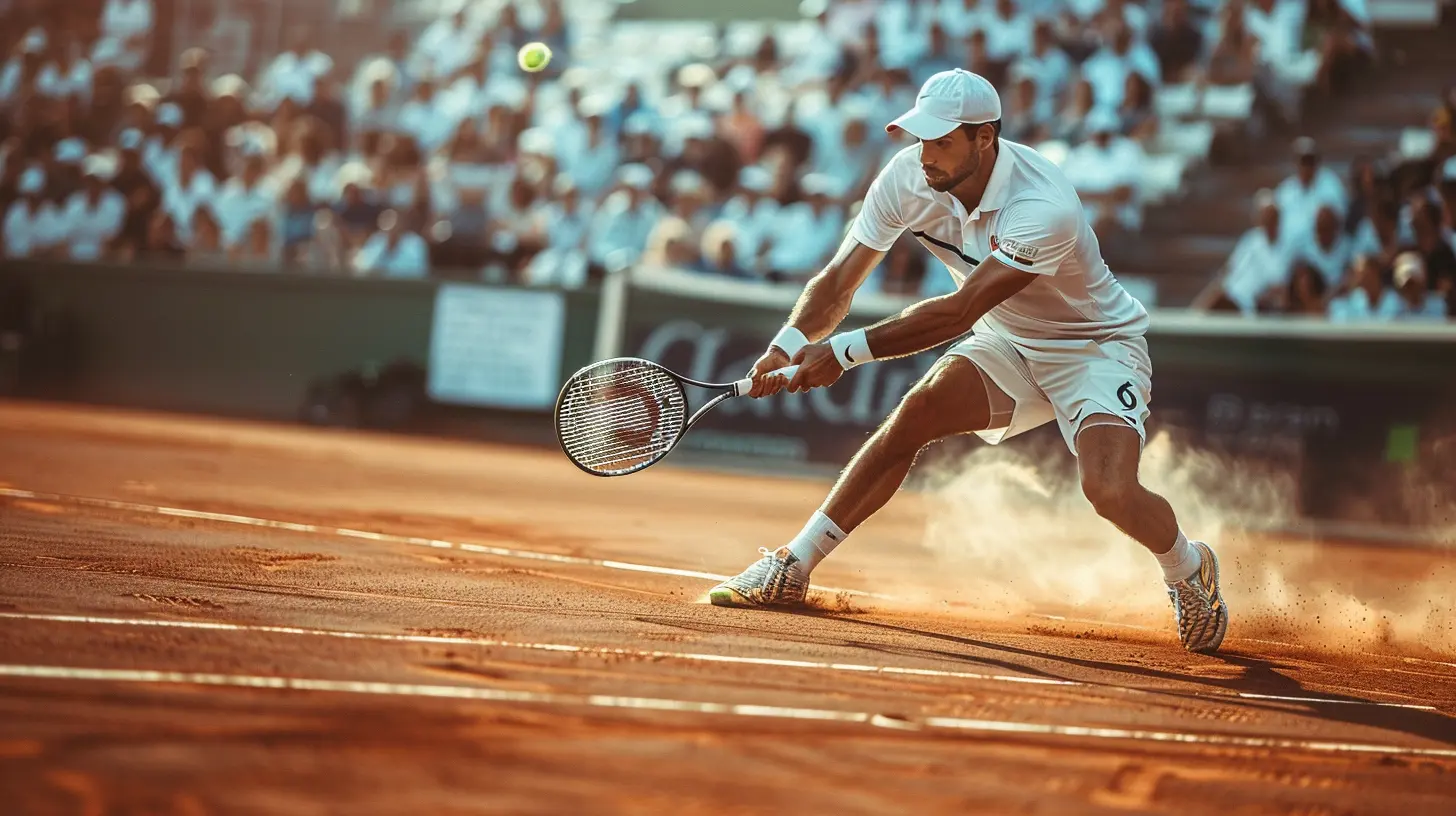
Let’s talk about the floor generals, the tempo tacticians.In basketball, it's that savvy point guard who can decide when to hit the gas and when to pump the brakes. In football, it's the quarterback controlling the huddle, milking the clock when ahead or running a hurry-up offense when trailing. In tennis, it’s Rafael Nadal taking his time between serves, setting the pace to his liking.
These athletes are more than physical specimens. They're mental magicians, controlling tempo like puppeteers guiding the stage.
Tempo Isn't Just for Pros—It Applies to All Levels
You don’t need a stadium full of fans or a national title on the line to understand tempo.If you’ve ever played in a pick-up game, a local league, or just shot hoops with friends, you know the moment someone starts rushing shots or a team suddenly looks out of sync. That’s tempo slipping through your fingers.
Whether it’s Little League baseball, varsity soccer, or a weekend spikeball match, understanding and leveraging tempo gives you a serious edge.
How to Control Tempo Like a Pro
Ready to bring some tempo magic to your own game?Here are a few quick tips that apply across most sports:
- Know Your Strengths: If your team excels in transition, push the pace. If not, slow it down and run your sets.
- Read the Opponent: Are they getting tired? Speed things up. Are they waiting to pounce on your fast breaks? Pull it back and frustrate them.
- Stay Disciplined: Tempo control only works with commitment. Don’t fall into the trap of matching the opponent’s rhythm by accident.
- Communicate Constantly: Let your teammates know what tempo you’re going for—whether it’s on the court, field, or pitch.
- Use Timeouts Wisely: A quick timeout can reset the pace entirely. Don’t burn them too early or save them too late.
The Bottom Line: Tempo Is the Game Within the Game
Here’s the secret sauce: tempo doesn’t show up in the box score—but it shows up everywhere else. You feel it in the flow, in the confidence, in the scoreboard at the end.When a team controls the tempo, they’re not just playing—they’re dictating the rules of engagement.
So, next time you’re watching your favorite team and wondering why they suddenly look lost or unstoppable, watch the pace. The tempo might just be the silent MVP changing the course of the game.
Remember—sometimes, it's not about playing harder. It's about playing smarter. And tempo? It’s one of the smartest tools in the game.
all images in this post were generated using AI tools
Category:
Post Match AnalysisAuthor:

Frankie Bailey
Discussion
rate this article
2 comments
Juniper James
Controlling tempo strategically disrupts opponents, enhancing performance and securing crucial victories. Essential insight.
March 21, 2026 at 4:49 AM
Frankie Bailey
Thank you! I'm glad you found the insight on tempo's strategic role valuable. Controlling the pace can indeed be a game-changer!
Clarissa Wagner
Controlling tempo in sports is crucial for dictating game flow and creating strategic advantages. This article effectively highlights how managing pace not only disrupts opponents' rhythm but also enhances a team's effectiveness, leading to better decision-making and ultimately, victory. A key takeaway for aspiring teams.
February 7, 2026 at 3:40 AM
Frankie Bailey
Thank you for your insightful comment! I'm glad you found the article's emphasis on tempo and its strategic importance valuable for aspiring teams.