The End of the Playbook: A Veteran Athletes Farewell
18 May 2026
Retirement. The mere word sends chills down the spine of any seasoned athlete. After years—sometimes decades—of dedication, sweat, and sacrifice, the moment inevitably arrives: the final whistle, the last race, the ultimate game. The end of the playbook.
For a veteran athlete, retiring isn't just walking away from the sport—it’s stepping into the unknown. It’s like exiting the battlefield after years of war, fully armored, only to realize the fight is over. So, how do they navigate this monumental shift? Let’s talk about it.

The Final Chapter: When the Clock Runs Out
Every athlete knows this day is coming, but no one is ever fully prepared for it. One day, you're dominating the field, the crowd chanting your name, and the next... well, you're just another spectator.Some athletes call it quits because their bodies betray them—nagging injuries that refuse to heal, aching joints that scream with every movement. Others bow out because their passion flickers, the fire that once fueled them slowly dimming. And then there are those who simply know—it’s time.
But regardless of the reason, one thing remains the same: retirement is a beast of its own.

The Emotional Rollercoaster of Retirement
One minute you're celebrating a legendary career, and the next, you're drowning in existential dread. The transition from being an elite competitor to, well, a regular person is no joke.Think about it—an athlete’s entire identity is wrapped up in their sport. Their daily routine, their goals, their very purpose—it all revolved around competition. When that disappears, they’re left wondering: Who am I now?
And let’s not even talk about the adrenaline withdrawal. The thrill of competing, the high of victory, the energy of a roaring crowd—gone. Suddenly, life feels... quieter. Too quiet.
This is why so many athletes struggle post-retirement. Depression, anxiety, even financial troubles (yeah, not everyone retires with millions in the bank). Some try to fill the void by jumping into coaching, broadcasting, business ventures—anything to stay connected to the game. Others spiral, unable to find a new purpose beyond the sport that once defined them.
Reinventing the Playbook: A New Game Plan
But here’s the thing—retirement isn’t the end. It’s just a different kind of game. And like any great athlete, the key to winning is adapting.Take Derek Jeter, for example. When he hung up his Yankees uniform, he didn’t fade into obscurity—he built a media empire. Or look at Serena Williams, who seamlessly transitioned from dominating the tennis court to conquering the business and fashion world.
The most successful retired athletes don’t just sit around reminiscing about the glory days. They step into new roles, embrace new passions, and find fresh ways to channel their competitive drive.
Finding a New Purpose
Athletes excel at one thing—pushing limits. That same mindset can apply to life beyond sports. Whether it’s mentoring the next generation, launching businesses, or pursuing personal passions, the best way to move forward is to create a new mission.Some turn to philanthropy, using their platform to give back (LeBron James and his I PROMISE School, anyone?). Others dive into entrepreneurship, turning their brand into a business. And then there are those who finally get to embrace the simple joys of life—family, travel, hobbies they never had time for.
The Power of Mental Toughness
Transitioning out of professional sports isn’t just about physical adjustments—it’s about mindset. Athletes spend their careers mastering resilience, grit, and determination. Retirement tests those same qualities in a different way.Handling setbacks, embracing uncertainty, facing self-doubt—it’s all part of the game. The ones who thrive are those who recognize that their skills don’t just belong in a stadium. Discipline, leadership, perseverance—those qualities translate into any field.

The Legacy Lives On
Here’s the truth—legends never really retire. Their impact lingers in highlight reels, in the records they set, in the inspiration they spark in future generations.Michael Jordan may have left the game, but his influence is still everywhere. Kobe Bryant traded basketballs for storytelling, but his Mamba Mentality remains a cultural force. Athletes may stop competing, but their legacy? That lasts forever.
So, to every veteran athlete facing that bittersweet moment of farewell: this isn’t the end. It’s just the beginning of a new chapter. The playbook may be closed, but the story? Far from over.
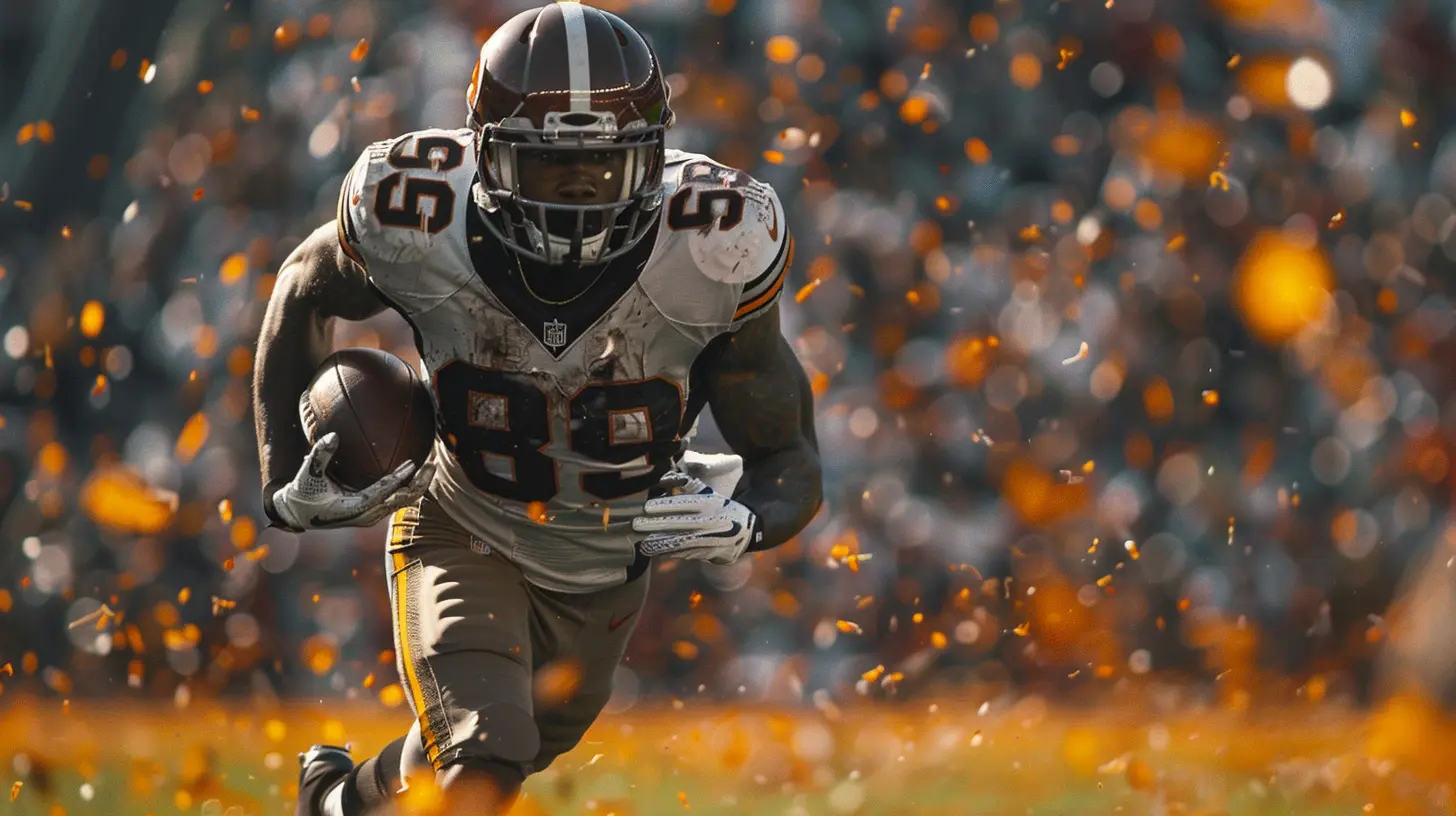
all images in this post were generated using AI tools
Category:
Retirement AnnouncementsAuthor:

Frankie Bailey
Discussion
rate this article
1 comments
Dusk Young
This farewell marks the end of an era. It's bittersweet to see a veteran athlete step away, but their impact on the game and the memories they created will last forever. Thank you for everything!
May 27, 2026 at 11:58 AM
Frankie Bailey
Thank you for your kind words. Their legacy will indeed live on in the hearts of fans and players alike.