The Art of Play-by-Play: Crafting the Perfect Call
1 July 2026
When you think about sports broadcasting, what's the first thing that comes to mind? My guess is it’s the voice of the commentator. That steady, sometimes excitable voice that guides you through every twist and turn of the game. Whether you’re watching football, basketball, or even curling, the sports commentator is your window into the action. The thing is, calling a game isn't as easy as it sounds. There's an actual art to play-by-play announcing, a skill that’s honed through practice, passion, and a deep understanding of the sport. In this article, we're diving into the nitty-gritty of what makes a play-by-play call truly perfect.
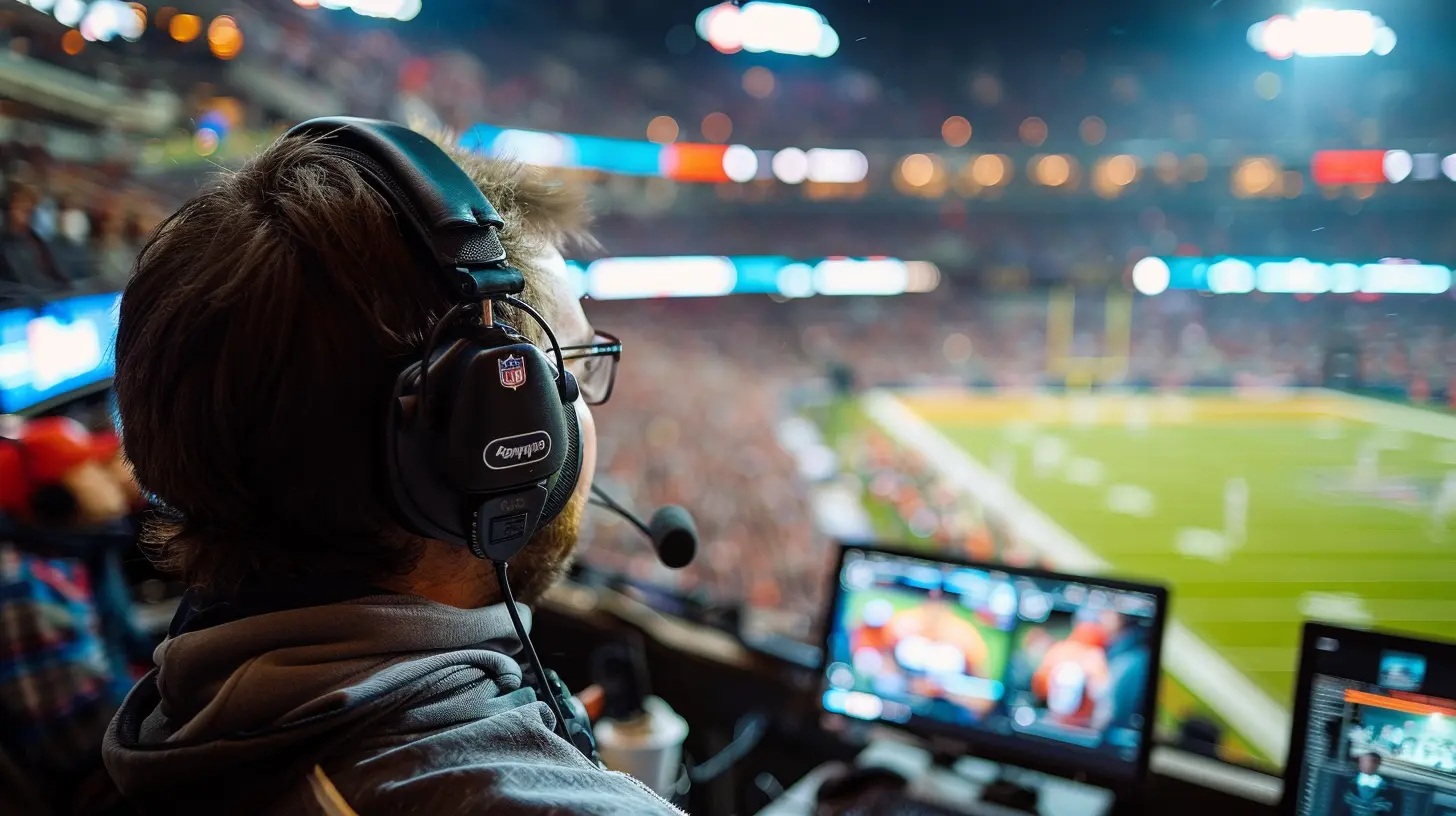
What Is Play-by-Play Announcing?
At its core, play-by-play announcing is the live description of a sporting event. It’s the commentator’s job to narrate the game as it happens, providing the audience with a clear understanding of what’s unfolding in real time. Think of the play-by-play announcer as your personal tour guide through the game. They walk you through each play, each movement, and each critical moment, ensuring you never miss a beat.But there's so much more to it than simply describing what you see. Play-by-play announcers need to be quick, accurate, and engaging. They need to know when to ramp up the excitement and when to let the action speak for itself. That balancing act? That’s the magic.
The Difference Between Play-by-Play and Color Commentary
Before we dive deeper, let’s make one thing clear: play-by-play is different from color commentary. In a typical sports broadcast, you’ll hear two voices. One is the play-by-play announcer, who calls the action as it happens. The other is the color commentator, who provides analysis, background information, and insights into the strategies at play.The play-by-play announcer is the one who keeps the audience grounded in the moment. They’re the pulse of the broadcast, while the color commentator adds depth and texture. Together, they form a dynamic duo, but each role requires a unique skill set.
The Essential Qualities of a Great Play-by-Play Announcer
So, what makes a good play-by-play announcer great? It’s not just about having a smooth voice (though that helps). A truly exceptional play-by-play announcer needs a combination of skills, knowledge, and intangibles that set them apart. Let’s break it down.1. Knowledge of the Game
First and foremost, you have to know the sport inside and out. Every sport has its own set of rules, strategies, and nuances. A great play-by-play announcer understands these details and can relay them to the audience in a way that’s both informative and entertaining.Imagine listening to a commentator who doesn’t seem to know what’s going on. Not ideal, right? The best announcers are like walking encyclopedias of the sport they’re covering. They know the history, the players, the stats, and the context. This knowledge allows them to offer insights that draw the listener deeper into the game.
2. Clear and Concise Communication
In play-by-play announcing, clarity is key. You’re describing a fast-paced game in real time, so your words need to be precise and easy to follow. There’s no room for rambling or getting lost in the weeds. The best play-by-play announcers can paint a vivid picture with just a few words.Here’s the thing: the audience isn't always watching the game. Sometimes they’re listening on the radio or catching a stream while doing something else. It’s your job as the announcer to make sure they can visualize the action, even if they can’t see it. That’s where clear and concise communication comes into play.
3. Timing and Pacing
Ever heard the phrase “it’s all about timing?” Well, that couldn’t be more true for play-by-play announcing. You need to know when to speak and when to stay quiet. Sometimes, the best call is no call at all. Letting the crowd’s roar or the sound of the game fill the space can be just as powerful as a well-timed word.The pacing of your commentary is also crucial. You don’t want to overwhelm the audience with too much information at once. Instead, you need to match the rhythm of the game. When the action heats up, your commentary should reflect that intensity. When things slow down, you can take a moment to breathe and provide some context.
4. Personality and Energy
Let’s face it, sports are emotional. The highs, the lows, the thrill of victory, and the agony of defeat—it's all part of the experience. A great play-by-play announcer knows how to channel that emotion into their commentary.Your energy should mirror the game’s intensity. When something exciting happens, your voice should rise to meet the moment. But don’t overdo it. There's a fine line between enthusiasm and over-the-top theatrics. The best announcers bring a sense of authenticity to their calls. They’re passionate, but they don’t force it.
5. Adaptability
No two games are alike, and things can change in an instant. Whether it’s a surprise comeback, an injury, or a weather delay, play-by-play announcers need to be ready for anything. The ability to think on your feet and adapt to the unexpected is an essential quality.This also applies to different types of broadcasting platforms. Calling a game on TV is different from calling it on the radio. On TV, the audience can see what’s happening, so you don’t need to describe every little detail. On the radio, however, you’re the audience’s eyes. Adjusting your style to fit the medium is a crucial skill.

The Anatomy of the Perfect Call
Alright, now that we’ve covered the key qualities of a great play-by-play announcer, let's talk about what makes a perfect call. You know the one I’m talking about—the call that gives you goosebumps, the call that becomes a part of sports history. There’s no magic formula, but there are a few elements that tend to show up in those unforgettable moments.1. Emotion
When the game reaches its climax, the announcer’s emotion needs to match the moment. Think about Al Michaels’ iconic “Do you believe in miracles?” call during the 1980 Winter Olympics. It was short, sweet, and packed with emotion. The perfect call captures the magnitude of the moment without overshadowing it.2. Brevity
Less is often more. When the game is at its most dramatic, you don’t need to say much. A single, well-chosen phrase can capture the moment better than a long-winded explanation. The key is to let the action speak for itself and add just enough commentary to enhance it.3. Spontaneity
The best calls are often unscripted. As an announcer, you can’t plan for every moment. Sometimes, the game will surprise you, and that’s when you need to rely on your instincts. Instead of trying to come up with the perfect line beforehand, focus on being in the moment and reacting authentically.4. Relevance
A great call is always relevant to the context of the game. It ties into the story that’s been unfolding throughout the match. If a team has been clawing its way back from a huge deficit, your call should reflect that struggle. It’s about tapping into the narrative and using it to heighten the moment.
Famous Play-by-Play Calls That Made History
Let’s take a quick trip down memory lane and revisit some of the most famous play-by-play moments in sports history. These calls didn’t just describe the action; they became a part of it.1. "Do you believe in miracles?" – Al Michaels (1980 Winter Olympics)
This is arguably the most iconic play-by-play call of all time. When the U.S. hockey team pulled off a stunning upset against the Soviet Union, Al Michaels’ simple, emotional question captured the magnitude of the moment perfectly. It was spontaneous, authentic, and unforgettable.2. "The Giants win the pennant!" – Russ Hodges (1951 National League Playoff)
Russ Hodges’ ecstatic call after Bobby Thomson’s “Shot Heard 'Round the World” is another classic. His repeated shouting of “The Giants win the pennant!” conveyed the sheer joy and disbelief of the moment. It’s a call that still gives baseball fans chills to this day.3. "With no regard for human life!" – Kevin Harlan (NBA Playoffs, 2008)
When LeBron James threw down a thunderous dunk over Kevin Garnett, Kevin Harlan’s reaction was priceless. His dramatic exclamation added an extra layer of excitement to an already jaw-dropping play. It’s a perfect example of how a play-by-play call can elevate the action on the court.How to Hone Your Play-by-Play Skills
If you’re aspiring to become a play-by-play announcer, you might be wondering how to get better at it. Like any craft, it takes time and practice to master. Here are a few tips to help you on your journey:1. Watch and Listen to the Pros
One of the best ways to improve is by studying the greats. Watch games called by legendary announcers and pay attention to how they handle different situations. Notice their timing, pacing, and how they inject emotion into their calls.2. Practice, Practice, Practice
You won’t become a great announcer overnight. It takes repetition to develop the skills you need. Try calling games on your own, even if it’s just from your living room. Record yourself and listen back to see where you can improve.3. Develop Your Own Style
While it’s important to learn from others, you also want to develop your own unique voice. Don’t try to mimic someone else’s style. Be authentic and let your personality shine through in your calls.4. Stay Informed
As an announcer, you need to be a walking encyclopedia of the sport you’re covering. Stay up to date on the latest news, stats, and trends. The more you know, the better equipped you’ll be to provide insightful commentary.
Conclusion
Play-by-play announcing is an art form. It takes a unique blend of skills, knowledge, and passion to craft the perfect call. Whether you’re aspiring to be the next iconic voice in sports or you’re just a fan who appreciates the craft, it’s worth taking the time to understand what makes a great call tick. From emotion to timing to knowledge of the game, there’s a lot that goes into those unforgettable moments in sports broadcasting. So, the next time you hear a great call, take a moment to appreciate the artistry behind it.all images in this post were generated using AI tools
Category:
Sports BroadcastingAuthor:

Frankie Bailey
Discussion
rate this article
1 comments
Petra Gates
Great article! Play-by-play is such an art form. The way you capture the excitement and action really brings the game to life. It's all about making those moments unforgettable!
July 6, 2026 at 2:22 AM
Frankie Bailey
Thanks for the kind words! I'm glad you enjoyed the article and feel the passion behind the play-by-play. It really is all about those unforgettable moments.