Saying Goodbye to the Game: A Career for the Ages
14 March 2026
Retirement. That bittersweet moment when legends hang up their boots, rackets, gloves, or whatever piece of equipment they’ve used to etch their names in sports history. It's the final whistle, the last buzzer, and the ultimate mic-drop moment in an athlete’s career.
But saying goodbye to the game isn't just about stepping off the field—it’s about the legacy left behind, the emotional rollercoaster, and the eternal debate about whether they walked away too soon or hung on a little too long. So, let’s break it down and give these legends the farewell they deserve. 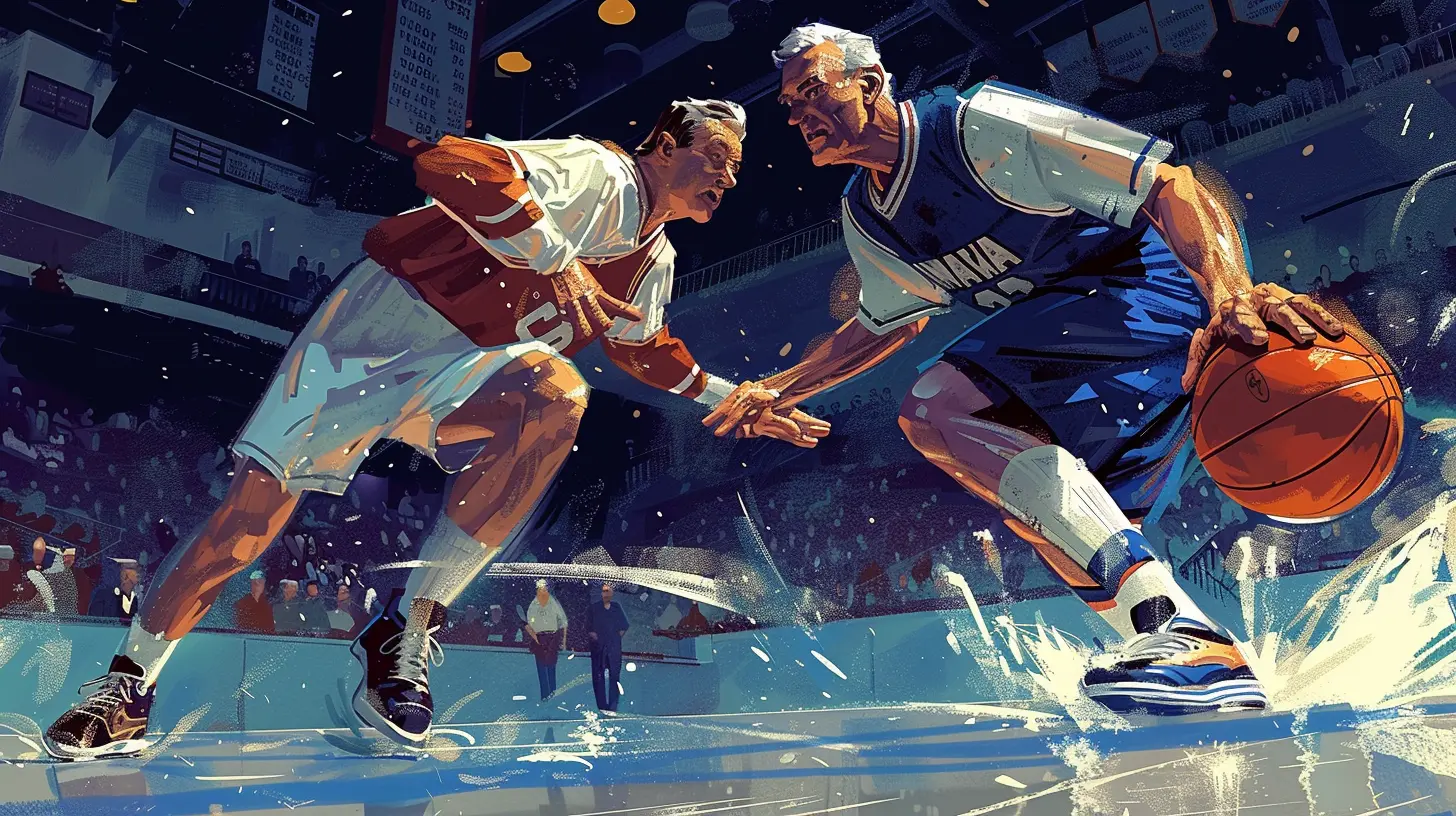
The Emotional Curtain Call
Imagine spending years honing your skills, pushing your body to the limit, and basking in the glory of victory. Then, one day, you realize it’s time to call it quits. That’s like telling a rockstar to stop performing or asking a chef to never taste their own food again—heartbreaking, right?Athletes dedicate their entire lives to their craft. The love for the game is woven into their DNA. So, when retirement looms, it’s not just a career change; it’s an identity shift. Who are they without the game? That’s a question that often haunts even the most accomplished stars.
Think about Michael Jordan, who retired (then un-retired... twice), or Tom Brady, who left the game only to return for one last ride. Walking away is never easy, especially when you still believe you have one more great moment left in you. 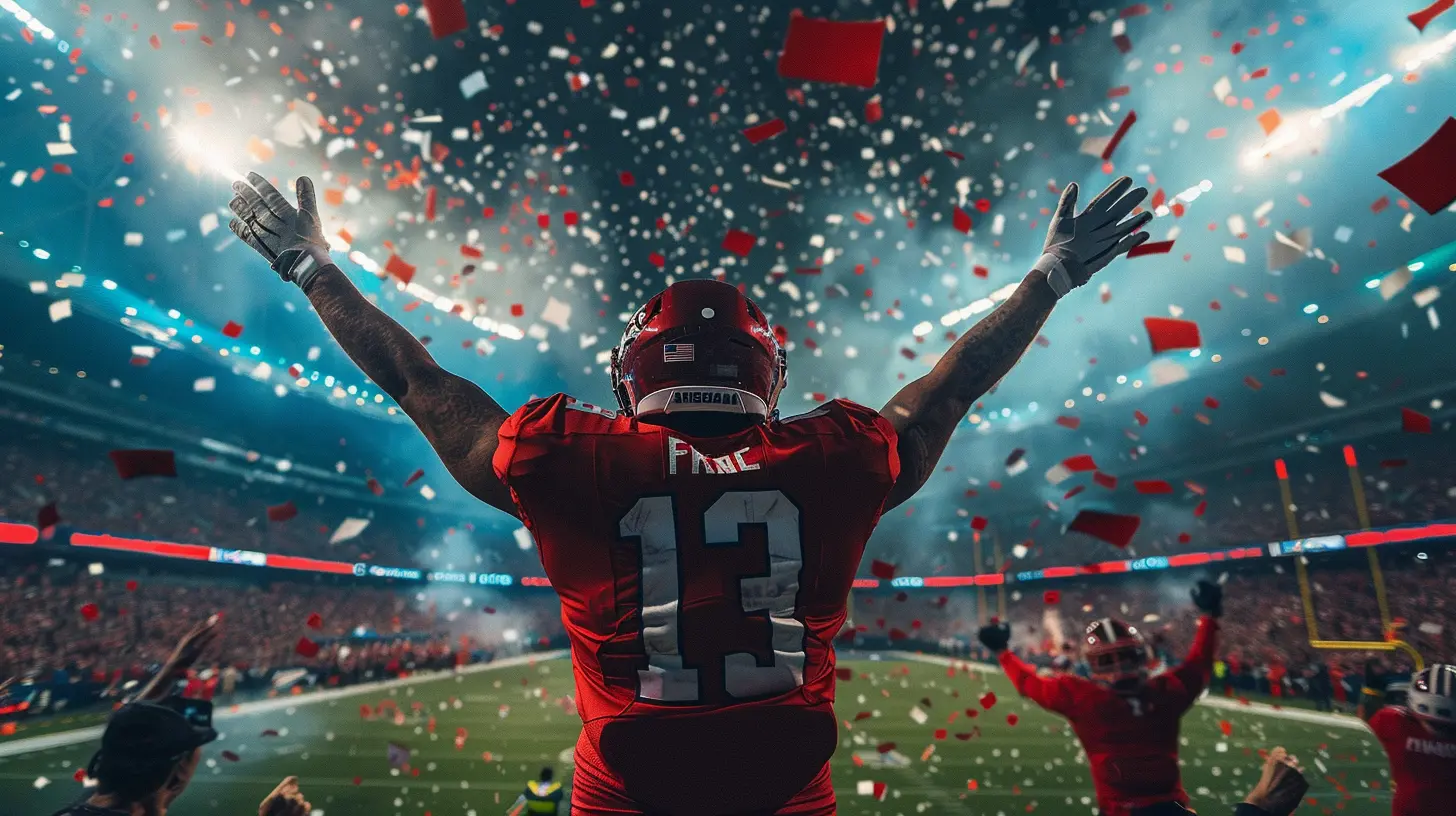
The Perfect Farewell: Going Out on Top
Every athlete dreams of the storybook ending—winning a championship, giving that iconic farewell speech, and walking into the sunset, head held high.Take Peyton Manning, for example. He capped off his NFL career with a Super Bowl win. That’s the kind of mic-drop moment that athletes fantasize about. Or Usain Bolt, the fastest man alive, who bowed out after cementing his legacy as a sprinting phenomenon.
But not everyone gets that fairy-tale ending. Some legends, like Derek Jeter, script a walk-off hit in their final home game (seriously, Hollywood couldn't have written it better). Others, like Serena Williams, leave with their heads high, knowing they changed the game forever. 
The Other Side: When Legends Stay Too Long
On the flip side, some athletes just can’t let go. The heart says "keep going," but the body screams "please stop!"Take Brett Favre, who retired more times than we can count before finally calling it quits. Or Muhammad Ali, who pushed his body past its limit, tarnishing the dominant image he once had. There’s something both inspiring and heartbreaking about watching a legend struggle to keep up with younger, fresher competition.
Why do they stay? Maybe it’s the love for the game, maybe it’s the fear of the unknown, or perhaps it’s just hard to walk away from the adrenaline rush of competition. 
Life After Sports: What’s Next?
So, what do you do when the only thing you've known your whole life is suddenly gone? That’s the million-dollar question.Some athletes transition seamlessly—becoming commentators, coaches, or even business moguls (looking at you, Magic Johnson). Others take to philanthropy, using their platform for good. And then there are those who struggle to find purpose, unsure of what to do with their newfound free time.
Shaquille O'Neal turned his larger-than-life personality into a media empire. Kobe Bryant became an Oscar-winning storyteller. And Michael Strahan? Well, he basically conquered morning television.
Not every athlete wants to stay in the spotlight, though. Some choose a quieter life, enjoying family time and finally indulging in all the hobbies they never had time for.
The Legacy: What We Remember
At the end of the day, retirement isn't just about an athlete leaving the game—it’s about what they leave behind.Their records might one day be broken, but the impact they had on the game? That stays forever. The inspiration, the unforgettable moments, the times they made us cheer, cry, or jump out of our seats—that's what truly matters.
Think of athletes like Serena Williams, whose influence on women’s sports will be felt for generations. Or Dirk Nowitzki, who redefined what a big man could do in basketball. These aren’t just players—they're pioneers, icons, and legends.
The Fans' Perspective: Saying Goodbye Hurts
Let’s be real—fans take retirements personally. When our favorite player calls it quits, it feels like a breakup we never saw coming.We grow up watching these athletes, idolizing their every move. They become part of our lives, our childhoods, our best memories. So, when they leave, it stings.
Remember when Kobe Bryant dropped 60 points in his final game? If you didn’t shed a tear, I’m questioning your humanity.
The reality is, we never want them to leave. Even when we know it's time, we still wish for one more season, one more highlight, one more unforgettable moment.
The Final Whistle
Saying goodbye to the game is never easy—for the athlete or the fans. But every career, no matter how legendary, must come to an end.What matters most isn't the farewell itself, but the journey that led to it. The perseverance, the passion, the unrelenting drive to be great—that’s what makes an athlete's career unforgettable.
And while they may step off the field, the court, or the track, their legacy? That stands forever.
So, to all the retiring legends, thank you. Thank you for the memories, for the inspiration, and for reminding us why we fell in love with sports in the first place.
all images in this post were generated using AI tools
Category:
Retirement AnnouncementsAuthor:

Frankie Bailey
Discussion
rate this article
2 comments
Amalia Campbell
A fitting farewell to a legend; their impact on the game is unforgettable.
April 25, 2026 at 5:00 AM
Frankie Bailey
Thank you for your kind words. Their legacy will truly live on in the hearts of fans and players alike.
Delta McEachern
Cheers to a legendary career! You'll be missed!
March 21, 2026 at 4:49 AM
Frankie Bailey
Thank you for the kind words! It's been an incredible journey.