The Evolution of Passing in Modern Football: Case Studies from This Season
19 December 2025
Passing in football isn’t just about booting the ball to someone open. It’s a craft. A chess move. A form of expression. Over the years, the beautiful game has transformed, and at its core is the art of passing. This season, in particular, we've seen a noticeable shift in how teams approach passing styles — from short, intricate build-ups to vertical, high-risk moves that split defenses like a hot knife through butter.
In this article, we’re going to peel back the tactical layers and dive into how passing has evolved in modern football. We'll base it on real case studies from this current season (2023/24) that show just how far we've come — and where the game is heading.
From Long Balls to Laser-Guided Missiles: A Brief History
Let’s rewind for a second.Ten years ago, passing in football often meant long balls aimed at a towering striker, hoping something would stick. Think old-school English football — route one, defensively solid, with occasional flair. Fast-forward to today, and things have changed… hugely.
Now? Passes are pre-planned. They're rehearsed. They're part of a system where every player knows where to be when the ball is traveling. It’s less about hope and more about precision. It's almost surgical.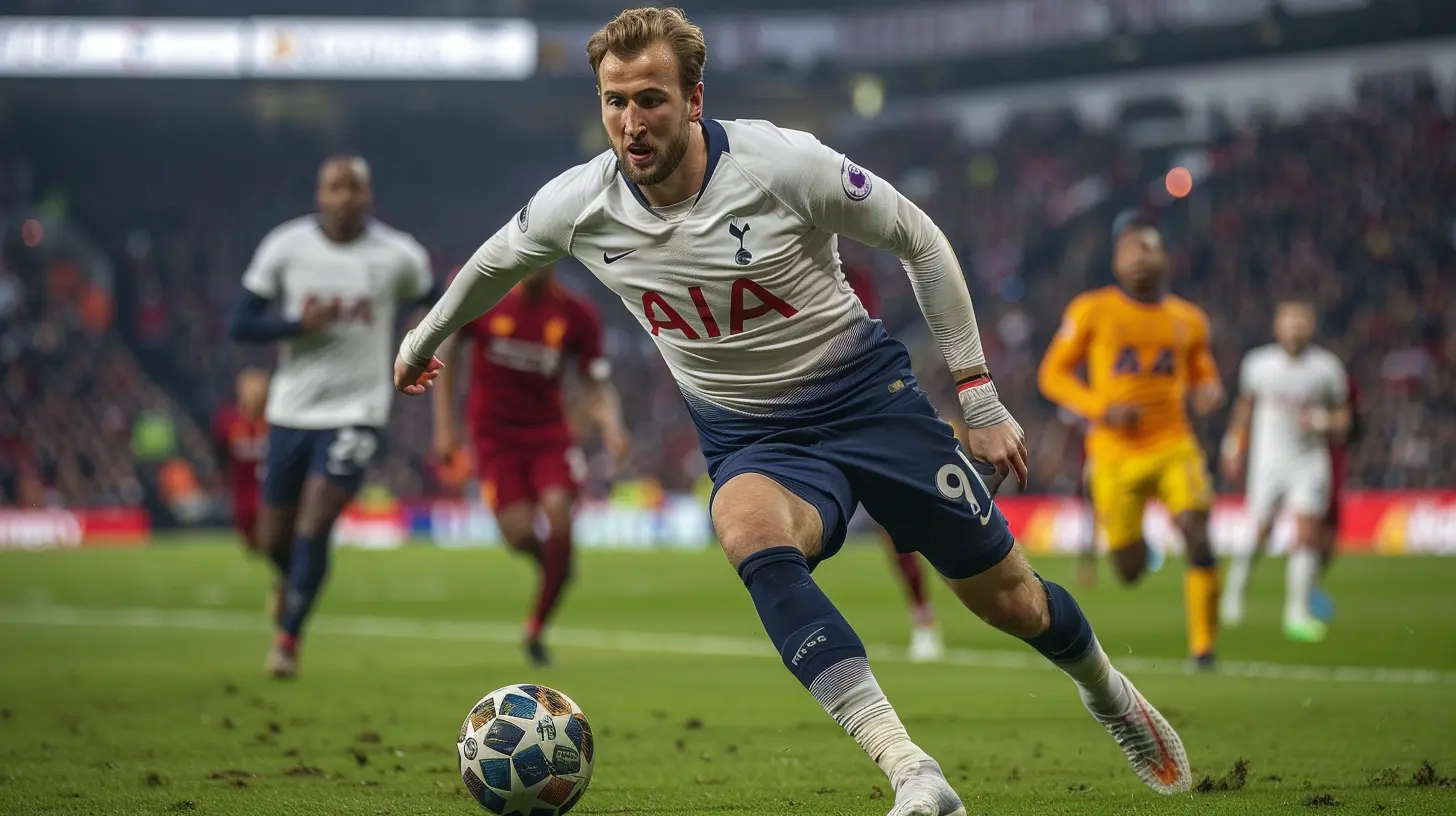
Why Passing Matters More Than Ever
Possession is king in modern football. If you’ve got the ball, the other team can’t hurt you — that’s the logic. But it’s not just about hoarding the ball; it’s about doing something meaningful with it.Passing is how:
- You break down low blocks
- Transition from defense to attack
- Control the tempo
- Exploit space
And today, with pressing systems being so relentless, precise passing under pressure is absolutely essential.
Case Study #1: Manchester City – The Architects of Controlled Chaos
Let’s start with Pep Guardiola’s Manchester City. If there's any team that defines modern passing, it’s them.This season, Guardiola has tweaked his system again (because of course he has). The focus has shifted from possession for possession’s sake to verticality — passing that cuts through the lines quickly and decisively.
Key Changes in Their Passing:
- John Stones in midfield: When healthy, Stones steps into midfield from center-back, providing an extra passing option. It overloads the middle and creates triangles everywhere.- Inverted full-backs: Rico Lewis or Kyle Walker step inside, offering more connectivity.
- Rodri’s role: He’s the metronome. Every pass goes through him, and he rarely misses.
One prime example was City’s win against Arsenal at the Etihad. Their second-half passing tempo was relentless. At one point, they completed 46 consecutive passes — ending in a goal. It was passing poetry.
Case Study #2: Brighton & Hove Albion – Risky Business Pays Off
Brighton under Roberto De Zerbi has become the hipster’s favorite team — and for good reason. Their style defies conventional wisdom.What Sets Brighton Apart?
- Build-up under pressure: They invite the press and pass their way out of it, almost like daring the opponent to come closer.- Progressive passing: Brighton are among the league leaders in progressive passes per 90 minutes.
- Keeper involved: Jason Steele or Bart Verbruggen aren’t just shot-stoppers — they’re playmakers.
In their clash against Newcastle United, Brighton baited the press multiple times. They lured attackers in, then sliced through with quick, incisive passes. It’s high-risk, high-reward — like playing with fire but knowing you’ve got the extinguisher.
Case Study #3: Real Madrid – Modric, Kroos, and the New Wave
Real Madrid continue to master the midfield art of passing, blending old-school legends with fresh talent.Evolving Midfield Dynamics:
- Kroos and Modric rotate instead of starting together: This keeps legs fresh and tactical profiles balanced.- Bellingham’s verticality: Jude brings energy and forward-thinking movement, making runs that demand line-breaking passes.
- Camavinga and Tchouameni: These two are redefining pivot roles, spraying passes from deep while being physical enforcers.
A moment that stands out? Their Champions League group stage match versus Napoli. Camavinga played a 40-yard pass that bypassed four midfielders — straight onto Bellingham’s stride. Boom. Goal.
Case Study #4: Bayer Leverkusen – Xabi Alonso’s Symphony
Bayer Leverkusen are having a season to remember, and Xabi Alonso is pulling all the strings. His team passes with swagger — and purpose.Key Tactical Traits:
- 3-4-2-1 formation: Allows wing-backs to push high and central defenders to step into midfield.- Vertical progression: Alonso’s team doesn't pass side-to-side for show — they look forward, always.
- Granit Xhaka's transformation: From Arsenal’s problem child to Leverkusen's deep-lying playmaker? What a redemption arc!
Against Bayern Munich, they won 3-0 at home. The passing network was so tight it looked like a spider’s web. Every player was involved — building play from the back, transitioning smoothly, and slicing Bayern open.
The Rise of the Deep-Lying Creator
Remember the days when flair players only existed up front? Not anymore. Players like Declan Rice, Frenkie de Jong, or even Declan Rice have blended defensive solidity with technical passing excellence.These players are crucial because they:
- Offer composure in build-up
- Break lines with clever through balls
- Provide both defensive cover and attacking vision
In short, they're like quarterbacks — reading the game, picking the pass, and occasionally launching the ball into orbit when needed.
Playing Out from the Back: A Rite of Passage Now
If your team doesn’t play out from the back, are you even trying?Okay, maybe that's a bit harsh, but it's the way things are now. Goalkeepers aren’t just shot-stoppers anymore — they’re passing pivots. And mistakes? They’re part of the learning curve.
We’ve seen Ederson, Onana, and even Rayo Vallecano’s Stole Dimitrievski casually ping 60-yard diagonal balls like it’s nothing.
But playing out this way requires:
- Trust between defenders
- Composure under pressure
- Patterns of play that are rehearsed to death in training
One misstep? You’re punished. But when it works — chef’s kiss.
Tactical Flexibility: Passing in Different Systems
Let’s not pretend all teams pass the same way. That’s the beauty of it.Possession-Dominant Teams
- Teams like Barcelona, City, and Arsenal use passing to control and suffocate.- Short triangles, rotations, and constant movement.
Transition-Focused Teams
- Napoli, Liverpool (on their day), or RB Leipzig use passing for quick kills.- Interceptions, and two or three passes later — boom, counterattack complete.
Hybrid Systems
- Inter Milan and PSG blend both approaches: they hold when needed but can go direct and vertical too.What Do the Data Say?
Let’s geek out for a second.According to stats from the current season:
- Pass Completion %: Teams like City and PSG average 89%+.
- Progressive Passes Per 90: Brighton, Leverkusen, and Napoli lead in this metric.
- Possession Lost: High-pressing teams naturally lose the ball more due to risk — but also create more chances.
The takeaway? Teams that proactively pass — and do it well — generally dominate games.
The Role of Coaches: Puppet Masters Behind the Scenes
You think these passing patterns happen by accident? Nope.Modern coaches are like directors. They script everything:
- Zone-based passing drills
- Rehearsed patterns under pressure
- Press-resistance training
Coaches like De Zerbi, Guardiola, and Xabi Alonso are sworn believers in patterns and structure. Their teams don’t just "play" — they perform.
Where Is Passing Headed?
Honestly? We're just scratching the surface.We could be heading into an era of "positional passing," where players aren't just moving the ball — they're shifting the entire defensive shape of their opponents with every touch.
AI and data analytics are also shaping how teams train their passing game. Some teams already simulate patterns using VR and motion tracking. Football? More like rocket science soon.
Final Thoughts
Passing has come a long, long way. From hopeful hoofs to carefully curated choreography. And this season? We’re lucky. We’re witnessing the evolution in real-time.Teams like Manchester City, Brighton, and Leverkusen aren’t just playing football — they’re reinventing the script. Every pass is a statement. A risk. A solution.
So next time you're watching a match and see a simple one-two or a threaded through-ball, pause for a second. Behind that pass is a story — hours of work, countless iterations, and a vision of what modern football should be.
all images in this post were generated using AI tools
Category:
Game AnalysisAuthor:

Frankie Bailey
Discussion
rate this article
2 comments
Blair Roberson
Exciting to see how passing techniques are transforming modern football! These innovations not only enhance teamwork but also inspire future generations of players. Keep evolving!
February 12, 2026 at 11:49 AM
Frankie Bailey
Thank you! I'm glad you enjoyed the article. The evolution of passing truly is pivotal for teamwork and inspiring future talent!
Reese Dodson
Great insights! It’s fascinating to see how passing strategies are transforming the game. Excited for future developments!
December 22, 2025 at 7:37 PM
Frankie Bailey
Thank you! I'm glad you found it insightful. Exciting times ahead for football!