Sports Medicine Trends Affecting Athletes in 2027
9 November 2026
As we move further into the 2020s, the landscape of sports medicine is evolving rapidly. Advances in technology, changes in athlete demographics, and an increased focus on mental health are reshaping how injuries are treated and how performance is optimized. In 2027, athletes will benefit from innovations that not only enhance physical recovery but also promote holistic well-being. This article delves into the most significant trends affecting athletes, providing insights into how these developments may influence their training, recovery, and overall performance.
The Rise of Personalized Medicine
Tailored Treatment Plans
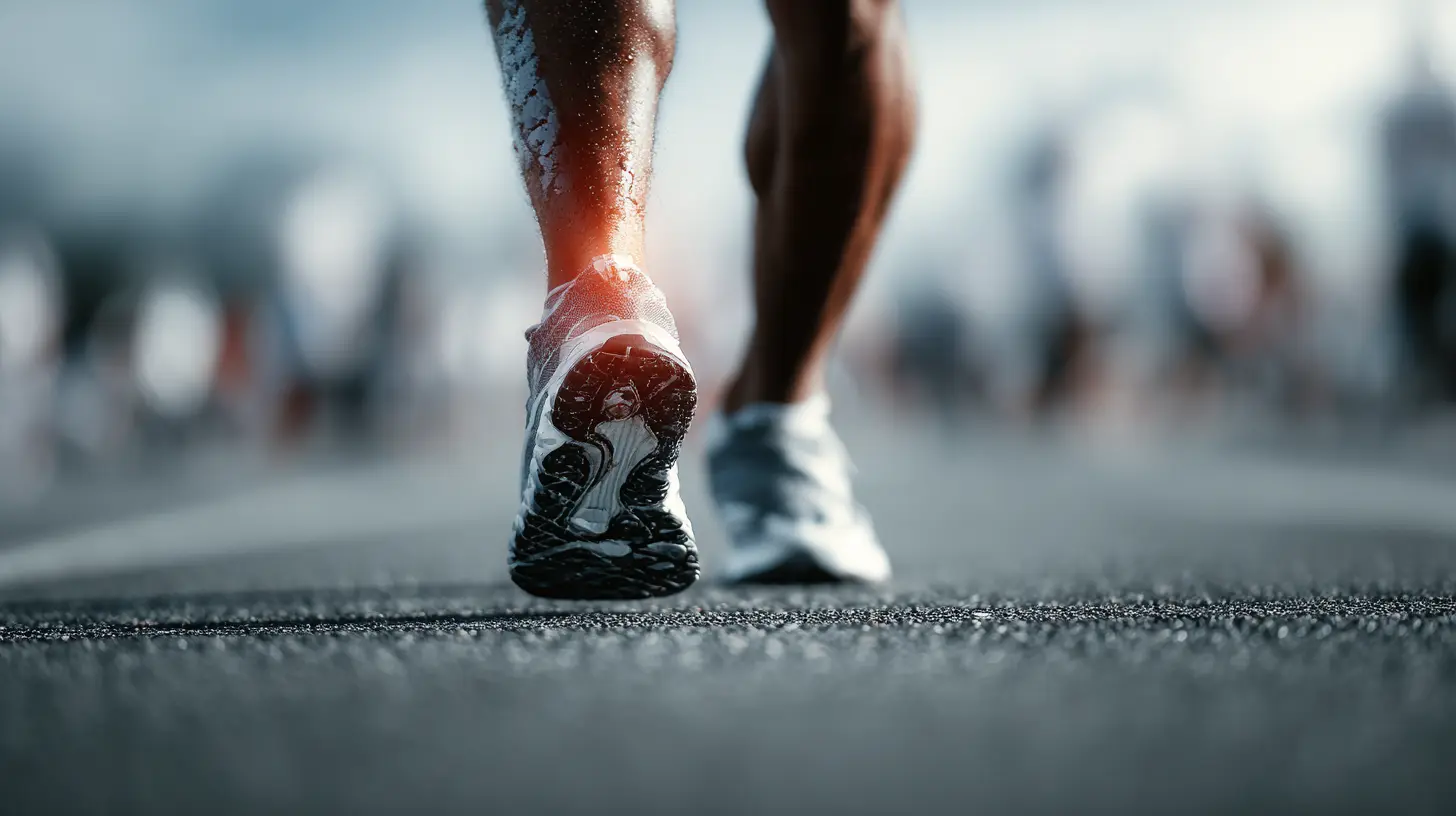
One of the most prominent trends in sports medicine is the shift towards personalized medicine. This approach tailors treatment and training plans based on an athlete's genetics, biomechanics, and individual responses to exercises. By utilizing genetic testing and advanced analytics, sports medicine professionals can create customized rehabilitation protocols that are more effective than one-size-fits-all solutions.For example, an athlete with a history of hamstring injuries might undergo a genetic analysis that reveals a predisposition to muscle strains. Armed with this information, trainers can implement specific strength and flexibility exercises that address the athlete's unique vulnerabilities. This targeted approach not only speeds up recovery times but also reduces the risk of re-injury.
Data-Driven Decision Making
As the amount of data generated by wearable technology continues to expand, sports medicine practitioners are increasingly relying on data-driven insights. Athletes now wear devices that track biometrics such as heart rate, muscle fatigue, and hydration levels. This data helps coaches and medical staff make informed decisions regarding training loads and recovery protocols.For instance, if an athlete's wearable device indicates elevated heart rate variability, it may suggest that they are not fully recovered from previous training sessions. Consequently, coaches can adjust the athlete's schedule to include more rest or recovery sessions, thus preventing potential overtraining.
Advanced Imaging Techniques
Improved Injury Diagnosis
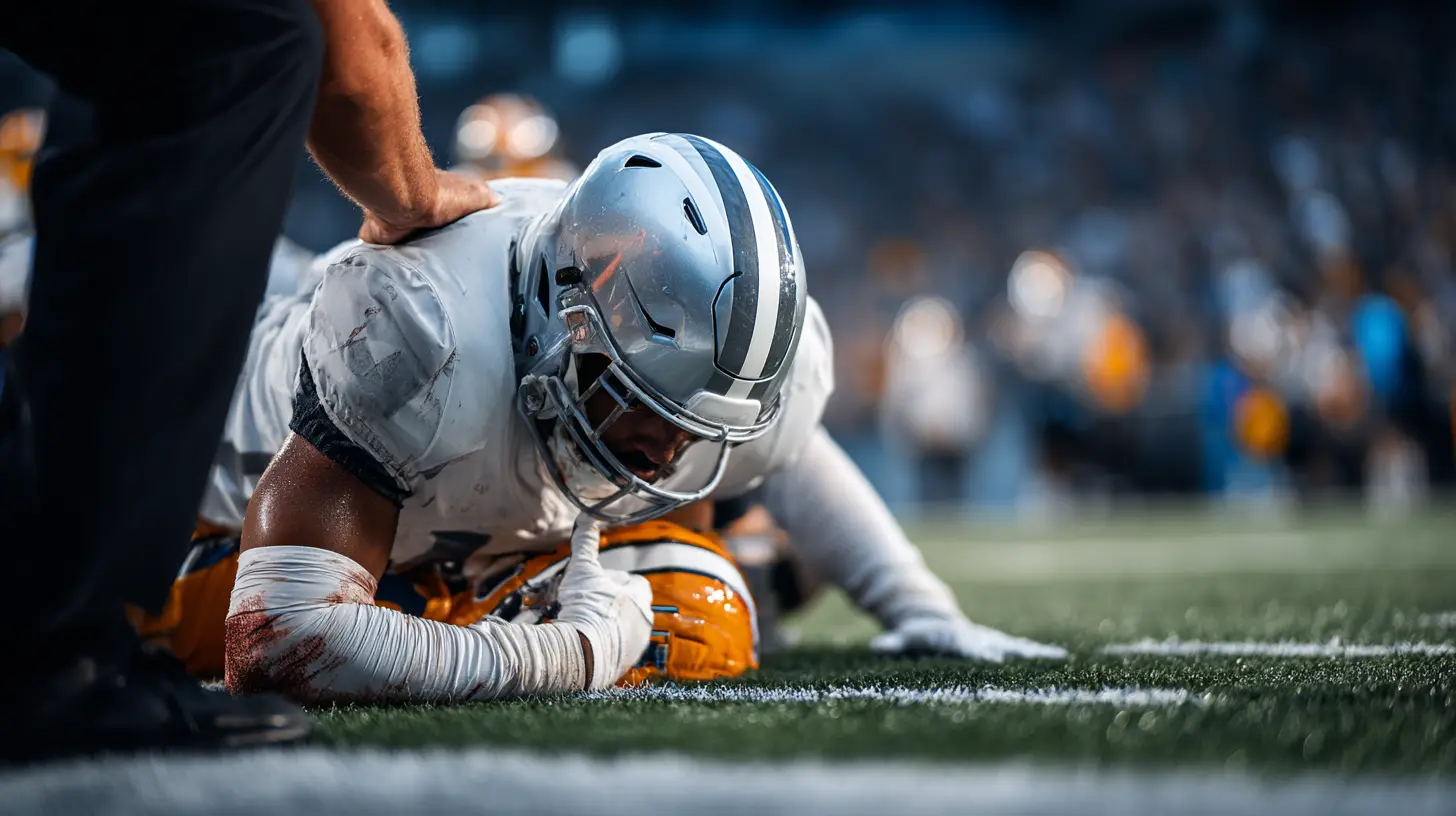
The use of advanced imaging techniques is transforming injury diagnosis and management. Innovations like MRI (magnetic resonance imaging) and ultrasound technology are becoming more accessible and sophisticated. These tools allow for earlier detection of injuries and better visualization of soft tissue, leading to more accurate diagnoses.For example, a sports medicine professional may utilize high-resolution ultrasound to assess a tendon's condition in real-time during an athlete's training session. This immediate feedback can guide modifications in technique or training loads, potentially preventing serious injuries before they occur.
Virtual Reality in Rehabilitation
Incorporating virtual reality (VR) into rehabilitation programs is another trend gaining momentum. VR simulations can create realistic scenarios for athletes, allowing them to practice skills and movements in a controlled environment. This method can be particularly beneficial for neuromuscular rehabilitation, as it provides both engagement and a safe space to refine techniques.Athletes recovering from knee injuries might use VR to simulate sport-specific movements, enhancing their proprioception and muscle memory without the risk of physical strain. The immersive nature of VR can also help maintain motivation during the sometimes tedious rehabilitation process.
Focus on Mental Health
Comprehensive Wellness Approaches
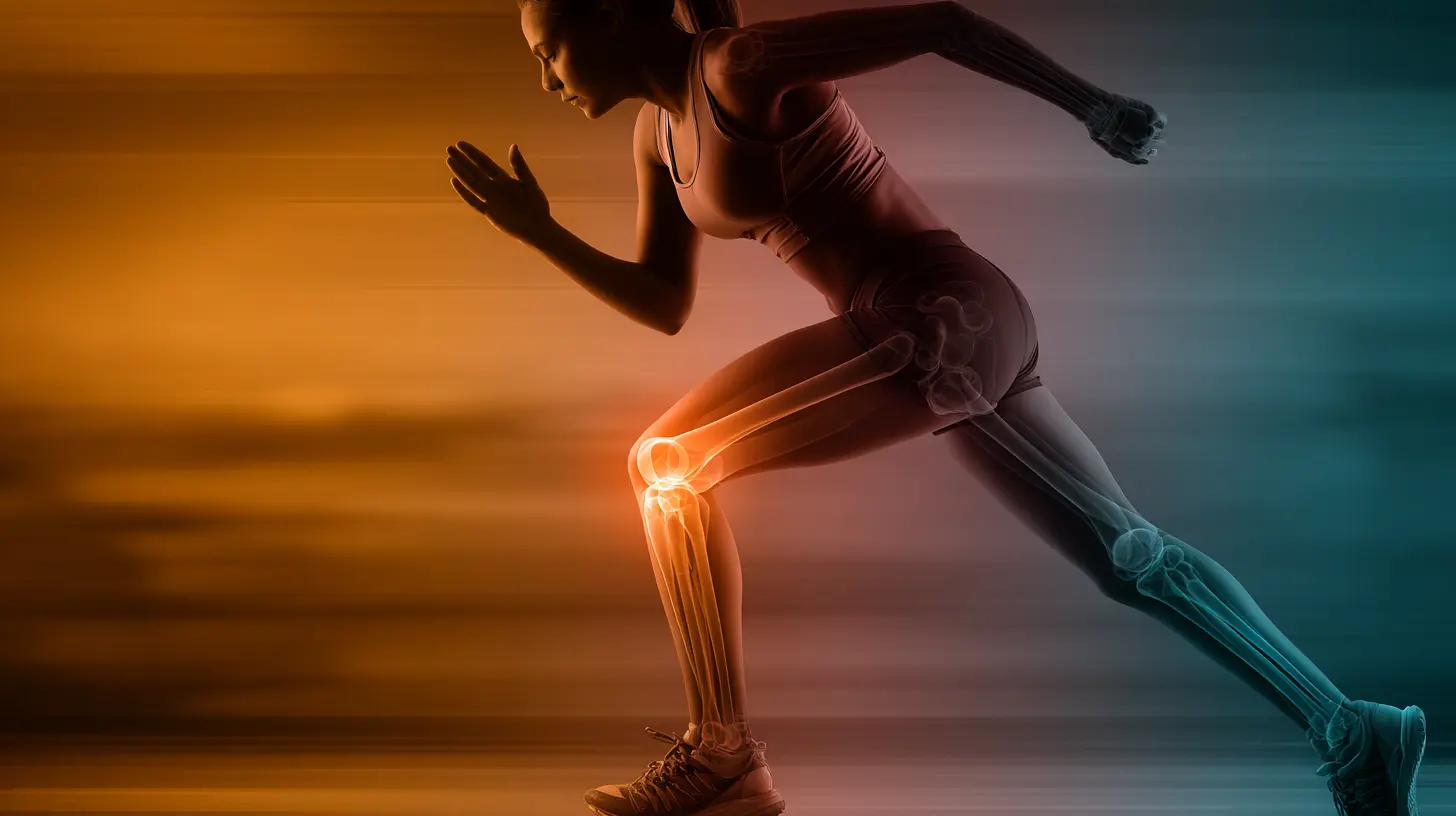
The recognition of mental health as a critical component of athletic performance has gained traction. In 2027, we will likely see sports medicine professionals adopting comprehensive wellness approaches that address both physical and mental health. This holistic view promotes not only injury prevention and recovery but also enhanced performance.Athletes are increasingly aware of the mental challenges that accompany high-level competition. Incorporating sports psychologists into training regimens can help athletes develop resilience and cope with pressure. Techniques like mindfulness, visualization, and cognitive-behavioral therapy are becoming standard in sports programs, helping athletes maintain focus and manage anxiety.
Creating Support Networks
Another significant trend is the establishment of support networks for athletes, focusing on mental well-being and emotional health. These networks can include coaches, sports psychologists, nutritionists, and peer support groups. Creating an environment where athletes feel safe discussing their mental health challenges can be transformative.For instance, a professional football team might implement regular check-ins with a mental health professional, ensuring that players feel supported throughout the season. This proactive approach not only enhances individual well-being but also fosters team cohesion and trust.
Nutrition Science Advancements
Precision Nutrition
Nutrition plays a vital role in an athlete's performance and recovery. As we head towards 2027, the concept of precision nutrition-tailoring dietary plans to the individual's genetic makeup and specific needs-will become more prevalent. This evolution is driven by an increasing understanding of the relationship between nutrition and athletic performance.Athletes may undergo metabolic profiling to understand how they metabolize different nutrients. For example, an athlete with a genetically confirmed fast metabolism might require a higher caloric intake from carbohydrates to sustain energy levels during training. By personalizing nutrition plans, athletes can maximize their performance and recovery.
Functional Foods and Supplements
The market for functional foods and supplements is expanding as athletes seek out products that offer specific benefits. These might include protein powders enriched with additional amino acids, anti-inflammatory compounds, or adaptogens that help combat stress. However, athletes must approach supplementation with caution.While many supplements can be beneficial, it is crucial to avoid the misconception that they can replace a balanced diet. Athletes should consult with nutritionists before incorporating new supplements into their regimen. Understanding the science behind these products will help them make informed decisions and avoid potential health risks.
Technology Integration in Rehabilitation
Telehealth Services
The COVID-19 pandemic accelerated the adoption of telehealth services, and this trend is expected to continue in 2027. Remote consultations with sports medicine specialists allow athletes to receive care without the need for in-person visits. This is particularly advantageous for athletes in remote locations or those with busy schedules.Telehealth can include video consultations for injury assessments and follow-ups. physical therapists may provide virtual rehabilitation sessions, guiding athletes through exercises while monitoring their form via video. While telehealth offers convenience, it is essential for athletes to ensure that their healthcare providers have the necessary expertise in sports medicine.
Smart Equipment and AI
Smart equipment equipped with AI capabilities is revolutionizing training and rehabilitation. Equipment that provides real-time feedback on performance metrics allows athletes to make immediate adjustments, enhancing the training experience. For instance, smart treadmills can analyze running form and suggest modifications to prevent injuries.Artificial intelligence can also play a role in injury prediction by analyzing data from training sessions. If an athlete's performance metrics indicate a deviation from their typical patterns, AI systems can alert coaches and medical staff to potential risks. This proactive approach enables timely interventions, reducing the likelihood of serious injuries.
Emphasis on Recovery Techniques
Active Recovery Strategies
In recent years, there has been a notable shift towards active recovery strategies. Athletes are increasingly incorporating low-intensity workouts, like yoga or swimming, into their recovery days. This approach contrasts with traditional passive recovery methods, where athletes would simply rest without engaging in any physical activity.Active recovery can promote blood flow, reduce muscle soreness, and enhance flexibility. For example, a basketball player might engage in light shooting drills the day after a game, helping their muscles recover while still maintaining their shooting rhythm. Understanding the balance between rest and activity is crucial for maximizing recovery benefits.
The Role of Sleep
The importance of sleep in athletic performance is gaining recognition. Research continues to highlight the correlation between adequate sleep and improved physical and cognitive performance. In 2027, athletes will likely adopt more structured sleep protocols, recognizing that quality sleep is as essential as training and nutrition.Athletes may use sleep tracking devices to monitor their sleep quality and duration. Fine-tuning sleep habits, such as maintaining consistent bedtimes and minimizing screen time before sleep, can enhance recovery and performance. Coaches and trainers should prioritize sleep education as part of their athlete support programs.
Conclusion
As we look towards 2027, the trends shaping sports medicine reflect a broader understanding of the multifaceted needs of athletes. Personalized approaches, advanced technology, and a prioritization of mental health and nutrition will redefine how athletes train, recover, and perform. Embracing these trends will not only enhance individual performance but also contribute to the overall evolution of sports medicine as a discipline.Athletes, coaches, and sports professionals must stay informed about these developments to make educated decisions that will benefit their health and performance. By integrating these trends into training regimens, sports medicine professionals can foster an environment where athletes thrive, both physically and mentally.
all images in this post were generated using AI tools
Category:
Injury UpdatesAuthor:

Frankie Bailey

