Small School, Big Heart: How High School Teams Thrive with Limited Resources
14 July 2026
There’s something magical about Friday night lights in a small town, right? Those bleachers may not be packed with thousands, but the spirit in the air—you can feel it. It’s raw, real, and driven by pure passion.
But here’s the thing. Behind that heartfelt energy is something else: a high school team that’s working with next to nothing compared to the big-budget schools you see on ESPN highlights. So, how do these small school teams not only survive but sometimes thrive? Let’s break it down.

The Underdog Advantage
We all love a good underdog story. It’s the kind of thing that makes sports magical. And small high schools, with their tight budgets and limited facilities, wear the underdog label like a badge of honor.Grit Over Glitz
Let’s face it—these schools aren't rolling in cash. Their weight rooms might be more “garage gym” than state-of-the-art training facility. Their uniforms might be 5 years old. But what they often lack in resources, they more than make up for in grit, determination, and community support.And that’s the thing that sets them apart—it’s heart. These athletes are playing for more than just wins. They’re playing for their town, their families, and each other.
Less Can Be More
Sure, a sprawling campus and a huge coaching staff are nice. But small school athletes often benefit from more focused, consistent coaching. A smaller team size means more reps, more attention, and fewer players getting lost in the shuffle.Ever heard the phrase “iron sharpens iron”? That’s what you get when you have a tight-knit group that trains together, grows together, and builds chemistry over years—not seasons.
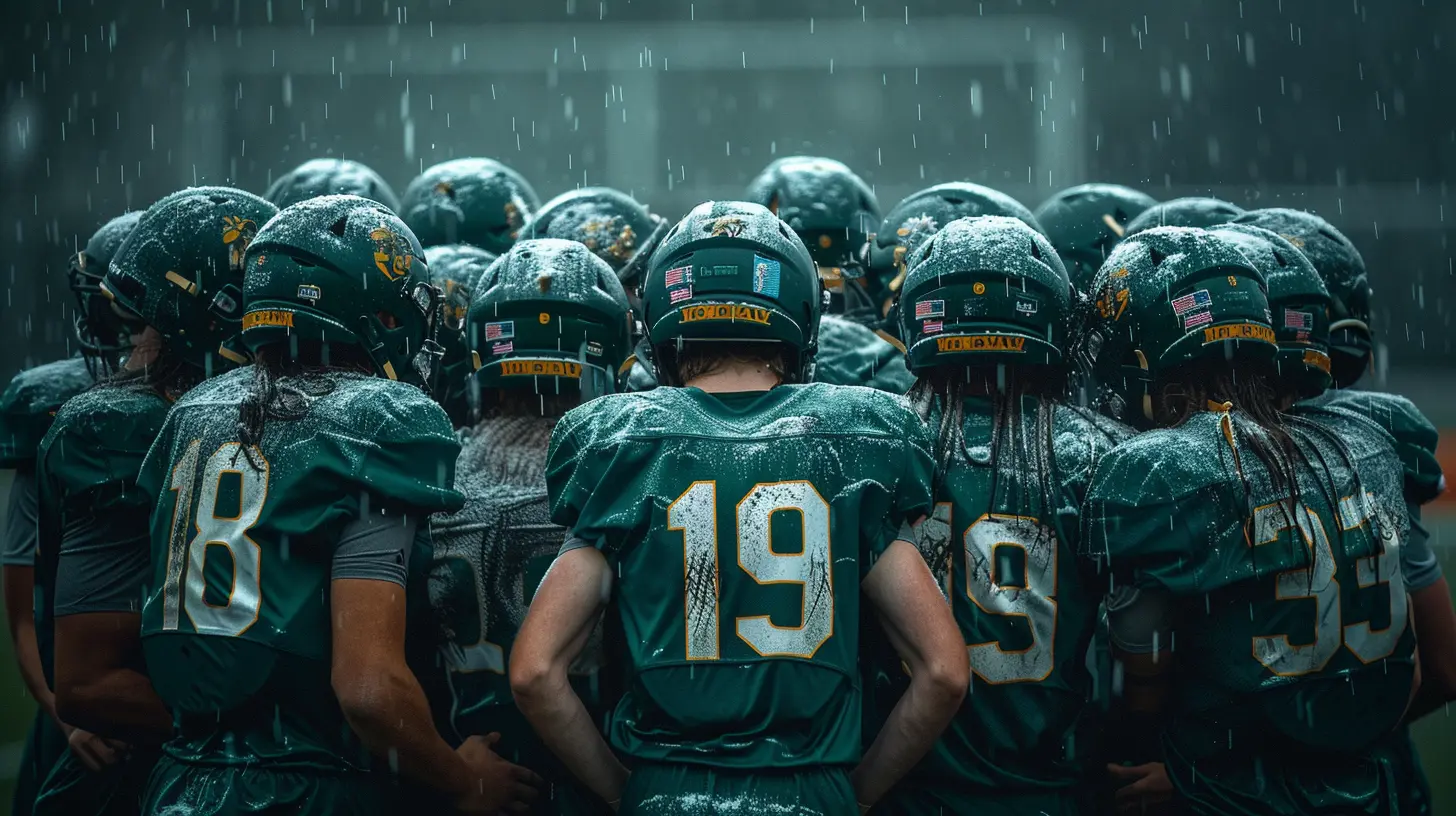
Multi-Tasking Athletes: One Roster, Many Hats
One of the most unique things about small school sports? Versatility. These kids aren’t just quarterbacks or sprinters. They’re often playing multiple sports—sometimes even multiple positions within the same game.Offense, Defense, and Everything In Between
In large high schools, it’s common to specialize. You play wide receiver, and that’s it. But in a small school? You might be the quarterback on Friday night and the star point guard on Saturday morning. Heck, maybe you're also the kicker and the long snapper.It’s not always easy, but it creates incredibly well-rounded athletes with broad skill sets. Not to mention, it teaches time management, adaptability, and leadership—all of which carry over off the field.
Burnout? Not So Fast
You might think playing multiple sports leads to burnout. But here’s the kicker (pun intended)—the variety keeps things fresh. It breaks up the monotony and keeps players engaged year-round.And you know what else? College recruiters are paying attention. Multi-sport athletes often show better athletic IQ, coordination, and team skills. So yeah, switching from football pads to baseball gloves pays off.
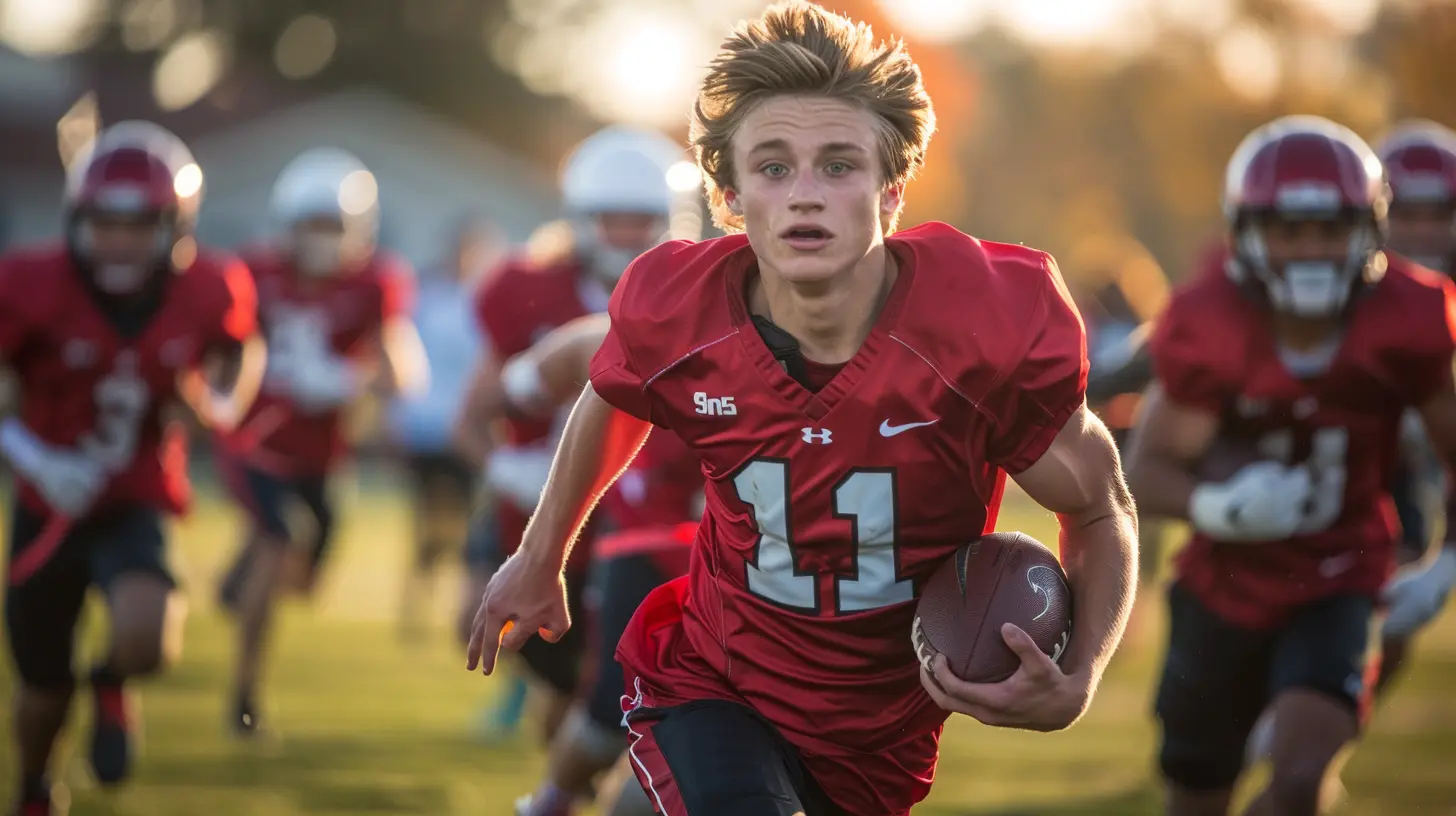
Coaches Wear Many Hats, Too
It’s not just the players juggling responsibilities. Coaches at small schools often have to teach class, drive the bus, and handle field maintenance—all before coming up with game plans.More Than Just Coaches
They're mentors, motivators, substitute parents even. These coaches know their athletes personally. They teach them in homeroom, see them in the cafeteria, and talk with their parents at the grocery store.Because of that deep relationship, players are more willing to buy into the coach's vision. And that cohesion often translates to real success—even against more resource-rich opponents.
Creative Game Plans
With limited players and facilities, small school coaches often have to tap into their creative side. Think of it like a chef cooking a five-star meal with only a few ingredients. The result? Unique schemes, trick plays, and a game plan that throws bigger teams off balance.
The Power of Community
One thing you can’t ignore: the town is in it. When a small school team hits the field, it's not just a game—it’s an event. It’s Friday night lights meets family reunion vibes.Town Pride Runs Deep
Parents, uncles, neighbors, former players—they all show up. The mom who screamed from the bleachers 20 years ago? Now she’s cheering for her son. The local barber? He paints the players' numbers on the shop window.This sense of pride and belonging fuels the team. When the whole town has your back, you’re playing for more than just the scoreboard.
Fundraisers and DIY Spirit
Need new uniforms or better equipment? Time to roll up some sleeves. It’s car washes, spaghetti dinners, and bake sales. And you know what? It works.These communities find creative ways to support their teams. And in the process, the players learn a little something about hard work, teamwork, and gratitude.
Learning Life Lessons on and off the Field
With limited resources, victories are sweeter. Losses sting a little more. But every game is packed with lessons that go way beyond sports.Perseverance and Resilience
When you're up against bigger, faster, better-equipped teams and still holding your own? That’s resilience. When your practice field floods and you still train in the parking lot? That’s perseverance.These athletes learn early on how to adapt, push through adversity, and find strength in uncomfortable situations.
Leadership and Accountability
Small teams mean there’s no hiding. Everyone plays a role, and everyone has to step up. Seniors mentor freshmen. Captains lead by example. And when mistakes happen? You own them, learn from them, and move on.That level of accountability shapes young adults ready to take on the real world—whether or not they ever play beyond high school.
Technology as a Game-Changer
Now, let’s be real. Even the most passionate small school can’t build a weight room overnight. But what they can do is leverage low-cost (sometimes free) technology to stay competitive.Film Study and Digital Scouting
Gone are the days of VHS tapes and clunky projectors. With smartphones and a decent internet connection, teams can now watch film, analyze opponents, and break down plays just like the big schools.Apps like Hudl have evened the playing field, giving coaches tools to create highlight reels for college scouts or draw up digital playbooks.
Social Media = Central Hub
Social media has become a lifeline for small school teams. It's not just for promoting games—it’s a recruiting tool, a morale booster, and a way to share culture with the wider world.A killer touchdown throw? That’s a viral clip waiting to happen. And guess what? You just got your QB a scholarship look.
Real-World David vs. Goliath Stories
Let’s take a quick peek at some real examples because theory is nice, but proof is even better.Case Study: The 8-Man Football Wonder
There are high schools that don’t even have enough players to field a standard football team. So what do they do? Play 8-man football. And some of these teams dominate, going undefeated and embarrassing larger schools in crossover games.Small Town Basketball, Big Time Dreams
Some rural schools with less than 300 students have sent players to D1 colleges and even pro leagues. How? By focusing on fundamentals, hard work, and building team chemistry that can’t be matched.These aren’t one-off Cinderella stories. They happen more than we think—they just don’t get the headlines.
Final Whistle: Heart Over Hype
So, what’s the big takeaway from all this? It’s simple.When you strip away the big budgets and the fancy facilities, what’s left is the soul of sports—competition, passion, and community. And in that space, small schools shine.
They may not have much, but they’ve got heart. And in sports, as in life, that often makes all the difference.
all images in this post were generated using AI tools
Category:
High School SportsAuthor:

Frankie Bailey
Discussion
rate this article
1 comments
Zora Edwards
This article highlights the resilience and passion that define small school sports. Despite their limited resources, these teams often foster a strong sense of community and commitment. Their success is not just measured by wins, but by the character and determination they instill in young athletes.
August 7, 2026 at 2:39 AM
Frankie Bailey
Thanks for your insight! It's true that the heart of small school sports lies in the community and the values they build in young athletes. Their journey is truly inspiring.