The Future of Sports Broadcasting: Augmented Reality on the Rise
19 October 2025
Sports broadcasting has come a long way from the days of grainy black-and-white TV screens and fuzzy radio commentary. With every technological leap, fans get closer to the action. But now, a new revolution is knocking on the door—Augmented Reality (AR).
Imagine watching a football game where real-time stats hover over players, instant replays pop up in your living room, and interactive graphics enhance your understanding of the match. Sounds like sci-fi? Well, it's closer to reality than you think.
In this article, we'll dive deep into how AR is shaping the future of sports broadcasting, how it benefits fans, and what challenges broadcasters face. 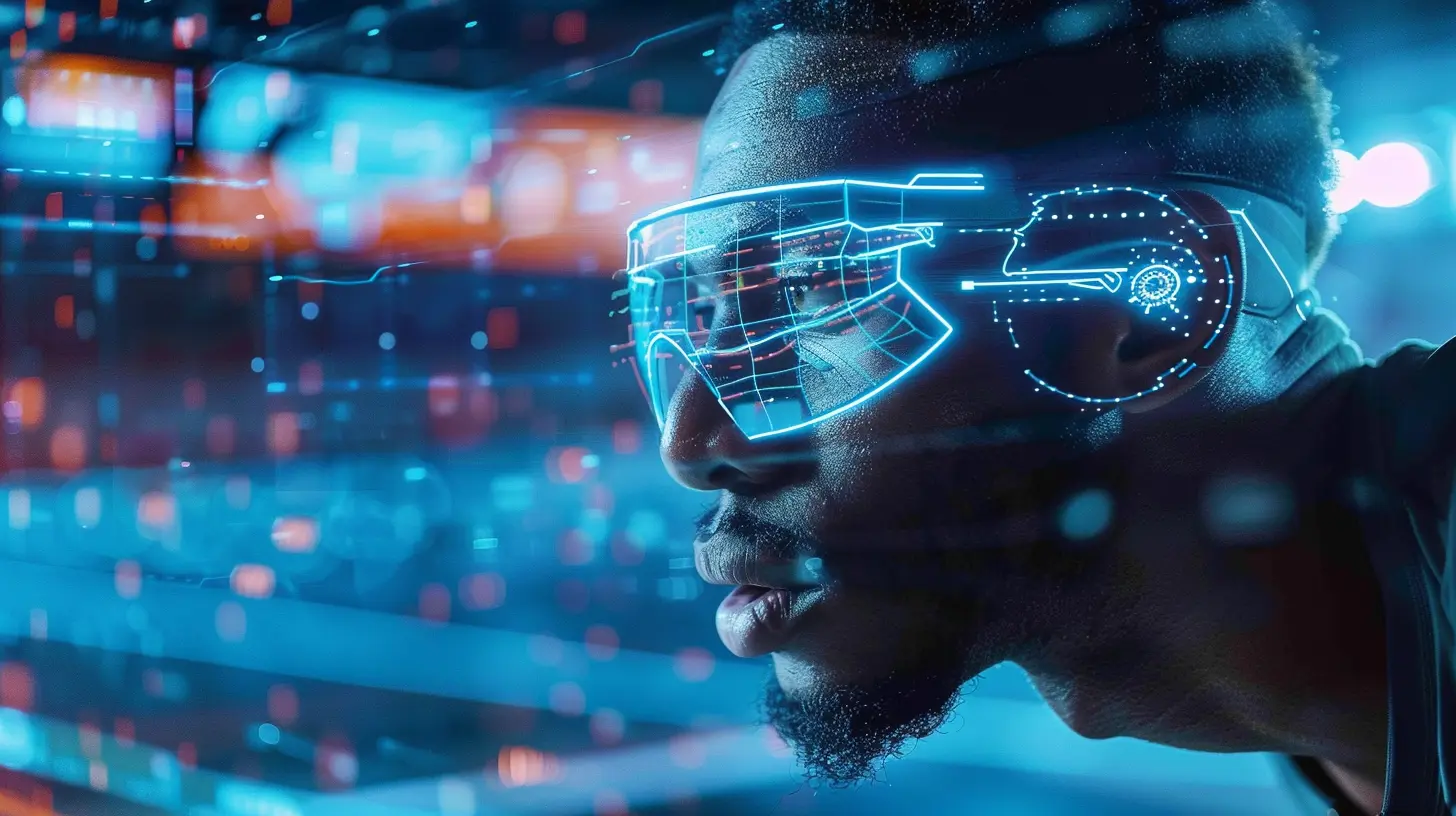
The Rise of Augmented Reality in Sports Broadcasting
Augmented Reality isn’t just a fancy gimmick anymore. Thanks to advancements in computing power, network speeds, and AR devices, it's becoming an integral part of how people consume sports.Broadcasters have already started integrating AR in subtle ways—think about those digital first-down lines in NFL games or the virtual scoreboards in soccer matches. But this is just scratching the surface.
Soon, AR will go beyond simple overlays. Imagine pointing your smartphone at a player on the screen and getting their real-time stats. Or even better, putting on AR glasses that make it feel like you're sitting right next to the action in the stadium. 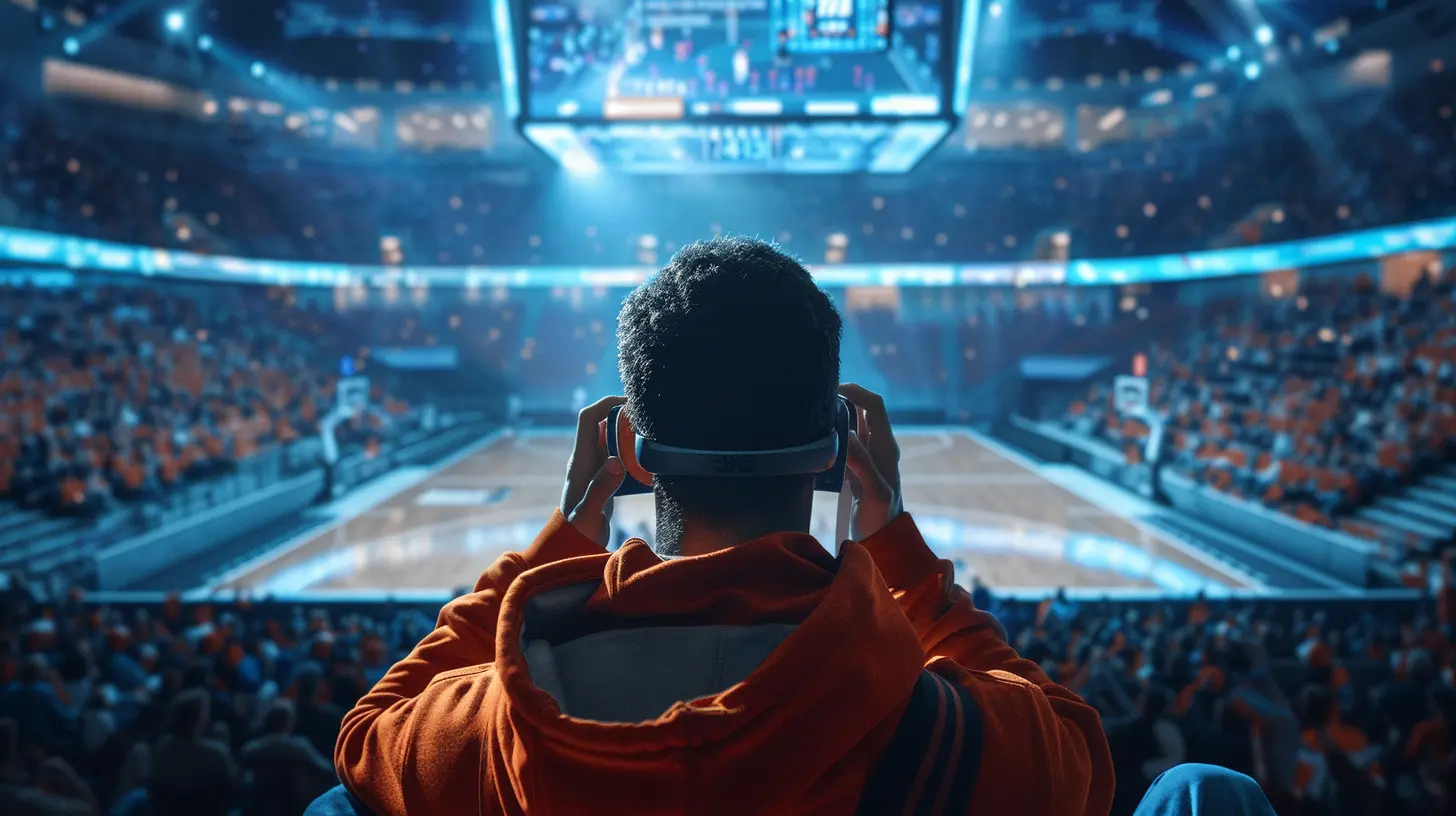
How Augmented Reality Enhances the Viewer Experience
1. Real-Time Stats on Screen
No need to glance at your phone or wait for the commentator to mention a player’s performance. AR can display real-time player stats, team formations, and even projected outcomes based on AI-driven analytics directly on your screen.2. Interactive Player Info
Ever wondered how fast a player is running? Or their heart rate during a penalty kick? AR makes it possible. With smart cameras and biometric tracking, broadcasters can show this information live, adding a new dimension to the game.3. Immersive Replay Experience
Forget about dull slow-motion replays. With AR, fans can manipulate angles, zoom in on key moments, and even view replays in 3D in their own space. Picture rewinding a basketball dunk and watching it from the player's perspective!4. Enhanced Sports Analysis for Die-Hard Fans
For fans who love breaking down plays, AR tools will offer virtual telestrators that allow analysts (and even fans) to draw on the screen, showing passing lanes, defensive formations, and tactical breakdowns like never before.5. Virtual Seats in the Stadium
Missed out on tickets to the big game? No problem. AR headsets will allow fans to experience live games as if they were sitting in prime seats inside the stadium, complete with 360-degree views and surround sound effects.6. Personalized Viewing Experiences
AR will let fans customize their own viewing experiences. Want to follow only your favorite player throughout a game? Done. Need replays at your command? Easy. AR will give viewers control like never before.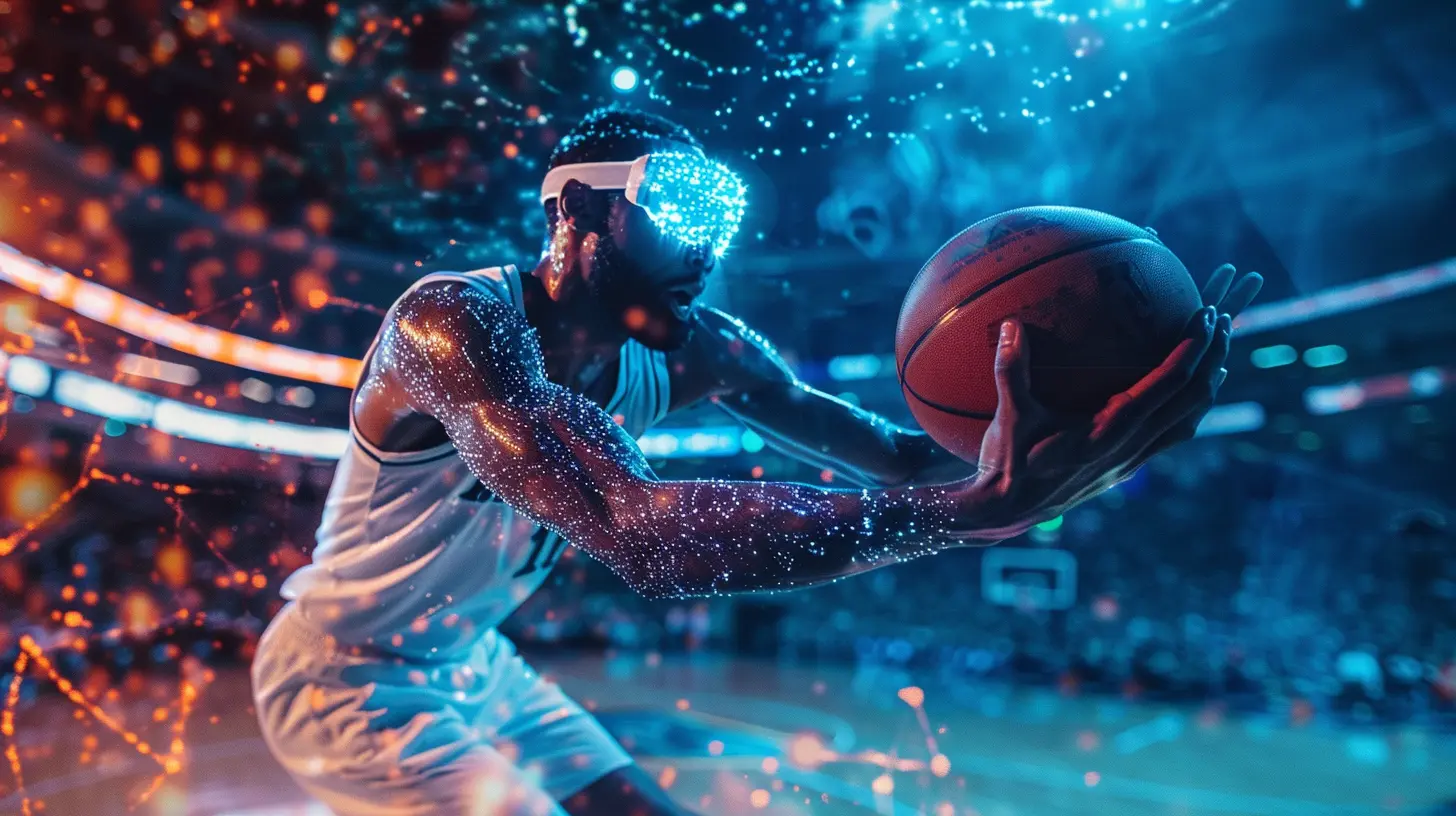
The Impact of AR on Sports Broadcasters and Media Companies
1. Increased Viewer Engagement
People are no longer satisfied with just watching games passively. AR makes viewing an interactive experience, keeping audiences glued to the screen. This means longer watch times, better ratings, and higher revenue for broadcasters.2. New Advertising and Sponsorship Opportunities
Brands will jump at the chance to deliver AR-powered ads. Picture this—you're watching an NBA game, and with AR, a brand’s logo appears on the court in real-time or a product ad seamlessly blends into the stadium background. The possibilities are endless.3. Competitive Advantage for Broadcasters
Streaming services are already shaking things up for traditional sports networks. The integration of AR could be a game-changer, giving early adopters a huge competitive edge. Fans will naturally gravitate toward broadcasters offering the most immersive experience.4. Data-Driven Insights for Broadcasters
AR isn’t just about enhancing viewer experience—it can also provide valuable insights for media companies. By tracking how fans interact with AR features, broadcasters and sports teams can tailor content to what fans love most.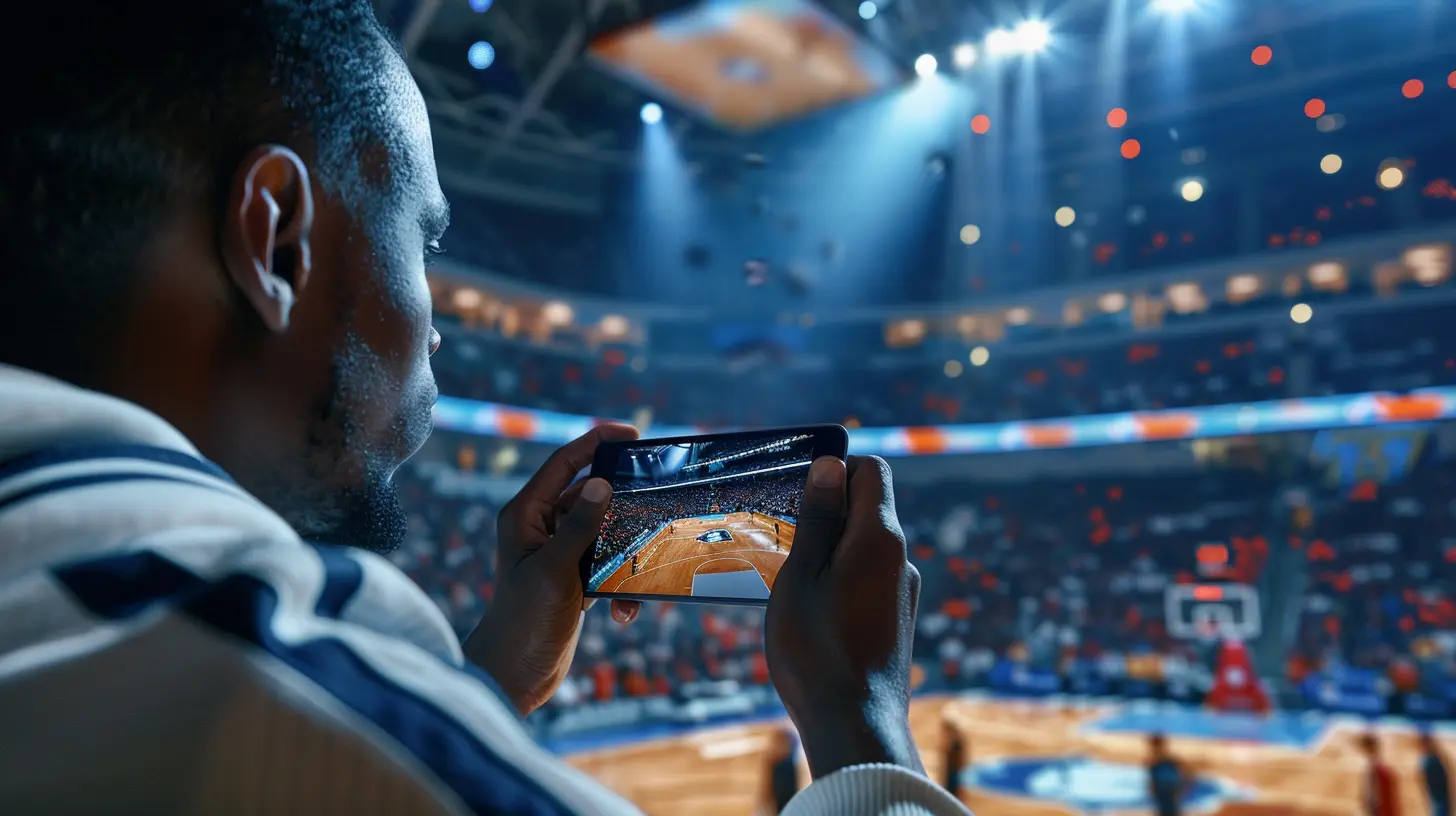
Challenges and Limitations of Augmented Reality in Sports
Of course, integrating AR into sports broadcasting won’t be all smooth sailing. Here are some hurdles that need to be overcome:1. High Development Costs
Implementing AR is expensive. From developing software to purchasing high-tech cameras and AR-capable broadcasting equipment, it requires a hefty investment. Smaller sports networks may struggle to keep up.2. Hardware Limitations
While smartphones and tablets are widely accessible, premium AR experiences require specialized headsets like the Apple Vision Pro or Microsoft HoloLens. Until these devices become mainstream and more affordable, mass adoption could be slow.3. Bandwidth and Streaming Issues
Augmented reality demands high-speed internet and low latency to ensure a smooth, real-time experience. With 5G expanding, this issue might be resolved in the future, but until then, lag and buffering could frustrate users.4. Learning Curve for Users and Broadcasters
New technology always comes with a learning curve. Not every viewer will be keen on figuring out AR controls, and broadcasters will need time to adapt to this new way of presenting sports.5. Potential Overload of Information
While AR can enhance sports viewing, too much information on the screen can clutter the experience. Broadcasters must strike a balance between adding value and overwhelming viewers.The Future of AR in Sports Broadcasting
So, where do we go from here?The future of AR in sports broadcasting looks promising. As technology advances, AR will become more refined, seamless, and accessible. In the coming years, we can expect:
- Mainstream use of AR headsets and smart glasses to enhance live game experiences.
- Improved AI integration for more accurate real-time analysis and predictions.
- Augmented reality live betting, allowing fans to see odds and place bets without ever looking away from the game.
- Holographic replays where fans can watch a play right on their coffee table as if players are on a mini field in front of them.
- More affordable AR technology, leading to broader adoption in homes across the world.
Broadcasters who embrace this change will stay ahead, while those who lag may struggle in the evolving digital landscape.
The question isn't whether AR will take over sports broadcasting, but how soon it will become the new norm.
Final Thoughts
Augmented Reality is no longer a futuristic fantasy—it's happening now. From real-time stats to virtual stadium seats, AR is changing how we experience sports, making it more immersive, interactive, and exciting.While challenges exist, the benefits AR brings to sports broadcasting far outweigh the hurdles. Fans crave deeper engagement, and AR delivers just that.
The only thing left is to ask: Are you ready for this game-changing leap in sports entertainment? Because the future is already knocking.
all images in this post were generated using AI tools
Category:
Sports BroadcastingAuthor:

Frankie Bailey
Discussion
rate this article
1 comments
Bear McKee
In a realm where reality bends and blends, Sports come alive, where the future ascends. Augmented visions ignite our game, Every moment, every play, redefined without shame. A symphony of thrill, technology's embrace, In this new era, we find our place.
October 25, 2025 at 3:17 AM
Frankie Bailey
Thank you! Your poetic take beautifully captures the transformative potential of augmented reality in sports broadcasting. Exciting times ahead!