Injury Watch: Key Players on the Mend in Early 2027
25 October 2026
There is a particular kind of hope that settles over a sports world in January and February. It is not the naive optimism of a fanbase that has never been hurt. It is the more measured, weather-tested hope of people who have watched a star player go down, watched the calendar crawl, and now sense the finish line of a long rehabilitation getting close. The early weeks of 2027 have delivered a steady stream of positive updates from training rooms and rehabilitation centers, and the pattern is worth examining closely.
This is not a simple list of names and return dates. Return dates move. What matters more is the logic behind them: how medical staffs decide a player is ready, why some recoveries accelerate while others stall, and what fans and fantasy managers should actually watch for when a player is declared "close." Below is a look at the key players trending toward returns, organized by sport, along with the reasoning that separates genuine progress from wishful thinking.

How to Read an Injury Update Like a Professional
Before getting to specific players, it helps to understand what teams are actually saying when they issue an update. Most public injury reports are deliberately vague, and that vagueness is not always gamesmanship. It reflects real uncertainty.The Difference Between Cleared and Ready
A player can be medically cleared and still not ready to perform at game speed. Cleared means the tissue has healed enough that the risk of re-injury during normal activity is acceptable. Ready means the player has rebuilt the strength, conditioning, and sport-specific movement patterns needed to compete. The gap between those two states is where most setbacks happen.Think of it like a bridge that has been repaired. The engineers can sign off that the structure is sound. That does not mean it has been load-tested with rush-hour traffic. Rehabilitation follows the same principle: the final phase is about progressively loading the tissue until it tolerates the demands of competition.
Why Return Timelines Slip
Timelines slip for three main reasons. First, the original diagnosis was conservative or incomplete. Second, the player experienced a normal but unplanned reaction to increased workload, which is common and not necessarily a setback. Third, the player and team disagreed about readiness, and the player won the argument, sometimes to everyone's later regret.When you see a timeline pushed back by a week or two, it is usually the second reason. When it is pushed back by a month or more, that is a signal worth taking seriously.
The Soft Tissue Trap
The most common early-season injuries are soft tissue problems: hamstring strains, calf strains, groin issues, and the like. These are also the injuries most likely to recur. Research and clinical experience both point to the same conclusion: the biggest risk factor for a soft tissue injury is a previous soft tissue injury. That is why you will see teams be unusually patient with a hamstring even when the player feels fine. The tissue may feel normal before it is strong enough to sprint at full speed repeatedly.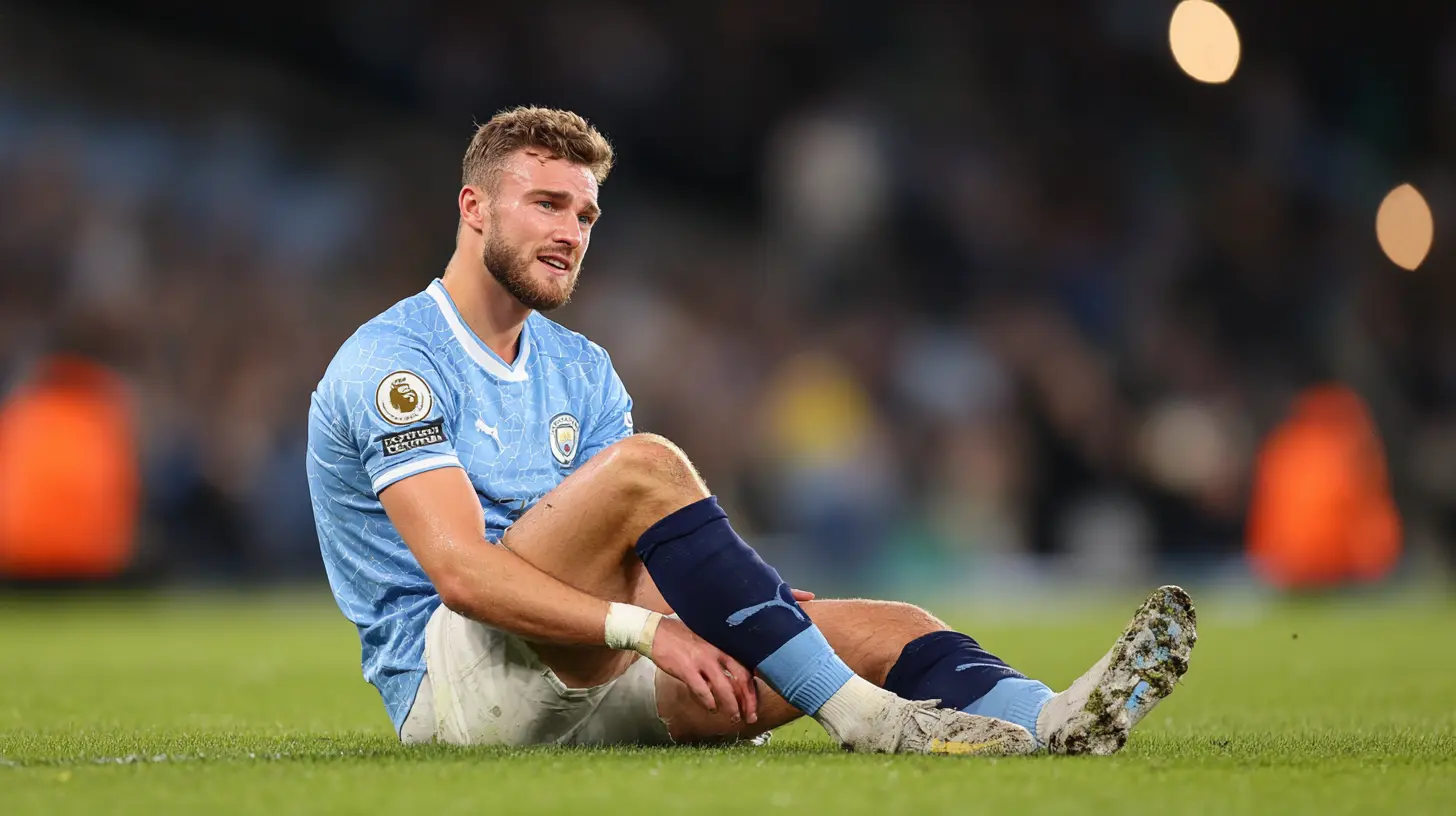
Basketball: The Stars Working Their Way Back
The basketball calendar in early 2027 sits at a fascinating point. Teams are deep into the regular season, the trade deadline has passed or is approaching, and the playoff picture is taking shape. A returning star can shift the balance of a conference, which raises the stakes on every medical decision.The Value of a Gradual Reintroduction
The best-run basketball organizations rarely throw a returning player straight back into heavy minutes. Instead, they use a ramp: short bursts off the bench, then longer stretches, then closing-lineup duty, then full starter minutes. This is not caution for its own sake. Basketball demands repeated maximal efforts, sudden decelerations, and lateral cutting, all of which stress tissue in ways that practice cannot fully replicate.Pay attention to how a returning player is used in their first three or four games. If a coach brings them off the bench and limits them to short shifts, that is a sign the medical staff is managing load carefully. If a player is immediately logging 35 minutes, either the recovery was unusually clean or the team is taking a risk. Both happen, but only one is a best practice.
Load Management Is Not a Dirty Word
Fans often groan at the phrase "load management," but the concept is sound. The goal is to keep cumulative stress below the threshold where tissue breaks down. A player returning from a knee issue, for example, may play every other game for two weeks before resuming a normal schedule. This approach frustrates fantasy managers and ticket buyers, but it is grounded in physiology, not softness.The trade-off is real. Resting a player costs the team in the standings and costs fans a chance to see them. The alternative, pushing too hard and losing the player for another month, usually costs more. Teams that communicate this clearly to their fanbase tend to absorb the criticism better than teams that stay silent.
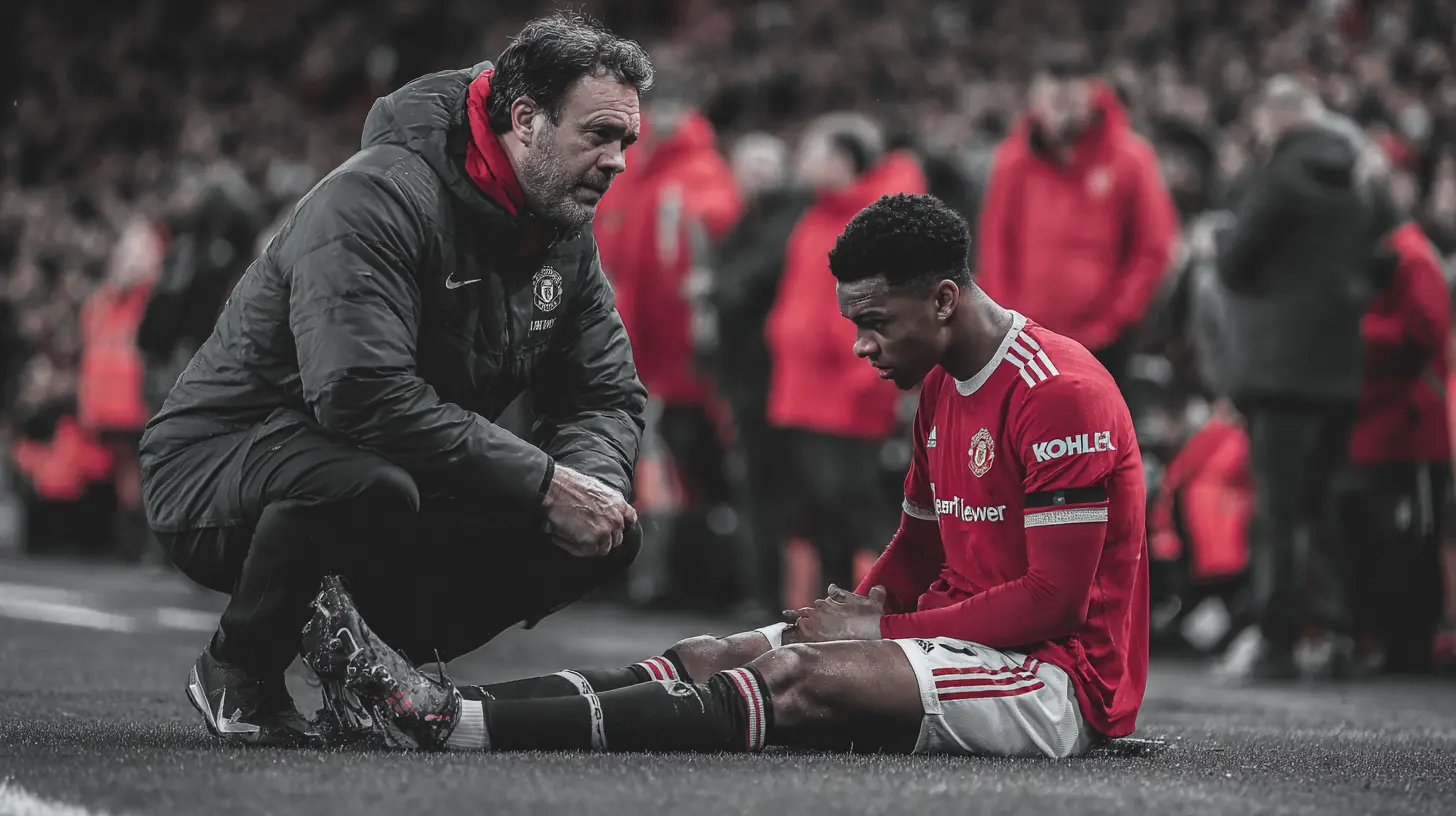
Football: Managing the Return From Long-Term Absences
Football presents a harder rehabilitation puzzle than most sports because the physical demands are so varied. A player returning from an ACL reconstruction, for instance, must be able to sprint, cut, absorb contact, and land from jumps, often within the same series of plays.Why ACL Returns Take So Long
The standard timeline for a return to competitive football after ACL surgery has lengthened over the years, and that is a good thing. Early return protocols focused on whether the graft was stable. Modern protocols focus on whether the athlete has regained symmetrical strength, proper landing mechanics, and confidence in the knee. The psychological component is not soft science. Athletes who fear the knee tend to move defensively, which paradoxically increases injury risk.When you hear that a player is "ahead of schedule" after ACL surgery, treat it with measured optimism. Being ahead on straight-line running is common. Being ahead on change of direction and contact readiness is rarer. The players who return smoothly are usually the ones whose teams refused to skip steps.
The Hamstring Recurrence Problem
Hamstring injuries are the most common soft tissue problem in football, and recurrence rates are stubbornly high. The reason is partly mechanical: the hamstring is a two-joint muscle that works hardest during high-speed running, exactly the moment when the body is least able to protect it. Rehabilitation must therefore include progressive exposure to sprinting, not just strengthening in a gym.A practical marker to watch is whether a returning player is asked to sprint at full speed in training before being cleared for matches. If the answer is yes, the protocol is following evidence-based practice. If the answer is unclear or the player is cleared without high-speed exposure, that is a red flag.
Contact Readiness Is Its Own Skill
For contact-sport athletes, the final hurdle is rarely fitness. It is the ability to take and deliver hits without guarding the injured area. Teams sometimes use controlled contact drills in practice to rebuild that tolerance. This is why a player can look fully fit in a non-contact training video and still need another two weeks before playing.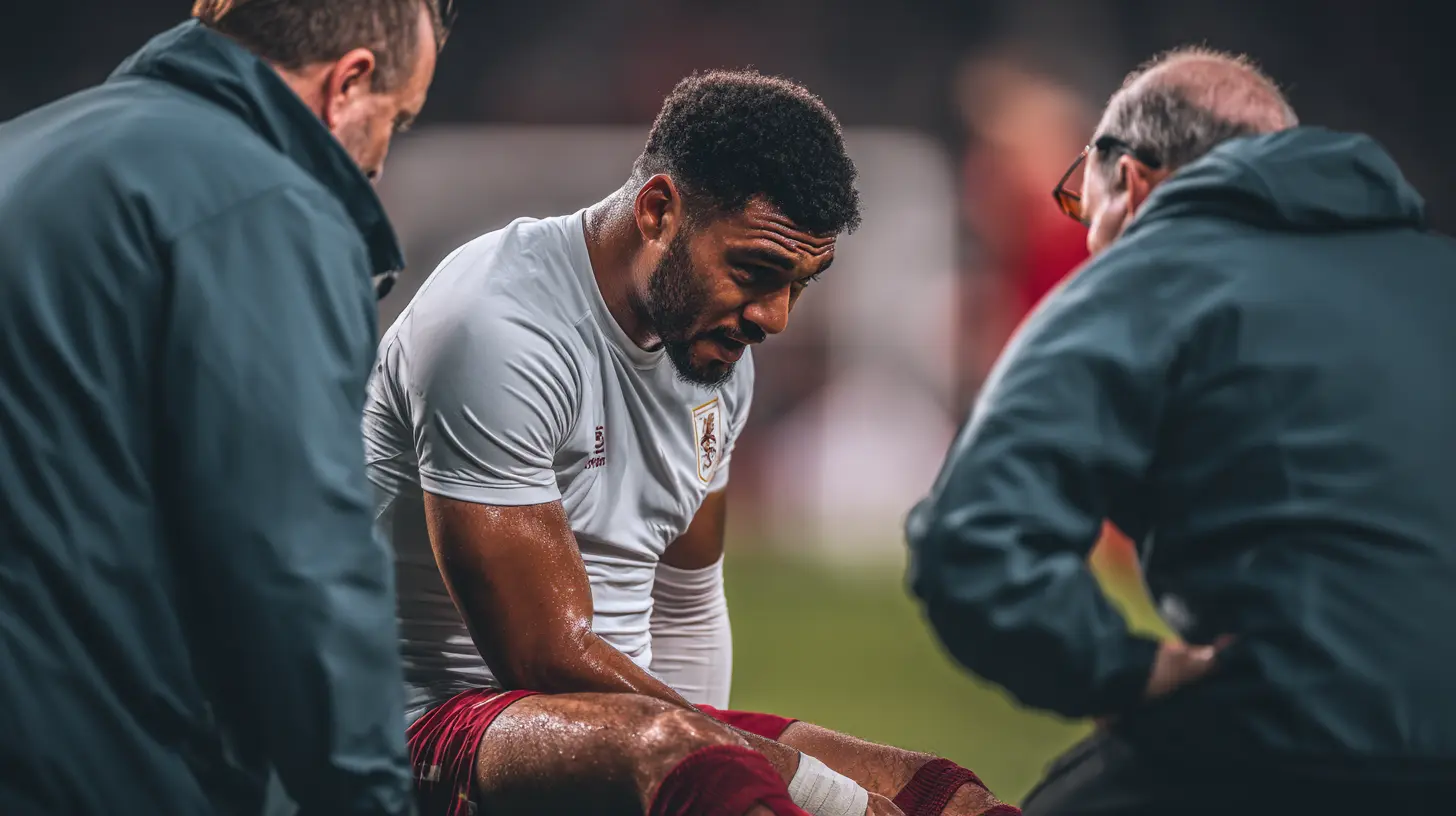
Baseball: The Long Road Back for Pitchers
Pitchers deserve their own section because their rehabilitation follows different rules. The throwing motion places enormous stress on the shoulder and elbow, and the tissue involved heals slowly. A position player and a pitcher with the same diagnosis can have wildly different timelines.Why Throwing Programs Are So Structured
A throwing program is a carefully sequenced progression from short toss to long toss to mound work to game-speed pitches. Each phase loads the arm slightly more than the last. Skipping phases is the most common mistake, and it is usually driven by a player feeling good and wanting to move faster. The problem is that the arm adapts to load gradually, and the gap between "feels fine" and "is ready for 95 mph" can be large.If you follow a pitcher's rehabilitation, watch for the number of bullpen sessions and their intensity. A pitcher who throws two light bullpens and then appears in a game is on an aggressive path. A pitcher who throws several bullpens with increasing pitch counts is following the conventional, safer route.
The Reliever Advantage and Its Cost
Relievers often return faster than starters because their workload per appearance is smaller and their between-appearance recovery is shorter. That is a genuine advantage for a team trying to get a key arm back for a playoff push. The trade-off is that relievers are also asked to pitch on short rest and at maximum effort, which can stress a healing arm in a different way. Teams sometimes use a returning reliever in low-leverage situations first, which is smart load management even if it frustrates fans who want to see the player in a big spot immediately.Hockey: The Grind of a Midseason Return
Hockey combines skating speed, contact, and a dense schedule, which makes midseason returns especially tricky. The schedule itself is an obstacle: there are few practice days, so a returning player may have to rebuild conditioning during games.Conditioning Through Games
This is a legitimate strategy, but it comes with a cost. A player who is not fully conditioned may be effective in short bursts early in a game and fade late, which can expose them to injury when they are fatigued. Coaches often manage this by limiting shifts and avoiding penalty-kill or power-play duty until the player's conditioning catches up.The best practice is to pair game conditioning with off-ice work and to monitor the player's recovery between games. If a player looks noticeably slower in the third period of their first few games back, that is expected. If they look slower in the first period, that is a sign the return came too early.
Common Mistakes Fans and Analysts Make
Understanding the rehabilitation process helps you avoid several traps that even experienced observers fall into.Mistake One: Treating a Return Date as a Promise
Return dates are estimates, not commitments. Teams often give a range rather than a date for exactly this reason. When a specific date is announced, it is usually the optimistic end of the range.Mistake Two: Assuming a Slow Start Means Failure
Most returning players perform below their baseline for several games. This is normal. The body needs time to readjust to competition speed, and confidence builds through repetition. Judging a player harshly in their first week back is premature.Mistake Three: Ignoring the Role of the Supporting Cast
A returning star often benefits from a reduced role at first, which means teammates absorb more responsibility. Teams that plan for this, by adjusting rotations and matchups, tend to integrate returning players more smoothly than teams that simply slot them back into their old role and hope for the best.Mistake Four: Confusing Rest With Recovery
Rest is passive. Recovery is active. A player sitting on a couch is not necessarily recovering faster than a player doing controlled rehabilitation exercises. The best recovery plans combine sleep, nutrition, graded activity, and monitoring. Fans who equate "not playing" with "getting better" miss the nuance.What to Watch in the Coming Weeks
As the early 2027 season progresses, keep an eye on three signals.First, watch practice reports. A player participating in full-contact drills is further along than one limited to individual work, regardless of what the official timeline says.
Second, watch how coaches deploy returning players. Gradual ramp-ups are a sign of a disciplined medical staff. Immediate heavy workloads are a sign of desperation or unusual confidence, and it is worth asking which.
Third, watch for setbacks and how they are described. A minor reaction to increased workload is normal and usually not alarming. A return to the operating room or a shutdown of several weeks is a serious signal. The language teams use to describe setbacks often reveals more than the setback itself.
Practical Advice for Fantasy Managers and Betting Readers
If you manage a fantasy team or follow betting markets, returning players create opportunity and risk in equal measure.The opportunity is that markets and casual fans often overreact to a return announcement, inflating expectations before the player has proven they can handle a full workload. The risk is the opposite: writing off a player who is about to round into form.
A sensible approach is to treat the first two weeks after a return as an evaluation period. Look at usage, not just production. A player logging increasing minutes or snaps is trending in the right direction even if the box score is modest. A player whose role is stagnant or shrinking may be dealing with an undisclosed issue.
For bettors, the key insight is that lines often lag reality by a game or two in both directions. The market may overvalue a returning star in their first game and undervalue them once they are fully integrated. Patience is usually rewarded.
The Bigger Picture: Why Early 2027 Looks Encouraging
The overall pattern in early 2027 is one of cautious optimism. Teams appear to be following more conservative rehabilitation protocols than they did a decade ago, and the results are visible in fewer catastrophic re-injuries among players returning from major surgery. That is not to say setbacks have disappeared. They never will. But the trend lines suggest that sports medicine is getting better at balancing urgency with patience.The players on the mend right now are benefiting from that progress. They are also benefiting from better communication between medical staffs, coaches, and players, which reduces the chance that a player talks their way into a premature return. When a team announces that a star is "progressing well" but declines to set a date, that is often a sign of a healthy process rather than a secret problem.
For fans, the takeaway is simple. Enjoy the returns when they happen, but do not measure a player's comeback by their first game. Measure it by their fifth, their tenth, and their twentieth. That is when the real story emerges, and it is usually a happier one than the anxious weeks of waiting suggested.
all images in this post were generated using AI tools
Category:
Injury UpdatesAuthor:

Frankie Bailey