Hydration and Athletic Performance: More Than Just Water
2 January 2026
Staying hydrated—it sounds simple, right? Just drink water and you're good to go. But if you're an athlete or even just someone who's active, it's not quite that straightforward.
Water might be the MVP of hydration, but it’s not the whole team. For peak performance, you need more than just H2O. Your body is like a high-performance engine; it needs the right fuel to run smoothly and efficiently. And hydration? That’s the oil that keeps everything running without friction.
In this post, we're diving deep into how hydration affects athletic performance and why it's about more than drinking water. So fill up that bottle (and maybe add a little something extra), and let’s get into it.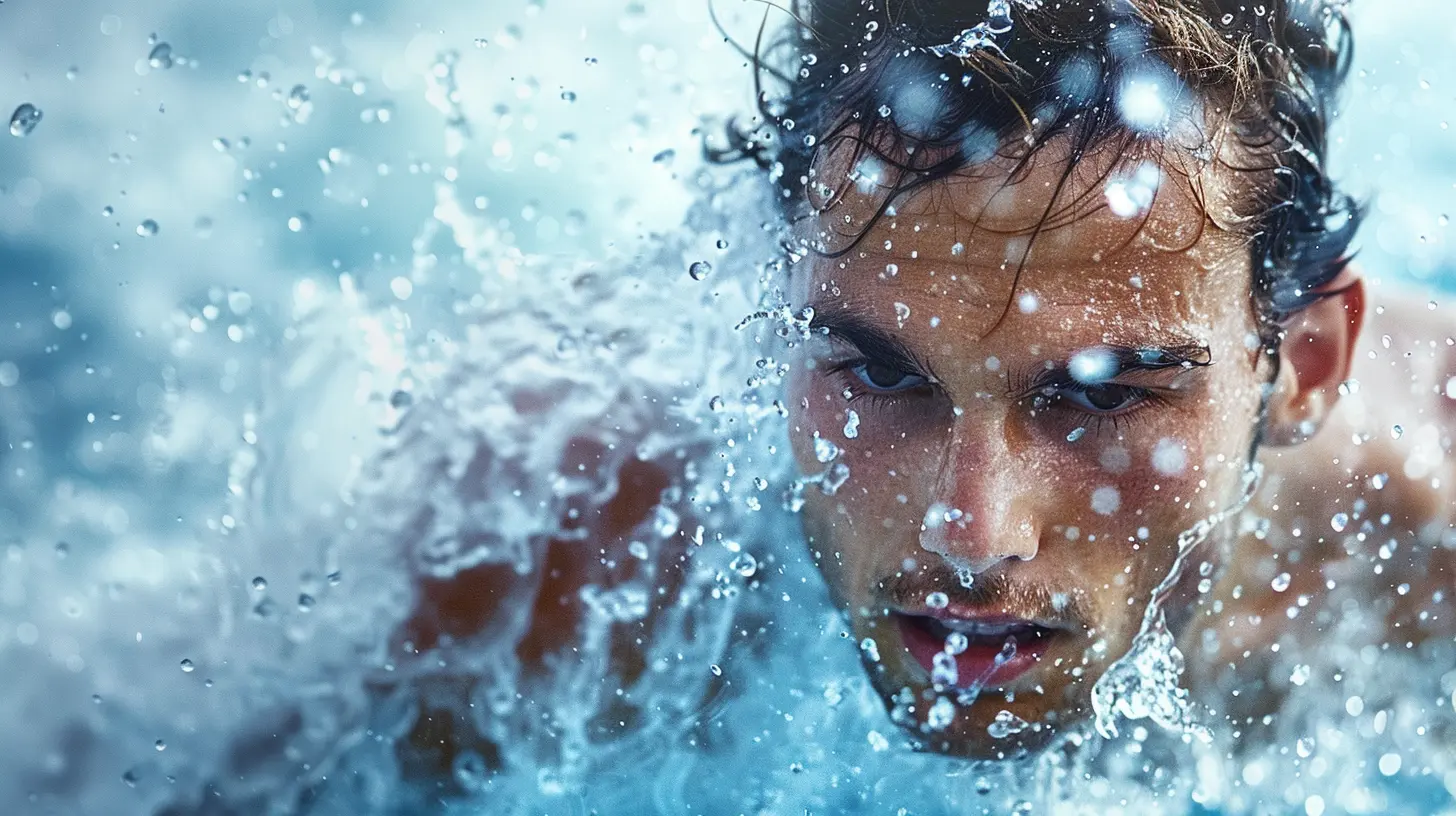
Why Hydration Is the Real Game-Changer
Let’s start with the basics. Your body is made up of roughly 60% water. That means pretty much every function—digestion, circulation, temperature regulation, and yes, athletic performance—relies on staying properly hydrated.When you're working out, your core temperature rises, you sweat, and you lose fluids. That’s hydration draining straight out of your system. Even just a 1-2% drop in your body’s water content can have a noticeable impact on endurance, strength, and focus.
So what happens if you ignore it? You start to fatigue faster, your muscles cramp up, and your heart has to work harder. And honestly, who wants that kind of workout?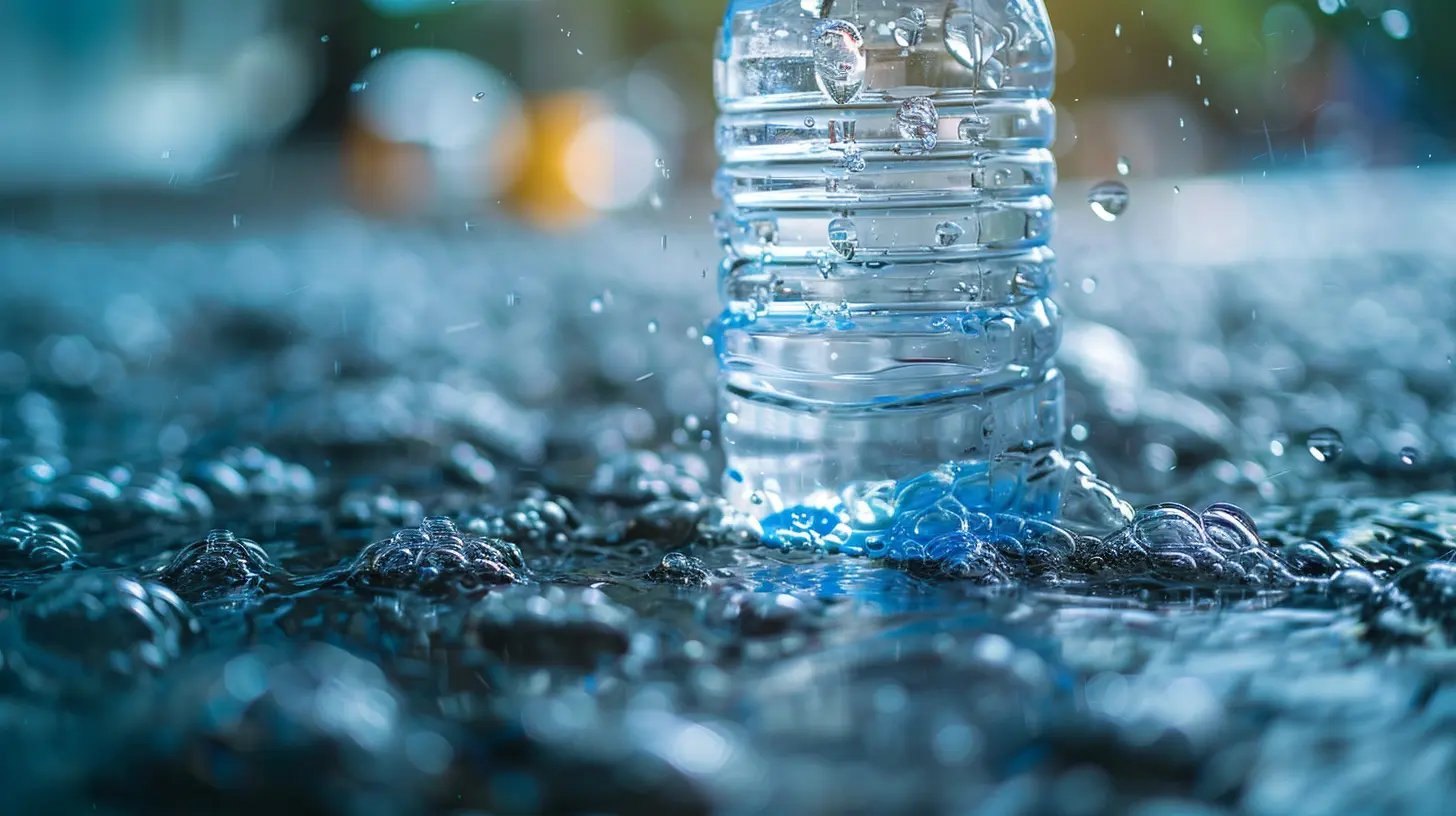
It’s Not Just About Water
Okay, water is essential. We’re not knocking it. But here’s the deal—hydration is a complex mix of fluids and electrolytes. Ever heard of electrolytes? They're the tiny charged minerals that work behind the scenes to keep your nerves firing and muscles moving.We're talking sodium, potassium, magnesium, and calcium—these are your real hydration heroes. When you sweat, you're not just losing water—you’re flushing out these critical minerals. Skip replenishing them, and your performance takes a hit.
Think of it like this…
Imagine hosting a party. Water is the venue, sure. But electrolytes? They’re the DJ, the food, the lighting—everything else that makes the event a success. Without them, you're basically standing alone in an empty room with the lights off.
The Real Impacts of Dehydration on Performance
Let’s break down what actually happens when you’re not properly hydrated.1. Decreased Endurance
Your muscles rely on oxygen and nutrients for energy, both of which are delivered through the bloodstream. Dehydration thickens your blood, making circulation sluggish. The result? Your endurance tanks. You hit the wall faster and harder.2. Impaired Strength and Power
Dehydrated muscles are weaker muscles. Period. Whether you’re sprinting, lifting heavy, or tackling your opponent, being low on fluids can mean the difference between powering through and breaking down.3. Loss of Coordination and Focus
Ever felt "foggy" a few minutes into a tough session? That mental cloud is real. Your brain relies on fluid balance just like your muscles. Without it, reaction time slows, decision-making suffers, and mistakes creep in. In tight matches or races, that’s a big deal.4. Increased Risk of Injury
Cramping is just the beginning. Dehydrated muscles are more prone to strains, pulls, and even tears. Your joints also suffer from less lubrication, increasing the risk of sprains.
Beyond The Bottle: Smart Hydration Strategies
Alright, so it’s not just about guzzling gallons of water. Let’s look at how you can hydrate smarter, not just more.→ Pre-Hydration Matters
Think of hydration like a bank account. If you start your workout in the red, you're playing catch-up the whole time. So begin hydrating hours before your workout. Not too much at once, just sip steadily throughout the day.→ Rehydrate During Exercise (But Don’t Overdo It)
During long or high-intensity sessions, try to drink 5-10 ounces of fluid every 15-20 minutes. If your workout lasts more than an hour or you're drenched in sweat? Consider a sports drink with electrolytes.Be careful though—too much water without electrolytes can lead to a dangerous condition called hyponatremia (low sodium levels). Balance is key!
→ Post-Workout Recovery
This is the time to refill the tank. Not just with fluids, but with electrolytes too. Coconut water, sports drinks, or even a small salty snack along with your water can do the trick.Electrolyte-Rich Foods = Natural Hydration Power-Ups
You don’t have to rely solely on drinks to stay hydrated. Some foods are packed with fluids AND electrolytes.Here's a list of hydration all-stars to keep in your kitchen:
- 🍌 Bananas – Great for potassium
- 🥑 Avocados – Full of magnesium and healthy fats
- 🥒 Cucumbers – High in water content
- 🍉 Watermelon – Hydrating and sweet
- 🥗 Leafy Greens – Loaded with calcium and magnesium
- 🍊 Oranges – Vitamin C + hydration
- 🧂 Salted Nuts – Help replenish sodium
Add these into your meals or smoothies to keep your hydration game strong.
Listen to Your Body (It’s Smarter Than You Think)
One of the best hydration tools? Your own senses. Your body gives you signals all the time—you just need to tune in.- Dry mouth? You’re likely already dehydrated.
- Dark yellow urine? Time to drink up.
- Fatigue during workouts? Might not be your fitness—it could be your hydration.
- Cramping? That’s your muscles begging for water and electrolytes.
Get in the habit of checking these signs daily. Be proactive, not reactive.
What About Caffeine and Alcohol?
We’ve all heard that caffeine and alcohol dehydrate you. There’s some truth, but it's not black and white.Caffeine (in coffee or tea) does have a mild diuretic effect, but your body builds tolerance over time. If you're a regular coffee drinker, it doesn't dehydrate you nearly as much as people think.
Alcohol, on the other hand, does a number on your hydration status. It suppresses the hormone that helps your body retain fluids—that’s why you hit the bathroom a million times during a night out 🍻
So, enjoy your coffee, but balance it with water. And if you’re having drinks the night before a big workout or game, hydrate even more intentionally.
Hydration for Different Types of Athletes
Not all athletes lose fluids the same way. Your hydration strategy should match your activity.🏋️♀️ Strength & Power Athletes
You might not sweat buckets like a runner, but hydration still plays a direct role in muscle strength and endurance. Keep sipping during sessions and include plenty of electrolytes post-lift.🏃 Endurance Athletes
Long-distance runners, cyclists, and swimmers—your hydration needs are sky-high. Plan your intake before, during, AND after the activity. Layer in electrolytes consistently to avoid cramps and fatigue.⛹️ Team Sports Players
Basketball, soccer, football—all high-intensity, start-stop action. That’s a recipe for tons of sweat and quick burnout. Hydrate well during breaks and halftime with sports drinks, not just plain water.Quick Hydration Hacks for Busy Athletes
We get it—life’s busy. But staying hydrated doesn’t need to be a chore. Use these quick tips:- Set reminders on your phone to take water sips
- Carry a reusable water bottle everywhere
- Add fruit to water to make it more enticing (lemon, cucumber, berries)
- Use electrolyte tablets or powders during intense training
- Monitor weight pre- and post-workout to gauge fluid loss
- Make hydration part of your routine—like brushing your teeth
Mind Over Matter: Why Hydration Is a Mental Edge Too
Hydration isn’t just about the physical stuff. It’s a massive factor in mental clarity and focus. Think about it—when your body is well-oiled and energized, your mind is sharp and ready to go.Whether you’re on the court, at the starting line, or powering through a long training day, being hydrated helps you stay mentally dialed in. And that focus? It can be the difference between good and great.
Final Thoughts: Make Hydration a Habit, Not a Hassle
Here’s the bottom line—hydration is one of the simplest, most underrated ways to boost athletic performance, prevent injuries, and feel your absolute best. It’s not just about avoiding thirst; it’s about optimizing every single system in your body.Think of it as a daily commitment, not a last-minute fix. Just like you train your muscles and fuel with good food, hydration deserves its place in your routine.
Drink smart, stay balanced, and remember—it’s more than just water.
all images in this post were generated using AI tools
Category:
Sports ScienceAuthor:

Frankie Bailey
Discussion
rate this article
2 comments
Carter McCarty
Great insights! Hydration is crucial for peak performance, and it’s fascinating to see how electrolytes and nutrition play a role. Remember, every athlete’s needs are unique—staying informed and listening to your body can make all the difference! Keep pushing forward!
February 24, 2026 at 6:03 AM
Frankie Bailey
Thank you! I'm glad you found the insights helpful. Staying attuned to individual hydration and nutrition needs is key for optimal performance. Keep striving!
Talis Frye
Hydration is the lifeblood of athletic excellence! It's not just about water; it's about fueling your body with the right nutrients to unleash your full potential. Stay sharp, stay energized, and conquer the game!
January 9, 2026 at 4:13 AM
Frankie Bailey
Absolutely! Proper hydration and nutrient balance are key to enhancing athletic performance and maximizing potential. Thank you for highlighting this essential aspect!