How to Build Endurance for Long-Distance Cycling
6 February 2026
Let’s face it — long-distance cycling isn’t just about hopping on your bike and pedaling into the horizon. It takes stamina, dedication, and a whole lot of leg-burning effort. But don’t worry, building endurance for long-distance rides isn’t as intimidating as it sounds. With the right training strategy, good nutrition, and a little mental grit, you’ll go from gasping at mile ten to cruising past mile fifty like it's no big deal.
So, are you ready to turn your weekend rides into epic journeys? Let’s dive into the nitty-gritty of building cycling endurance — the fun, the sweat, and everything in between.
Why Endurance is Everything in Long-Distance Cycling
Endurance is your secret weapon. It’s what keeps your legs moving when your muscles scream and what powers you through rolling hills and headwinds. It’s not just physical; it’s mental too. You need the mental stamina to push through boredom, fatigue, and self-doubt.Frankly, no matter how powerful your sprint is, if you burn out in the first hour, you'll never finish a long ride strong.
That’s why building endurance isn’t just helpful — it’s essential.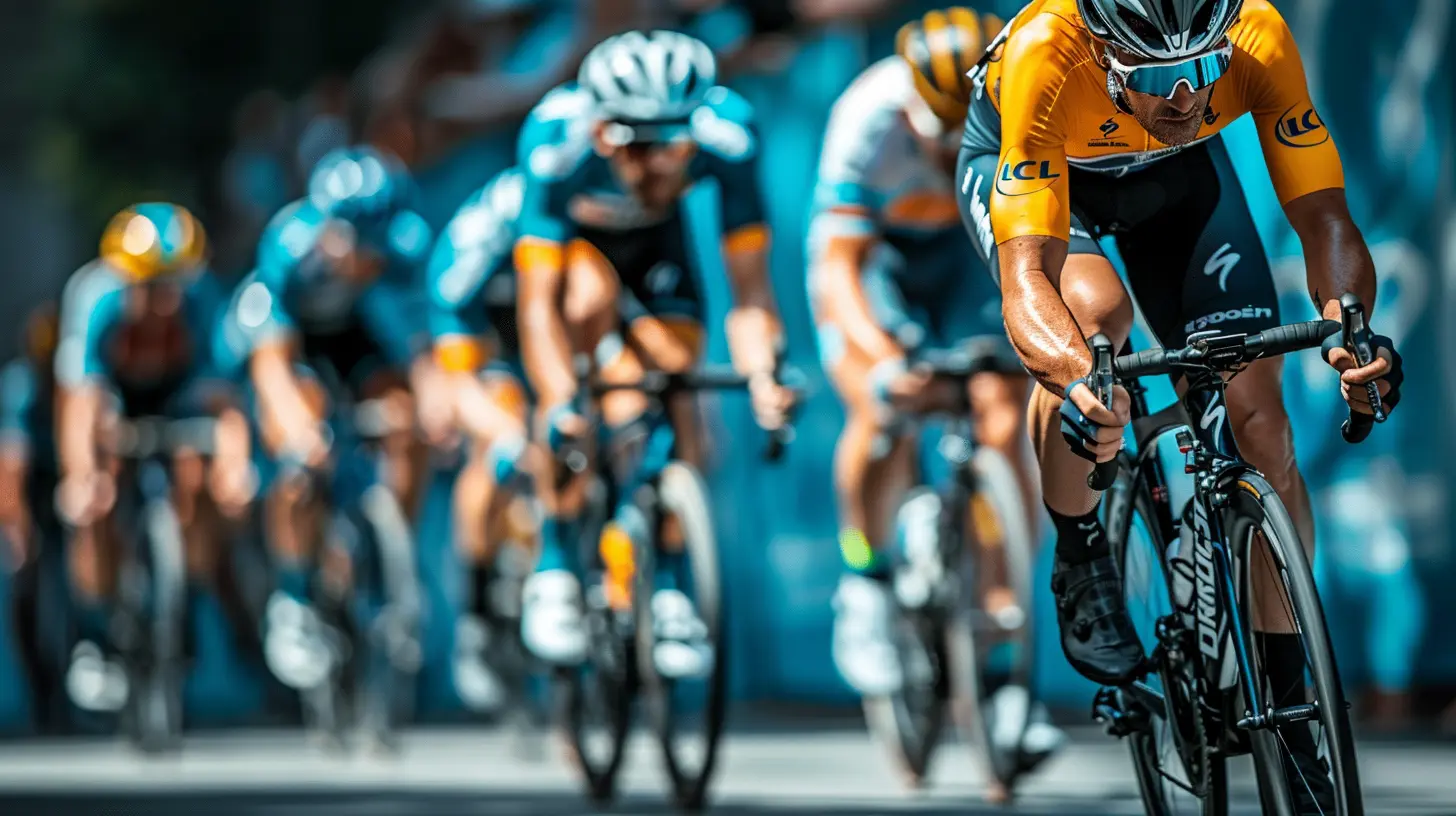
Step 1: Build a Solid Base (AKA The Foundation Phase)
Ever heard the saying, “Don’t build a mansion on sand?” Same goes for endurance. Before chasing century rides or back-to-back weekend tours, you need a strong aerobic base.Start With Steady Rides
Begin with 60–90 minutes of riding at a moderate pace — one where you can still hold a conversation. That sweet spot is called your aerobic zone, and it’s golden for building endurance without burning out.Increase Volume, Not Intensity
The key here is time on the saddle, not speed. Gradually increase your weekly mileage by about 10% each week. Too much too soon? That’s a recipe for burnout or, worse, injury.Think of this phase as laying bricks. Each steady ride is one more brick in your endurance fortress.
Step 2: Introduce Long Rides
Okay, so you’ve got your base. Now, it’s time to stretch it out.Weekly Long Ride = Game Changer
Once a week, commit to a long ride — one that’s at least 1.5 to 2 times longer than your average weekday ride. If you normally ride for an hour, shoot for 90–120 minutes.Be patient. These rides are about building durability — teaching your body and brain how to stay in the game longer.
Don’t Skip Recovery
After a long ride, your body needs some TLC. Rest days and low-intensity recovery rides are not lazy — they’re essential. This is when the actual fitness gains happen.So remember, don’t just ride longer — recover smarter.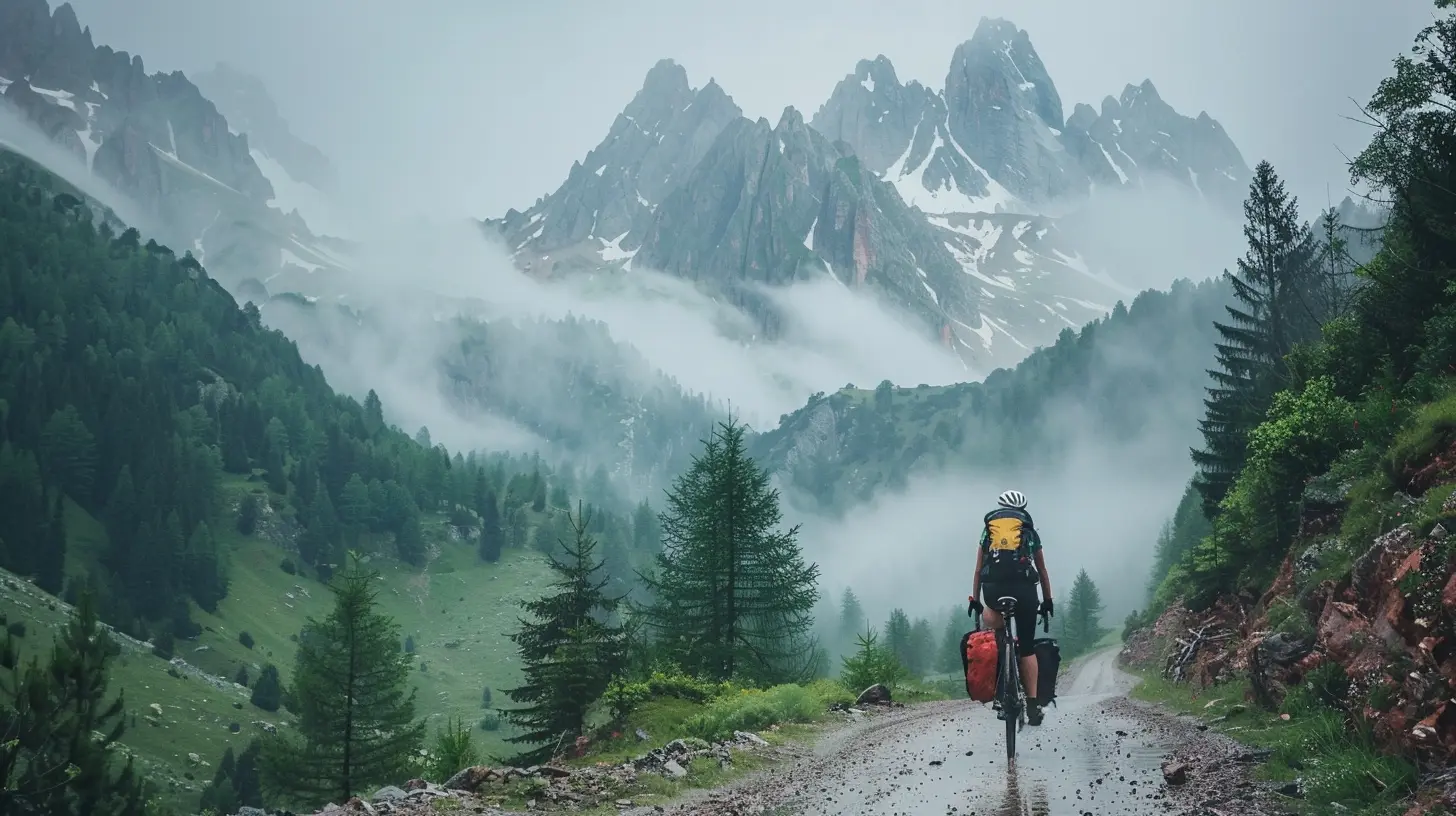
Step 3: Add in Intervals (Yep, Even for Endurance)
Wait, intervals? Isn’t this about going long and slow?Surprise — interval training can actually boost your endurance by improving your aerobic capacity and helping your body use energy more efficiently.
Tempo Intervals
These are sustained efforts at a “comfortably hard” pace — just below your lactate threshold. Start with 2 x 10 minutes with 5-6 minutes of easy riding in between. Build from there.Sweet Spot Training
Ah, the sweet spot. This is around 88–94% of your FTP (functional threshold power). It gives you solid gains without frying your legs.Why it works? Because it increases your ability to ride harder for longer without blowing up. More bang for your pedal.
Step 4: Get Your Nutrition Game Right
You wouldn’t drive your car on an empty tank, right? Same logic applies here.Pre-Ride Fueling
Eat a carb-rich meal 2–3 hours before your long ride. Oatmeal with banana, toast with peanut butter, or a rice bowl with eggs — whatever works for your gut.On-the-Bike Fuel
Ride over 90 minutes? You need to refuel as you go. Aim for 30–60 grams of carbs per hour. That could be energy gels, bananas, bars, or good ol’ PB&J sandwiches.Also — hydrate. Every hour, aim to drink at least one bottle (around 500–750ml). Add electrolytes if it’s hot or you’re sweating a ton.
Post-Ride Recovery
After long or intense rides, grab a mix of carbs and protein within 30–60 minutes. A smoothie, chocolate milk, or a simple chicken wrap does the trick.Fuel well, ride far. Simple as that.
Step 5: Don’t Ignore Strength Training
Yeah, we know — cycling is already hard on the legs, so why hit the gym?Because a strong body supports an efficient pedal stroke. Strength training helps prevent injury, supports your core, and gives you the power to keep going when fatigue kicks in.
Focus on Functional Moves
Think squats, lunges, deadlifts, and planks. You don’t need a fancy gym or heavy weights — bodyweight is a strong start.Start with 1–2 strength sessions per week on non-ride days. Keep the workouts short but solid.
Bonus: stronger glutes and hamstrings = more powerful pedals.
Step 6: Master the Mental Game
Let’s be honest — long-distance cycling is as much about mindset as it is about muscles.Break It Down
Staring at a 100-mile ride can mess with your head. So don’t. Break your ride into chunks — maybe by hours, rest stops, or terrain segments. Focus on just the next chunk.It’s like eating a pizza one slice at a time instead of shoving the whole thing in your mouth.
Embrace the Suck
There will be tough moments. That steep hill at mile 70? The headwind that won’t quit? Yup — they’ll happen.The trick is accepting that discomfort is part of the journey, not a reason to quit. Remind yourself: “I’ve done hard things before. I’ve got this.”
Step 7: Rest Like a Pro
If your training plan doesn’t include rest, you’re doing it wrong.Muscles don’t grow during workouts — they grow during recovery. Overtraining leads to fatigue, poor performance, and even illness.
Signs You Need More Rest:
- Constant fatigue- Slow recovery
- Loss of motivation
- Increased resting heart rate
- Trouble sleeping
Take rest days seriously. They’re your secret weapon for staying in the game long-term.
Optional: Track Your Progress (If You’re Into That)
Not everyone needs data to ride better, but tracking your progress with tools like Strava or a cycling computer can be super motivating.Watch your average speed, heart rate, or power numbers improve. Celebrate every little milestone — longer rides, shorter recovery, smoother climbs. It’s proof you’re getting stronger.
Bonus Tips for Long-Distance Success
- Invest in Comfort: A good saddle, quality bib shorts, and proper bike fit can transform your ride. Don’t settle for chafing and numbness.- Ride with Friends: Group rides can help pass the time and keep your spirits up.
- Practice Nutrition: Never try new foods or drinks on race day or a big ride. Stick to what you’ve tested during training.
- Handle Your Bike: Learn to change a flat, fix a dropped chain, and shift smoothly. Confidence = less stress mid-ride.
Wrapping It Up: Your Endurance Journey Starts Now
So, there you have it — a no-fluff guide to building endurance for long-distance cycling. Remember, it’s not about being the fastest or the strongest rider out there. It’s about being the one who shows up consistently, trains smart, eats right, and keeps going when things get tough.Start small. Stay steady. And before you know it, you’ll be riding further than you ever thought possible.
Now, what are you waiting for? Grab your bike, hit the road, and start building that bulletproof endurance.
all images in this post were generated using AI tools
Category:
CyclingAuthor:

Frankie Bailey
Discussion
rate this article
2 comments
Valentina Hudson
Building endurance for long-distance cycling revolves around gradual progression, consistency, and proper recovery. Incorporate varied terrain, manage your nutrition, and listen to your body. Remember, it’s not just the miles you log, but the quality of each ride that enhances stamina and fosters a sustainable cycling journey. Enjoy the ride!
March 28, 2026 at 3:53 AM
Frankie Bailey
Thank you for your insights! I completely agree—gradual progression, varied terrain, and proper recovery are key to building long-distance cycling endurance. Enjoying the journey makes it even more rewarding!
Seraphis Ward
This article is a fantastic resource for anyone looking to improve their long-distance cycling. Your insights on gradually increasing mileage and incorporating strength training are spot on. I can't wait to implement these tips in my training. Thank you for sharing your knowledge and passion for cycling with the community!
February 9, 2026 at 1:29 PM
Frankie Bailey
Thank you for your kind words! I'm glad you found the tips helpful and inspiring. Happy cycling!