The Importance of Wide Play in Last Night’s Victory
12 December 2025
If you tuned into last night’s match, you probably noticed something very different about our team’s approach. They weren’t just exploiting the middle of the pitch or hammering long balls into the box. Nope. What set this performance apart was the clever, relentless use of wide play — and guess what? It was the key to unlocking the victory.
Let’s take a deep dive into how and why using the flanks made all the difference in last night’s performance. Whether you’re a die-hard fan, a Sunday league player, or just love the strategy behind football, this one’s for you.
What Is "Wide Play" Anyway?
Before we get into the nuts and bolts of last night’s tactics, let’s make sure we’re all on the same page.Wide play in football is when a team makes use of the sides — or flanks — of the pitch to spread the game, launch attacks, and pull defenders out of shape. Think wingers making runs down the line, full-backs overlapping, or even midfielders drifting wide to draw opponents out.
It’s not just pretty to watch — it’s practical, effective, and last night, it was lethal.
Setting the Scene: Last Night’s Tactical Shift
In recent matches, we saw the team rely more on central combinations — tight passing triangles, quick one-twos around the edge of the box, and through balls slicing the defense.But last night? Total shift.
From the opening minutes, it was clear: the wings were the main highways of attack. Cross-field switches, overlapping runs from full-backs, and rapid transitions down both flanks kept the opposition guessing. And the results spoke for themselves.
Let’s break it down and show how wide play flipped the game on its head.
1. Stretching the Defense — Stretch ‘til They Snap
Imagine trying to defend a team that’s attacking from every single angle. You can’t just camp in the middle and hope for the best.That’s exactly what happened to the opposition last night. With our wingers hugging the touchline and our full-backs bombing forward, their defense was forced to stretch wider and wider. The back four were constantly pulled apart, creating those sweet gaps in between center-backs and full-backs.
And where did those gaps lead? You guessed it — straight to goal-scoring opportunities.
It’s like trying to plug holes in a sinking ship — the more they covered wide threats, the more space opened up elsewhere.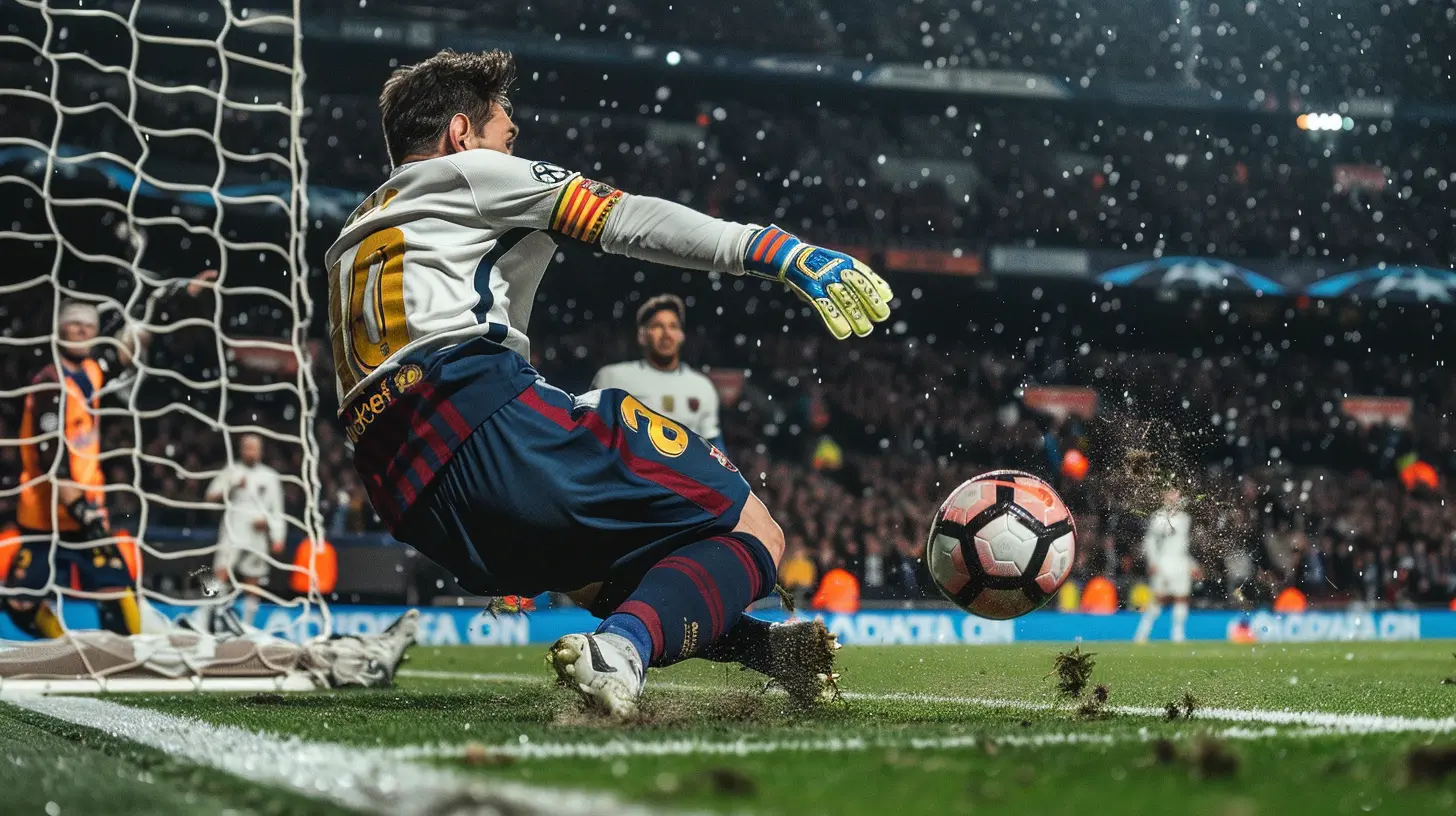
2. Creating Overloads on the Flanks
Here’s where it gets really clever. It wasn’t just individual wide players doing the damage — it was the way they combined.The team repeatedly created overloads on the flanks — situations where they had more players in a small area than the opposition. Usually, this involved a triangle of winger, full-back, and central midfielder.
With quick, sharp passes and movement, they’d pull two or three defenders into a trap and suddenly switch play to the opposite flank. Boom — acres of space and a chance to strike.
This kind of fluid movement is what coaches dream of when they talk about positional play.
3. Delivering the Perfect Crosses
Let’s not underestimate the beauty of a well-delivered cross. It’s old-school, it’s effective, and it did the trick last night.Once wide players found space, they whipped in all sorts of crosses — low-driven balls, looping back-post deliveries, and even a few cheeky cutbacks to the penalty spot.
It wasn’t about aimless crosses, either. The timing was smart. Attackers made darting runs between defenders, and the ball met them in stride. Clinical.
One of the goals was a textbook case: winger darts to the byline, looks up, cuts it back to the edge of the six-yard box, and boom — net shakes.
You don’t need to reinvent the wheel when you hit the basics this well.
4. Full-Backs: The Unsung Heroes
Big shout-out to the full-backs here. In modern football, these guys are expected to defend like center-backs and attack like wingers. It’s a tough role, but last night they made it look seamless.They were constantly making overlapping runs that dragged defenders wide and opened up spaces for the wingers to cut inside.
Even better? They tracked back hard and snuffed out counters. The energy levels were off the charts.
It’s no exaggeration to say that the full-backs created as many chances as the midfielders.
5. Tactical Flexibility and Width
Here’s something that flew under the radar — tactical flexibility. Going wide didn’t mean abandoning the center. It was about keeping the opponent guessing.Sometimes, the team would start an attack down one wing, draw defenders out, then quickly switch to the other side or play a killer ball down the middle.
This ability to alternate between flanks and central runs made the team unpredictable. And when you’re unpredictable, you’re dangerous.
6. Breaking Down a Deep Block
You know those teams that just park the bus? Stack ten players behind the ball and hope for a set piece? Yeah, last night’s opponent tried that.And it almost worked — until the wide play came into effect.
By pulling defenders to the flanks and delivering razor-sharp passes into the box, they forced the opponent out of their low block shell.
Wide play is one of the most effective ways to crack open a parked bus. Why? Because it forces defenders to cover more ground, communicate under pressure, and make split-second decisions — and most of the time, they get it wrong.
7. Player Chemistry on the Wings
Another reason wide play worked so well last night was one word: chemistry.The players down each flank just clicked. You could see the understanding — the way they anticipated each other's movements, made eye contact before a run, or used clever flicks and tricks to create space.
This kind of synergy doesn’t happen overnight. It’s built over matches, in training, and even off the pitch.
When you’ve got wide partnerships working in sync, it’s like watching a well-choreographed dance — smooth, fluid, and effective.
8. Opening Up Set Piece Opportunities
Let’s not forget the little details. Because of the pressure put on the opposition via wide runs, we saw them concede a bunch of corners and deep free-kicks.And guess what? Two of those set pieces led to big chances.
Wide play doesn’t just create open-play opportunities — it puts defenders under pressure, increases fouls, and racks up those dangerous dead-ball chances. Every attacking wave down the flanks pushed the opponent closer to their breaking point.
9. Psychological Edge and Momentum
Ever seen a team completely deflated after being run ragged for 60 minutes on the flanks? It’s not pretty.You could see the opposition getting drained, both physically and mentally. Watching your teammates constantly being outnumbered wide, or getting skinned by pacey wingers, takes a toll.
Wide play isn’t just tactical — it’s psychological warfare.
And when momentum swung heavily in our favor, it was like a snowball rolling downhill. The pressure was unbearable, and eventually, the goals came.
10. Wide Play Gives You Plan B and C
Here’s perhaps the biggest takeaway for the long term. Wide play gives you multiple dimensions in attack.Too many teams become predictable with narrow, congested build-up play. But adding width means you can play direct, you can stretch the pitch, you can counter-attack with pace, or you can slow it down and cross from deep.
Last night’s performance showed that this team isn’t one-dimensional anymore. They’ve added another weapon to their arsenal — and it’s a big one.
Final Whistle: Wide Play Was the Game-Changer
So there you have it — the flanks weren’t just a side dish in last night’s tactical feast. They were the main course.From stretching the defense and creating overloads, to winning set pieces and delivering pin-point crosses, the wide play completely unzipped the opposition.
It was fast, fluid, and frankly, fantastic to watch. This wasn't just good football. It was smart football — and it brought home the win.
Can we expect more of this in upcoming matches? Let’s hope so. Because when this team goes wide, they go bold — and when they go bold, they win.
Key Takeaways
- Wide play stretched the opposition, creating gaps in their defense.- Full-backs and wingers combined to create overload scenarios.
- Smart crossing and anticipation led to quality goal-scoring chances.
- Wide play forced set pieces and put defenders under pressure.
- Tactical flexibility from going wide made the team unpredictable.
- Chemistry between wing players elevated the performance.
- Wide play disrupted deep defensive blocks and changed the momentum.
Final Thoughts
If you're ever asked why wide play matters, just point to this match. It was a masterclass in how using the flanks can dismantle even the most stubborn defenses. Whether it's in Sunday league or the Champions League — when in doubt, stretch the pitch out.Because sometimes, all it takes is a good old-fashioned run down the wing to change the game.
all images in this post were generated using AI tools
Category:
Post Match AnalysisAuthor:

Frankie Bailey
Discussion
rate this article
2 comments
Zane Blevins
Great analysis! Last night's victory really showcased the effectiveness of wide play, creating space and opportunities that ultimately led to our team's success. Keep up the insights!
February 7, 2026 at 3:40 AM
Frankie Bailey
Thank you! I'm glad you enjoyed the analysis and agree on the impact of wide play in the victory!
Celeste Elliott
Great analysis! Last night’s victory truly highlighted how effective wide play can stretch defenses and create space for key players. The team's ability to utilize the flanks not only disrupted the opponent's formation but also showcased their tactical flexibility. This strategy could be pivotal moving forward in the season.
December 15, 2025 at 3:28 AM
Frankie Bailey
Thank you! I'm glad you appreciated the analysis. Wide play indeed proved crucial in our victory, emphasizing the importance of tactical flexibility for future matches.