How to Break into the Competitive World of Sports Broadcasting
20 February 2026
Let’s be honest—breaking into the world of sports broadcasting is about as easy as catching a greased-up football in the rain. It’s competitive, fast-paced, and packed with folks chasing the same dream you are. But that doesn’t mean it’s impossible. In fact, with the right combo of skill, hustle, and a little grit, you can absolutely make your voice heard. Literally.
If you've ever watched a live game and thought, “Man, I’d love to be behind that mic,” then this guide is for you. We’ll walk through the behind-the-scenes grind, the skills you need, and the steps to actually crack into this wild, adrenaline-pumped industry.
So grab your notepad—and maybe a coffee—because this is your all-access pass to the world of sports broadcasting.
What Is Sports Broadcasting, Really?
First things first—sports broadcasting isn’t just calling play-by-plays or being on TV with slick suits and perfect hair.It’s a whole ecosystem. You’ve got:
- Play-by-play announcers
- Color analysts
- Sideline reporters
- Studio hosts
- Radio broadcasters
- Digital content creators for sports brands
And behind that? Editors, producers, sound techs, and writers.
So, if you thought sports broadcasting was just about talking quickly during a touchdown—think again. It’s storytelling. It’s analysis. It’s entertainment. It’s having the power to make or break how fans experience the game.
Why Sports Broadcasting Is So Competitive
You’re not the only one dreaming of that courtside seat with a mic in your hand. People love sports. Like, love them. And that passionate fan base? It creates a crunch—thousands of aspiring broadcasters, but only so many gigs.Plus, the industry's evolved. It's no longer just about traditional radio and TV; now there's podcasting, YouTube shows, TikToks, and even Twitch streams dedicated to sports commentary. The pie’s bigger, sure—but so is the number of forks reaching for a slice.
So, the key? Stand out. Let’s dig into how.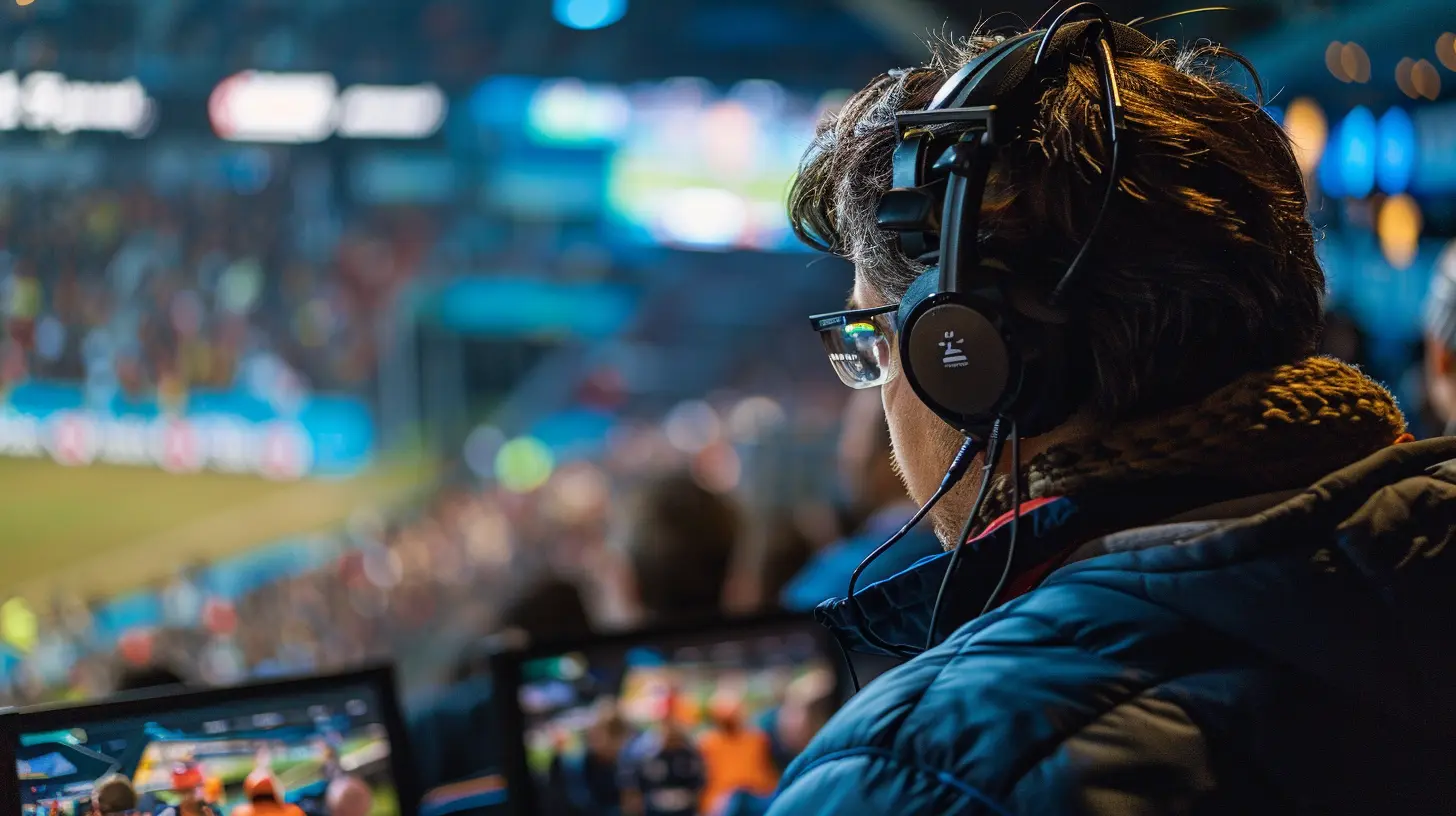
Step 1: Start Early, Start Local
Look, you don’t need ESPN on your résumé from day one. In fact, some of the most successful broadcasters started at local high schools, college radio stations, or small-town newspapers.No gig is too small when you're starting out:
- Volunteer at your school or local station
- Call local high school games on radio or livestream
- Intern with regional sports networks
- Start your own blog or podcast covering local sports
The goal? Get reps. Build your voice. Figure out your style. You wouldn’t enter a championship game without practice, and the same applies here.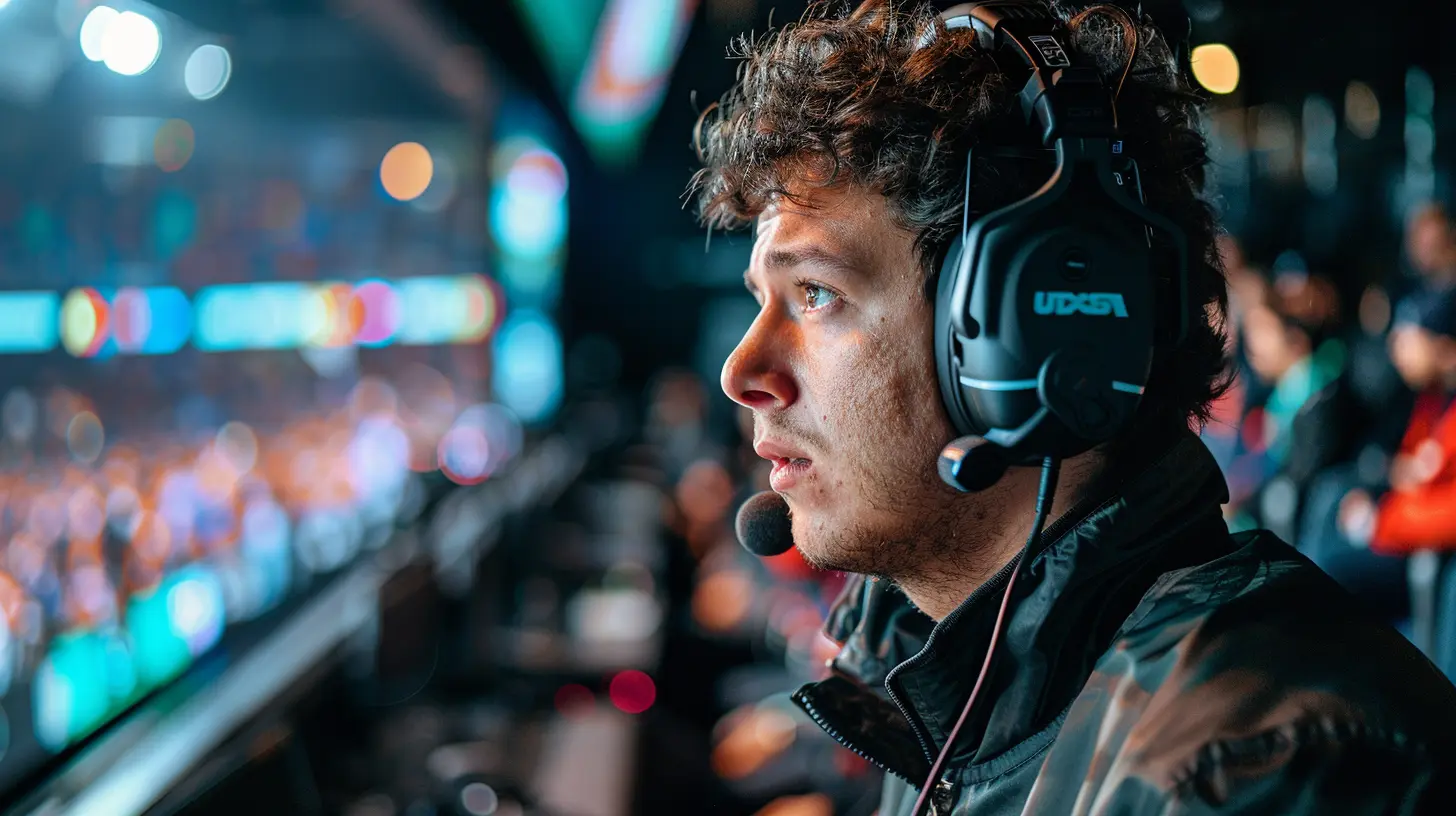
Step 2: Learn the Game Inside and Out
If you're not deep in the game’s details, you’re just another talking head.To be a great sports broadcaster, you've got to:
- Know the rules inside and out
- Understand stats and analytics
- Follow teams, players, news, and trends
- Be able to translate complex plays into simple talk for everyday fans
Ever heard a broadcaster break down a defensive scheme so clearly it made you feel like a coach? That’s the magic. Aim to make the game more accessible, more exciting, more human.
And don’t stick to one sport—versatility is your secret weapon. Football, basketball, soccer, golf—learn them all. You never know what job will pop up next.
Step 3: Get the Right Education
Now, do you need a broadcasting degree? Not strictly, but it can give you a leg up.Look for programs in:
- Journalism
- Communications
- Sports Media
- Digital Media Production
Many colleges have campus radio and TV stations. These are your playgrounds. Get on the mic, work the camera, write for the sports section. It’s like building your broadcasting muscles.
Plus, your professors and classmates? Future connections. Never underestimate the power of a good network.
Step 4: Build a Killer Demo Reel
Your demo reel is your golden ticket. Think of it like your highlight tape—it shows what you can do, how you sound, and why you stand out.What to include?
- Clips of on-air broadcasting (radio, TV, or online)
- Play-by-play samples from real games or mock broadcasts
- Interview segments with athletes or coaches
- Any hosting, commentary, or reporting work
Keep it snappy—2 to 3 minutes max. Lead with your strongest clip. And make sure it sounds clean and professional. Audio quality matters more than you’d think.
Step 5: Embrace New Media
Here’s the reality—broadcasting isn’t just about radio waves and cable channels anymore. If you're not building your brand online, you're falling behind.Create your own content:
- Launch a sports-themed podcast
- Start a YouTube channel breaking down games
- Post analysis clips to Twitter/X, TikTok, or Instagram
- Go live on Twitch during events
The more platforms you master, the more valuable you become. Media companies want talent who can talk, edit, post, and engage. Be a one-person content machine.
Step 6: Intern, Network, Repeat
This game is as much about who you know as what you know.Knock on doors. Send emails. DM broadcasters you admire. Apply for internships even if they feel out of reach. Go to media networking events, sports journalism conferences, and panel discussions.
Don’t be annoying. Be persistent.
And when you land that coffee meeting or intern gig? Show up, stay late, ask smart questions, and always—ALWAYS—follow up with a thank you.
People hire people they know, like, and trust. Be that person.
Step 7: Find Your Voice (Literally and Figuratively)
Ever notice how iconic broadcasters have distinct voices? Al Michaels. Erin Andrews. Joe Buck. Their delivery sticks with you.But it’s not just about if your voice is deep or smooth. It’s about your energy, timing, word choice, and how you feel to listeners.
Practice speaking every day:
- Read scripts out loud
- Record play-by-play while watching games
- Work on pacing, tone, and inflection
But also—develop your style. Are you the stats geek? The hype master? The storyteller? Lean into what makes you you.
Step 8: Be Ready to Grind
Let’s set the record straight—it’s not all glamor.You’ll likely start in small markets. Maybe covering D3 college games. Maybe at 2 a.m. shifts. Maybe balancing two side jobs. That’s okay.
The key is to treat every gig like it’s the Super Bowl. Be reliable. Be early. Be coachable.
And remember, every call, every show, every post is one step closer to the dream job.
Step 9: Stay Sharp, Stay Hungry
Broadcasting isn’t a one-and-done game. It’s a marathon.Keep learning. Analyze other broadcasters. Stay current on tech and trends. Watch how the best tell stories or break news. Adapt with the times.
And most importantly—don’t lose your love for the game. That passion is contagious, and audiences can feel it.
Bonus Tips from the Pros
Here's some extra advice that seasoned broadcasters often share:- Treat every mic like it’s live. You never know who’s listening.
- Don’t just talk—listen. Especially during interviews. Your next great question might come from something they just said.
- Dress the part. Even in radio. It’s about professionalism.
- Be authentic. Don’t fake hype or copy others.
- Never stop creating. If the industry isn’t calling yet, build your own stage.
Final Thoughts
Breaking into sports broadcasting is no walk in the park, but if you’ve read this far, you’re clearly in it for the right reasons.It’s not just a job—it’s a calling. You’re not just talking about sports. You’re bringing the action to life. Painting the picture. Making people feel something.
So whether your dream is to anchor SportsCenter, become the next voice of the NFL, or launch your own sports media empire—go for it.
Start small, stay consistent, and swing for the fences.
The mic’s waiting.
all images in this post were generated using AI tools
Category:
Sports BroadcastingAuthor:

Frankie Bailey
Discussion
rate this article
2 comments
Cadence McFarland
Breaking into sports broadcasting requires passion, persistence, and networking. Gain experience through internships and stay adaptable to evolving media landscapes.
April 16, 2026 at 11:50 AM
Frankie Bailey
Absolutely! Passion and networking are key. Internships provide invaluable experience, and staying adaptable is essential in this fast-changing field.
Sadie McClain
Great insights for aspiring broadcasters!
February 24, 2026 at 12:20 PM
Frankie Bailey
Thank you! I'm glad you found the insights helpful!