How Tactical Adjustments After the Break Turned the Game Around
4 August 2026
Ever watched a game where one team looked completely out of ideas in the first half, only to come flying out in the second half like a completely different squad? It’s not magic. It’s not just “wanting it more.” It’s all about smart tactical adjustments after the break.
In football, basketball, and almost every competitive sport, halftime isn't just a breather—it's a critical opportunity. It's a moment to reset, re-strategize, and inject new life into a game that's slipping away. Let’s dive into why and how tactical tweaks at halftime often lead to game-winning turnarounds.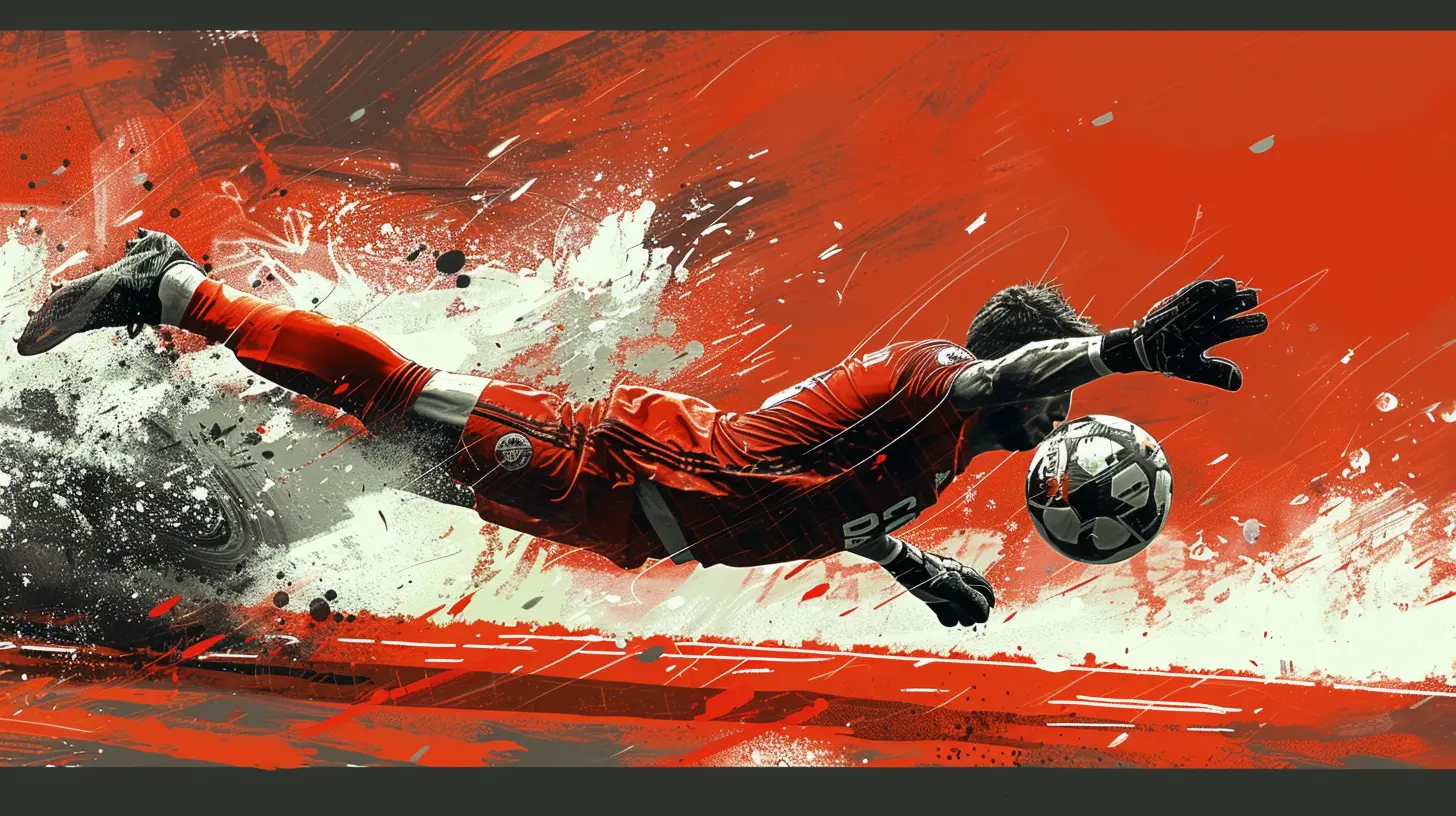
What Happens in the Locker Room, Stays in the Locker Room—Or Does It?
Alright, let’s pull back the curtain. What really goes on during that 10-15 minute halftime break?Contrary to popular belief, it's not just water sipping and stretching. Coaches pour over performance data, players get an earful (sometimes encouraging, sometimes...not so much), and the drawing board gets revamped.
Picture this: the coach is like a chef mid-dinner rush. The dish was underwhelming in the first half, so they quickly swap ingredients, turn up the heat, and whip out something tastier for the second half.
Reading the Opposition Like a Book
One of the biggest benefits of halftime? You’ve now seen the other team’s game plan in real-time.Sure, coaches and analysts spend hours reviewing opponents before game day, but nothing compares to in-game insight. By halftime, patterns start to emerge. Is the other team pushing wide? Are their defenders slower on the turn? Is one player dominating possession?
By identifying those nuggets, coaches can craft a counter-strategy tailored to what’s unfolding on the pitch or court—not just what was theorized.
Real-life Example: Think back to the famous 2005 UEFA Champions League Final—yes, the one where Liverpool was down 3-0 at halftime against AC Milan. What happened after the break? A few tactical tweaks (like pushing Steven Gerrard higher up the pitch and tightening the midfield), and boom—Liverpool clawed back to 3-3 and eventually won in penalties. Legendary.
Key Tactical Tweaks That Change the Game
Let’s break down some of the most common (and effective) halftime adjustments that can dramatically alter the story of a match.1. Formation Changes
Shifting from a 4-4-2 to a 4-3-3, or even a bold 3-5-2, can completely change the dynamic.Formations influence spacing, player roles, and overall team shape. If the first-half setup isn’t working—maybe the midfield’s getting overrun or you're struggling to create chances—a formation switch can be like flipping the board during a game of chess.
2. Player Positioning
Sometimes it’s not about adding or removing players but moving them to better spots.Push a fullback higher up the flank to create width. Move your best dribbler inside to run at defenders. Tuck a winger into a more central “false nine” role. A simple shift can puzzle the opposition.
3. Tempo Adjustment
Are you attacking too slowly? Try a faster passing rhythm to disrupt a deep-lying defense. Or maybe you’re rushing things and losing possession—slowing the tempo can help you regain control and rhythm.Changing the game speed is like switching from rock music to jazz—it throws off the listener (or in this case, your opponents).
4. Pressing Triggers and Defensive Shape
One word: Pressing.If the other team is playing out from the back with ease, then adjusting your pressing strategy—deciding when and where to apply pressure—can totally flip the script.
Likewise, tightening the defensive shape can plug dangerous gaps. Coaches might decide to drop deeper to absorb pressure or push higher to compress space and force turnovers.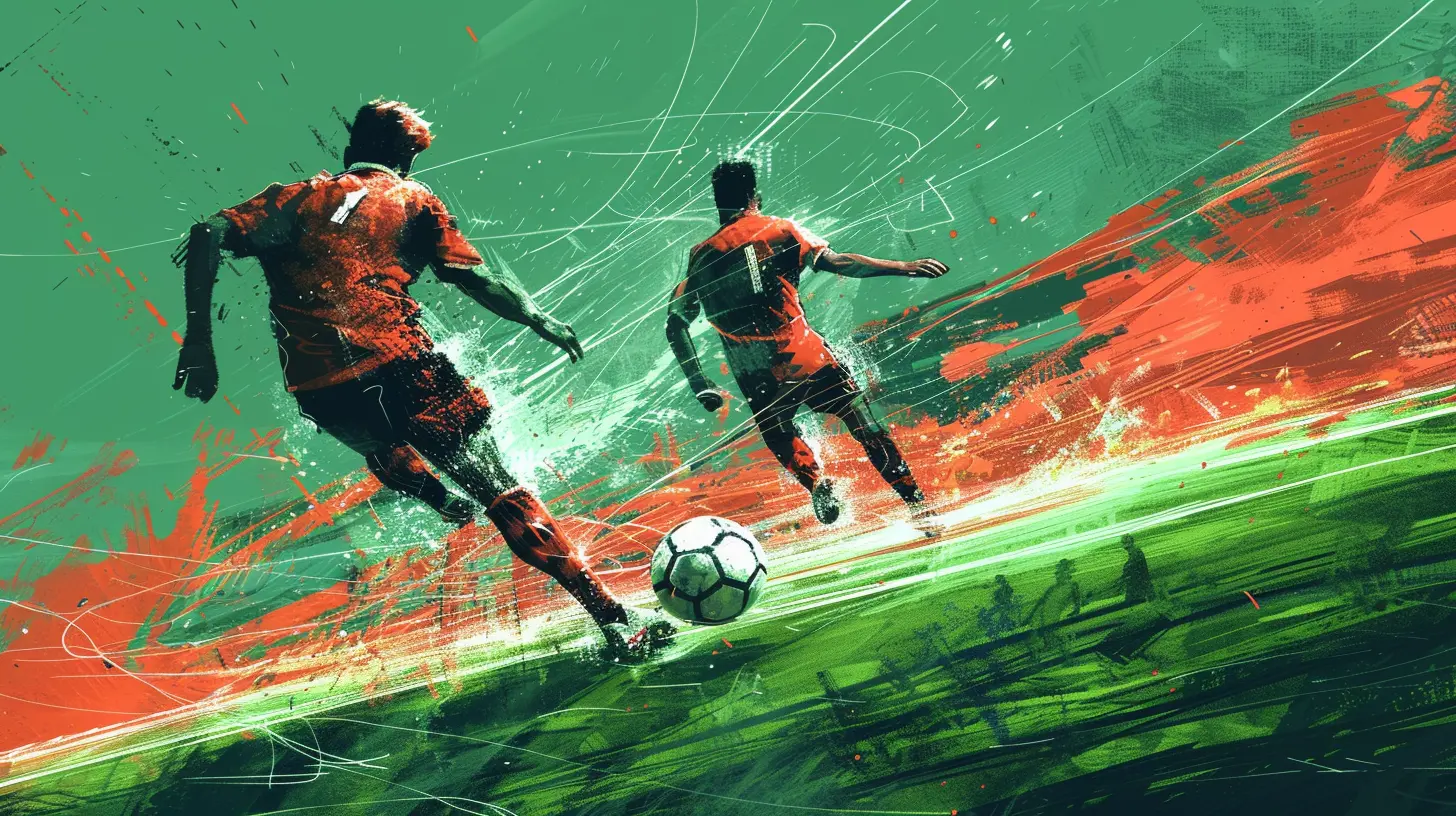
The Psychological Factor: It’s Not Just Strategy, It’s Mental Warfare
Tactical adjustments aren’t just Xs and Os on the whiteboard—they're also psychological.Imagine you’re trailing 2-0 at halftime. You’re frustrated. Then the coach walks in with a calm, confident demeanor and a clear plan to turn things around. It reenergizes the locker room. Belief starts to bubble up.
Coaches who communicate effectively can instill that killer mix of focus and fire. Halftime becomes less about what went wrong and more about what can go right.
The "Reset Effect"
Ever had a bad morning that completely turned around because something clicked? That’s halftime in a nutshell—an opportunity to mentally reset and refocus.Tactical Adjustments Across Different Sports
Let’s zoom out. These halftime heroics aren’t exclusive to football. Other sports see similar mid-game revamps change outcomes.Basketball
Basketball’s fast pace makes it a chess match of adjustments. Coaches adjust defensive coverages, switch zone to man-to-man, tweak matchups based on who's hot or cold, or redesign offensive sets to exploit mismatches.Think NBA Playoffs—where watching the second-half adjustments is sometimes more thrilling than the game itself.
American Football
In the NFL, halftime is a goldmine of data. Coaches adapt to blitz patterns, adjust blocking schemes, and target defensive weaknesses using analytics. Bill Belichick, for instance, is famous for making halftime adjustments that smother opponents in the second half.Rugby
In rugby, strategy tweaks can range from altering scrum tactics to switching up kicking targets or restructuring backline attacks.When Adjustments Don't Work
Let’s be real—not all adjustments are golden. Sometimes a formation change causes confusion. A substitution backfires. The opposition makes even better tweaks.But even failed adjustments can show intent and force the other team to rethink their game plan. It keeps the match dynamic and unpredictable.
And hey, sometimes it's like poker—bluffing a big change can still tilt the game's momentum.
Substitutions: The Secret Weapons of Tactical Tweaks
Don’t overlook the power of the bench. A second-half sub can change everything.Bringing on a fresh-legged winger to exploit tired fullbacks? Genius. Subbing in a target man to hold up play and bring others into the game? Classic.
Sometimes the best tactics involve players who didn’t even touch the pitch in the first half.
Case Studies of Legendary Tactical Turnarounds
1. Manchester United vs. Bayern Munich – 1999 UCL Final
Down 1-0, Sir Alex Ferguson famously said, _“You’ve played your hearts out. Now go and get your reward.”_ A few substitutions and set-piece strategies later, United scored twice in stoppage time to snatch victory from the jaws of defeat.Tactical brilliance? Absolutely. But also emotional edge and belief.
2. Super Bowl LI – Patriots vs. Falcons
Down 28-3? Most teams roll over. But the Patriots’ second-half adjustments—no-huddle offense, tighter man coverage, and more aggressive play-calling—led to the greatest comeback in Super Bowl history.What Amateur Players and Coaches Can Learn
This isn’t just pro-level stuff. Whether you’re coaching Sunday league or playing five-a-side, halftime adjustments matter.Ask yourself:
- What’s not working?
- Where are we vulnerable?
- Who’s underperforming or thriving?
- What are they doing that we didn’t expect?
Even small tweaks—like switching flanks or instructing your team to press higher—can shift momentum.
Final Whistle Thoughts
So the next time you're watching your favorite team struggle in the first half, don’t lose faith. Remember, halftime is never the end—just a pit stop. It’s where champions adjust, recalibrate, and charge back onto the field with renewed purpose.Tactical changes at halftime are more than just moves on a board—they’re the heartbeat of comebacks, the brain behind the brawn, and sometimes the difference between agony and ecstasy.
And hey, isn’t that what makes sports so thrilling?
all images in this post were generated using AI tools
Category:
Post Match AnalysisAuthor:

Frankie Bailey
Discussion
rate this article
1 comments
Quorra Perry
Incredible insight on how strategic changes can shift momentum! It's a testament to the power of adaptability and teamwork. Every game is a lesson, and this one shows that determination and smart tactics can lead to surprising victories. Keep pushing!
August 4, 2026 at 12:39 PM
Frankie Bailey
Thanks for your thoughts! It's amazing how adaptability really makes a difference in those critical moments. Glad you found the article insightful!