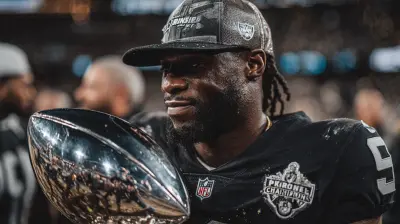
How Sports Literature Captures the Thrill of Victory
1 June 2026
Have you ever gone back to read a recap of a game, maybe one you watched live, and found yourself just as hyped as when that last goal was scored or that buzzer-beater dropped through the net? That’s the magic of sports literature. Somehow, someway, good writing makes a game you've already seen feel like it's happening for the first time. But how does it pull that off? How do writers make our hearts race with just words on a page?
Welcome to the world where ink meets adrenaline — where storytelling captures every drop of sweat, every chant from the crowd, and most importantly, the thrill of victory.
What Exactly Is Sports Literature?
Let’s start with the basics. Sports literature isn't just about statistics or scores. It’s the emotional rollercoaster of a comeback. It's the underdog story that makes you want to cheer out loud. It’s the quotes, the triumph, the struggles, and the passion behind the plays.This type of writing spans across books, magazine articles, essays, biographies, and even poetry. Whether it's a heart-pounding account of a World Cup final or an emotional deep-dive into an athlete’s upbringing, the goal is the same — to make the reader feel.

Why We Crave the "Thrill"
There’s a reason why people binge sports documentaries, rewatch classic games, and eat up athlete memoirs. The thrill of victory is universal — we've all wanted something so badly it hurt, then felt that burst of joy when it finally happened. Sports just give us that emotion over and over… and sports literature bottlenecks that thrill into powerful storytelling.So, what’s the secret sauce? How do words alone make us feel the electricity of winning?
Let’s break it down.
1. Vivid Descriptions That Paint the Game
Ever read a play-by-play recap and felt like you were watching a highlight reel in your head?That's the power of detailed, sensory language. Writers know it’s not just about what happened — it's about how it happened.
Instead of saying, “He scored the winning goal,” a sports writer might say:
> “With defenders breathing down his neck and the clock bleeding out, he lunged forward, toe-poked the ball past the keeper, and froze time — the stadium erupting before the net even rippled.”
You feel that, right? You don’t need a screen. Your imagination does the work, guided by the writer’s words.
Pro Tip for Writers:
Use action verbs. Make your sentences move the way the athletes do. Let your reader run, dive, soar, and celebrate right alongside the story.
2. Human Stories Make Victories Feel Personal
Behind every touchdown, knockout, or home run, there’s a person — often someone who’s battled like crazy to get that moment. Sports literature gives us access to the backstories behind those victories.Think of books like Open by Andre Agassi or Friday Night Lights by H.G. Bissinger. What makes them so memorable isn’t just the wins; it’s the why behind them.
We connect more deeply when we understand the stakes.
Was the athlete injured just months before? Did they come from humble beginnings? Were they counted out by everyone?
Real Connection = Real Emotion
When you care about the player, you care about the win. That’s what keeps us turning pages even when we know the result. Good sports literature makes sure that you’re not just watching the win — you’re invested in it.3. Tension Builds the Payoff
Ever watched a game where the score is tied and you’re basically holding your breath?Writers recreate that same tension by pacing their narration. They slow things down when the stakes are high. They zoom in on details: the sweat on the brows, the silent stadium, the clutch shot in slow motion through words.
Then, just when the tension hits its peak — BOOM — the victory moment lands, and it hits like a gut-punch of joy.
It’s All About the Build-Up
Without the build-up, the win feels flat. But with the right amount of suspense? It’s pure magic.4. Dialogue and Quotes Bring It to Life
Sometimes, the actual words from players and coaches say it best. That post-game quote, the fiery locker room speech, the raw emotion in an interview — writers use these moments to inject authenticity.> “We weren’t supposed to be here. But now? We’re champions.”
That sentence, coming from the underdog team captain, hits harder than a list of stats ever could.
Quotes bring in personality. They remind us that these victories aren’t just stats in a file. They’re human triumphs.
5. Historical Context Adds Weight
Some of the greatest sports stories don’t happen in a vacuum. There’s often a backdrop — political tension, social issues, national pride, or even personal redemption.Think about Jackie Robinson breaking the color barrier, the Miracle on Ice during the Cold War, or Muhammad Ali standing up for his beliefs.
In sports literature, giving context to a victory doesn’t just explain what happened. It amplifies why it mattered. It shows why a win was more than just a win — it was a statement.
6. Emotion, Emotion, Emotion
Let’s be real — great sports writing isn’t just about what’s happening on the field. It’s about what’s happening in our hearts.A writer might describe the joy exploding in the stands, the tears on a mother’s face, the disbelief on a rookie’s expression. These emotional breadcrumbs pull the reader all the way in.
Why It Works
Because we’ve all felt it. Victory in sports mirrors the small (and big!) wins in life — getting a promotion, graduating, surviving something tough. That emotional resonance makes the thrill of victory feel personal, every single time.7. The Underdog Effect
Everyone — and I mean everyone — loves an underdog story. Sports literature thrives on this archetype.From Rocky Balboa to Leicester City’s Premier League win, from Serena Williams’ return to Naomi Osaka breaking through — nothing stirs the soul quite like someone deemed “not good enough” silencing the doubters.
Writers know this. They lean into the adversity, the low points, the dark moments. Because when that win finally comes? It’s more than just a thrill — it’s catharsis.
8. Poetry in Motion
Believe it or not, there’s a poetic quality to sports writing. Some authors even write actual poems about sports victories. But even in traditional prose, the rhythm, flow, and structure can feel beautifully lyrical.You’ll see metaphors comparing runners to cheetahs, basketball players to artists, games to battles. These analogies help readers feel the performance, not just observe it.
It’s not just describing sports. It’s celebrating them.
Why This All Matters
At the end of the day, sports are about more than scores and trophies. They’re about pride, perseverance, teamwork, and resilience. Sports literature — when done right — showcases all of that while delivering a tangible hit of joy through words.That’s the thrill of victory... retold, relived, and reborn on the page.
Modern-Day Examples Fueling the Genre
You might be thinking, “Cool, but is sports literature still a thing today?”Absolutely. In fact, it’s thriving.
From memoirs like Greenlights by Matthew McConaughey (yes, he's a sports fan!) to investigative pieces in The Athletic, from ESPN’s 30 for 30 transcripts to Players' Tribune stories written by athletes themselves — today's sports writing is more personal and raw than ever.
And guess what? With podcasts, blogs, and digital publishing, more fans are writing their own sports narratives too.
Final Whistle: Why We Keep Coming Back
Here's the thing — you don’t have to be an athlete to feel the thrill of victory through writing. Whether it’s a high-school team making state finals, or an aging star finally getting a ring — we all understand what it means to fight for something and win.Sports literature gives us those stories over and over again — each one a reminder of what’s possible when heart, hustle, and hope collide.
So the next time you pick up a sports book, read a long-form article, or even scroll a heartfelt social post after a win — take a second to appreciate the writer behind those words. They didn’t just tell you what happened.
They made you feel it.
all images in this post were generated using AI tools
Category:
Sports BooksAuthor:

Frankie Bailey
Discussion
rate this article
1 comments
Willow Wheeler
Sports literature beautifully conveys the emotions tied to victory, highlighting not just the triumphs but the journey that leads there. It captures the essence of hard work and the joy of achievement.
June 4, 2026 at 4:14 AM
Frankie Bailey
I appreciate your insight. The journey is often as powerful as the victory itself, and sports literature truly brings that to life.