How Sports Broadcasting Is Addressing Accessibility and Inclusion
27 May 2026
Sports have always had the power to bring people together. Whether you're a die-hard fan or someone who just loves the buzz of a good game, there's something universal about cheering on your favorite team. But as much as we like to think sports are for everyone, that hasn’t always been true when it comes to how games are broadcasted and consumed. The good news? That’s changing — and fast.
In recent years, sports broadcasting has been going through a bit of a revolution. Not just with fancy camera angles or ultra-HD screens, but in how it includes people of all abilities and backgrounds. From closed captioning to descriptive audio, and from diverse commentary teams to adaptive interfaces, broadcasters are finally addressing accessibility and inclusion head-on.
So, what’s driving these changes? How is the industry bending the playbook to make room for everyone? Let’s dive in and talk about how sports broadcasting is breaking down barriers and scoring big on inclusion.
The Need for Change: Why Accessibility Matters in Sports Broadcasting
Let’s be real for a second — sports broadcasting hasn’t always been inclusive. For decades, people with disabilities or who speak different languages have been left out of the loop. Those with vision impairments couldn’t follow the game. People who are deaf or hard of hearing missed out on commentary and crowd reactions. And diverse communities often saw themselves underrepresented in the booth.But think about it — sports are supposed to be for everyone. They’re more than just games. They're a shared experience, a cultural force, and in some cases, a way of life. If you can’t fully experience it, you’re missing out on something big.
That's where accessibility comes into play. Making sports broadcasts inclusive isn’t just checking a box — it’s about respecting fans, opening up new audiences, and making sure everyone gets a seat at the table (or on the couch).
Closed Captioning: More Than Just Words on the Screen
Let’s start with one of the most obvious but game-changing tools: closed captioning. You’ve probably seen it before — those subtitles at the bottom of the screen that spell out what the commentators are saying. But captions aren’t just for noisy bars or late-night watching. For millions of people who are deaf or hard of hearing, they’re essential.And it’s not just about slapping some text on the screen. Quality matters. Captions need to be timely, accurate, and descriptive. Many broadcasters now use real-time captioning with human captioners rather than relying solely on AI, which can misinterpret slang, player names, or even team chants.
Good captions can bridge the gap and make the broadcast feel just as thrilling for someone who can’t hear the roar of the crowd.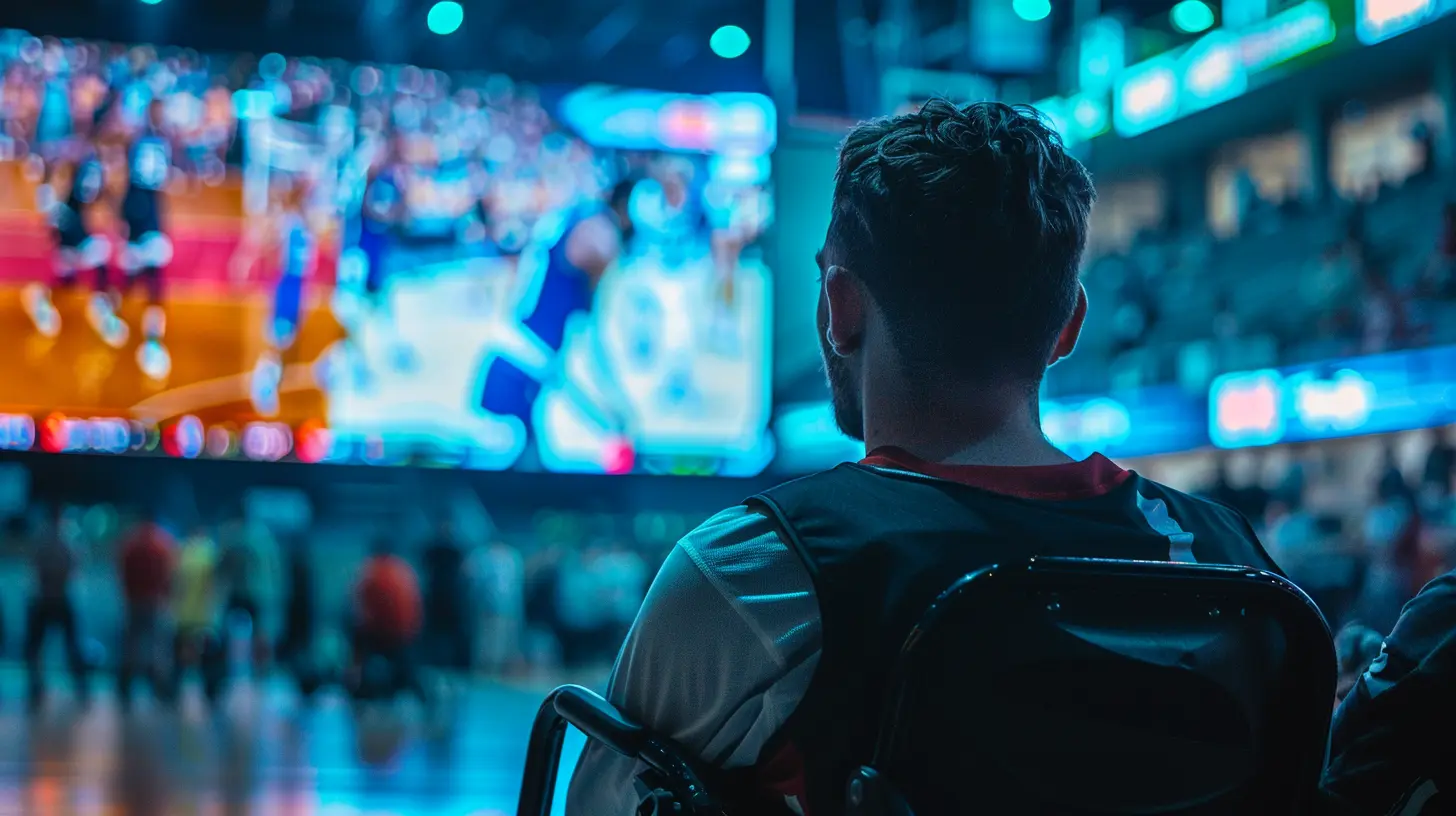
Audio Description: Painting the Picture for the Visually Impaired
Ever tried listening to a sports game without watching the screen? Pretty confusing, right? Now imagine being visually impaired and trying to understand what’s happening—from a last-second goal to a dramatic touchdown—just from ambient noises and vague commentary.That’s where audio description steps in. It’s like having a friend who’s amazing at storytelling sit next to you and describe every important visual detail. Not just “he scores,” but “he dribbles past two defenders, fakes left, shoots with his right foot... GOAL!”
Broadcasters are increasingly adding this feature to their repertoire, especially for high-profile events like the Super Bowl, the Olympics, and World Cup matches. And the benefits? They go beyond accessibility — it enhances the experience for anyone who’s multitasking or can't watch the screen.
Multilingual Broadcasts: Speaking the Fan’s Language
In our globally connected world, assuming every fan speaks and understands English is just... out of touch. Sports bring together people from every corner of the planet. So why not cater to them?More broadcasters are now offering multilingual commentary options. Whether it's Spanish, Mandarin, Arabic, or even regional dialects, fans can now enjoy the game in their native language. This not only boosts inclusivity but also deepens the emotional connection fans feel during the broadcast. Think of it as the difference between watching a movie dubbed in your language versus the original—one just hits harder.
Some digital platforms even allow you to switch between audio languages on the fly. It's like choosing your favorite flavor of commentary.
Sign Language Interpretation: Giving Voice to Silence
Sports are full of emotion. Whether it’s a buzzer-beater or a controversial penalty call, the passion is often in the commentary. But for the deaf community, that part of the experience has traditionally been missing.That’s changing now with the introduction of sign language interpreters on-screen during major games and events. Just like how a concert might have an interpreter beside the stage, sports broadcasts now do the same.
These interpreters aren’t just translating words; they’re capturing the tone, excitement, and intensity of the moment — and that can be electrifying. For many fans, it’s the first time they’ve truly felt included.
Diverse Voices in the Booth: Representation Matters
Let’s talk about another kind of inclusion — the diversity of the people actually calling the games. For way too long, sports broadcasting was dominated by a single demographic. But things are starting to change.More women, people of color, LGBTQ+ individuals, and people with disabilities are stepping into the broadcasting spotlight. And guess what? It’s making a huge difference. It brings fresh perspectives, relatable voices, and a broader understanding of the context surrounding sports and athletes.
When a young girl hears a female commentator breaking down a game-winning play, or when a bilingual teen hears a broadcast in Spanglish, something clicks. They feel seen. Heard. Encouraged.
Tech is Leveling the Playing Field
Technology has been a total game-changer, no pun intended. From AI-generated subtitles to smart TV apps with voice controls, innovations are making broadcasts more accessible than ever.Here are just a few ways technology is breaking barriers:
- Voice Navigation: Remote-free browsing and control via voice commands helps fans with mobility or visual impairments.
- Customizable Interfaces: Fans can tweak how they see and hear the game—turn up the commentary, reduce background noise, or enlarge on-screen text.
- Second Screen Apps: Companion apps let fans follow stats, listen to alternate commentary, or even participate in polls and chats that are accessible to all.
We’re basically living in the golden age of accessible sporting content—and it’s only getting better.
Social Media: The New Frontline for Inclusion
Let’s not forget about social media. These platforms have become the sidekick to the main event. Fans live-tweet games, share highlights, and join virtual watch parties. And now, accessibility has found its way here too.Platforms like Twitter and Instagram now support alt-text for images and transcriptions for videos. Plus, organizations have started hiring social media managers from various backgrounds, who know how to communicate in a way that's inclusive and culturally relevant.
Even memes are becoming more inclusive — and that’s saying something!
The Business Case for Being Inclusive
Alright, let’s talk business. Because while doing the right thing is enough of a reason, there’s also a huge market incentive.By making broadcasts more accessible and inclusive, networks are tapping into previously ignored audiences. That means more viewers, more engagement, and yes — more revenue.
Sponsors love inclusive strategies too. Brands want to associate with organizations that reflect modern values and social responsibility. So, in many ways, inclusion isn’t just a moral win; it’s a commercial slam dunk.
Challenges Still on the Bench
Now, let’s not pretend everything is perfect. There’s still a long way to go. Many broadcasts lack even basic accessibility features. Not all commentators or networks prioritize or understand inclusion. And sometimes, well-meaning efforts can come off as tokenism if not executed properly.Budgets can be tight, and tech can be complicated. But none of those hurdles are insurmountable. What’s needed is commitment and continuous effort. Because true accessibility isn’t a one-time project — it’s a long game.
Final Thoughts: A Win for Everyone
At the heart of it, making sports broadcasting accessible and inclusive is about honoring the spirit of sports. The thrill of the game should be for everyone — no matter their abilities, background, or language.We're living in a time where technology, empathy, and awareness are all aligning to create something truly special. The sports world still has work to do, but it’s on the right path. And as fans, we can support this change by demanding more, speaking up, and celebrating progress when we see it.
Because when it comes to sports, the more inclusive the broadcast, the louder the cheer.
all images in this post were generated using AI tools
Category:
Sports BroadcastingAuthor:

Frankie Bailey
Discussion
rate this article
1 comments
Yolanda Sweeney
It's about time sports broadcasting got a makeover. From sign language to audio descriptions, inclusion is the new MVP! Imagine tuning in and feeling like you're right there on the field. Now that's a game changer. Bring on the accessibility!
June 6, 2026 at 4:32 AM
Frankie Bailey
Absolutely! Accessibility transforms the viewing experience, making sports more inclusive for everyone. It's exciting to see these changes unfold.