Color Commentary: What Makes a Great Sports Broadcaster?
4 June 2026
Let’s be real — sports without commentary is like nachos without cheese. It's still good, but it just doesn't hit the same. In the world of sports, the roar of the crowd is magical, sure, but the voice that carries over that roar? That's the thread that stitches the moment into memory. A great sports broadcaster doesn’t just report what happens — they make you feel it.
Every game, every play, every heartbeat of the action comes alive through their lens. But what truly separates the greats from the rest? What makes someone capable of turning a touchdown or a last-second buzzer-beater into something unforgettable?
Let’s dive into the soul of color commentary — the true art of a remarkable sports broadcaster.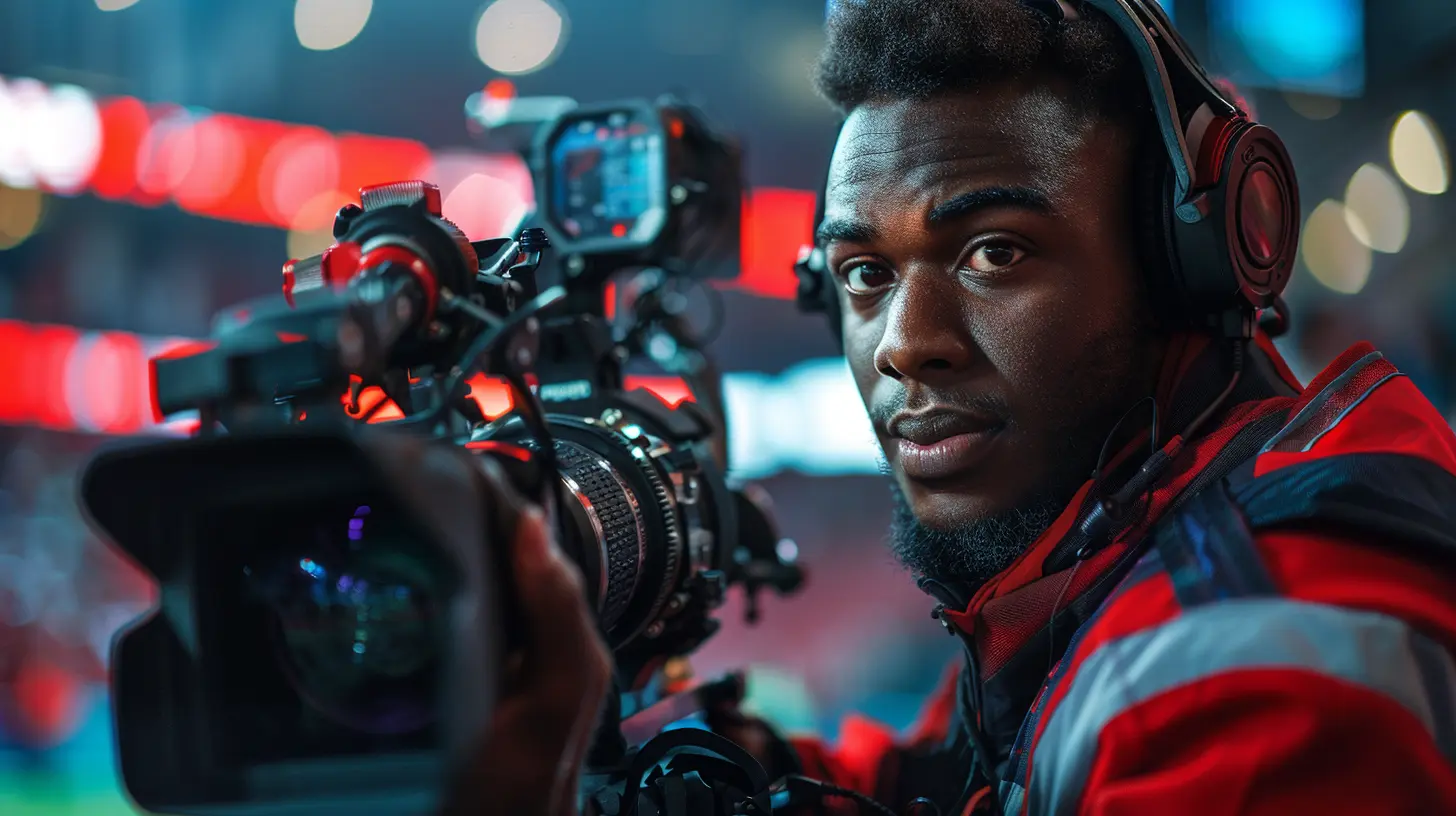
?️ The Voice Behind the Moment
It’s More Than Just Talking
Anyone with a mic can rattle off stats and scores. But that’s not what makes broadcasters legends. It’s the way they say it. Their tone, their timing, the way they can make your heart pound with just a whisper or shout — it’s like music. Their voice becomes the instrument that delivers the highs and the lows.Think of Al Michaels asking, “Do you believe in miracles?” or Marv Albert’s unmistakable “Yes!” They don't just call plays — they paint pictures with words.
A Voice That Commands
A great broadcaster’s voice doesn’t just float over the air — it grabs you. It has warmth, intensity, and clarity. It’s familiar yet exciting. It can raise the hair on your arms or make you chuckle mid-play. That voice lives rent-free in your head, long after the game’s over.
? Knowledge is the Gameplan
Deep Sports IQ
Let’s be honest — no one wants a broadcaster who sounds like they just read the Wikipedia page five minutes before kickoff. Audiences want someone who gets the game. Who’s lived it, breathed it, slept with a game ball under their pillow.The best broadcasters have a deep, often encyclopedic understanding of the sport. They anticipate plays before they happen. They know the players, the strategies, the tendencies. They’ve got insight and experience that goes beyond surface-level stats.
Former Players Step In
Ever notice how many stellar color commentators are former athletes? That’s no accident. They’ve been in the trenches. They know what it’s like to have a 300-pound lineman charging at you or the clutch pressure of free throws with two seconds on the clock.Their firsthand experiences bring authenticity to the booth. It’s like you’ve got a good friend who played in the big leagues, breaking it down just for you.
? Personality, Baby!
We Don’t Just Listen — We Connect
You could be the smartest sports mind on the planet, but if you’re boring, you’re toast. Personality is everything. The top broadcasters have charisma that leaps through your screen or earbuds and slaps you with energy.Whether it's the witty banter, quirky catchphrases, or even just a laugh that makes you grin, personality is the glue that keeps fans coming back. People don’t just love sports — they fall in love with the voices narrating them.
Humor in the Hustle
Sports can be tense. The right dose of humor? It’s like a crowd wave for your brain. Great broadcasters know when to hit the gas and when to lighten the mood. A well-timed joke or pun can turn a dull moment into a fan favorite.Tony Romo, for example, has this charming, geeky enthusiasm that makes you feel like he’s on your couch, geeking out with you. That’s magic.
? Timing Is Everything
The Art of the Pause
Sometimes, the moment needs silence. The crowd is roaring, the players are celebrating, the emotions are raw — and a great broadcaster just lets it breathe. That takes guts.Not stepping on the moment, not trying to force words where silence says more — that’s a true skill.
Quick on the Draw
On the flip side, sports move fast. Broadcasters have to keep up without tripping over their words. No second takes. You have to nail it live, every time.That means lightning-fast reactions paired with laser-focused articulation. It’s like being a freestyle rapper with a playbook.
? Storytelling in Real Time
Setting the Scene
Every game is a story unfolding in real time. It’s not just about who scores — it’s about why it matters. A great broadcaster sets the stage, gives you context, and makes you care.They tell you about the rookie's grind from the G-League to this very moment. They talk about the veteran chasing one last championship. They make every play part of a bigger narrative.
Building Drama Like Spielberg
You ever notice how the best broadcasters build suspense? They introduce stakes with subtle cues. They hype up the tension when it counts. They make a two-minute drill feel like the final chapter of a thriller novel.They know how to make you lean in and hang on every word.
? Knowing When To Let The Game Speak
Don’t Overcrowd the Moment
Sometimes the best call is no call. Silence can say more than any sentence ever could. A good broadcaster knows not to crowd the game.Let the crowd build the tension. Let the player’s reaction do the talking. Say less, mean more.
Respecting the Game
Broadcasters are not the show — they’re the soundtrack. The great ones understand that. They elevate the moment without overpowering it. They ride the rhythm of the game like a jazz musician, improvising but never dominating.? Chemistry in the Booth
It Takes Two (Or More)
The best commentary teams are like great duos in sports — think Stockton and Malone, Brady and Gronk, Jordan and Pippen. It’s about chemistry.Play-by-play announcer and color commentator need to click. They need to anticipate each other, bounce off each other, and make the game more engaging together than they ever could apart.
Banter That Feels Real
Nothing beats natural, unscripted banter. The kind you hear from friends at a bar watching the game. It can’t feel forced or fake.When broadcasters laugh, argue, or riff with each other naturally, it’s like inviting millions into a living room full of good vibes.
? Adapting to the Times
From TV to Twitter
Today’s sports broadcasters aren’t just voices on TV — they’re personalities across platforms. They’ve got TikToks, podcasts, live streams, and hot takes on social media.The ability to adapt and stay relevant has never been more important. Modern commentators don’t just bring the game to your screen — they’re part of your digital life.
Connecting with a Younger Crowd
Today’s fans want more than just facts. They want memes, pop culture references, behind-the-scenes insight, and authentic voices that speak to them — not at them.Broadcasters who can blend sports knowledge with cultural awareness are the ones that capture the next generation.
? Authenticity is the Secret Sauce
Be Yourself — But Better
At the end of the day, the best broadcasters are unapologetically themselves. They don’t try to fit into someone else’s mold. They bring their quirks, their passion, their perspective — and share it with the world.Audiences can smell fake miles away. But they’ll ride or die with someone who’s real.
Passion That’s Contagious
You can’t fake love for the game. And the greats? You can hear it in every word. Whether it’s a Wednesday night regular-season game or the Super Bowl, they show up with the same energy.That passion infects the audience. It spreads joy. It lifts moments from ordinary to epic.
? The Crowd’s Verdict
Who Are The Greats?
Everyone's got their favorites. Vin Scully was poetry in motion. John Madden turned football into a Thanksgiving dinner story. Mike Breen’s “Bang!” deserves its own ringtone. These legends didn’t just talk — they connected.It’s About Moments
Here's the thing — you remember the plays, but you feel the calls. Those goosebumps during a historic moment? That’s not just the action. That’s the voice telling you what it means, why it matters, and what it feels like.That, my friend, is the art of broadcasting.
? Wrapping It Up
So, what makes a great sports broadcaster?It’s a cocktail of voice, knowledge, personality, timing, storytelling, and passion — all shaken, not stirred. It’s someone who turns games into memories and moments into magic. Someone who makes you yell at the TV, fist pump in your chair, or wipe away that single tear during a retirement speech.
Great broadcasters don’t just describe the game — they are the game, in a way. They live in the background, but they become unforgettable.
Next time you're watching a game, close your eyes for a second. Just listen. If you hear someone who makes you feel like you’re right there on the field, in the dugout, under the lights, then yep — you’re listening to one of the greats.
all images in this post were generated using AI tools
Category:
Sports BroadcastingAuthor:

Frankie Bailey
Discussion
rate this article
1 comments
Quincy McInerney
Great sports broadcasters have an ability to connect with the audience while sharing their passion for the game. They bring the action to life with their insights and storytelling, making every moment feel special. It's this authenticity and enthusiasm that truly enhances the viewing experience for fans.
June 7, 2026 at 2:23 AM
Frankie Bailey
Absolutely, the blend of passion and storytelling is what sets great broadcasters apart. They turn a game into an experience that resonates with fans.