How Set Pieces Shaped the Outcome of Last Night’s Match
10 July 2026
Let’s be real—football isn’t just about flashy footwork and 30-yard screamers. Sometimes, it's the subtleties that make all the difference. And last night’s match? It was proof that set pieces aren’t just a sideshow in modern football—they're game-changers. Whether it was a perfectly timed corner, a cheeky free-kick, or a well-rehearsed throw-in, every dead-ball situation felt like a potential dagger through the opposition’s defense.
Grab your favorite jersey and settle in, because we're diving into how set pieces quietly (but powerfully) swung the momentum and decided the fate of last night’s thrilling encounter.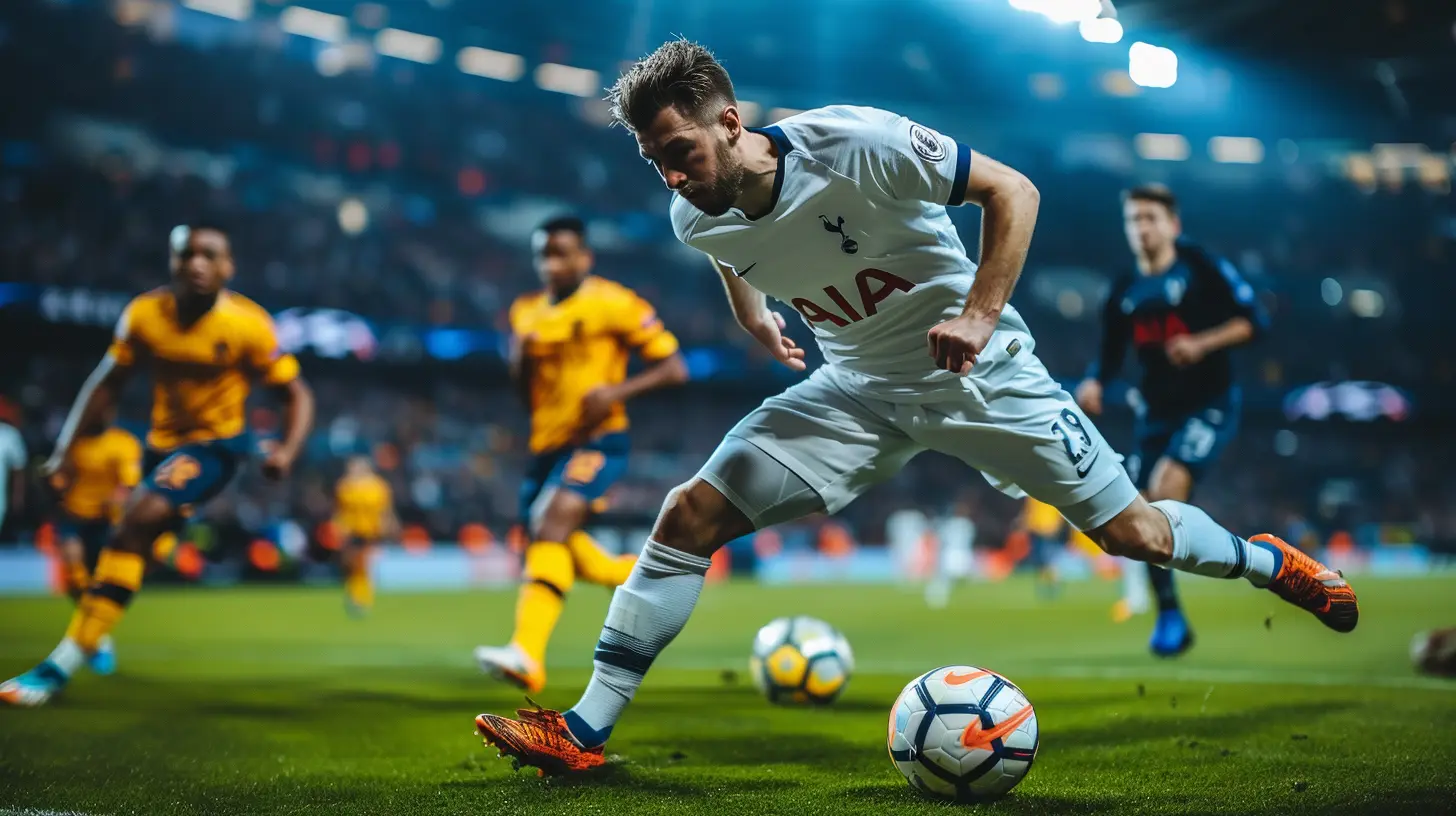
What Are Set Pieces Anyway?
Before we get into the heart of it, let’s clear the air for any new fans reading this. Set pieces in football refer to any restart of play from a stopped position — and the usual suspects are free-kicks, corners, and throw-ins.Sounds simple, right? But don’t be fooled.
Set pieces are heavily practiced and strategically choreographed, often becoming lethal weapons in a tightly contested match. Think of them as the secret recipe in grandma’s kitchen — ordinary ingredients, extraordinary results.
Last Night’s Match: A Tense Tactical Showdown
From the first whistle, the match was nail-biting. Both teams came out with intensity, pressing high, forcing errors, and creating half chances. But as the game wore on, defensive lines tightened, chances from open play dwindled, and the match started screaming for a moment of magic.And that, my friend, is exactly what set pieces delivered — again and again.
The First Blow: A Masterclass in Corner Strategy
It all started around the 27th minute. The scoreline was still 0-0, and both sides were struggling to carve out clear-cut opportunities. Then boom — a corner kick changed everything.Instead of the traditional long lump into the box, the attacking side went short. A quick one-two dragged defenders out of position. Then came a perfectly weighted cross to the edge of the six-yard box, followed by a bullet header into the back of the net.
1-0. The stadium erupted.
It wasn’t just a goal; it was a masterstroke, a product of hours on the training ground, studying weaknesses, and exploiting them with precision. And suddenly, the tone of the game shifted.
Free-Kick Sorcery: A Perfectly Executed Equalizer
Not to be outdone, the opposition responded in style. Just ten minutes later, they won a free-kick about 25 yards out. Most fans expected a direct shot at goal — after all, their star striker had already scored from similar distances this season.But nope. Surprise, surprise.
The play involved a dummy run, followed by a disguised layoff, and then a low-driven shot beneath the jumping wall. Goalkeeper rooted. Back of the net. 1-1.
Talk about creativity and courage! That set piece wasn’t pulled from any dusty playbook — it was tailored, trained, and timed to perfection. And just like that, the momentum swung again.
Second-Half Shocker: The Throw-In That Rocked the Stadium
Seriously, who thought a throw-in could be so dangerous?Midway through the second half, with tension at its peak, a long throw launched like a missile into the box became a chaotic free-for-all. Scrambled clearances, ricochets, and missed headers turned into an unexpected opportunity for a lurking midfielder who volleyed it home from close range.
2-1. Absolute scenes.
Throw-ins are often underrated, but when executed right — especially when you’ve got players who can hurl the ball like a javelin — they become corner kicks in disguise. The defending team simply wasn’t ready for it.
The Late Free-Kick Drama: Closing the Curtain with Style
As the clock ticked down and fatigue crept in, another free-kick opportunity emerged. This time, the leading team had a chance to seal the match.Rather than swinging it into the box, they took a more subtle approach — a lofted ball to the far post where a towering center back rose above everyone else and nodded the ball back across goal. A quick tap-in followed.
3-1. Game, set, and match.
It wasn’t just the icing on the cake; it was the full three-layer dessert topped with whipped cream and fireworks. The match, shaped in large part by set pieces, had been sealed.
Set Pieces Are More Than Just Restarts
Let’s be honest: football purists often praise open play—the combination passes, the silky dribbling, the tiki-taka—but set pieces? They deserve their own highlight reel.In last night’s match, set pieces accounted for all three goals by one team and a cheeky equalizer by the other. That’s four out of five goals! So why are they so effective?
Here’s the deal:
- Predictability breeds strategy: Teams know where the ball will come from.
- Specialist skills matter: You need dead-ball experts.
- Time to plan: Coaches can rehearse countless variations.
- Chaos factor: Defenders don’t always know who to mark.
- Mental pressure: One mistake, and it’s costly.
What This Means for Coaches and Players
If you’re a coach, this match serves as a wake-up call: set pieces are pure gold. Investing time into them can bring consistent returns, especially in close games.And for players? Understanding your role in a set piece routine is crucial. Whether you’re setting a screen, making a timed run, or just being a decoy, every move matters.
Don’t just aimlessly jog into the box hoping the ball finds you. Be intentional.
What Fans Should Take Away
Okay, fans. Next time you're watching a match and your team wins a corner or gets a free-kick near the box — don’t go refill your drink. Those moments are when magic often happens.They're breathing spaces in chaotic matches. Battles of wits between coaching staffs. And more often than not, they swing the match in dramatic fashion.
So when your team drills in a perfectly executed set piece, celebrate it like a screamer from 30 yards — because behind that goal was strategy, sweat, and study.
The Numbers Don’t Lie: Set Pieces Are Vital
Still not convinced? Let’s throw some stats into the mix.- In the 2022/2023 season across Europe’s top leagues, over 28% of goals came directly from set pieces.
- Some teams build their entire attacking identity around wining set pieces — think Atlético under Simeone or Burnley’s classic route-one style.
- Modern analysts and data scientists work full-time decoding opponent weaknesses in set-piece defense.
It’s chess played on a football pitch.
Set Pieces and the Mental Game
Beyond the physical, set pieces bring a unique psychological twist. For defenders, they induce anxiety — a moment where marking schemes, positioning, and reactions are tested. One poor decision can lead to disaster.For attackers, it’s a chance to outwit their opponent. Fake runs, sudden darts, or double movements — it’s like being an illusionist with the perfect trick.
And let’s not overlook confidence. Scoring a set-piece goal can electrify a team, reignite belief, and shatter the opponents' spirit.
Final Whistle: More Than Just a Tactical Detail
So there we have it. Last night’s match wasn’t just a clash of two well-drilled teams; it was a showcase of how set pieces can dictate outcomes. They were the opening act, the musical interlude, and the grand finale.While many will remember the scorers and the assists, the real heroes were the invisible tacticians and relentless trainers who turned those dead balls into moments that brought fans to their feet.
Set pieces? They’re not a bonus. They’re not luck. They’re not “just” corners or “only” free-kicks.
They’re weapons. And last night, they took center stage.
all images in this post were generated using AI tools
Category:
Post Match AnalysisAuthor:

Frankie Bailey
Discussion
rate this article
1 comments
Lys Barron
Set pieces are like the secret sauce of soccer-one minute it's a boring free kick, the next a goal that sparks a fan riot. Who knew a well-timed corner could turn grown adults into kids at a candy store? Pure magic!
July 16, 2026 at 3:19 AM
Frankie Bailey
Absolutely! Set pieces really can change the game's flow in an instant. It's exciting to see how a simple kick can ignite such passion.