How Commentary Teams Are Formed: The Perfect On-Air Chemistry
12 April 2026
Let’s get one thing straight—great commentary teams don't just magically happen. Nope, nobody throws a couple of random sports fans in a booth and expects fireworks. The best commentary duos and trios you hear on game day? They're carefully crafted, tested, tweaked, and—when done right—become the soul of the sport for fans around the world.
Think of a commentary team as the band behind the broadcast. You’ve got your frontman (usually the play-by-play caller), the lead guitarist laying in the color commentary, and sometimes, a percussionist who brings analysis or sideline reporting into the mix. When they click, it’s music to our ears. When they don’t? Well, it's like watching paint dry with a broken radio blaring in your ear.
So, how do networks and production teams actually form these commentary squads? Buckle up, sports fans—we're diving into the guts of how the magic is made.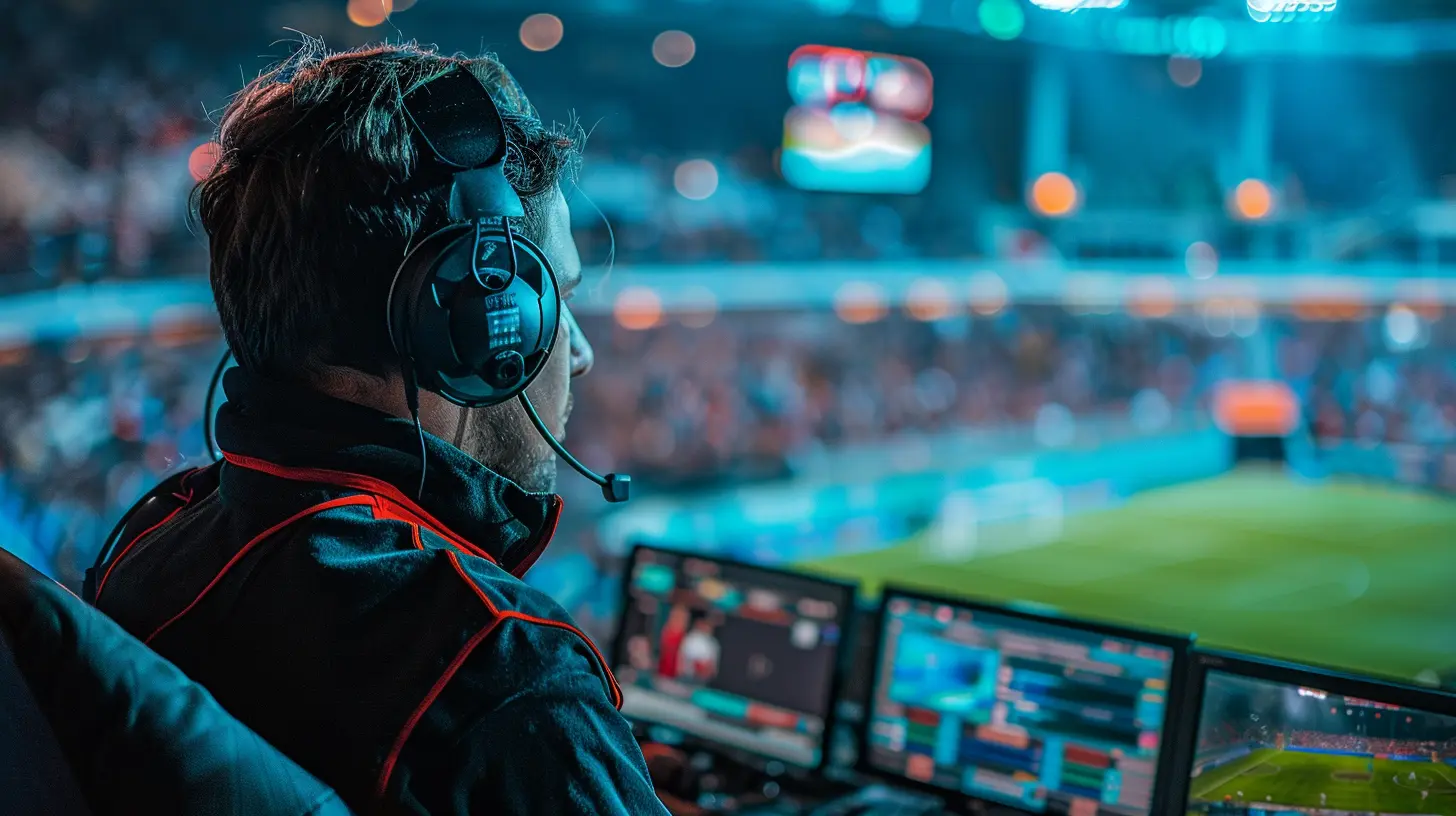
🎙️ The DNA of a Commentary Team
There’s no secret recipe locked in a vault somewhere. But there is a system. Commentary teams are typically built around three core roles:- Play-by-Play Commentator: The narrator. They call the action as it happens.
- Color Commentator (Analyst): The expert. Usually a former player or coach who adds insight and depth.
- Sideline Reporter (optional): The eyes and ears on the ground, bringing real-time updates and personal stories.
Each of these roles needs to complement the others. No ego wars, no one hogging the mic—just seamless collaboration. It’s like assembling the Avengers. Each person has a superpower, but the team only works when they play off each other.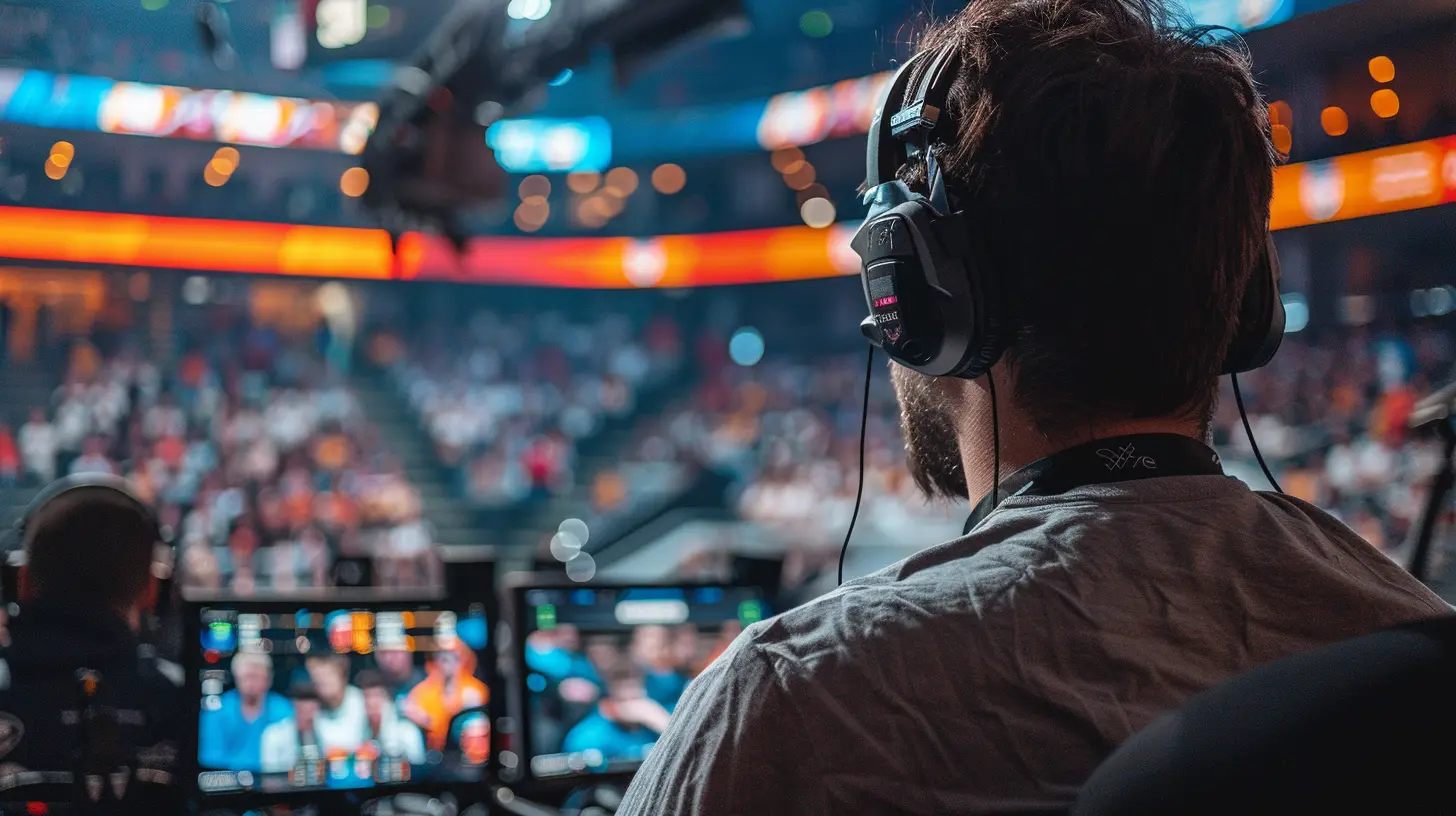
🧠 Skill Over Stardom
You'd think networks just pair the most famous people they can find and call it a day. Not the case.Big names might bring the initial buzz, but chemistry is what brings the audience back. A retired Hall of Famer can stumble on-air if they can’t explain plays or connect with the audience. And a play-by-play professional with a golden voice? Useless if they never let the analyst breathe.
Networks run auditions, test pairings during lower-profile games, and even pull analysts from podcasts or local radio when looking for fresh voices.
Bottom line: skills on the mic beat name value every time.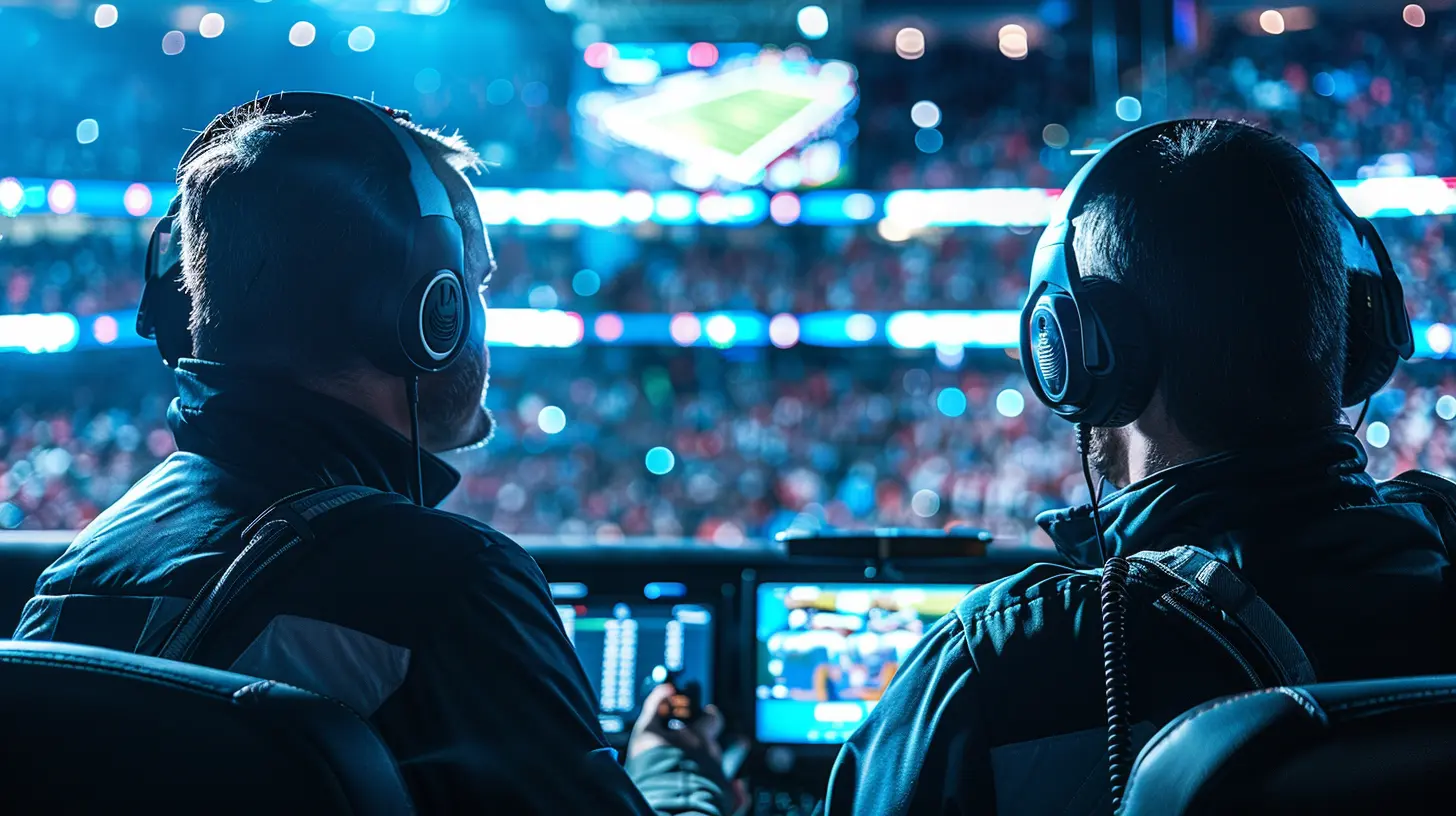
📺 Auditions: The Hidden Tryouts You Never See
You ever wonder how a former athlete just "pops up" in the booth one day?Chances are, they’ve already been through multiple behind-the-scenes auditions. Networks often run mock broadcasts and analyze how potential talent handles themselves—are they insightful? Do they interrupt too much? Can they adapt if the play changes mid-sentence?
Producers are hunting for clues. They want to know: can this person talk for three hours straight, educate the audience, crack a joke here and there, and keep the energy up during blowouts?
Some get the gig. Others get told, “Thanks, but not this time.”
💥 Chemistry Is Everything
You can’t fake it. Chemistry is either there or it isn’t.Ever listened to a broadcast where everyone just clicks? Jokes flying, smooth transitions, no one stepping on each other’s lines? That’s chemistry. That’s the result of rehearsals, real friendships, and complementary styles.
Think Joe Buck and Troy Aikman—years of working together, predictable rhythms, and the ability to communicate without even speaking at times. That doesn’t come from luck. That’s chemistry built like a championship team—through reps, time, and respect.
Now flip it. You ever mute the TV because the commentators are arguing or sound like they just met on Tinder a half-hour ago? That’s a chemistry fail.
🏋️ The Training You Didn’t Know Happened
Believe it or not, commentary isn’t just talking. These folks go through straight-up bootcamp to get good.- Voice coaching: Yep, they work on tone, pacing, and enunciation.
- Replay drills: Knowing when to stop talking so the replay can do the storytelling.
- Stat seasoning: Using numbers for flavor, not the entire meal.
And most importantly? Timing. It’s everything. Knowing when to shut up so the moment can speak for itself is the difference between a good broadcast and an unforgettable one.
🤝 Pairing Personalities: Like a Dating App, But for Broadcasters
Producers work like matchmakers. They treat forming a commentary team a bit like dating. You’ve got your loud, animated analyst? Pair them with a calmer, smoother play-by-play caller. Someone’s a jokester? Better make sure their partner can roll with the punches.It’s not just what’s on air either. Off-camera vibes matter. If two people can’t stand each other behind the scenes, that tension bleeds into the broadcast.
In fact, some legendary duos became great because they hung out, traveled together, and genuinely liked each other. Others crumbled because a power struggle silently brewed behind the mic.
🎯 Targeting the Audience
Let’s be honest—not every audience wants the same vibe.An NFL Sunday night broadcast needs a different tone than a Saturday afternoon college hoops game. Networks pick teams based on style:
- Big games? Go with pros who keep it polished and tight.
- Regional broadcasts? Bring in local legends who know the franchise history inside and out.
- Young audiences? Add a fresher voice, some humor, and maybe even references outside the sports bubble.
It's all about fit. One size does not fit all in commentary land.
🧩 Diversity and Representation Matter (Finally)
For way too long, commentary booths were a closed club. All-male. Mostly ex-players. Almost always the same voices.But times are changing. Viewers want voices that reflect them. Women, minorities, and younger analysts are stepping in and crushing it—with new insights, different perspectives, and relatable vibes.
Diversity in the booth isn't just a checkbox. It makes broadcasts better, period.
🔁 Constant Tweaks with Viewer Feedback
You better believe networks are watching Twitter, reading Reddit threads, and checking feedback.If fans hate a new pairing? Networks notice. If a commentator blows up online for the wrong reason? They’ll "disappear" mid-season.
The best commentary teams are molded by feedback loops. Producers sit down and review audio, mark improvements, and push talent to evolve.
Because in this game, standing still means getting left behind.
📝 The Secret Sauce: Preparation Meets Improvisation
Commentators don’t just show up and wing it.They prep for hours—reading stats, talking to coaches, reviewing film. But then, when the lights go on, it’s all about being present. Reacting. Letting the moment breathe.
It’s jazz, not classical music. You set the stage, know your chords, then improvise like Miles Davis.
And when one commentator hits a high note? The other jumps in to fill the gap. That's the perfect on-air chemistry right there.
🧠 Some Fan-Favorite Duos That Nailed It
Let’s give a standing ovation to some legendary commentary pairs who’ve set the standard for chemistry:- Al Michaels & Cris Collinsworth – Calm and smooth meets quirky insight.
- Mike Breen & Jeff Van Gundy/Mark Jackson – The NBA’s most chaotic, hilarious trio.
- Jim Nantz & Tony Romo – The prototypical smart-meets-energetic pairing.
They didn’t just call games—they told stories, made us laugh, taught us things, and knew when to let the crowd do the talking.
🏁 The Bottom Line
So here's the truth: forming a top-tier commentary team is a science and an art. It’s about finding people who are talented individually, but electric together. It’s about knowing the game, loving the game, but most of all—respecting each other on air.You might not see the behind-the-scenes chess moves, the pilot episodes, or the hours of prep. But trust us—it all shows up in the broadcast.
Next time you tune in and think, “Dang, these commentators are killing it,” know this—it’s no accident. That’s chemistry, baby. The kind you can’t script. The kind that brings the game to life.
all images in this post were generated using AI tools
Category:
Sports BroadcastingAuthor:

Frankie Bailey
Discussion
rate this article
2 comments
Trevor McDougal
Great commentary makes or breaks a game. Chemistry is everything in sports broadcasting.
July 24, 2026 at 2:47 AM
Frankie Bailey
Absolutely, chemistry between commentators can elevate the viewing experience. It's all about that seamless connection that brings the game to life.
Zinna McFadden
Great insights! The dynamics of commentary teams significantly impact viewer experience, showcasing that chemistry is as crucial as expertise.
April 14, 2026 at 11:28 AM
Frankie Bailey
Thanks for your thoughts! It's true that chemistry can elevate the viewing experience, making it just as important as expertise in commentary teams.