How Much Is Too Much to Give Up in a Blockbuster Deal?
19 November 2026
In the world of sports, blockbuster deals are the stuff of legends. They can turn a struggling franchise into a championship contender overnight or send a perennial powerhouse spiraling into mediocrity. But with great power comes great responsibility-or at least a hefty dose of anxiety. How do teams decide what they are willing to give up in a trade? And more importantly, how do they know when they have crossed the line from shrewd business to reckless abandon?
This article dives deep into the intricacies of blockbuster deals, examining the factors that teams should consider, the common pitfalls, and how to strike the right balance.
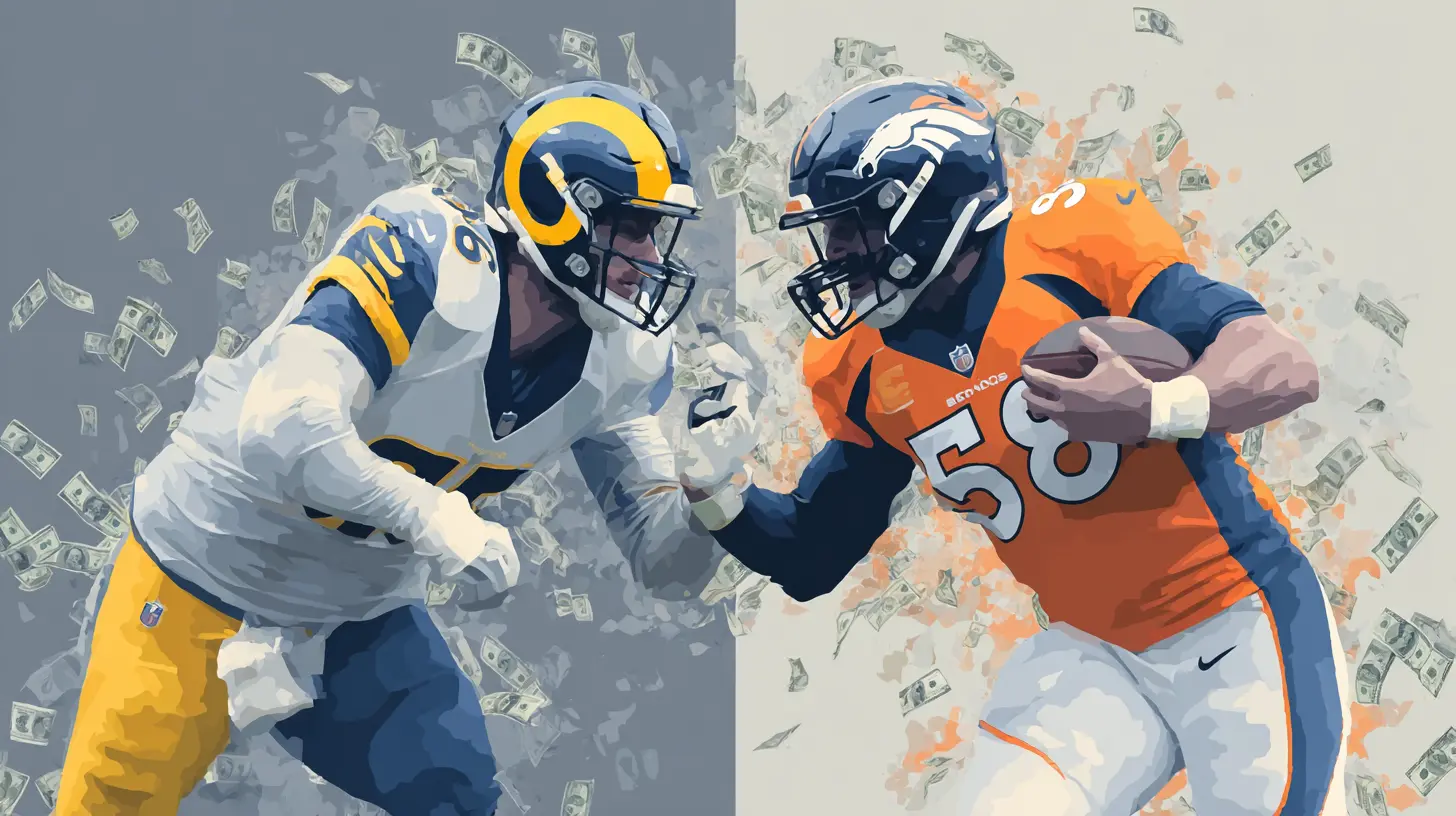
Understanding Blockbuster Deals
Before we dive into the nitty-gritty, let's define what we mean by a blockbuster deal. Generally, these are trades that involve high-profile players and significant assets. Think of the trades that make headlines and get fans buzzing-like when a star quarterback switches teams or a franchise player is sent packing for a haul of draft picks.The Stakes Are High
In these deals, the stakes are incredibly high. A wrong move can set a franchise back for years. For instance, when the Brooklyn Nets traded for Kevin Garnett and Paul Pierce, they gave up a treasure trove of draft picks. The intention was to create a super team, but it didn't pan out, and the Nets are still feeling the repercussions.
Factors to Consider in a Blockbuster Deal
When contemplating a blockbuster deal, teams must weigh several factors. Here's a breakdown of the most critical elements to consider.Player Value
Current Performance vs. Future Potential
One of the first questions a team must ask is: How valuable is the player we want to acquire? This involves looking at both current performance and future potential. A player who is performing at an elite level today may not be the same player in a few years due to age or injury. Conversely, a young player with potential may not yet have proven themselves, making them a risky investment.Real-World Example
Take the case of the Los Angeles Lakers acquiring Anthony Davis. They gave up a young core, including Lonzo Ball and Brandon Ingram, who had shown promise. The Lakers weighed Davis' immediate impact against the potential future of these young players. In hindsight, it was a calculated risk that paid off with an NBA Championship.Team Needs
Filling Gaps in the Roster
Every team has specific needs. A franchise might be stacked with talent in one position but desperately lacking in another. Understanding the team's current makeup is crucial.Trade-offs
If a team is loaded with forwards but weak at point guard, they might be willing to give up more in a trade to acquire a top-tier point guard. However, they must be careful not to deplete their strengths while addressing weaknesses.Salary Cap Implications
Financial Flexibility
Blockbuster deals often come with hefty contracts. Teams must consider how these deals impact their salary cap space. Overcommitting to a few players can limit future roster moves.Example of Mismanagement
Look at the Washington Wizards when they signed John Wall to a massive extension. While Wall was a star, the contract hampered the team's ability to make other moves. When Wall's performance declined due to injuries, the Wizards were left in a tough spot.Long-Term Vision
Building for the Future
Teams must also consider their long-term vision. Are they in a win-now mode, or are they rebuilding? A franchise in the latter phase might be more willing to part with high-value assets in exchange for future picks, while a contender may prioritize immediate impact.The Houston Rockets' Approach
The Rockets, during their run with James Harden, were always in win-now mode. They made several blockbuster deals to surround Harden with talent, but they ultimately sacrificed young prospects and flexibility. The results were mixed, leading to a quick exit from contention.
Common Mistakes in Blockbuster Deals
Even experienced front offices can make head-scratching decisions. Here are some common pitfalls to watch out for.Overvaluing Star Power
The "Shiny Object" Syndrome
It's easy to fall into the trap of chasing star players without fully understanding their fit within the team. Just because a player is a household name doesn't mean they will mesh well with the existing roster.Misconception Example
When the New York Knicks acquired Carmelo Anthony, they gave up a lot of assets, believing his star power would turn the franchise around. While he was talented, the team struggled to build around him, leading to years of mediocrity.Ignoring Team Chemistry
The Importance of Fit
Sometimes, the best players don't make the best teams. Team chemistry can be just as important as individual talent. A trade that disrupts locker room dynamics can lead to disaster.Case Study
The Oklahoma City Thunder traded for Paul George and later acquired Russell Westbrook. While both were talented, the fit was questionable, and the team never reached its full potential.Failing to Assess Risk
Injury Prone Players
Acquiring players with a history of injuries can be a gamble. If a team is willing to give up significant assets for a player who may not be on the court, they need to think twice.Example of Caution
The Philadelphia 76ers traded for Markelle Fultz, who had a troubling injury history. The risk didn't pay off, and they ultimately ended up giving up on the former number one pick.
Best Practices for Making Blockbuster Deals
If you're in a position to make a blockbuster deal, here are some best practices to consider.Conduct Thorough Research
Analytics and Scouting
Utilize both analytics and traditional scouting to assess player value. Understanding a player's on-court impact through advanced metrics can provide valuable insights.Example of Data-Driven Decisions
The Milwaukee Bucks have successfully used data to build their roster around Giannis Antetokounmpo. Their trades and acquisitions have been informed by a mix of analytics and scouting, leading to a championship.Consult Multiple Perspectives
Involving the Whole Front Office
Before making a deal, involve various voices in the front office. Different perspectives can highlight potential red flags that one person might overlook.The New England Patriots Model
The Patriots have been known for their collaborative approach to decision-making. This has helped them avoid costly mistakes in player acquisitions.Have a Clear Exit Strategy
Contingency Planning
Before making a blockbuster deal, teams should have a clear understanding of what happens if things go wrong. What is the plan if the player underperforms or gets injured?Importance of Flexibility
Having a plan B can save a franchise from long-term repercussions. The Golden State Warriors, for instance, have always maintained flexibility in their roster to adapt to changing circumstances.Conclusion: Finding the Balance
In the world of sports, blockbuster deals can be both exhilarating and terrifying. The excitement of acquiring a franchise-altering player is often tempered by the fear of what could be lost in the process. Finding the right balance between giving up too much and securing a transformative player is crucial.Teams must assess player value, consider their needs, weigh salary cap implications, and maintain their long-term vision. By avoiding common pitfalls and adhering to best practices, franchises can navigate the treacherous waters of blockbuster deals with confidence.
the goal is to enhance the team without compromising its future. In sports, as in life, sometimes the best deals are the ones that never happen.
all images in this post were generated using AI tools
Category:
Big TradesAuthor:

Frankie Bailey

