Tactical Insights from Yesterday’s Showdown: A Deep Dive
19 May 2026
Every once in a while, a game comes along that leaves fans buzzing, pundits debating, and coaches taking furious notes. Yesterday was one of those nights. The pitch became a chessboard, each team trying to outwit the other with strategies, formations, and jaw-dropping moments of brilliance. If you watched it (let's be honest, you probably did), you already know it wasn’t just about goals and saves—this was a masterclass in tactical execution.
So, whether you're a die-hard fan, a tactical nerd, or just someone trying to figure out what all the hype was about, we’re going all-in. Let’s break down what really happened on the field and pull back the curtain on the tactical genius behind the match.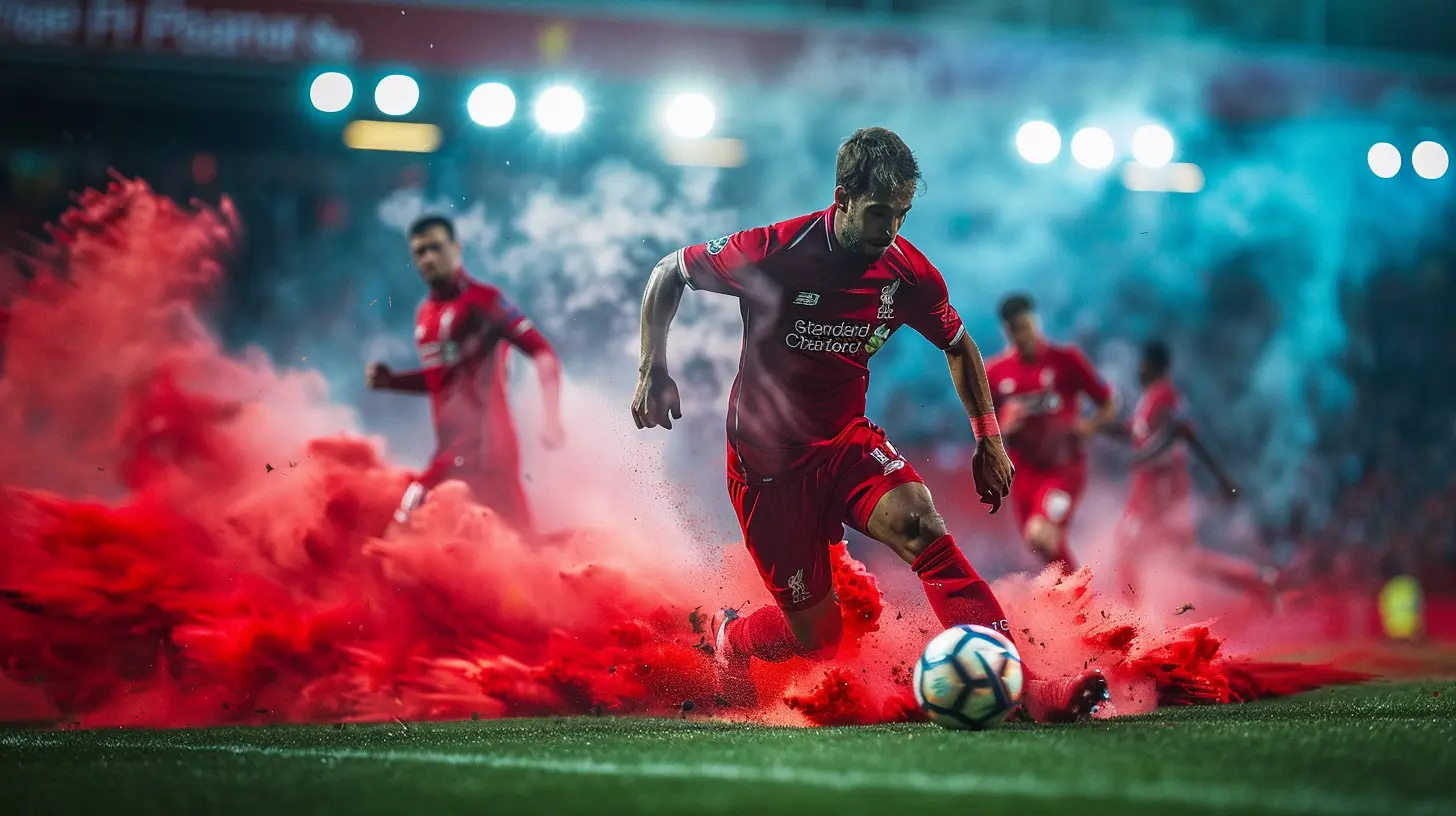
The Pre-Match Setup: Mind Games Begin Early
Before a single ball was kicked, the mind games had already started. Both coaches made surprising squad decisions. One side went in with an untested winger up front, while the other deployed a deep-lying midfielder in an unfamiliar center-back role.Why does that matter? Because it immediately suggested both teams were willing to adapt on the fly. It wasn’t just about Plan A, but also having Plans B, C, and D ready to go.
This game wasn’t going to be played just with cleats—it was going to be played with brains.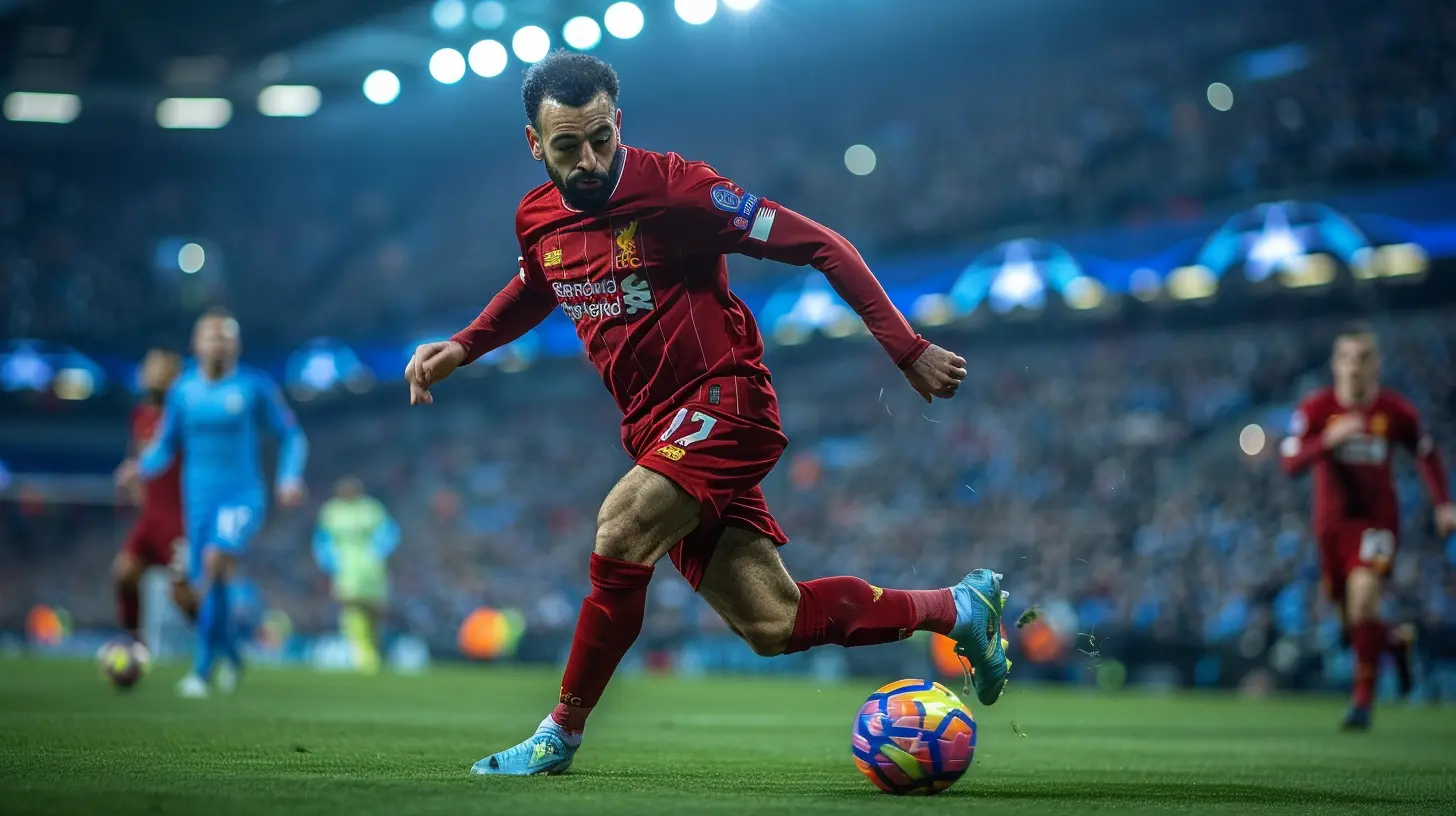
First Half: Tactical Cat-And-Mouse
The first 45 minutes was like watching two heavyweight fighters dance around each other, looking for a weakness.High Press vs. Possession Play
One team came out pressing high, full-throttle from the get-go. You could see their front three pushing up, forcing hurried passes from the backline. It was intense. Meanwhile, the opposition responded with measured possession, using their midfield triangle to pass around the press.So, what was happening here?
The pressing team wanted chaos. They were hoping to catch the opposition making a mistake under pressure. The other team? They craved order—slow build-up, ball control, and wearing down the opponent with patience.
It was a clash of ideologies, and for the first half, neither blinked.
Key Transition Moments
There were about a dozen moments where you thought, “This could be it.” But each time, the transitions were either too slow, or the final ball just didn’t connect.Still, some patterns started to emerge:
- The left-back kept drifting inside, essentially becoming an extra midfielder.
- The right winger hugged the touchline, stretching the defense horizontally.
- A false nine dropped deep, pulling defenders out of position and creating pockets of space.
These weren’t random movements. They were calculated, designed to pull the shape apart, like dismantling a puzzle piece by piece.
Second Half: Tactical Tweaks Change Everything
Halftime came and went, and suddenly—it was like a different match.Substitutions That Shifted the Game
The pressing team made the first big move: taking off a tired midfielder and bringing on a more mobile, aggressive ball-winner. This wasn’t just a like-for-like change—it completely altered their tempo.Meanwhile, the possession-based side introduced a pacey winger. This forced the opposition full-back to sit deeper, effectively pinning him and reducing their attacking width.
From that moment on, the game tilted.
The Midfield Battle Heats Up
Midfield is often the heartbeat of any match, and in this one, it became the battleground.At one point, you could see three players from each side congregating in the center circle—like a showdown in a Western film. Every pass, every touch, had purpose. There was more pressing, quicker transitions, and sharper one-twos.
The team that had been more reserved in the first half now started taking more risks—overlapping fullbacks, underlapping runs, diagonal switches of play. It was beautiful chaos, and the crowd felt it.
Defensive Shape: A Study in Organization
While the attackers were getting the headlines, the real unsung heroes were the defensive lines.Back Four or Back Three?
The formation was fluid. When defending, one team formed a compact back five, with wingbacks dropping deep. In possession, it morphed into a 3-4-3, with wingbacks pushing high and wide.This kind of transformation isn’t easy—it requires discipline, communication, and a deep understanding of roles. But it gave them the flexibility to overload flanks or close down spaces based on the ball's location.
Zonal Marking vs. Man-Marking
Another nugget for the tactically curious: zonal vs. man-marking. One team opted for zonal setups in dead-ball situations, while the other aggressively marked man-to-man, especially during corners. What we saw was a contrast in belief systems—one trusted structure, the other trusted individuals.The result? A beautiful tension every time the ball swung into the box.
Tactical Stars: Who Made It Tick?
While the goal-scorers usually steal the headlines, let’s show some love to the players who made the tactics work.The Inverted Fullback
This player was everywhere—starting wide, drifting centrally, sometimes even leading the press. Inverting the fullback opened new passing lanes and kept the opposition guessing.The Anchor Midfielder
You didn't see him on the scoresheet, but boy, did he control the tempo. Breaking up counters, shielding the backline, and launching attacks—he was the metronome.The False Nine
Operating between the lines, this guy constantly confused the opposing center-backs. Drop deep, draw them out, spin, and release a through ball. Classic textbook stuff.Turning Point: The Tactical Gamble
The game’s defining moment? A brave tactical switch.With 20 minutes left, the possession-dominant team switched to a double pivot and pushed their fullbacks high into the final third. It was a risk—a big one—but it paid off.
Suddenly, they had width, triangles on both flanks, and the ability to cycle possession faster. The pressing team looked rattled, unsure whether to follow their runners or hold shape.
Five minutes later: Goal. You could see it coming from a mile away.
Coaching Brilliance: Decisions That Defined the Game
Let’s give credit where it’s due. Both managers showed tactical maturity, but one made all the right moves at the right time.- Timely subs.
- Tactical flexibility.
- Courage to adapt mid-game.
- Trust in bench players.
Coaches often get flak when things go south. But this one? He played a masterstroke—and it changed everything.
Fan Takeaways: What We Can Learn From This Match
Okay, we’ve nerded out enough. But if you’re wondering what to take away for your next pub chat or fantasy league pick, here’s the deal:- Formation is just a starting point—fluidity is king.
- Midfield dominance still decides games, period.
- Tactical flexibility always beats rigid systems.
- Pressing needs energy AND intelligence.
- And finally, subs aren’t just for tired legs—they’re tactical tools.
Final Thoughts: A Game for the Ages
This wasn’t just a game—it was a tactical blueprint. A reminder that football isn’t just played with feet, but with minds. It’s a sport of constant chess matches, evolving patterns, and brave decisions.Whether you're new to the game or a seasoned analyst, yesterday’s showdown was a gift—one that showed us just how beautiful and brainy football can be.
Can’t wait for the next one, right?
all images in this post were generated using AI tools
Category:
Post Match AnalysisAuthor:

Frankie Bailey
Discussion
rate this article
1 comments
Marni Cox
Yesterday's game showcased some brilliant tactical shifts. The coaching decisions were spot on and really turned the tide. It's exciting to see such strategy play out on the field.
May 28, 2026 at 3:12 AM
Frankie Bailey
I completely agree. The tactical shifts were impressive and highlighted the coach's keen insight. It added a thrilling layer to the match.