How Injury Load Impacts Player Longevity in 2026
21 September 2026
The conversation around athlete durability has changed. Ten years ago, most teams reacted to injuries. Today, the smart ones anticipate them. The shift did not happen because sports science suddenly became fashionable. It happened because the economics of professional sport made it unavoidable. When a franchise commits a nine-figure contract to a single player, every missed game carries a measurable cost. When a national team builds its entire tournament strategy around one or two stars, their availability becomes a strategic asset rather than a medical footnote.
Injury load is the term that now sits at the center of this discussion. It is not simply the number of injuries a player suffers. It is the cumulative physical and psychological stress that training, competition, travel, and recovery impose on the body over time. Understanding how that load accumulates, and how it can be managed, is the difference between a career that lasts fifteen years and one that fades after seven.

What Injury Load Actually Means
The phrase gets used loosely, so it is worth being precise. Injury load has two components that interact constantly.The first is acute load. This is the stress a player experiences in a short window, usually a single session or a single week. Sprinting at maximum speed, changing direction under fatigue, landing from a jump, absorbing a tackle. Acute load is what triggers adaptation when it is dosed correctly and what triggers breakdown when it is not.
The second is chronic load. This is the rolling average of stress over weeks and months. It reflects the player's accumulated exposure and, crucially, their accumulated resilience. A player with a high chronic load has a body that has been progressively hardened to the demands of their sport. A player with a low chronic load is fragile, even if they feel fine.
The relationship between the two is where things get interesting. Sports medicine practitioners often refer to the acute to chronic workload ratio. When acute load spikes far above what the chronic load has prepared the body for, injury risk rises sharply. When acute load drops too far below chronic load, the player detrains and becomes vulnerable when intensity returns. The sweet spot is a gradual, controlled progression that keeps the ratio in a moderate range.
Why does this matter for longevity? Because longevity is not about avoiding all stress. It is about absorbing stress without accumulating damage that never heals.
Why 2026 Is Different
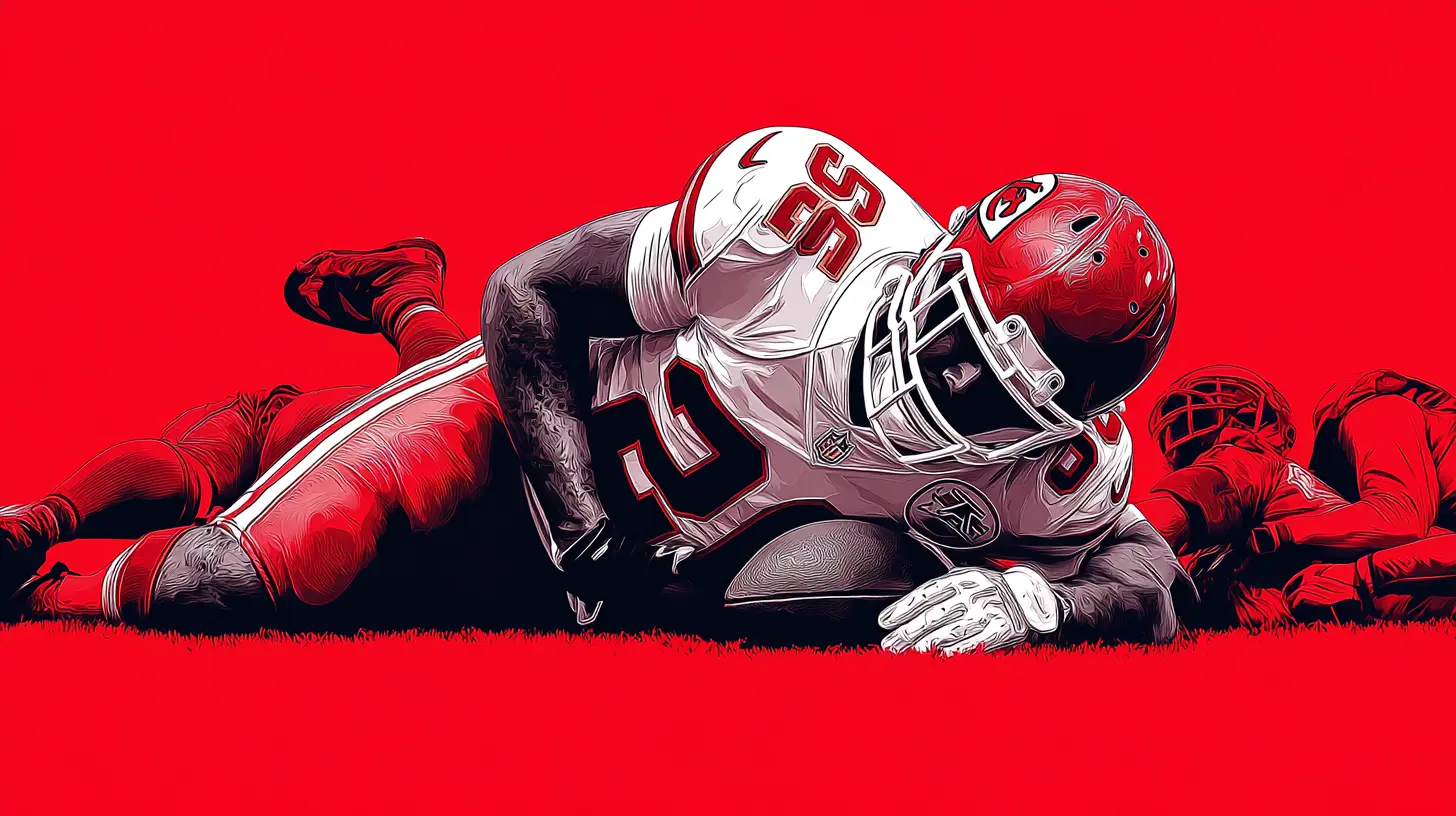
Several forces have converged to make injury load a more pressing concern than it was even five years ago.Competitive calendars have expanded. More matches, more tournaments, more international windows. A top footballer in Europe can now play club fixtures, domestic cup games, continental competitions, and national team matches in a single season with almost no meaningful off-season. Tennis players face a year-round tour that punishes anyone who takes an extended break. Basketball players navigate an 82-game regular season plus playoffs plus international commitments.
At the same time, the physical demands of sport have intensified. Players are faster, stronger, and more explosive than previous generations. That explosiveness comes at a cost. Higher forces through tendons, ligaments, and joints mean that each repetition carries more risk than it did for players thirty years ago.
Then there is the data revolution. Teams now track everything: GPS distance, sprint counts, accelerations, decelerations, heart rate variability, sleep quality, hormonal markers. This abundance of information is a gift and a trap. It is a gift because it allows precise load management. It is a trap because data without interpretation leads to paralysis, or worse, to decisions that look smart on a spreadsheet but fail in practice.
The Mechanics of Accumulation
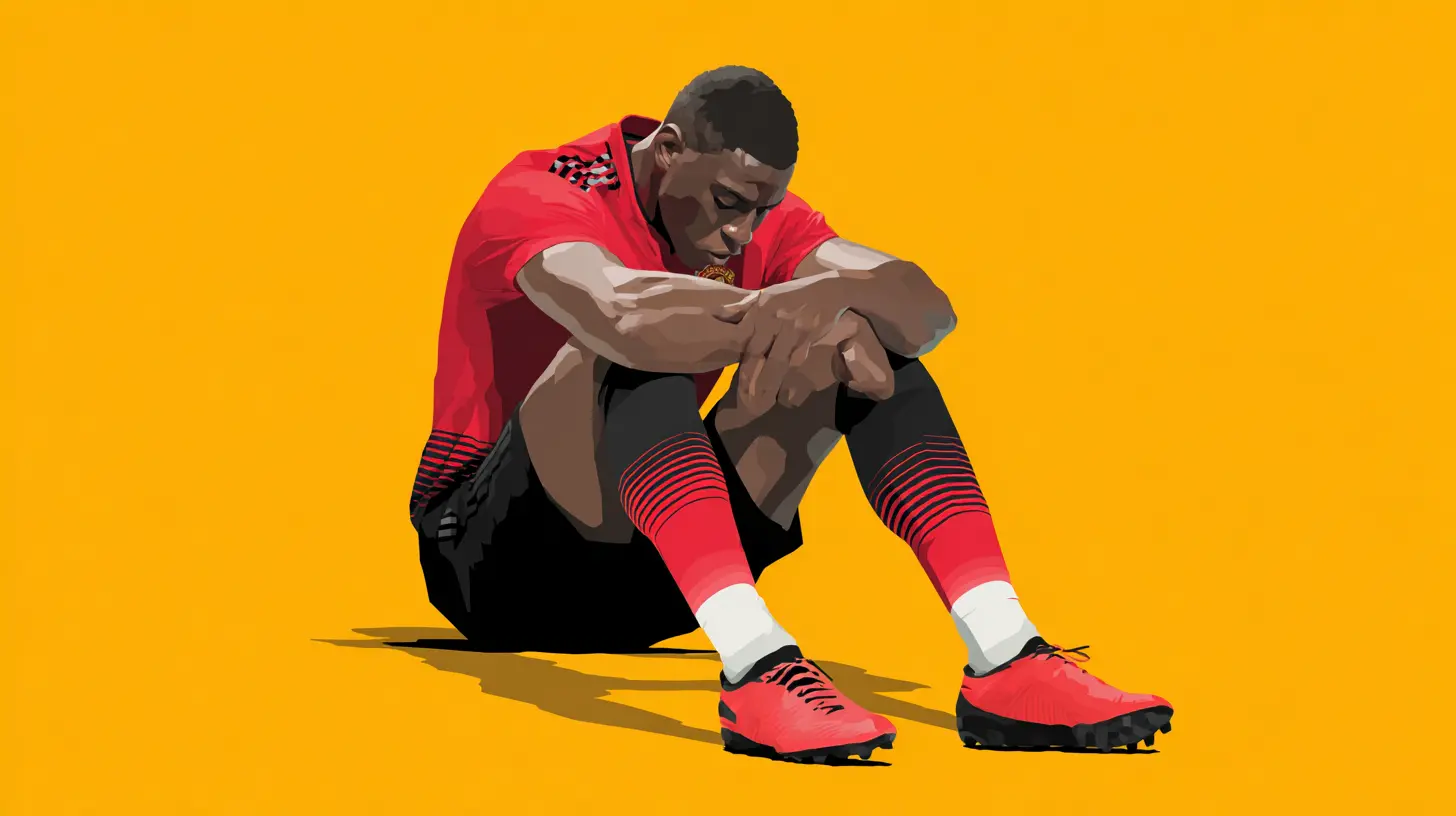
To manage injury load, you have to understand how it builds. Think of the body as a bank account with a peculiar rule: deposits strengthen the account, but only if they are made gradually. Sudden large deposits trigger a freeze.Microdamage is the currency. Every training session creates tiny disruptions in muscle fibers, tendon tissue, and bone. In a healthy system, recovery repairs that damage and leaves the tissue slightly stronger. This is the principle of supercompensation. But recovery takes time, and it takes resources: sleep, nutrition, hydration, psychological calm.
When the rate of damage exceeds the rate of repair, the player enters a deficit. Initially, this shows up as soreness, stiffness, or a drop in performance metrics. Ignore those signals, and the deficit deepens. Eventually, something breaks. It might be a hamstring, an Achilles, a knee ligament, or a stress fracture. The specific injury is often less important than the underlying cause: a body that was asked to do more than it could absorb.
Age changes the equation. A twenty-two-year-old can often tolerate a heavy load and recover overnight. A thirty-two-year-old needs more time, more sleep, and more deliberate recovery strategies. This is not a flaw. It is biology. The mistake many players and coaches make is applying the same load management plan to a veteran as to a rookie, then wondering why the veteran breaks down.
The Longevity Equation
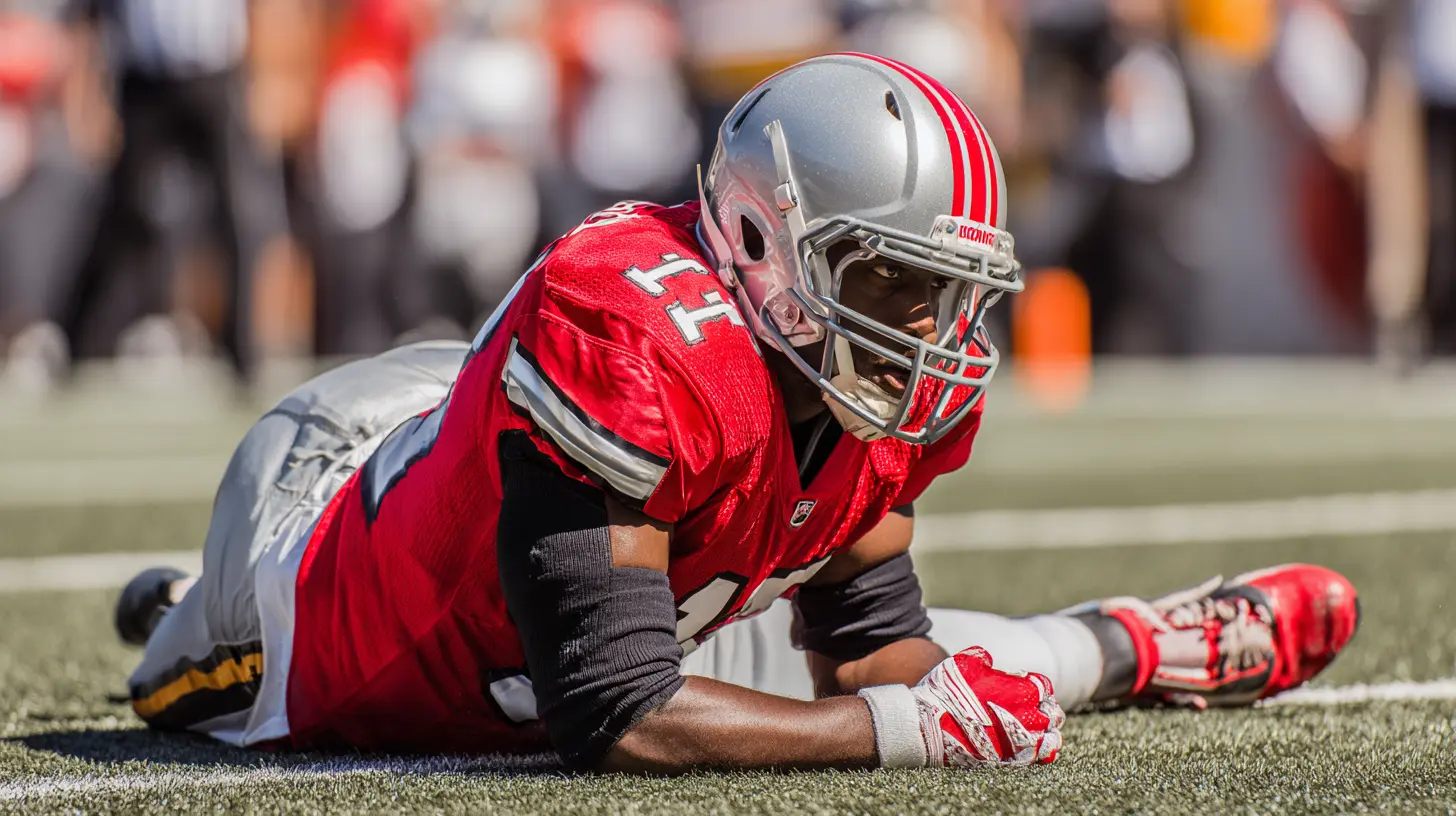
Longevity in sport is not a single variable. It is the product of several factors working together.First, there is tissue quality. Tendons, ligaments, and cartilage have limited blood supply and heal slowly. A player who accumulates scar tissue in these structures is building a fragile foundation. Once a tendon is chronically degraded, it rarely returns to its original state. This is why managing load early in a career matters so much. The damage you prevent at twenty-five is the career you preserve at thirty-five.
Second, there is movement quality. Poor mechanics under fatigue create abnormal stress patterns. A player who loses pelvic control when tired will load their hamstrings and lower back in ways the body was not designed to handle. Load management without movement quality is like tuning a car engine while the tires are bald.
Third, there is psychological load. This is the most neglected factor in the entire conversation. Mental stress affects sleep, hormonal balance, immune function, and pain perception. A player dealing with contract uncertainty, media scrutiny, or personal problems will recover more slowly from the same physical workload. In 2026, the best organizations treat psychological load as a genuine component of injury risk, not a soft add-on.
Fourth, there is the schedule itself. Some sports and some positions carry inherently higher risk. A cricket fast bowler, a rugby forward, and a basketball center all face different mechanical demands. Longevity strategies must be sport-specific and position-specific. Copying a plan from another athlete is a recipe for failure.
Practical Load Management in 2026
So what does effective load management actually look like? It is not a single protocol. It is a philosophy that adapts to the individual.Monitoring That Matters
The best teams in 2026 use a combination of objective and subjective measures. Objective data includes GPS-derived metrics like high-speed running distance and acceleration counts. Subjective data includes how the player feels, how they slept, and whether they are experiencing any niggles.The mistake is relying too heavily on one or the other. A player can have perfect GPS numbers and still be at risk because they slept four hours and are dealing with a family crisis. Conversely, a player can report feeling great while their sprint data shows a sharp spike that their body is not prepared for.
The practical approach is to track a small number of reliable indicators and watch for trends, not single-day anomalies. A spike in acute load combined with a drop in sleep quality and a rise in perceived soreness is a clear signal to back off. A single bad night of sleep is not.
The Role of Strength Training
Strength training is often framed as performance work, but its role in injury prevention is arguably more important. A stronger muscle can absorb more load before reaching its failure point. A stronger tendon tolerates more repetitive stress. A stronger core protects the spine during unpredictable movements.The key is that strength training itself is a load. Adding heavy lifting on top of a congested match schedule can push a player over the edge. The art is in periodizing strength work so that it builds capacity during off-season and maintenance phases without adding excessive fatigue during competition.
Eccentric training deserves special mention. Exercises that emphasize the lengthening phase of a muscle contraction, such as Nordic hamstring curls or controlled lowering movements, have shown promise in reducing certain muscle strain injuries. They work because they specifically target the mechanism by which many injuries occur. But they are demanding, and they must be introduced gradually.
Recovery as Training
Recovery is not passive. It is an active part of the training plan. Sleep is the single most powerful recovery tool available, and it is free. Yet many athletes treat sleep as negotiable. They stay up late, they travel across time zones, they stare at screens before bed. In 2026, the organizations that take longevity seriously treat sleep as a non-negotiable performance variable.Nutrition matters too. Adequate protein supports tissue repair. Adequate carbohydrates fuel high-intensity work and support immune function. Micronutrients like vitamin D, iron, and calcium play specific roles in bone and muscle health. A player who is chronically under-fueled will accumulate damage faster, regardless of how well their training load is managed.
Common Mistakes and Misconceptions
Several myths persist around injury load, and they cost careers.One myth is that rest is always the answer. Rest has a role, especially after acute injury. But extended rest without progressive loading leads to detraining. The body adapts to what it is asked to do. Ask it to do nothing, and it becomes capable of nothing. The goal after most injuries is not rest but intelligent, progressive reloading.
Another myth is that pain is a reliable guide. Pain is a signal, but it is not a precise one. Some serious injuries produce little pain until they are advanced. Some minor issues produce a lot. Players who ignore pain entirely are reckless. Players who stop at every twinge never build the resilience they need.
A third myth is that load management is only for stars. In reality, squad players and young athletes often face the highest risk. They may be asked to step in at short notice, play at unfamiliar intensity, or train harder to earn their place. Their chronic load may be lower, making them more vulnerable to spikes.
A fourth myth is that technology solves everything. Wearables and analytics are tools. They do not replace clinical judgment, coaching intuition, or the player's own awareness of their body. The best decisions come from combining all three.
Trade-Offs and Tough Decisions
Every load management decision involves a trade-off.Play the star player in a crucial match, and you increase the risk of injury. Rest them, and you may lose the match. There is no formula that eliminates this tension. What good organizations do is make the trade-off explicit. They ask: what is the actual risk here, what is the actual reward, and what are the alternatives?
Sometimes the answer is to play the player but reduce their training load during the week. Sometimes it is to limit their minutes. Sometimes it is to accept the risk because the match matters more than the marginal injury probability. The key is that the decision is conscious, documented, and reviewed.
Another trade-off involves early specialization in youth sport. Young athletes who focus on one sport year-round may develop sport-specific skills faster, but they also accumulate repetitive stress on the same tissues without the cross-training benefits of varied movement. Many practitioners now recommend delaying specialization and encouraging multi-sport participation through adolescence. The evidence is not uniform, but the logic is sound: diverse movement builds a more resilient body.
What Good Looks Like
A well-managed player in 2026 has several characteristics.Their training load progresses gradually, with planned spikes and planned deloads. They sleep well and consistently. They eat enough to support their training. They do strength work that targets their specific vulnerabilities. They communicate honestly with their medical and coaching staff. They understand their own body's signals and know when to push and when to pull back.
Their team has a clear plan. Load data is collected, interpreted, and acted upon. Communication between coaches, medical staff, and players is frequent and honest. Decisions are made with the player's long-term career in mind, not just the next match.
This is not utopia. It is what the best organizations already do. The gap between the best and the rest is often not resources but culture. A team that treats players as assets to be used will burn through them. A team that treats players as people with careers to protect will get more from them over time.
Looking Ahead
The science of injury load will keep evolving. Wearable technology will become more sophisticated. Genetic and biomarker profiling may eventually allow more personalized risk assessment. Artificial intelligence may help identify patterns that humans miss.But the fundamentals will not change. The body adapts to stress when that stress is dosed correctly and recovery is adequate. It breaks down when stress outpaces recovery. Longevity comes from respecting that balance over years, not weeks.
For players, the message is simple: your career is a marathon, not a sprint. The decisions you make today about how you train, how you rest, and how you listen to your body will determine how long you play and how well you play. For coaches and organizations, the message is equally clear: managing injury load is not a luxury. It is the foundation of sustainable success.
The players who last are not always the most talented. They are often the most durable. And durability, in 2026, is something we can build rather than simply hope for.
all images in this post were generated using AI tools
Category:
Injury UpdatesAuthor:

Frankie Bailey