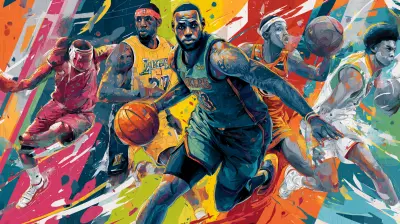
Lessons Learned from the 2026 Championship Runs
2 September 2026
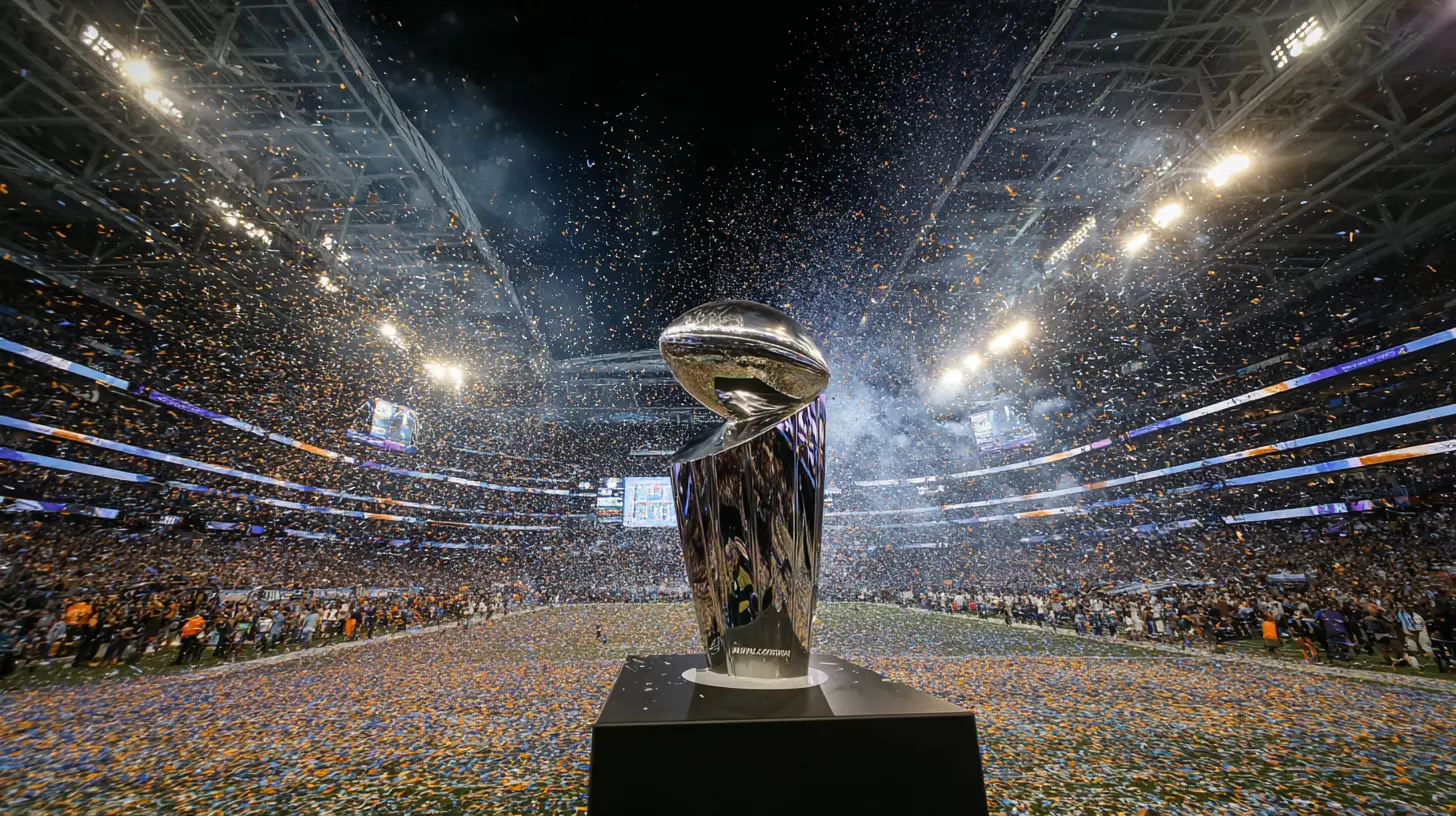
The 2026 championship season has come and gone, leaving behind a trail of confetti, broken records, and plenty of hard truths. Every title run tells a story, but the most valuable parts of those stories are often the quiet lessons that get buried under the highlight reels. For coaches, players, and front office staff, the difference between a championship and a collapse is rarely talent alone. It is preparation, adaptability, and the willingness to make uncomfortable decisions long before the spotlight arrives.
This article breaks down the key takeaways from the 2026 title races across the major sports. We will look at what worked, what failed, and what any competitive organization can apply to its own pursuit of excellence. Some of these lessons are tactical. Others are philosophical. All of them matter.
The Myth of the Perfect Roster
Every season, fans and analysts obsess over roster construction. The 2026 champions proved that a perfect roster does not exist. What exists is a roster that fits a specific system at a specific time. The teams that lifted trophies this year did not have the best player at every position. They had the right players for the way they wanted to play.Consider the basketball champions. They did not win because they had three superstars. They won because their role players understood exactly what was expected of them. The third guard knew he was there to pressure the ball and hit corner threes. The backup big knew his job was to set screens and rebound. No one was freelancing. That clarity is rare, and it is worth more than raw talent.
The same pattern showed up on the ice. The Stanley Cup winner had a defensive corps that was solid but not spectacular on paper. What they had was a system that protected the middle of the ice and a goaltender who was allowed to be average in October so he could be exceptional in June. The front office resisted the temptation to chase a big name at the trade deadline. That restraint was the real championship move.
The lesson here is simple. Stop trying to build a team of highlights. Build a team of roles. Ask what each player must do for the group to succeed, then find players who can do those things consistently. A roster full of stars who all want the same touches will always lose to a group of role players who embrace their jobs.
Depth Is Not Just a Bench
Everyone talks about depth, but most people misunderstand it. Depth is not having twelve guys who can play ten minutes a night. Depth is having three guys who can step into a starting role without the team losing its identity.The 2026 baseball champions showed this better than anyone. They lost their starting shortstop for six weeks in August. Most teams would have panicked. They promoted a kid from Triple-A who was not on any top prospect list. He did not hit like the starter. But he played elite defense and took professional at bats. The team kept winning because the style of play did not change. The name on the lineup card changed. The approach did not.
That is the real test of organizational depth. It is not about having more good players. It is about having players who understand the system and can execute it under pressure. This requires a development pipeline that teaches more than skills. It teaches process. Minor league coaches need to run the same defensive shifts, the same pitch sequences, the same base running rules as the big league club. If the system changes from level to level, you are not developing depth. You are developing confusion.
Front offices should ask themselves one question. If the starting quarterback, point guard, or ace pitcher goes down tomorrow, does the backup know exactly what to do, or does he just know how to play his position? If the answer is the latter, the depth is an illusion.
The Cost of Momentum
Momentum is real, but it is also fragile. The 2026 playoffs saw several teams ride hot streaks into the early rounds, only to run out of gas when it mattered most. The teams that won understood that momentum is a byproduct of execution, not a cause of it.A hockey team won the first two rounds in five games each. They looked unstoppable. Then they hit a team that slowed the game down and forced them into a half-court style they did not want to play. Suddenly, the momentum was gone. They lost three straight and were one period away from elimination before they adjusted. They survived, but only because they recognized that their early success had masked a structural weakness.
The lesson is to never confuse results with process. Winning ugly is still winning, but it does not mean you are playing well. The best teams in 2026 were the ones that could win in multiple styles. They could run, and they could grind. They could press, and they could pack it in. This versatility is what separates champions from pretenders.
If your team only wins when the game goes your way, you are not a contender. You are a front runner. The playoffs will eventually force you into a game you do not want to play. The question is whether you have practiced that game enough to win it.
Coaching Adjustments Matter More Than Game Plans
Game plans are overrated. Adjustments are underrated. The 2026 champions were not the teams with the best opening scripts. They were the teams that made the best in-game changes.Look at the basketball finals. The losing coach stuck with a switching defense for three games even though the opponent exploited it every time down the floor. By the time he adjusted, the series was nearly over. The winning coach, on the other hand, changed his defensive coverage after the first quarter of game one. He saw that his big man was getting pulled to the perimeter, so he went to a drop coverage that protected the paint. That one adjustment changed the entire series.
Coaches need to be honest with themselves. Are you making adjustments because they are correct, or because they are comfortable? The best coaches in 2026 were the ones willing to abandon their pet schemes in the middle of a game. They understood that the opponent would eventually figure out what you are doing. The question is whether you have a counter ready.
This requires a bench full of assistants who are watching the game, not just cheering. The best staffs have one person dedicated to tracking the opponent's tendencies. They know that the opponent runs a certain action out of a timeout. They know that a certain player always goes left in the post. That information is useless if the head coach does not use it. The 2026 champions used it. The losers did not.
The Role of Luck and Variance
It is uncomfortable to talk about luck, but it is necessary. Every championship run involves some degree of good fortune. A key injury to the opponent. A bounce off the stanchion. A call that could have gone either way. The 2026 season had plenty of these moments.The soccer champions won their semifinal on penalty kicks. The goalkeeper guessed right on three shots. That is not skill. That is educated guessing. But the team put itself in a position to benefit from that luck by playing well enough to force the shootout. That is the real lesson. You cannot control luck, but you can control the margin for error.
Teams that rely on being the better team on paper are vulnerable. The better team does not always win in a single game or a short series. The 2026 champions understood this. They did not try to be the best team. They tried to be the most resilient team. They wanted to be in every game until the final minutes, because they knew that if they were close, luck would eventually break their way.
This is a hard lesson for fans and executives who want certainty. There is no certainty in sports. There is only probability. The goal is to increase the probability of winning by every possible margin, then accept that the outcome is out of your hands. The teams that internalize this are calmer in the big moments. The teams that fight it are tight, and tight teams lose.
Managing the Emotional Toll
The mental side of a championship run is often ignored until someone cracks. The 2026 season had multiple examples of teams that looked unbeatable in the regular season but fell apart in the playoffs. In every case, the collapse was mental, not physical.One baseball team lost four straight games to blow a 3-1 series lead. They did not lose because they stopped hitting. They lost because they started pressing. Every at bat was a crisis. Every pitch was a life or death situation. The players were so afraid of losing that they could not play the game that got them there.
The champions, by contrast, talked openly about managing anxiety. Their veteran players spoke about breathing exercises and staying in the present moment. It sounds like cliche, but it works. The teams that have a structured mental performance program have a real advantage. They have someone to talk to when the pressure builds. They have techniques to reset between innings, periods, or quarters.
If your organization does not have a dedicated mental skills coach, you are behind. This is not a luxury. It is a necessity. The physical preparation is the same for every team. The mental preparation is what separates the ones who finish from the ones who fold.
The Danger of Complacency
Winning a championship is hard. Defending it is harder. The 2026 season was notable for how many defending champions fell flat. They did not lose because they got worse. They lost because they got comfortable.The problem is subtle. The hunger that drove them the year before is replaced by a sense of entitlement. The offseason workouts get a little shorter. The film sessions get a little less intense. The players start believing that they will win because they won before. That belief is poison.
The teams that avoided this trap in 2026 did one thing differently. They changed something. They added a new offensive set. They changed their defensive philosophy. They brought in a veteran who had never won and was desperate to win. They did not allow the team to feel like the same team from last year.
Sameness breeds complacency. The organization that stays static is already declining. The front office needs to be willing to make unpopular moves, even after a title. Trading a beloved player who is declining is better than keeping him out of loyalty. The 2026 champions were not sentimental. They were intentional.
Building for the Long Term vs. Going All In
Every franchise faces the same question. Do we go all in for this year, or do we build for a five year window? The 2026 season provided examples of both approaches working, and both approaches failing.One football team traded three future draft picks for a veteran quarterback. They won the Super Bowl. The trade was worth it. Another team made the same kind of trade and lost in the first round. Their window is now closed, and they have no picks to rebuild. The difference was not the philosophy. It was the accuracy of the evaluation.
Going all in is not wrong. It is wrong when you go all in on the wrong player. The front office that is honest about its own roster has a better chance of making the right call. If you are one piece away, trade the picks. If you are five pieces away, do not trade the picks. The mistake is convincing yourself that you are one piece away when you are not.
The best practice is to define a championship window in writing. What is the realistic best case for this roster over the next three years? If the answer is that you can win one title, then act accordingly. If the answer is that you can win two or three, then be more patient. The teams that fail are the ones that refuse to answer the question at all.
The Importance of Health and Load Management
The 2026 champions were not the healthiest teams. They were the teams that managed health the best. This is a subtle but important distinction.A basketball team rested its star player for fifteen games during the regular season. The media criticized the decision. The team lost home court advantage. But the star was fresh in the playoffs and averaged forty minutes a night without breaking down. The team won the title. The critics were silent.
The lesson is that the goal is not to win the regular season. The goal is to be at your best in June, July, or February, depending on the sport. This requires a long term view that is often unpopular with fans who pay full price for tickets in January. But the organization that prioritizes the playoffs over the regular season is making the correct calculation.
The counter argument is that rhythm matters. Too much rest can make a team rusty. The 2026 champions found a balance. They rested players strategically, not excessively. They kept the core group playing together enough to maintain chemistry. The teams that sat everyone for three weeks before the playoffs looked disjointed. The teams that played everyone every night looked exhausted. The sweet spot was somewhere in between.
Special Teams and Small Margins
In close games, the difference is often the third phase. Special teams in football, the power play in hockey, the bullpen in baseball. The 2026 champions were elite in these areas. The losers were not.The football champions won three playoff games by a combined total of eleven points. In every game, their special teams made a play that changed the outcome. A blocked punt. A long return. A perfect onside kick. These plays are not accidents. They are the result of obsessive preparation.
Special teams are where coaching matters most because the players are often backups and young players. The coach who can develop a reliable punt block scheme has an advantage that has nothing to do with star power. The 2026 champions treated special teams as a priority, not an afterthought. They spent as much time on kickoff coverage as they did on third down offense.
Every team should look at its own "third phase" and ask if it is being neglected. In hockey, that is faceoffs and penalty kill. In basketball, that is offensive rebounding and transition defense. In baseball, that is base running and defensive shifts. The margins are small, but they are the margins that decide championships.
The Value of Veteran Leadership
Roster construction often focuses on talent and age. The 2026 champions reminded everyone that veteran leadership is a skill, not a sentiment. The teams that won had players who had been through the fire before.A hockey team signed a 36 year old defenseman who could barely skate anymore. He played ten minutes a night and was a liability at even strength. But he was the voice in the locker room when the team lost three straight. He knew what to say. He had been there. His presence calmed the younger players who were panicking.
The mistake is confusing leadership with performance. A veteran who cannot play is not a leader. He is a liability. The 2026 champions found veterans who could still contribute on the ice, court, or field, while also providing the emotional stability that younger players lack. That is a rare combination.
Front offices should look for veterans who are still productive but are also willing to mentor. The best example is a player who accepts a reduced role without complaint. That selflessness is contagious. The team that has a few players like that is hard to beat.
Common Mistakes That Killed Contenders
Several teams in 2026 had the talent to win but made predictable mistakes. The first was overreacting to a single game. A team would lose a bad game and then make sweeping changes to the lineup or rotation. This destroyed continuity.The second mistake was ignoring analytics in favor of "feel". The teams that lost often went with the veteran player because he had "been there before", even when the data said the young player was better. The champions used data to inform their decisions, not to replace their judgment.
The third mistake was failing to adjust to the opponent's adjustments. Every series is a chess match. The team that wins game one often loses game two because the opponent changes something. The team that wins the series is the one that can keep adjusting. The teams that ran out of ideas lost.
The fourth mistake was playing not to lose. When a team gets a lead, the natural instinct is to become conservative. This almost always backfires. The 2026 champions played to win until the final whistle. They did not take their foot off the gas. The teams that tried to protect a lead with prevent defense or passive offense gave the opponent life.
What the 2026 Season Means for the Future
The 2026 championship runs have changed the way smart organizations think about building a winner. The old model of collecting stars and hoping for the best is dead. The new model is about fit, depth, and adaptability.The teams that win going forward will be the ones that have a clear identity and the courage to stick with it. They will not chase every shiny free agent. They will not fire coaches after one bad season. They will build a system, develop players who fit that system, and make adjustments when the system stops working.
Individual brilliance will always matter. There will always be a player who can take over a game by himself. But the 2026 season proved that individual brilliance is not enough. The champions had the best players, the best system, and the best luck. They also had the best preparation and the best mental approach.
The lesson for every fan, coach, and executive is to stop looking for shortcuts. There are none. The only path to a championship is a long, boring, consistent process of doing the right things over and over again. The 2026 champions did that. Everyone else is still trying to figure out why they did not.
all images in this post were generated using AI tools
Category:
Season RecapsAuthor:

Frankie Bailey
Discussion
rate this article
1 comments
Sofia McIntire
The 2026 Championship Runs showcased resilience and strategy, highlighting the importance of adaptability in high-pressure situations. Teams that thrived embraced a balanced approach, blending experience with youth. As we reflect, it becomes clear that strong leadership and a cohesive team culture are essential for success in any championship pursuit.
September 2, 2026 at 10:51 AM
Frankie Bailey
Absolutely, the blend of experience and youth really stood out. Adaptability and strong leadership were crucial, shaping how teams navigated challenges. These lessons will serve as a blueprint for future success.