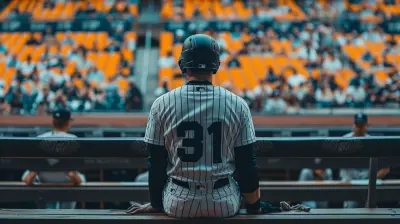
How Game Management in the Final Minutes Secured the Victory
20 December 2025
When it comes to sports, there’s nothing quite as exhilarating as those final minutes in a close game. Whether it's basketball, football, soccer, or any other sport, the closing moments often determine the outcome. The tension is high, the crowd is on their feet, and every decision matters. How many times have we seen a team manage the clock perfectly, make smart plays, and walk away victorious? It's not always about who has the better players; sometimes, it’s about who manages the game better when the clock is winding down.
In this article, we’re diving deep into game management in those crucial final minutes. What does it take for a team to secure the win when the pressure is at its peak? Let’s dissect the strategies, decisions, and mindset required to clinch victory in the dying moments of a contest.

Understanding Game Management
Game management is a broad concept, but in simple terms, it refers to the decisions and strategies a team employs to control the flow of a game, especially during critical moments. In the final minutes, game management can make or break a team’s chances of winning. Coaches, players, and even the crowd play a role in how these moments unfold.But what exactly does game management involve? At its core, it’s about making the right decisions—whether it’s when to take a shot, when to foul, or how to use timeouts effectively. It’s about controlling the pace, maintaining composure, and maximizing opportunities while minimizing mistakes.
Why the Final Minutes Are So Important
The last few minutes of a close game are a different beast. The stakes are higher, and every second seems to stretch into an eternity. This is where mental toughness, experience, and preparation come into play. The pressure on players and coaches is immense, and any misstep can lead to a loss.During these final minutes, every possession counts. A bad pass, a rushed shot, or a missed free throw can swing the game in the opponent’s favor. On the flip side, a well-executed play, a perfectly timed timeout, or a crucial defensive stop can secure the win. This is why game management is so critical when the game is on the line.

Key Elements of Game Management in the Final Minutes
So, what exactly do teams need to focus on during those final, nerve-wracking moments of the game? Let’s break down the key elements that can contribute to a well-managed finish.1. Clock Management
Time is the most valuable resource in the final minutes of a game. Teams that understand how to manage the clock effectively have a significant advantage. The goal is simple: maximize your scoring opportunities while minimizing your opponent’s chances.In sports like basketball or football, teams often slow down their pace when they have a lead, trying to run out the clock. But there’s a balance to be struck. You don’t want to play so conservatively that you lose momentum or rhythm. On the flip side, if you’re trailing, every second counts. Teams will often play more aggressively, trying to stop the clock with fouls or quick plays in an attempt to inch their way back into the game.
Have you ever noticed how certain teams seem to have an almost surgical approach to clock management? It’s no accident. They’ve practiced these scenarios over and over again, and they know exactly how to squeeze out every last second to their advantage.
2. Timeout Usage
Timeouts are like lifelines in the final minutes of a game. They give teams a chance to regroup, adjust their strategy, and catch their breath. But here’s the thing: not all timeouts are created equal. Using them too early or too late can be disastrous.The best teams understand when to call a timeout and, more importantly, how to use it. Are they drawing up a specific play? Are they shifting their defensive scheme? Or are they simply giving their players a moment to calm down and refocus? Whatever the reason, timeouts can be game-changers.
Coaches often save their timeouts for the final moments, knowing that they might need them to set up a last-second play or prevent a turnover. It’s a bit like a chess match – you want to make sure you have the right pieces in place when the game is on the line.
3. Composure Under Pressure
It’s one thing to have a strategy, but it’s another thing entirely to execute that strategy under pressure. The final minutes of a game are when nerves are at their highest. Players are tired, the crowd is roaring, and the clock is ticking down. This is where composure becomes crucial.It’s easy to get caught up in the moment and make a mistake. A rushed shot, an errant pass, or even a mental lapse can cost a team the game. The best players are the ones who remain calm, focused, and in control, even when everything around them is chaotic.
Think about some of the greats—Michael Jordan, Tom Brady, Lionel Messi. What do they all have in common? They thrive in high-pressure situations. They don’t just survive in the final minutes; they excel. This level of composure is what separates good players from great ones.
4. Strategic Fouling
Fouling is often viewed negatively in sports, but in the final minutes of a game, it can be a strategic tool. Teams that are behind will often foul to stop the clock and force their opponents to make free throws or give up possession.However, there’s an art to fouling. You don’t want to commit fouls recklessly. The goal is to send the opponent to the free-throw line or disrupt their rhythm without putting yourself in a position to give up easy points. It’s a calculated risk, and teams that execute it well can extend the game and give themselves a chance to win.
On the flip side, teams with the lead need to be smart about avoiding unnecessary fouls. Giving your opponent free points is the last thing you want to do in the final minutes.
5. Player Rotations and Substitutions
The final minutes of a game often see a flurry of substitutions as coaches try to get the right players on the court or field. Some players are better suited for these pressure-packed moments—whether it’s a clutch shooter, a lockdown defender, or a seasoned veteran with ice in their veins.Managing player rotations is critical in these moments. Coaches need to balance keeping their best players on the floor while ensuring they’re not too fatigued to perform. A fresh player with the right skill set can be the difference between winning and losing.
Substitutions also play a role in matchups. Coaches will often substitute players based on the opponent’s lineup, trying to exploit mismatches or neutralize a particular threat. It’s a game within the game, and making the right substitution at the right time can be the key to victory.
6. Executing Set Plays
When the game is on the line, and the clock is ticking down, teams often turn to set plays. These are pre-designed plays that are practiced over and over again, specifically for these high-pressure situations. Whether it’s a last-second shot in basketball or a two-minute drill in football, executing set plays to perfection is critical.This is where preparation meets execution. Teams that have practiced these scenarios relentlessly are more likely to succeed. It’s not just about drawing up the right play; it’s about every player knowing their role and executing it flawlessly.
A well-executed set play can lead to a game-winning shot or touchdown, while a poorly executed one can result in a turnover or missed opportunity.

Real-Life Examples of Game Management Securing Victories
We’ve talked about the theory of game management, but let’s look at some real-life examples where game management in the final minutes made all the difference.Ray Allen’s Game 6 Three-Pointer (2013 NBA Finals)
One of the most iconic examples of game management in recent sports history is Ray Allen’s clutch three-pointer in Game 6 of the 2013 NBA Finals. The Miami Heat were trailing the San Antonio Spurs, and it looked like the Spurs were about to clinch the championship. But in the final seconds, perfect clock management, strategic rebounding, and a well-executed play gave Allen the opportunity to bury a game-tying three-pointer. The Heat went on to win in overtime and eventually took the series in Game 7.Tom Brady’s Super Bowl Comeback (Super Bowl LI)
Tom Brady is known for his composure in the final minutes of games, and his performance in Super Bowl LI was the stuff of legends. Down 28-3 in the third quarter, Brady and the Patriots methodically chipped away at the Atlanta Falcons' lead. Through impeccable clock management, timely timeouts, and flawless execution of set plays, Brady led the Patriots to an overtime victory, cementing his place as one of the greatest of all time.
Conclusion
In the world of sports, the final minutes of a game are where legends are made. Game management in these crucial moments is an art form, requiring a combination of strategy, composure, and execution. It’s about understanding the clock, using timeouts wisely, staying calm under pressure, and making smart decisions. Teams that excel in these areas often find themselves on the winning side when the final buzzer sounds.So, the next time you’re watching a close game, pay attention to the details. How are the teams managing the clock? Are they using their timeouts effectively? Are the players staying composed, or are they crumbling under pressure? These are the factors that determine the outcome, and they’re what make sports so thrilling.
all images in this post were generated using AI tools
Category:
Game AnalysisAuthor:

Frankie Bailey
Discussion
rate this article
2 comments
Dominic McCaw
Great article! You highlighted the critical role of game management in those final moments, showcasing how strategic decisions can turn the tide of a match. It’s fascinating to see how composure and tactical awareness can lead to victory. Looking forward to more insights on game strategies in future posts!
February 12, 2026 at 11:49 AM
Frankie Bailey
Thank you for your thoughtful comment! I'm glad you enjoyed the article and found the insights on game management valuable. Stay tuned for more on strategic decision-making in future posts!
Marni West
Masterful time control turned tension into triumph; winners know how to play the clock.
December 23, 2025 at 1:25 PM
Frankie Bailey
Thank you! Effective time management truly can be the key to victory, showcasing the importance of strategy under pressure.