Exploring the World of Amateur Wrestling Tournaments
24 December 2025
Wrestling has been around for centuries, shaping warriors, athletes, and champions alike. While professional wrestling gets most of the limelight, the world of amateur wrestling tournaments is a whole different ballgame—filled with intensity, discipline, and raw passion.
But what makes amateur wrestling so special? Why do so many young athletes step onto the mat, ready to grapple with everything they’ve got?
Let’s dive deep into the thrilling world of amateur wrestling tournaments, the blood, sweat, and strategy behind it, and why this sport continues to captivate athletes and fans alike. 
The Essence of Amateur Wrestling
Amateur wrestling isn't about flashy entertainment or scripted drama—it’s pure, unfiltered combat. Two competitors. One mat. Three periods. No gimmicks, no distractions—just skill, strategy, and strength.The sport primarily exists in two international styles:
- Freestyle Wrestling – Allows wrestlers to use their entire body for offense and defense, making it dynamic and fast-paced.
- Greco-Roman Wrestling – Focuses only on upper-body techniques, emphasizing throws and powerful maneuvers.
But if you’ve wrestled in high school or college, you’re likely familiar with folkstyle wrestling, a uniquely American style that emphasizes control and pinning.
Now, let’s get into what truly makes amateur wrestling tournaments such an electrifying spectacle. 
The Structure of Amateur Wrestling Tournaments
Wrestlers don’t just walk into a tournament and brawl it out—there’s a method to the madness. Here’s how most amateur tournaments are structured:1. Weight Classes Matter
Wrestling is a sport of strategy and fairness, which is why competitors are divided into different weight classes. This ensures no unfair size advantages while making sure matches are competitive.Each governing body sets its own weight class standards, whether it’s high school, college, or international events like the Olympics.
2. Brackets & Seeding
Amateur wrestling tournaments use a bracket system, typically single-elimination or double-elimination:- Single-Elimination – Lose once? You're out. Brutal, right?
- Double-Elimination – You get a second chance in a consolation bracket, which gives wrestlers another shot at placing in the top ranks.
Seeded wrestlers (the ones ranked highest based on past performances) usually get more favorable matchups, but don’t be fooled—underdogs can and do pull off shocking upsets!
3. Match Rules & Scoring
Matches follow a structured set of rules, and scoring is precise:- Takedown (2-4 Points) – Taking the opponent from standing to the mat with control.
- Escape (1 Point) – Breaking away from an opponent’s hold and returning to a neutral stance.
- Reversal (2 Points) – Flipping the script; a wrestler escapes and immediately gains control of their opponent.
- Near Fall (2-4 Points) – When a wrestler nearly pins their opponent.
- Pin (Victory) – Holding an opponent’s shoulders on the mat for a designated period, securing an instant win.
With such technical intricacies, even the smallest move can make or break a match! 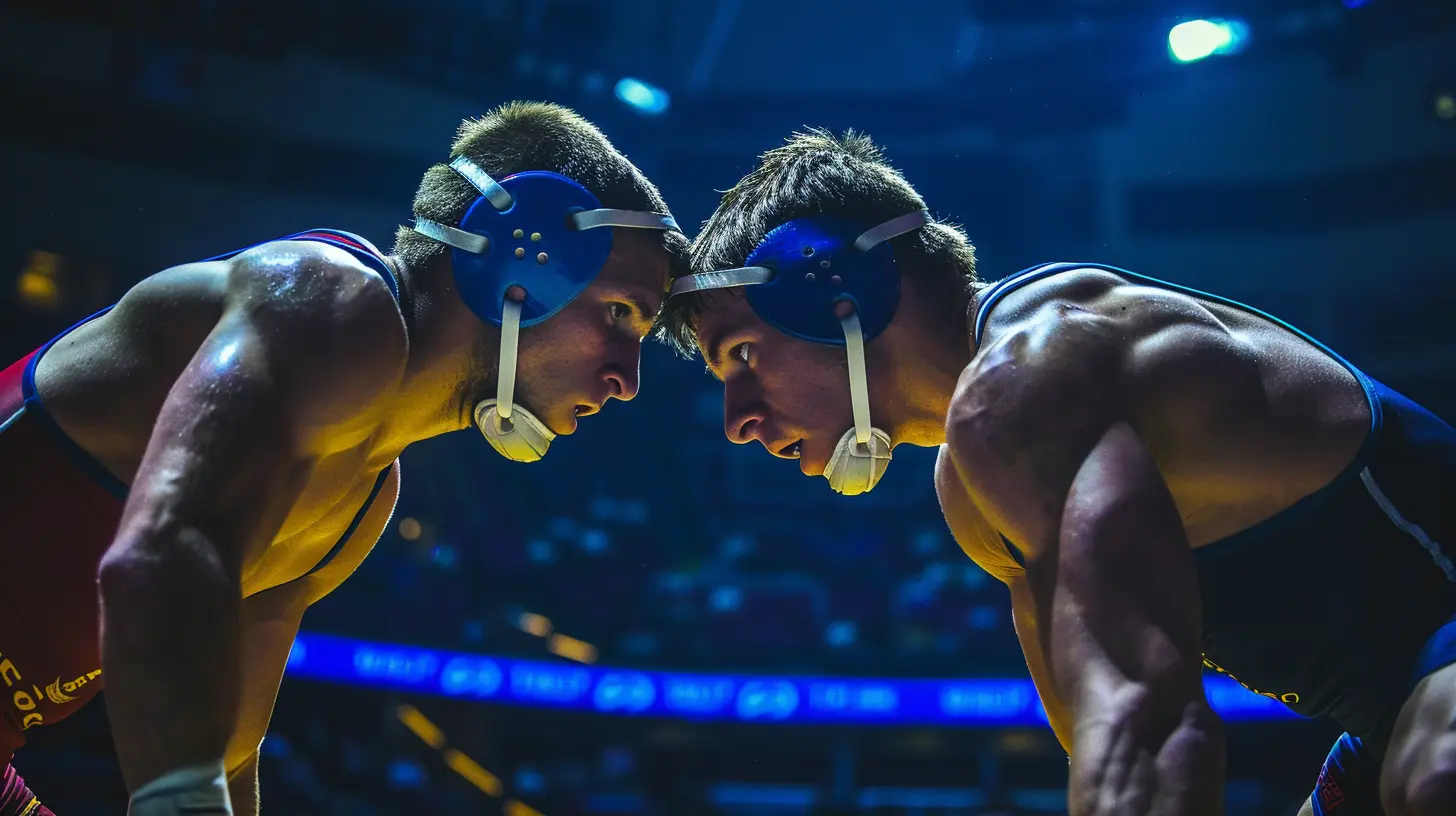
The Grit and Grind: Life as an Amateur Wrestler
Wrestling isn’t just a sport—it’s a lifestyle. The preparation for a tournament can be just as brutal as the matches themselves.1. Training Like a Warrior
Wrestlers endure grueling conditioning routines. Hours of drilling takedowns, cardio workouts that push them to their limits, and strength training to maximize power. It’s not just about being strong—it’s about being explosively strong while maintaining endurance.2. The Mental Battle
Wrestling is as much a mental game as it is physical. Confidence, focus, and strategic thinking are crucial. You can be the strongest wrestler on the mat, but if you hesitate or overthink, you’re toast.3. The Weight Cut Struggle
This is probably the most infamous part of amateur wrestling. Many wrestlers cut weight to compete in a lower weight class, believing they’ll have a strength advantage. Some do it smartly with diet and hydration strategies, while others push their bodies to dangerous extremes.Weight cutting remains a controversial topic, but it’s an undeniable part of tournament preparation. 
Why Amateur Wrestling Tournaments Are Worth the Watch
Even if you’re not a wrestler, attending an amateur wrestling tournament is a unique experience. The raw energy, the strategic battles, and the heart-wrenching defeats make it a rollercoaster of emotion.Here’s why it’s worth your time:
1. The Underdog Stories
There’s nothing quite like watching an unranked wrestler take down a top seed. The emotional roar from the crowd? Goosebumps.2. The Purest Form of Combat
Unlike MMA or boxing, amateur wrestling isn’t about brute force. It’s about technique, smart positioning, and endurance. There’s a reason why elite MMA fighters all have some wrestling background!3. The Intensity of Sudden Death Matches
Overtime wrestling is heart-pounding. One takedown can decide everything. The tension in the air? Unreal.4. Young Athletes Giving It Their All
These wrestlers aren’t making millions—they do it for the love of the sport. The dedication, the commitment, and the discipline they show are something truly inspiring to witness.The Future of Amateur Wrestling
Amateur wrestling has its challenges—funding issues, declining participation in some areas, and the constant battle for recognition in the Olympics and NCAA programs.But the wrestling community is strong. With initiatives to promote youth wrestling and programs expanding worldwide, there’s hope that the sport will continue to thrive.
And maybe, just maybe, amateur wrestling will get the mainstream respect it truly deserves.
Final Thoughts
Amateur wrestling tournaments are more than just competitions—they're a proving ground for resilience, passion, and grit. Whether you're a grappler yourself, a coach, or just a fan of combat sports, there’s no denying the raw beauty of this sport.So, next time you hear about a local wrestling tournament, take the time to watch. You might just witness the next great champion in the making.
all images in this post were generated using AI tools
Category:
WrestlingAuthor:

Frankie Bailey
Discussion
rate this article
2 comments
Beatrix Powell
This article wonderfully highlights the passion and dedication found in amateur wrestling tournaments. It’s inspiring to see how these events foster community and skill development. Thank you for shedding light on this often-overlooked sport and its vibrant culture!
February 13, 2026 at 4:57 AM
Frankie Bailey
Thank you for your thoughtful comment! I'm glad you found the article inspiring. Amateur wrestling truly brings communities together and showcases incredible dedication.
Laila McRae
Amateur wrestling: where bodyslams meet bad fashion choices! Nothing like a sea of spandex and sweat to showcase the real Olympic spirit. Just remember, it's all fun and games until someone loses a shoe!
December 26, 2025 at 1:34 PM
Frankie Bailey
Thanks for your humorous take! Amateur wrestling truly combines athleticism and unique style, making every match an entertaining spectacle!