Hanging Up the Gloves: A Fighters End to an Epic Career
2 June 2026
When the lights dim, the crowd quiets, and the gloves finally come off for good — that’s when the story really begins. It’s easy to cheer for the highs, the knockouts, the belts held high after hard-fought victories. But what about when it’s time to say goodbye? Let’s take a closer look at what it really means for a fighter to walk away, to hang up the gloves and close the chapter on an epic ride of blood, sweat, and glory.
The Final Bell: When Fighters Know It's Time
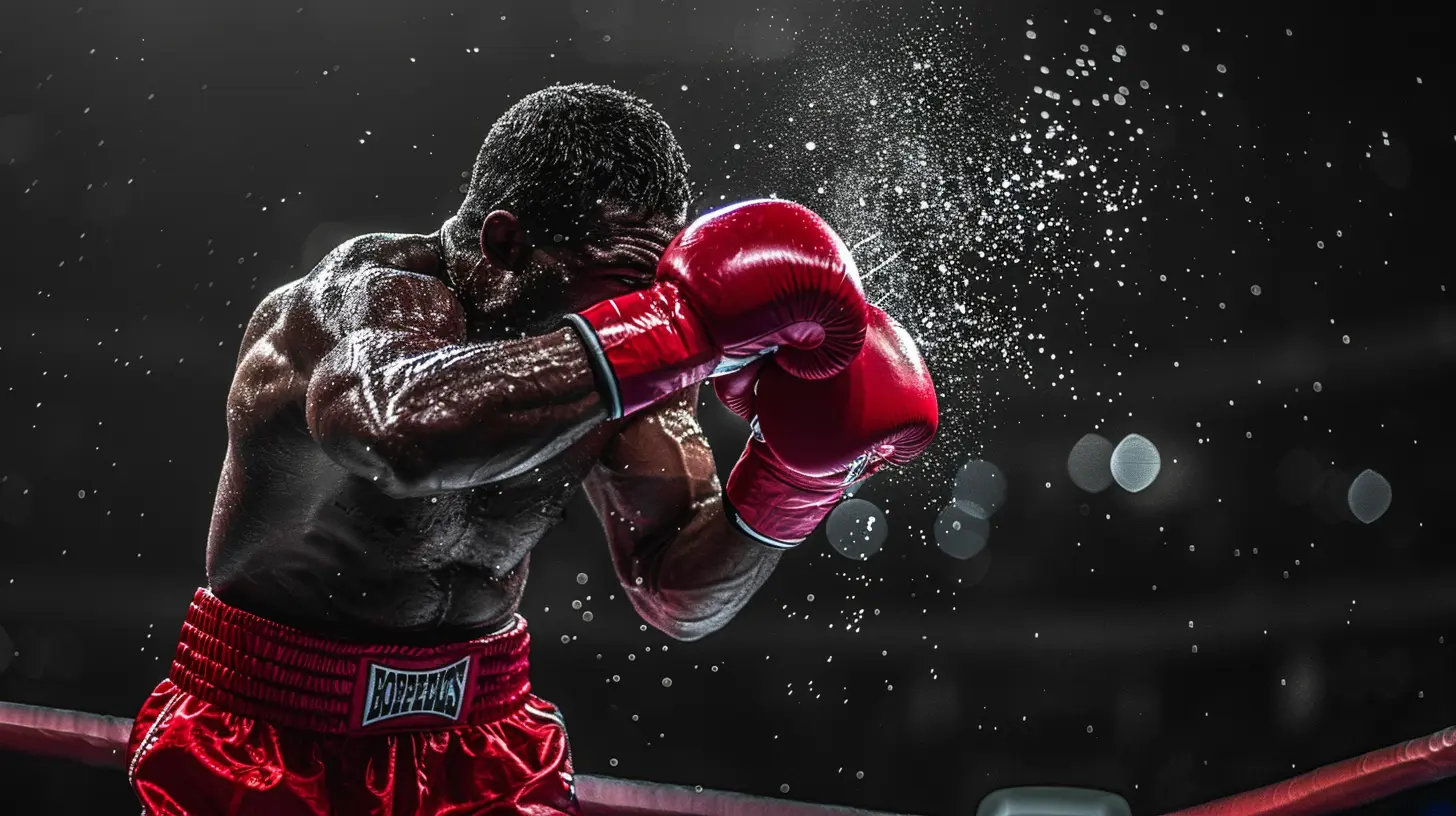
Let’s be real, every fighter faces this moment. Whether it happens in their 30s, 40s, or even later, there comes a time when the body just won’t respond the way it used to. Reflexes slow down. Injuries pile up. The morning aches last a little longer. But it’s not just physical. The mental and emotional grind of preparing for each fight — that can wear on a person too.So, how do they know? Sometimes it’s a string of losses. Sometimes it's not feeling “the fire” anymore. And sometimes, it’s a gut feeling — like knowing when to throw in a towel on a bad relationship. It’s not easy, but it’s necessary.
A Career Written in Sweat and Sacrifice
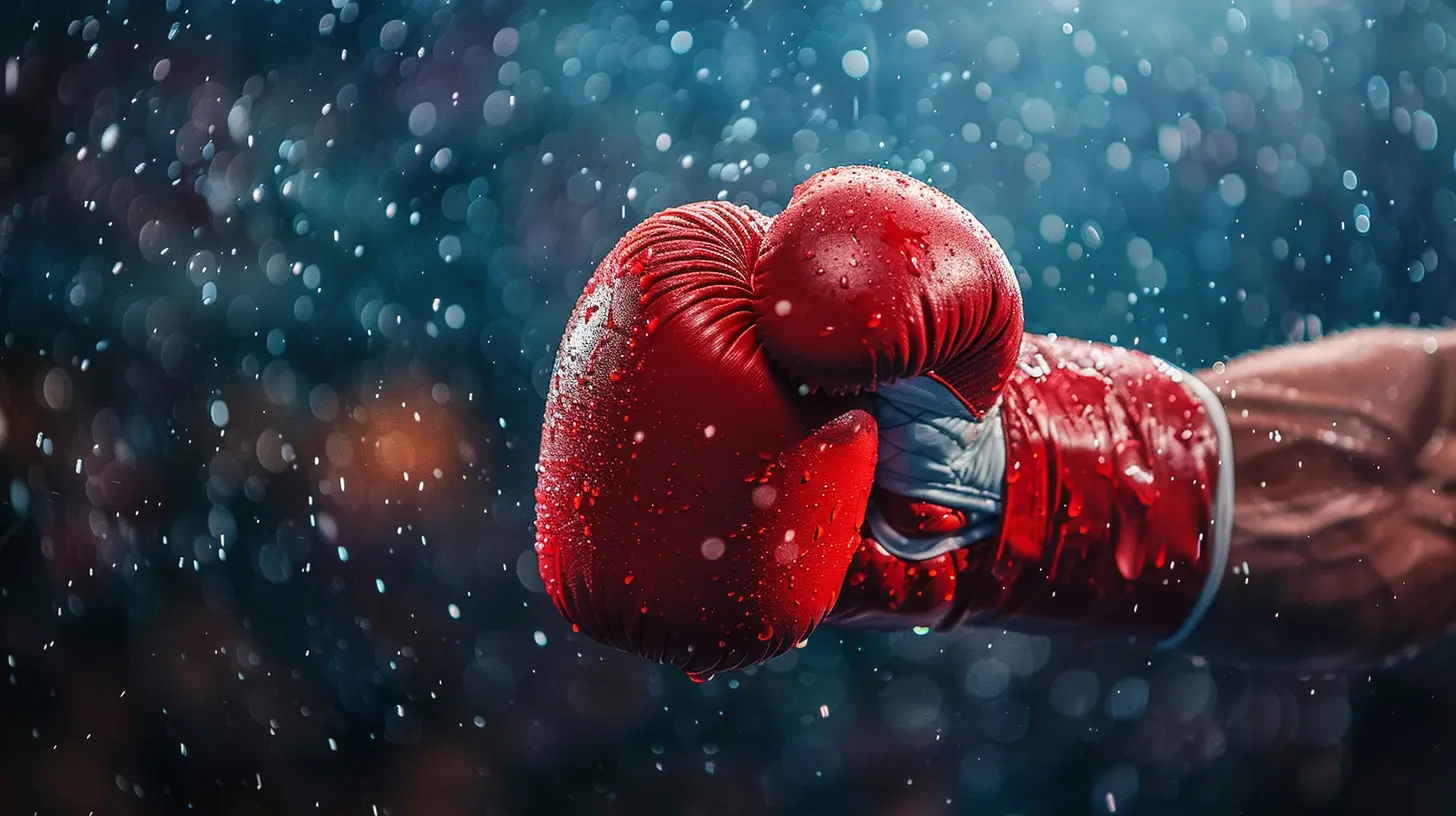
Before a fighter even dreams about retirement, they've likely endured a grueling journey that would break the average person. Early mornings in the gym, strict diets, time away from family and friends — all for that fleeting moment under the bright lights.Every jab, every cut, every round has a story. Those black eyes and broken noses are more than just battle scars — they’re pages in a warrior's book. So when retirement enters the conversation, it’s not just about leaving a job. It’s about stepping away from an identity they’ve held since they were teenagers… or even younger.
From Underdog to Legend: The Rise Before the Exit
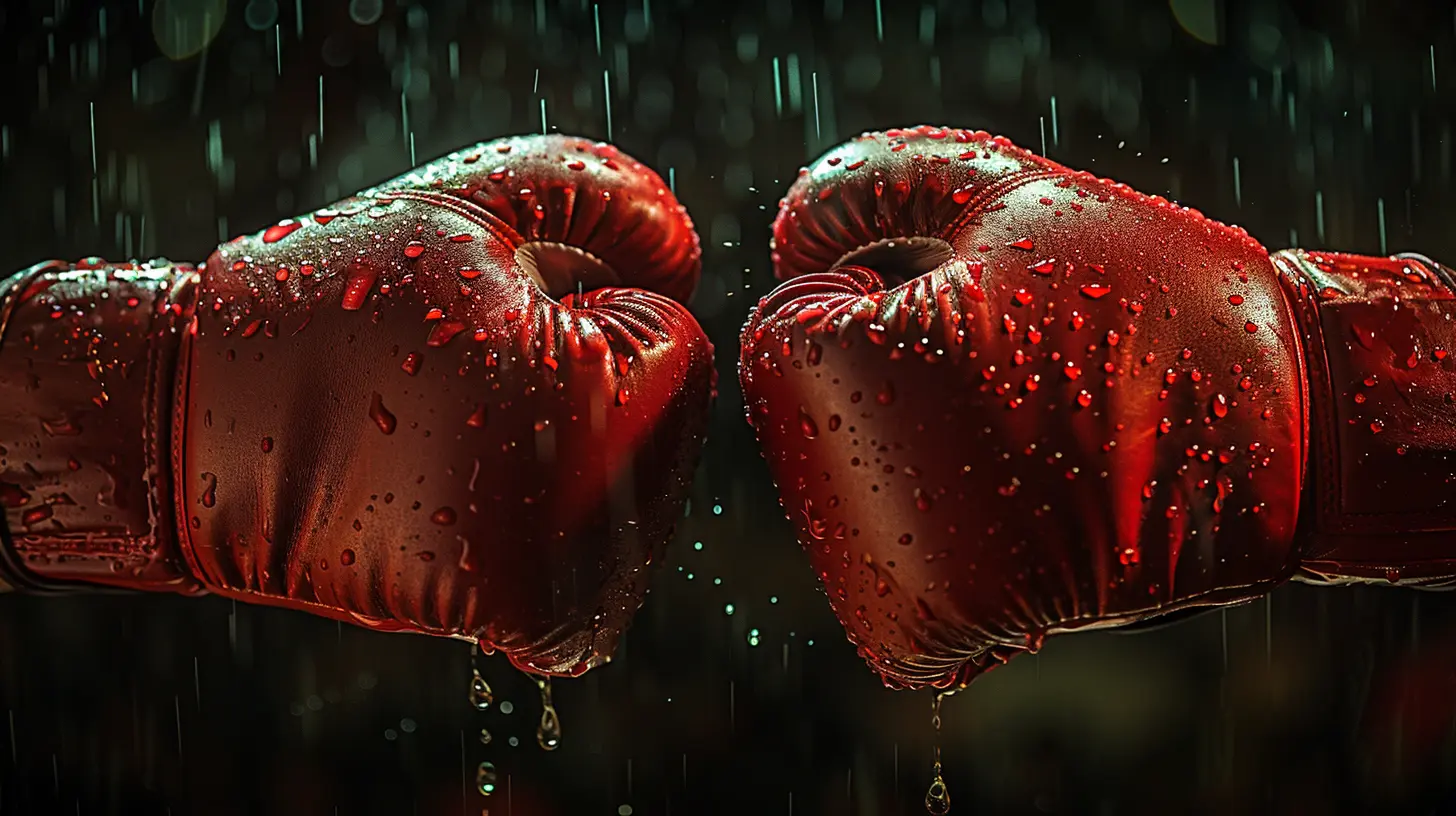
Let’s not forget — before hanging up the gloves, many fighters leave behind a legacy worth telling generations about. Think about Muhammad Ali, Georges St-Pierre, Amanda Nunes, Floyd Mayweather. These aren't just athletes. They're icons. But they weren't always champions.Many fighters start as underdogs — scraping together money for gym fees, training in basements, working two jobs just to survive. Their rise is often the best part of the story because it’s relatable. It’s the struggle that hooks fans, not just the highlight reels.
And that’s what makes their retirement so bittersweet. They didn’t just fight battles in the ring — they fought through life.
The Emotional Toll: Saying Goodbye to the Ring
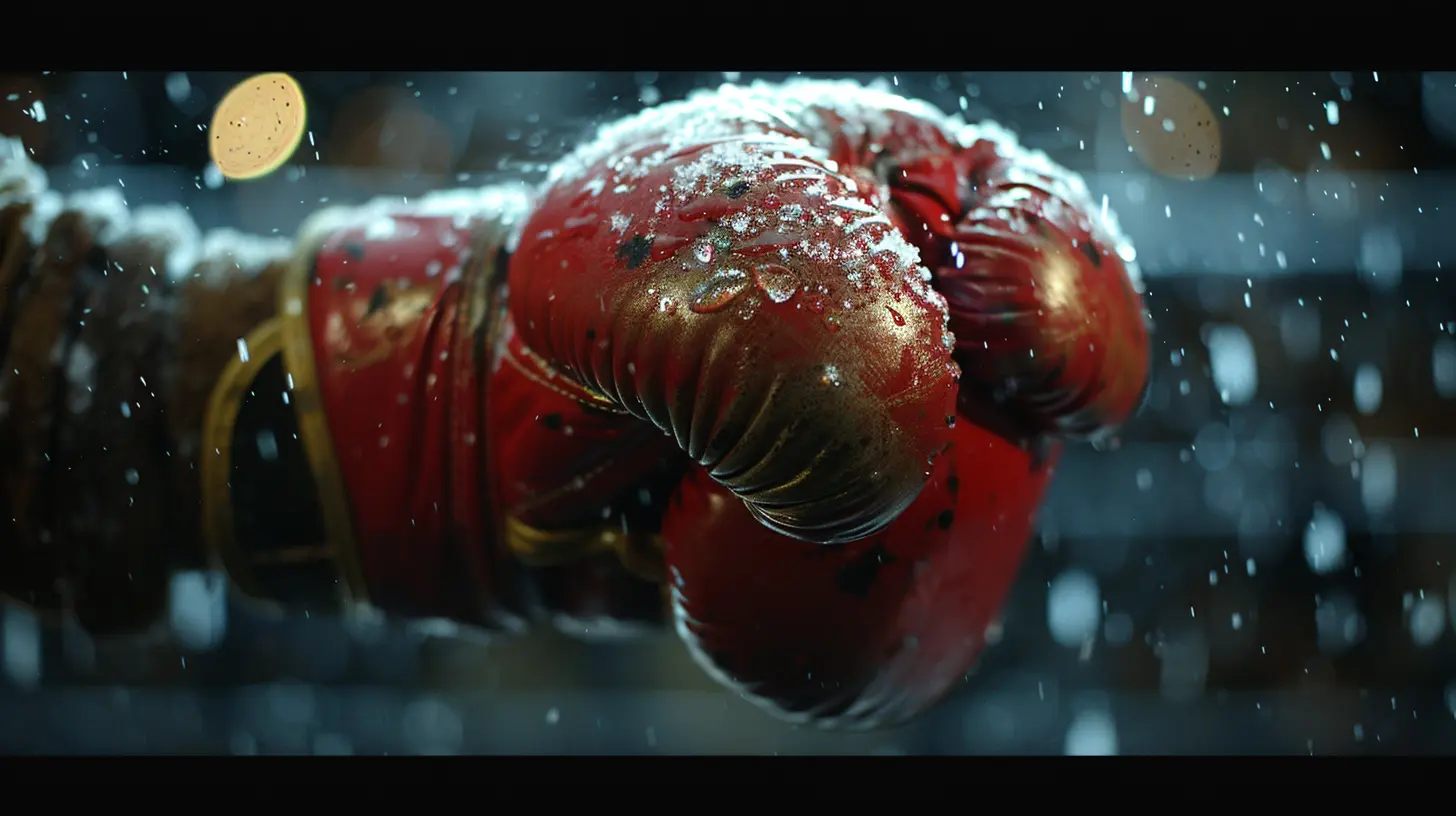
We often talk about the physical drain, but the emotional hit? That’s a whole different level. Fighters often say the hardest part isn’t the last bout, it’s the weeks after when they’re no longer training for something. No cameras. No locker room smells. No gloves to lace up. Just silence.For years, their routine revolved around fight camps, weight cuts, and game plans. When that ends, there’s a gaping hole that can't be filled overnight. Some athletes feel lost. Others go through depression. The ring gave them purpose — now they have to find a new one.
Life After the Last Round
So what’s next? For some fighters, retirement opens up a door to new opportunities. Coaching, commentary, personal brands, or even acting — we’ve seen it all. Think of Michael Bisping in the broadcast booth or Ronda Rousey transitioning to WWE.Others go the business route, investing in gyms or launching products. These fighters know the sport doesn’t last forever, so they build platforms that do. Smart move, right?
And then there are those who just fade out quietly, spending time with family, enjoying the simple things they missed during the grind. And honestly, there’s nothing wrong with that.
Comebacks: Temptation or Redemption?
Let’s not pretend retirement is always forever. The allure of the ring has dragged many legends back. Sometimes it's for closure, sometimes for money, and sometimes it’s just ego.Mike Tyson laced up again in 2020. So did Evander Holyfield. And don’t forget about Conor McGregor — he’s retired more times than most of us have changed passwords.
But here's the thing — comebacks are risky. Fans want magic. Fighters want to prove they still got it. But the body doesn’t lie. The speed, the timing, the resilience — it’s not always there. And while comebacks can be triumphant, they can also tarnish legacies. So it’s a tightrope walk, no doubt.
The Fans' Perspective: A Bittersweet Goodbye
Let’s flip the script for a second. What about us? The fans? Retirements hit us hard too. We grow up watching these fighters, imitating their moves, memorizing their walkouts. They’re part of our weekends, our conversations, our memories.When a beloved fighter retires, it feels like the end of an era. Like a favorite TV show ending or a band breaking up. You’re grateful for the memories but sad it’s over. And when they get inducted into the Hall of Fame? Yeah, we cry too.
Legacy: What Do Fighters Leave Behind?
At the end of the day, every fighter wants to leave a legacy. Titles are great, but impact is greater. Kids looking up to you, young fighters modeling their hustle on your story, fans still rocking your T-shirts years after your last fight — that’s legacy.And the greatest legacies? They’re about more than wins and losses. They’re about the fighter’s heart, their resilience, their character. That’s what people will talk about long after the belts collect dust.
Why We Celebrate Retirements
Retirements aren’t funerals — they’re celebrations. We celebrate the courage. The effort. The journey. We remember the walkouts, the interviews, the moments that gave us chills.Fighters remind us what’s possible when you believe in yourself. When they walk away, we don’t stop being fans. We just appreciate them in a different way — as mentors, legends, and survivors of one of the toughest sports on the planet.
The Fighter's Voice: Farewell Messages That Hit Hard
Ever read a fighter’s retirement post? Man, those messages are like gut punches. They pour their hearts out — thanking coaches, families, fans, even rivals. It’s raw and real. You can tell they’ve struggled with it for months, maybe years.And when they say, “This isn’t goodbye, it’s see you later,” you believe them. Because once a fighter, always a fighter — even if they never throw another punch.
Lessons from the Canvas
The end of a fighter’s career teaches us more than we realize. It’s about knowing when to let go. About appreciating every moment, even the tough ones. About reinventing yourself when one chapter ends.These warriors live fast, fight hard, and retire with a story that most of us could only dream of. And in a world that often fears the end, they show us that endings can be just as powerful as beginnings.
So when a fighter hangs up the gloves, we don’t just see it as the end. We see it as the beginning of something new — a reminder that there’s life after the last round.
Final Thoughts
Hanging up the gloves isn’t just about stepping away from a career — it’s about transitioning from one battleground to another. And while the ring may fall silent, the echoes of an epic career continue in the hearts of fans, in the stories retold, and in the lives inspired.So the next time your favorite fighter says goodbye, take a moment. Clap a little louder. Cheer a little longer. Because they didn’t just entertain us — they gave us their all.
all images in this post were generated using AI tools
Category:
Retirement AnnouncementsAuthor:

Frankie Bailey
Discussion
rate this article
1 comments
Virginia Bellamy
What an incredible journey! Hats off to the fighter for an unforgettable career filled with passion and perseverance. Your legacy will inspire others for years to come. Enjoy the next chapter!
June 3, 2026 at 4:41 AM
Frankie Bailey
Thank you! It truly has been an incredible journey. I appreciate the support and hope to inspire others in the next chapter.