From the Booth to the Field: The Life of a Sports Broadcaster
18 March 2026
Ever wondered what it’s really like behind the microphone during a big game? Not just the play-by-play, but the life, hustle, and energy that goes into being a sports broadcaster? Well, strap in, because we're going into the heart of sports media — where passion meets profession, and where every word can make or break a fan’s experience.
Let’s peel back the curtain and walk through what it means to live the life of a sports broadcaster — from the booth to the field, and everything in between.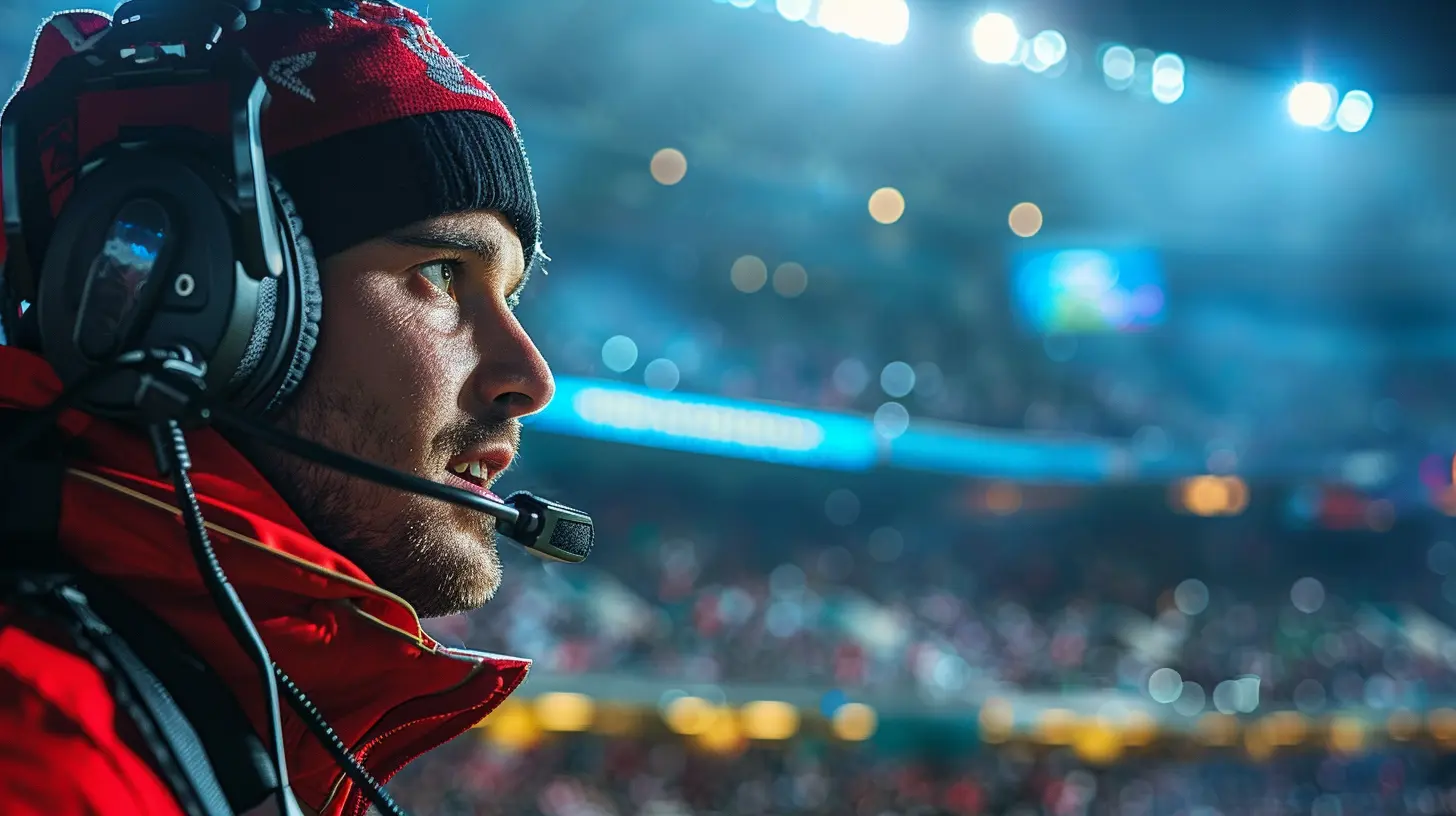
The Dream That Starts Young
Most sports broadcasters didn’t just wake up one day and decide to jump into the booth. Nah, it usually starts much earlier — with a deep love for the game. Think of the kid who couldn’t stop narrating their backyard baseball toss or the teen who muted the TV just to call plays themselves. That’s how it begins.Sports broadcasting is one of those careers that blends passion with performance. It’s not just about knowing stats and scores — it’s about storytelling, connection, and bringing the game to life for fans who couldn't be there in person.
And let’s be real — who doesn’t secretly want front row seats to every major sporting event?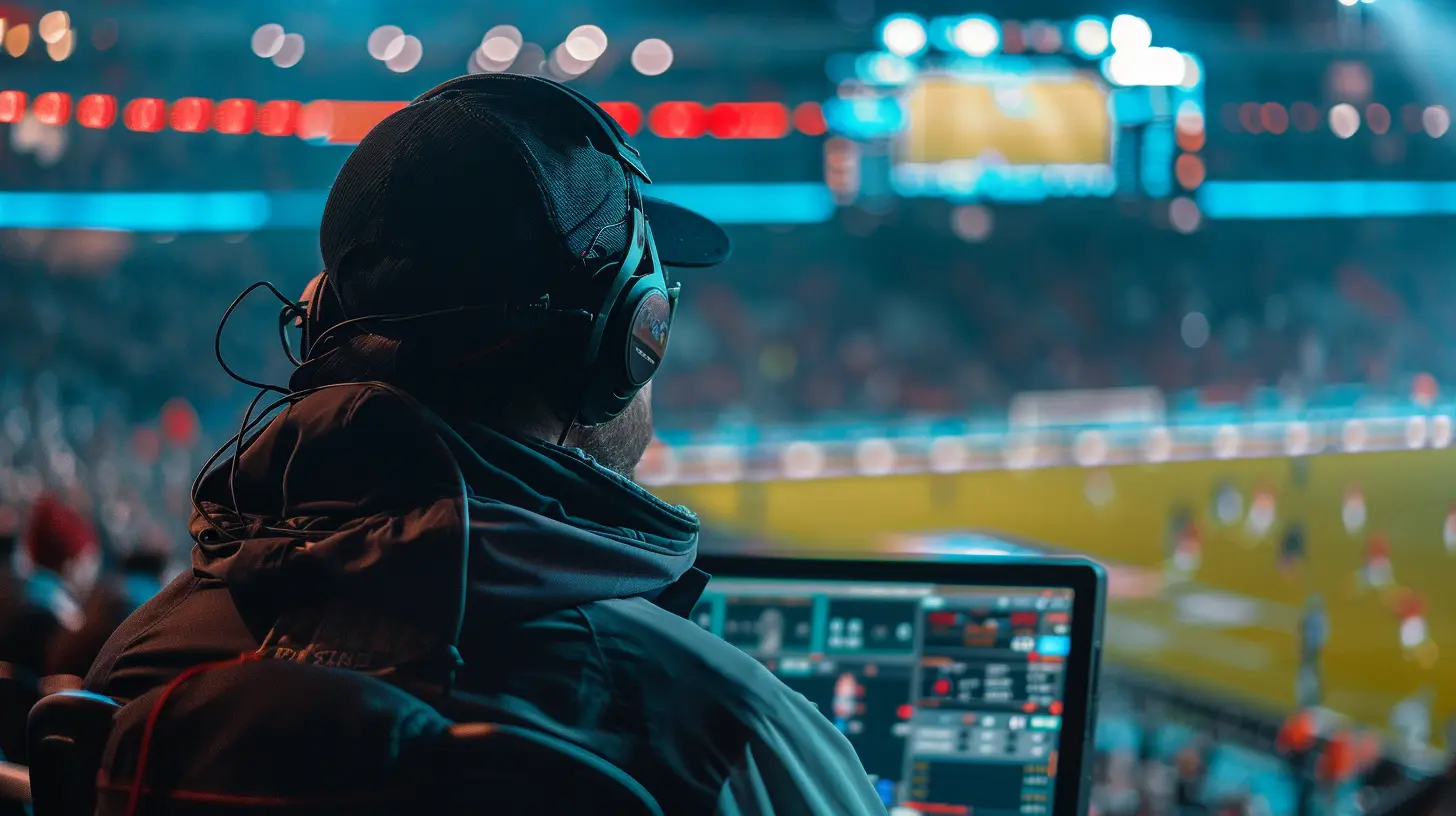
What Does a Sports Broadcaster Really Do?
It’s more than just talking into a mic and sounding energetic. Broadcasters wear many hats — play-by-play announcer, color commentator, interviewer, analyst, and sometimes even therapist for losing fans (we've all been there).Here’s a breakdown of what their role includes:
🎙️ Play-by-Play Announcing
This is the voice you hear calling every pass, shot, tackle, and goal. It’s fast-paced, adrenaline-pumping action that requires sharp observation and quick recall. These broadcasters have to stay calm under pressure and make the action come alive.🧠 Color Commentary
This role complements the play-by-play announcer. Former athletes or seasoned analysts usually fill this role, offering insight, strategy breakdowns, and background stories that deepen the viewer’s understanding. Think of them as the flavor to the play-by-play's meat and potatoes.🎤 Pre-Game and Post-Game Hosting
You’ll often see broadcasters setting the stage before the kickoff. They talk storylines, player updates, season trends — basically, they stir up excitement. After the game? They dissect the match, break down performances, and often interview players and coaches.🎧 Sideline Reporting
This one’s for the ones who like to be where the action is. Sideline reporters give real-time injury updates, coach interviews, and on-the-ground perspectives. It’s raw, it's gritty, and it’s the ultimate first-hand broadcasting experience.
The Grind Behind the Glamour
Now, don’t get it twisted. It might seem like a glamorous gig, but it’s far from easy. Behind the voice and charisma is a mountain of preparation, travel, and long hours.Research is Everything
Before stepping into the booth, sports broadcasters dive deep into stats, player bios, recent performances, injuries, and even quirky facts (like a player’s pre-game superstition). They’re prepared for every scenario — because dead air is the enemy, and mispronounced names are a cardinal sin.The Travel Life
If you thought athletes traveled a lot, wait till you hear about broadcasters. They chase teams across cities, sometimes internationally. One day, you’re in sunny California; the next, you’re bundled up in Green Bay, Wisconsin. It’s tough, but also a dream for those who love adventure.Crazy Schedules
Games happen on weekends, evenings, holidays — essentially, when everyone else is relaxing. That means broadcasters often sacrifice personal time. Holidays with family? Sometimes that’s a luxury. But for many, the thrill of calling a buzzer-beater makes it all worthwhile.
From Radio to TV and Beyond
Sports broadcasting has evolved massively. Gone are the days when radio was king (though it still has its loyal fans). Today, you’ve got TV, live streaming, podcasts, YouTube, and even TikTok personalities doing play-by-play commentary.Radio Broadcasting
There's something nostalgic and almost romantic about radio commentary. It requires vivid language and creative storytelling since listeners can’t see the action. The broadcaster becomes the eyes and ears of the fans.TV Broadcasting
With visuals doing half the work, TV broadcasters focus on pacing, insight, and chemistry with their co-host. It’s fast, slick, and high-budget. Every word counts — and every pause does, too.The Rise of Digital Media
In this era of social media and digital streaming, many broadcasters also build personal brands. Some even break into the scene by starting a sports podcast or YouTube channel. It’s a shift that’s opened doors to a new generation of play-callers.The Skills That Make the Mic Talk
You can't just love sports and jump into the booth. Well, you can try — but you might not last long. Successful broadcasters have a specific skill set. Here’s what it takes:🎤 Killer Communication
Clear, concise, and engaging speech is non-negotiable. You need a voice that commands, a tone that engages, and delivery that keeps people hooked.⚽ In-Depth Sports Knowledge
We’re talking rules, strategies, player histories, and game trends. Fans know when you’re faking it, and they’ll call it out.🧠 Quick Thinking
Live sports are unpredictable. A broadcaster must adapt, fill unexpected silence, and pivot when things go sideways — all while sounding smooth.😄 Personality
Let’s face it — no one wants a robotic voice reading stats for two hours. The best sports broadcasters infuse humor, emotion, and storytelling into their calls.The Path to the Booth: How to Become a Sports Broadcaster
There’s no one-size-fits-all route, but here’s how most folks start:1. Get Educated
A degree in journalism, communications, or broadcasting is common. But what’s more important? Developing your voice and style.2. Build Experience
Start small. College radio, local TV, podcasting, even calling your own games from home with a cheap mic and some passion.3. Network (Like, a Lot)
Connections matter. Many gigs come from who you know and who’s seen your work. Attend sports media events, connect with pros, and never stop putting yourself out there.4. Create a Demo Reel
Put together your best calls, interviews, or commentary. Make it short, snappy, and full of personality.5. Stay Consistent
This industry’s tough. There’s crazy competition, and rejection is part of the game. But resilience — just like in sports — sets the winners apart.Real Talk: The Highs and Lows of Broadcasting
No job is perfect, right? Here’s what most pros will tell you.The Highs
- You get paid to talk about sports. That alone is a win.- Front row seats to games most people only dream of attending.
- Building a loyal audience who trusts your voice.
- Opportunities to interview legends and rising stars.
The Lows
- The pressure can be intense. One mistake goes viral in seconds.- It can be tough on personal life with odd hours and constant travel.
- Criticism is part of the deal. Everyone’s a critic during game time.
Famous Voices That Changed the Game
Some broadcasters become just as iconic as the athletes they cover. Think about it — can you even imagine an NFL game without Al Michaels’ voice? Or soccer without Martin Tyler shouting, “Agüeroooo!”? These legends proved that the voice of the game is just as powerful as the actions within it.Here are a few legends:
- Vin Scully – The voice of the Dodgers for over six decades.
- John Madden – Color commentator legend and a personality that transcended games.
- Doris Burke – Breaking the mold as one of the first female analysts in the NBA.
- Joe Buck – A staple presence in both NFL and MLB coverage.
They didn’t just announce games — they owned them.
The Future of Sports Broadcasting
With AI, streaming platforms, and VR on the rise, the broadcasting landscape is shifting fast. But no matter how tech evolves, one thing stays the same: the need for human emotion. That unfiltered excitement, the voice crack on a last-second goal, the ability to read the vibe — machines just can’t do that.What we’re seeing is a shift towards more interactive content. Fans want personality. They want real talk. That’s why today’s sports broadcasters are also influencers, content creators, and even meme-makers.
The field's wide open for fresh voices who can connect with the modern audience — not just by calling plays, but by being a part of the culture.
Final Whistle: It’s More Than Just a Voice
Being a sports broadcaster is a lifestyle. It’s game-day energy, lifelong learning, and a commitment to telling the story of the sport you love. From the booth to the field, it’s about creating moments — the kind that fans talk about for years.So next time you hear that unforgettable catchphrase or clutch call, take a moment to appreciate the pro behind the mic. Because their job isn't just to talk about the game — it's to make you feel like you're part of it.
all images in this post were generated using AI tools
Category:
Sports BroadcastingAuthor:

Frankie Bailey
Discussion
rate this article
2 comments
Naya McClintock
Great read! It’s inspiring to see how broadcasters connect with fans and athletes alike. Their passion and dedication truly elevate the sports experience. Keep it up!
April 26, 2026 at 3:32 AM
Frankie Bailey
Thanks for the kind words! I'm glad you found it inspiring. Broadcasters really do make a difference in the sports world.
Uriah Hudson
Who knew the path from booth to field was paved with nachos and vivid dreams? Watching broadcasters swap their mics for cleats is like seeing a penguin try to fly—awkward yet strangely captivating! Let’s just hope they remember to dodge the flying foam fingers!
March 18, 2026 at 4:45 AM
Frankie Bailey
Thanks for your creative take! It’s definitely a wild transition—combining passion, humor, and a dash of chaos makes it all the more entertaining!