Game-Changing Moments: Turning Points That Defined the Match
29 December 2025
Every sports fan knows the feeling. You're sitting on the edge of your seat, heart pounding, when it happens—that one jaw-dropping moment that flips the script. The momentum swings. The crowd erupts. The players rally. And just like that, everything changes.
These are the game-changing moments. The defining seconds that separate a win from a loss, a hero from a bystander, a memory from just another match. Whether it's a last-minute goal, a critical foul, a coach's decision, or an unexpected injury, these turning points live forever in the minds of fans and in the legacy of sports itself.
In this article, we're diving deep into what makes these moments so powerful, why they stick with us, and how they shape the narrative of the match forever.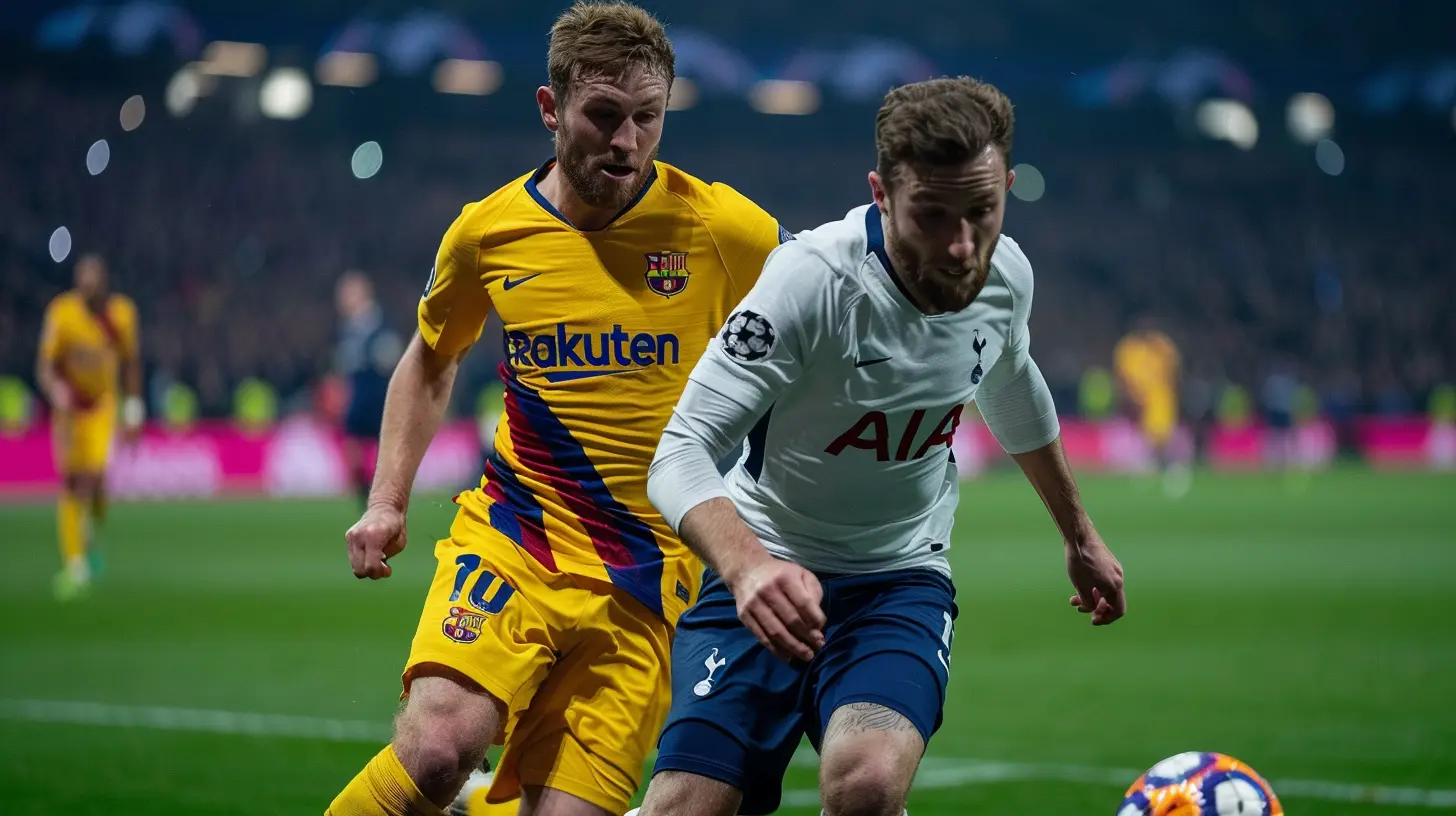
The Essence of a Turning Point
Let's keep it real—sports are unpredictable. No matter how much we analyze stats, predict outcomes, or trust our gut, the beauty of sports lies in their chaos. And within that chaos, turning points are the calm in the storm—or, more accurately, the eye of the hurricane.A turning point isn't just a moment. It's an emotional shift. It's the play that changes the energy in the stadium. One team goes from confident to crumbling, the other from desperate to dominant. It’s a momentum swing that you feel as much as you witness.
So what fuels these game-changers? A risky tactical adjustment? A sudden surge of adrenaline? A mistake under pressure? Let's unpack a few real-life scenarios.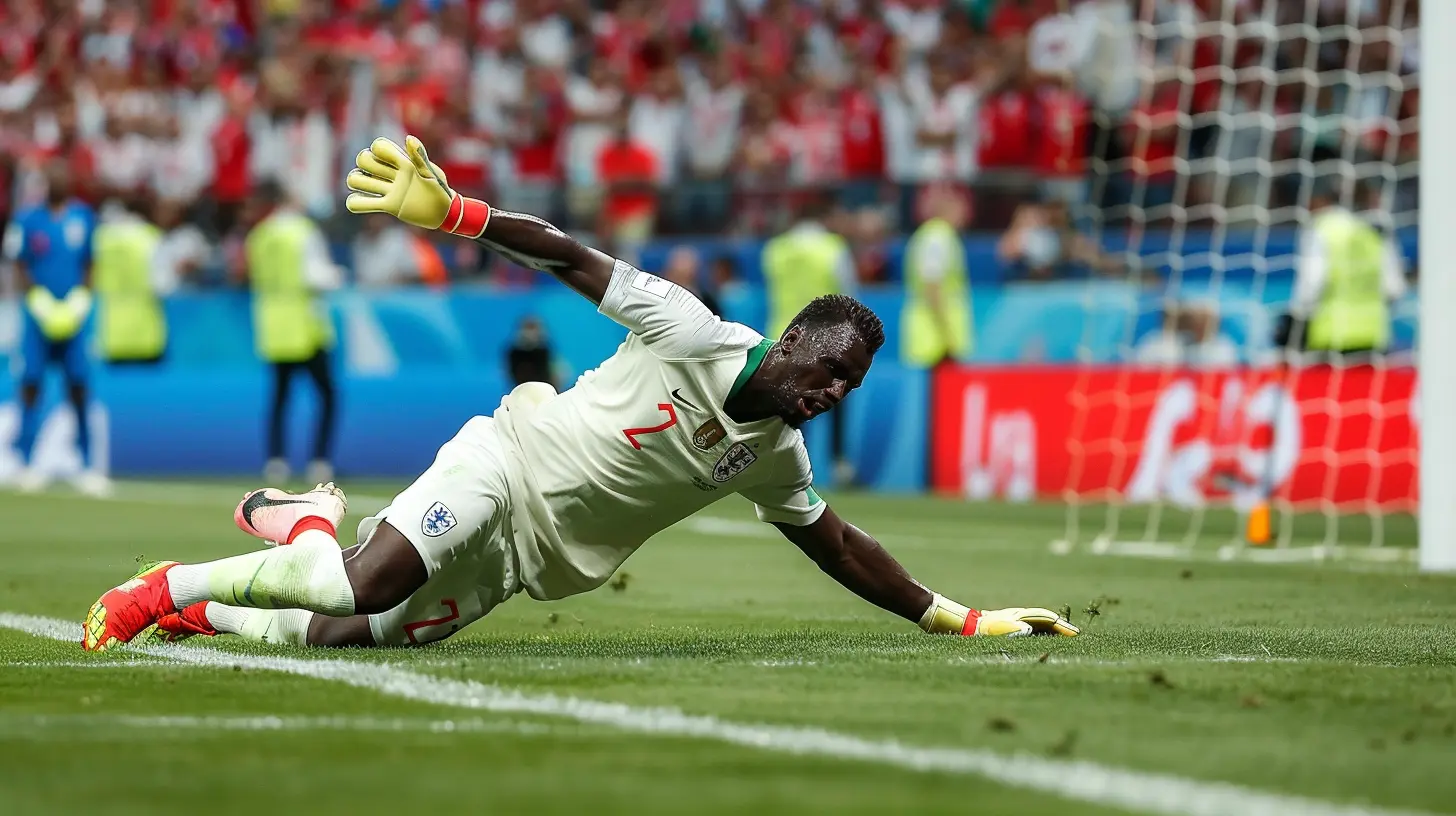
The Underdog’s Breakthrough: Momentum Can Be a Monster
You’ve seen this before. A team that's been dominated for most of the game finally finds a crack. One lucky break—a counterattack, a long-range screamer, a questionable offside call—and BOOM. Suddenly, they’re on fire.Think about Leicester City in their fairytale 2016 Premier League run. They weren’t the best squad on paper. But in game after game, they had those magic minutes where the tide turned. Jamie Vardy stealing the ball, Riyad Mahrez curling one into the top corner—those were the sparks that lit up a title-winning blaze.
The lesson? Momentum is a beast, and once it’s set free, it’s hard to tame.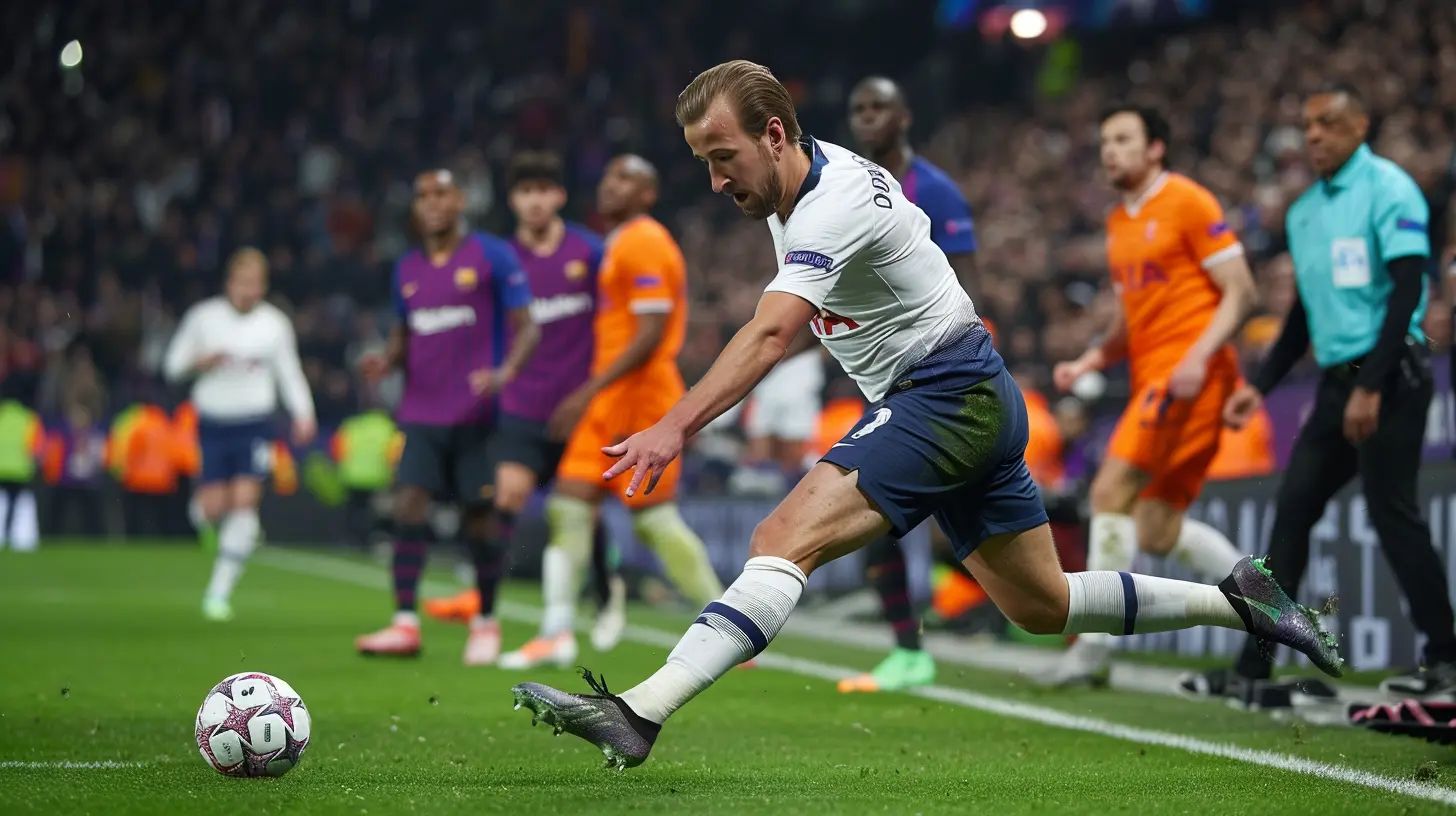
The Clutch Play: When Pressure Creates Diamonds
In high-stakes matches, someone always steps up. When the clock’s dying and the score is tied or trailing, the best athletes dig deep.Let’s flashback to the 2016 NBA Finals. Game 7. Warriors vs. Cavs. Tension so thick, you could slice it with a knife. Enter LeBron James with The Block—his gravity-defying smack on Andre Iguodala’s almost-sure layup. That one play—just seconds long—changed everything. It energized Cleveland, rattled Golden State, and set the stage for Kyrie Irving’s clutch three-pointer to seal the deal.
Talk about a turning point. One defensive hustle turned the tide and helped rewrite NBA history.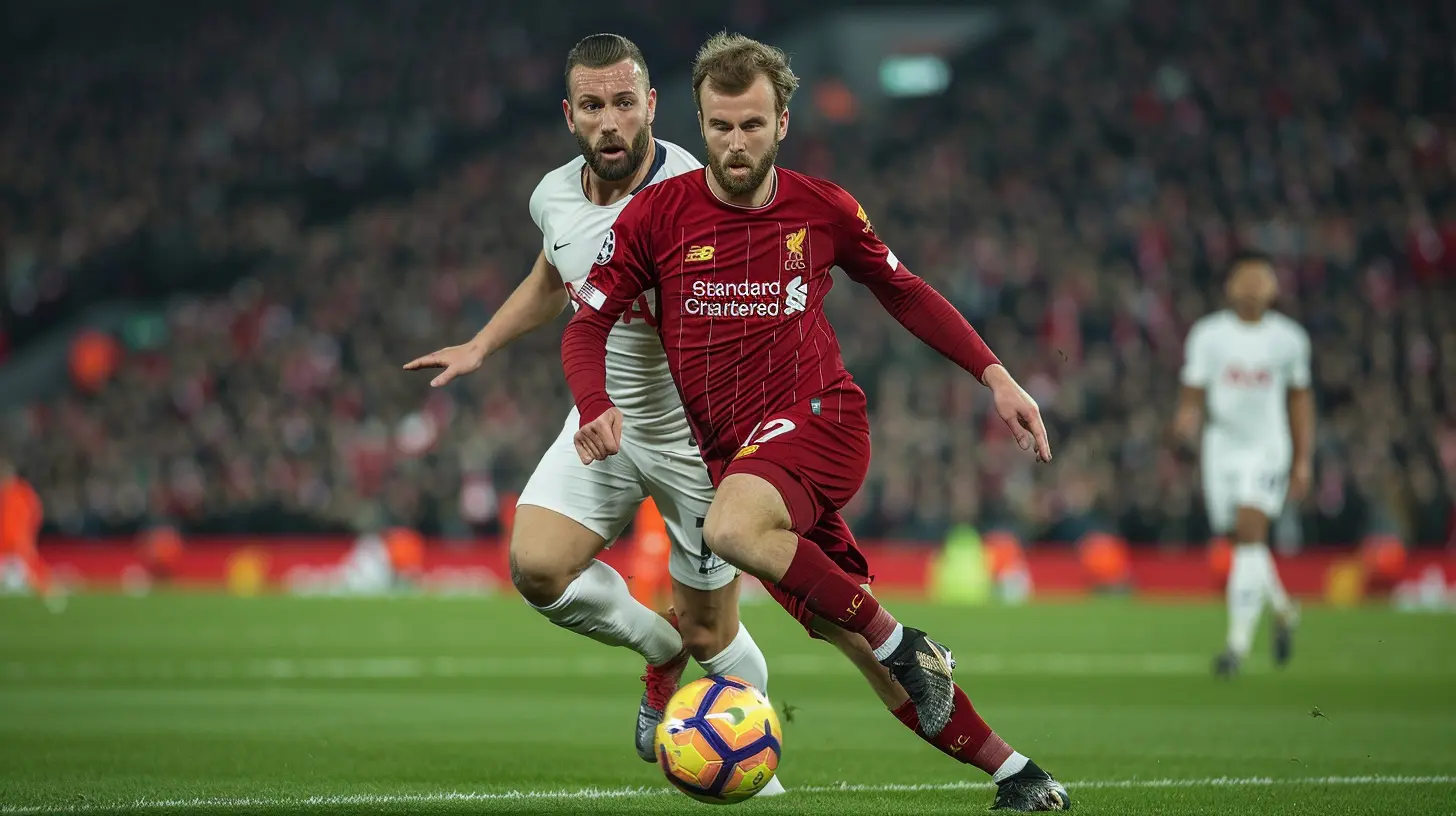
The Tactical Shift: Genius or Gamble?
Sometimes, it’s not a player who flips things—it’s the coach. A bold substitution, a change in formation, or a sudden tweak in strategy can turn a match on its head.Remember the 2010 FIFA World Cup final? Spain vs. Netherlands. A tightly contested, brutal game. Then Andrés Iniesta—subtle, elegant, lethal—gets the ball in extra time. But let’s rewind. That moment wouldn’t have happened if Spain’s coach Vicente del Bosque hadn’t adjusted midfield spacing and brought fresh legs into play. Every move led to that one magical moment.
Tactics don’t show up on the scoresheet, but they live in the shadows of game-changing moments.
The Red Card Rollercoaster: When Discipline Costs Victory
Nothing flips a match like a sending off. You go from 11 to 10, and suddenly, everything changes. The strategy gets scrapped. The defense stretches. The pressure builds.Let’s throw it back to the 2006 World Cup final. Zinedine Zidane's headbutt against Marco Materazzi. Iconic? Unfortunately. Game-defining? Absolutely. It wasn’t just a sending off—it symbolized a breakdown under pressure and shifted the focus of the match. Italy held on, and in the penalty shootout, they thrived.
Discipline isn’t just about following rules; it’s the backbone of keeping composure when it matters most.
Injuries: The Silent Turning Point
Injuries are the kind of twist that nobody wants but often defines the match narrative. A key player limps off, and within minutes, the game’s dynamic shifts.Take the 2019 UEFA Champions League final. Liverpool vs. Tottenham. Only moments in, Moussa Sissoko crosses into his own arm—penalty. Mohamed Salah scores. But what many forget? Harry Kane, Tottenham’s star striker, was just coming back from an injury layoff, clearly not 100%. Spurs lacked rhythm, and Liverpool capitalized.
Sometimes, the most silent game-changer is the one that never fully showed up to the party.
The Fans: Twelfth Man Or The Final Nail?
Never underestimate the crowd. A roaring home base can act as an adrenaline shot to the heart. The right cheer at the right time can lift players off the ground—literally and figuratively.Take Istanbul, 2005. Liverpool vs. AC Milan. Down 3-0 at halftime. Comeback chances? Slim to none. But the fans didn’t sit quietly. They roared. Sang. Believed. And somehow, so did the players. In six of the most insane minutes in Champions League history, Liverpool tied the game and went on to win it in penalties.
Call it magic. Call it madness. Either way, the fans were the spark that lit the fire.
The Psychological Shift: Confidence is a Fragile Thing
Here's the thing—confidence is delicate. One missed opportunity or one piece of brilliance can throw a whole team off balance.Ever watched a team completely collapse after conceding a goal they didn’t expect? It's like watching a balloon deflate—slow and sad. A few minutes of doubt can erase 80 minutes of dominance. That’s why keeping a cool head is just as critical as scoring goals.
A great example: The 2013 Champions Trophy final, when underdogs India faced England. One key moment—Ravindra Jadeja’s stunning throw to run out the dangerous Jos Buttler—flipped momentum. The English squad hesitated. India soared.
One moment. One lapse. Game over.
The Penalty Call: Controversy Meets Fate
You knew this one was coming. Few turning points ignite as much controversy as a penalty decision. Fair or not, one whistle from the ref can define careers.Remember the 2018 World Cup final? France vs. Croatia. A handball call on Perišić after VAR review. Boom—penalty. Griezmann converts. Croatia, who’d been pressing hard, lost momentum. France didn’t look back. That one moment tilted the pitch like a seesaw.
Sometimes it's not whether the call was "right"—it's about what it does to the psyche of the teams involved.
Replay Doesn't Change the Moment
With VAR, instant replays, and every angle available, it's tempting to think we control the game more than ever. But while the technology can catch an offside or a foul, it can't replay emotions. Once the moment hits, the energy it creates can't be undone.The referee might reverse a decision. A coach might adjust. But that initial surge of hope or devastation? That’s permanent. And a turning point, once felt by the players or fans, sticks like glue.
Why These Moments Stay With Us
Let’s face it, life is kind of like a game. Full of build-up, breakdowns, and sudden changes. That’s why we connect so deeply with these turning points. They remind us that everything can change in a heartbeat. And in sports, that heartbeat is loud.Plus, let’s be honest—don’t we all love a good story? Turning points bring drama. They make a match feel like a movie. Without them, it’s just passing stats and final scores.
Final Whistle: These Moments Are Written in Legacy
Matches end, players retire, and seasons change. But the turning points? They stay with us. They’re replayed in highlight reels, whispered at family barbecues, and remembered forever in fans' hearts.They’re the reason we say, “I remember where I was when that happened.” These moments are more than just sports—they’re shared experiences, cultural touchstones, and emotional landmarks.
So the next time you’re watching a game and feel that shift—that goosebump-inducing, stomach-turning change—you’ll know: You’ve just witnessed a game-changing moment.
all images in this post were generated using AI tools
Category:
Game AnalysisAuthor:

Frankie Bailey
Discussion
rate this article
2 comments
Yasmeen McNeil
What a fantastic read! Every match has those unforgettable moments that shift the tide. This article beautifully highlights the turning points that make sports so thrilling. Looking forward to more insights like this!
February 19, 2026 at 5:22 AM
Frankie Bailey
Thank you! I'm glad you enjoyed it. Stay tuned for more insights into those thrilling moments!
Dusk Forbes
This article brilliantly highlights the pivotal moments that reshaped the match. Each turning point is analyzed with precision, showcasing how key plays can alter the game's trajectory. A must-read for fans wanting deeper insights into impactful sporting events!
December 31, 2025 at 3:44 AM
Frankie Bailey
Thank you for your insightful feedback! I'm glad you found the analysis of key moments and their impact valuable. Your support means a lot!